

Productive Morning Routine: Unlock Your Potential for Success

A steaming cup of coffee or tea sits on a wooden table, with the warm glow of the setting sun filtering through large windows in the background. The sunlight creates a cozy ambiance, highlighting the steam rising from the cup. The scene evokes a sense of tranquility and comfort, perfect for a moment of relaxation.

In the hustle and bustle of modern life, a productive morning routine can shape the entire day. Ever wonder why some people achieve more in a few hours than others do all day? The secret often lies in their morning habits. A powerful morning routine isn’t just a luxury, it’s a proven strategy for success. By adopting intentional practices, you can kickstart your day with energy, focus, and purpose. Whether aiming for career success, personal growth, or better balance, mornings offer the chance to start strong. Ready to unlock your full potential? Let’s explore the transformative habits for a truly productive morning.

A woman wrapped in a cozy blanket is seated in a sunlit nook, deeply engaged in reading a book. She sits on a plush sofa, surrounded by plants that add a touch of nature to the space. Next to her, a small table holds an open sketchbook with colorful drawings and art supplies, suggesting a creative atmosphere. The scene exudes warmth and tranquility, ideal for relaxation and inspiration.

Why a Productive Morning Routine is Essential for Success

A Structured Start to Boost Your Day

A productive morning routine is essential for success, as it sets the tone for the entire day. When you wake up with a clear plan and a series of tasks to tackle, you’re more likely to experience a sense of accomplishment that carries through to the afternoon and evening. Morning routine ideas for success vary from person to person, but the common thread is a structured approach that prioritizes the most important activities. Whether it’s meditating, exercising, or simply reviewing your goals, investing time in the morning can help streamline your thoughts and enhance your focus.

Creating a Mindful and Intentional Environment

One of the key components of a productivity-boosting morning routine is creating a peaceful environment that fosters mindfulness and intention. Avoiding distractions, such as checking your phone or diving into emails too soon, allows for a more reflective start. Implementing morning productivity tips, like setting aside 10 to 20 minutes for journaling or planning your day, can help clarify priorities and reduce feelings of overwhelm. When you carve out this uninterrupted time, you are signalling to yourself that your goals matter.

Energizing Your Body with Physical Activity

Physical activity is another powerful ingredient in a successful morning routine. Engaging in movement, whether through a workout, yoga, or a brisk walk, not only energizes the body but also stimulates the mind. It has been shown that physical exercise releases endorphins and enhances mood, which can improve overall performance throughout the day. Pairing your workout with healthy breakfast choices can further optimize your energy levels, making it easier to tackle challenges head-on.

The Power of Consistency in Morning Habits

Lastly, consistency is vital in establishing a productive morning routine that contributes to long-term success. By making a commitment to your morning rituals and sticking to them, you develop habits that become second nature over time. This consistency breeds discipline, allowing you to manage your time and energy more effectively. Each productive morning leads to improved outcomes, creating a compounding effect that supports both personal and professional growth. In essence, the small changes you make each morning can lead to significant shifts in your overall success journey.

Setting the Foundation: Start Your Day on the Right Foot

The Impact of Morning Choices

Many people underestimate the power of a well-structured morning. Setting the foundation for the day begins as soon as you wake up. Implementing successful morning habits can significantly influence your mindset and energy levels. From the moment you open your eyes, the choices you make can either propel you toward a productive day or leave you feeling sluggish and unmotivated. A few simple adjustments can transform your mornings and lead to a more productive day overall.

Structuring Your Morning for Success

Creating a productivity-boosting morning routine is essential for optimal performance. Start by waking up at the same time every day, allowing your body to establish a natural rhythm. This consistency not only helps regulate your sleep cycle but also creates momentum for your day. Following this, setting aside time for activities such as stretching, meditation, or a quick workout can help wake up your body and mind. Engaging in these practices can increase your focus and improve your mood, setting the stage for a successful day ahead.

Fueling Your Body with a Healthy Breakfast

Incorporating a healthy breakfast into your morning is another important facet of a productive routine. Fueling your body with a nutritious meal provides the energy needed to tackle the challenges that lie ahead. Consider including proteins, healthy fats, and whole grains, which can help sustain your energy levels throughout the day. Moreover, taking a few moments to plan out your tasks or set intentions for the day can significantly enhance your sense of purpose and direction. When you have a clear plan in mind, you are less likely to be sidetracked by distractions that often derail focus.

The Role of Positivity and Gratitude

Lastly, embracing a mindful and positive approach to your mornings sets the tone for how you will perceive and respond to whatever comes your way. Taking just a few minutes for gratitude or affirmations can shift your mindset and motivate you to pursue your goals with enthusiasm. Ultimately, by implementing successful morning habits and creating a productivity-boosting morning routine, you’ll not only enhance your day but also cultivate a lifestyle that values intentionality and growth. The groundwork you lay each morning will echo positively throughout all areas of your life.

A runner jogs along a winding path in a misty park, surrounded by tall trees. The scene is illuminated by soft, golden sunlight filtering through the fog, creating a magical atmosphere. The runner, dressed in athletic gear, moves confidently along the path, while another figure is seen in the distance. The lush greenery and ethereal light enhance the peacefulness of the early morning setting.

Morning Rituals to Boost Energy and Focus

Hydration: The First Step to Rejuvenation

Starting your day with a productive morning routine can significantly influence your energy levels and focus throughout the day. Many successful individuals swear by their morning rituals, which set a positive tone and create momentum for the tasks ahead. Hydration is a crucial first step in your morning ritual. After hours of sleep, your body naturally becomes dehydrated, which can lead to sluggishness. Drinking a glass of water as soon as you wake up can jumpstart your metabolism and help you feel more awake.

Practicing Mindfulness to Center Yourself

Pairing hydration with a few minutes of mindfulness or meditation can further sharpen your focus. Taking time to breathe deeply, reflect on your intentions for the day, or simply enjoy a moment of silence can help clear your mind and centre your thoughts as you prepare for the day ahead.

Energizing Through Movement

Incorporating movement into your morning routine is another powerful way to boost energy levels. Even just 10-15 minutes of stretching or a quick workout can accelerate blood flow and release endorphins, leaving you energized and alert. Whether you prefer yoga, a brisk walk, or a more intense workout, the key is to find something you enjoy. This not only helps wake your body but also sets a proactive tone for the rest of the day.

Planning for Success

Lastly, consider setting specific goals or tasks for the day during your morning routine. Jotting down a to-do list or prioritizing your tasks can promote a sense of achievement and direction. When you have a clear plan in place, it becomes easier to maintain focus and productivity throughout the day. By nurturing your body and mind with these morning rituals, you can create a foundation of energy and clarity that propels you forward, ensuring that every day begins with intention and purpose.

The Power of Mindfulness in Your Morning Routine

Enhancing Focus Through Mindfulness

In today’s fast-paced world, finding a way to incorporate mindfulness into your morning routine can be transformative. A productive morning routine sets the tone for the rest of the day, and mindfulness allows you to navigate daily challenges with clarity and intention. By focusing on the present moment, individuals can enhance their overall well-being and increase their capacity for efficiency and effectiveness from the moment they wake up.

Simple Practices for Mindful Mornings

Starting the day with a few mindful practices can create a ripple effect throughout your entire morning. Simple activities such as deep breathing, gentle stretching, or even savouring a cup of tea can ground your thoughts and promote a state of calm.

Building Resilience with Mindfulness

Integrating mindfulness into your morning can improve your emotional resilience. As you cultivate this awareness, you become better equipped to handle stress and unexpected challenges that arise throughout your day.

Setting the Tone for a Purposeful Day

Ultimately, the power of mindfulness lies in its simplicity and accessibility. Whether you dedicate a few moments to meditation, practice gratitude, or simply enjoy the silence of the morning, these mindful habits can profoundly impact your ability to create a truly productive morning routine. By fostering intentionality and presence in the early hours, you not only enrich your own life but also lay a strong foundation for success in all aspects of your day.

Tips for Maximizing Productivity in the Mornings

Setting the Tone for the Day

For many, the morning sets the tone for the entire day. To cultivate a fruitful day ahead, establishing a productive morning routine is vital. Small but intentional actions taken during the morning can significantly impact your focus, energy, and overall success throughout the day.

A woman sits on a bed in a sunlit bedroom, stretching her arm upward with a serene expression. She is dressed in a light, comfortable outfit and has tousled hair. The soft bed is adorned with fluffy pillows and a cozy blanket, while a bedside table holds a lamp and cups, creating a warm and inviting atmosphere. The sunlight streaming through the window enhances the sense of tranquility and morning calm.

Establishing a Consistent Wake-Up Time

The Importance of Routine Wake-Ups

Start by waking up at the same time each day, even on weekends. This consistency helps regulate your body’s internal clock, making it easier to rise and shine each morning. A stable sleep schedule improves your ability to wake up feeling refreshed and ready to tackle the day.

Benefits of a Regulated Body Clock

By maintaining a regular wake-up time, your body becomes accustomed to a predictable rhythm. This reduces grogginess and allows you to start each day with a sense of energy and alertness, setting a solid foundation for productivity.

”quick tips ”

Set your alarm at the same time daily, even on weekends, to regulate your body’s internal clock.

Invigorating the Body and Mind

Stretching and Light Exercise

Incorporating a few moments of stretching or light exercise into your morning can provide a powerful boost. Activities like yoga, walking, or quick workouts can wake up your body and invigorate your mind, preparing it for the challenges ahead.

Benefits of Morning Movement

Engaging in physical activity increases blood flow, releases endorphins, and enhances mental clarity. Even small movements can set a positive tone for the rest of the day, helping you feel more energized and accomplished before tackling your first task.

Practicing Mindfulness and Meditation

Clearing Mental Clutter with Mindfulness

Once you’re up, consider implementing a brief period of mindfulness or meditation. Even just five to ten minutes focused on breathing or reflecting can clear mental clutter and increase your focus.

The Impact of Mindfulness on Focus

Mindfulness and meditation help you start the day with clarity, allowing you to approach challenges with a calm and centred mindset. This foundational practice can significantly enhance your ability to concentrate and maintain emotional balance throughout the day.

An overhead view of a vibrant spread of healthy breakfast items. Bowls of oatmeal topped with various fruits and nuts are arranged alongside fresh berries, sliced bananas, and green apples. Additional bowls contain granola and yogurt. Surrounding the main items are whole fruits like bananas, cantaloupe, and kiwi, creating a colorful and inviting display of nutritious options.

Fueling Your Body with Nutrition

The Role of Breakfast in Productivity

Follow your mindfulness practice with a nutritious breakfast. Fueling your body with healthy food can significantly impact your energy levels and cognitive function throughout the day.

Choosing the Right Foods

Opt for balanced meals that include proteins, healthy fats, and whole grains. Examples include oatmeal topped with fresh fruit, smoothies with greens and protein, or eggs paired with whole-grain toast. These choices provide sustained energy and help stabilize blood sugar, reducing the likelihood of a mid-morning energy crash.

” quick tips ”

Prep breakfast the night before, like overnight oats or a smoothie, for a no-stress morning.

Planning Your Day

Reviewing Tasks and Priorities

Another crucial component of a productive morning is planning your day. Spend a few minutes reviewing your tasks and priorities, creating a to-do list that outlines what you aim to achieve.

Identifying Key Goals

By identifying your top three goals for the day, you can focus your energy on achieving what matters most. This approach reduces the overwhelming feeling that comes with a busy schedule and provides a clearer pathway to follow.

” quick tips ”

Write down your top three priorities for the day to maintain focus and reduce overwhelm.

Minimizing Morning Distractions

Avoiding the Trap of Social Media

Minimize distractions during this golden time in the morning. Limit your exposure to social media and news, which can easily derail your focus and dampen your mood.

Dedicating Time to Growth and Reflection

Instead, dedicate this precious part of the day to self-improvement or learning. Whether through listening to a podcast, reading a book, or journaling, nurturing a focused and intentional environment during the morning allows you to maximize its potential.

Harnessing the Morning Hours for Success

Leveraging the Quiet Hours

The early hours of the morning hold a unique power that can significantly influence productivity and success throughout the day. During this time, when the world is still waking up, you have the opportunity to focus on deep reflection and goal-setting.

Aligning Actions with Aspirations

By creating a morning routine that aligns with your personal goals and values, you can prioritize what truly matters. This alignment fosters a sense of purpose and motivation, propelling you toward success.

Reflecting and Setting Goals

Visualizing Success

Reflecting on personal goals and intentions during quiet morning moments can significantly enhance motivation. Writing in a journal or creating a vision board during this time allows you to visualize what you hope to achieve.

Breaking Goals into Manageable Steps

Consider breaking larger goals into smaller, actionable tasks. This not only makes them more attainable but also provides a rewarding sense of accomplishment as you complete each step.

Building Healthy Habits for Productivity

Hydration and Nutrition

Start your day by hydrating with a glass of water to rehydrate your body after sleep. Pair this with a balanced breakfast to provide the nutrients needed for sustained energy and focus.

Movement and Mindfulness

Incorporate movement through stretching, yoga, or a short walk to invigorate your body. Pair this with mindfulness practices like meditation or journaling to centre your mind and emotions.

A vibrant corkboard filled with motivational quotes, colorful sticky notes, and photographs. The center features a handwritten quote that reads "Words and all that leadin' to Him." Surrounding it are various notes with encouraging messages, reminders, and personal reflections. Photos include a smiling portrait and scenic landscapes, adding a personal touch to the inspirational collage, which is decorated with small embellishments like flowers and glitter.

Setting Intentions for a Successful Day

Establishing a Positive Mindset

As you plan your day, set intentions that go beyond tasks. Consider how you want to feel and what you aim to achieve by day’s end. Embedding positive emotions and aspirations into your goals fosters motivation and mindfulness.

Fostering a Sense of Purpose

By aligning your actions with your values, you create a sense of purpose and clarity. This approach not only helps you stay on track but also makes even mundane tasks feel meaningful.

” quick tips ”

Place your phone in another room while you plan or journal to avoid distractions.

Cultivating a Productive Mindset

Consistency is Key

The secret to a productive mindset lies in the consistency and intention of your morning routine. Small, repeated actions compound over time to create lasting habits that enhance your daily life.

A Holistic Approach to Productivity

By combining mindfulness, movement, nutrition, and goal-setting, you create a harmonious routine that primes you for success. Each day becomes an opportunity to grow, thrive, and achieve, reinforcing positive habits and a resilient mindset.

By structuring your morning intentionally and embracing practices that resonate with your goals and values, you can transform your days into powerful stepping stones toward long-term success and well-being.

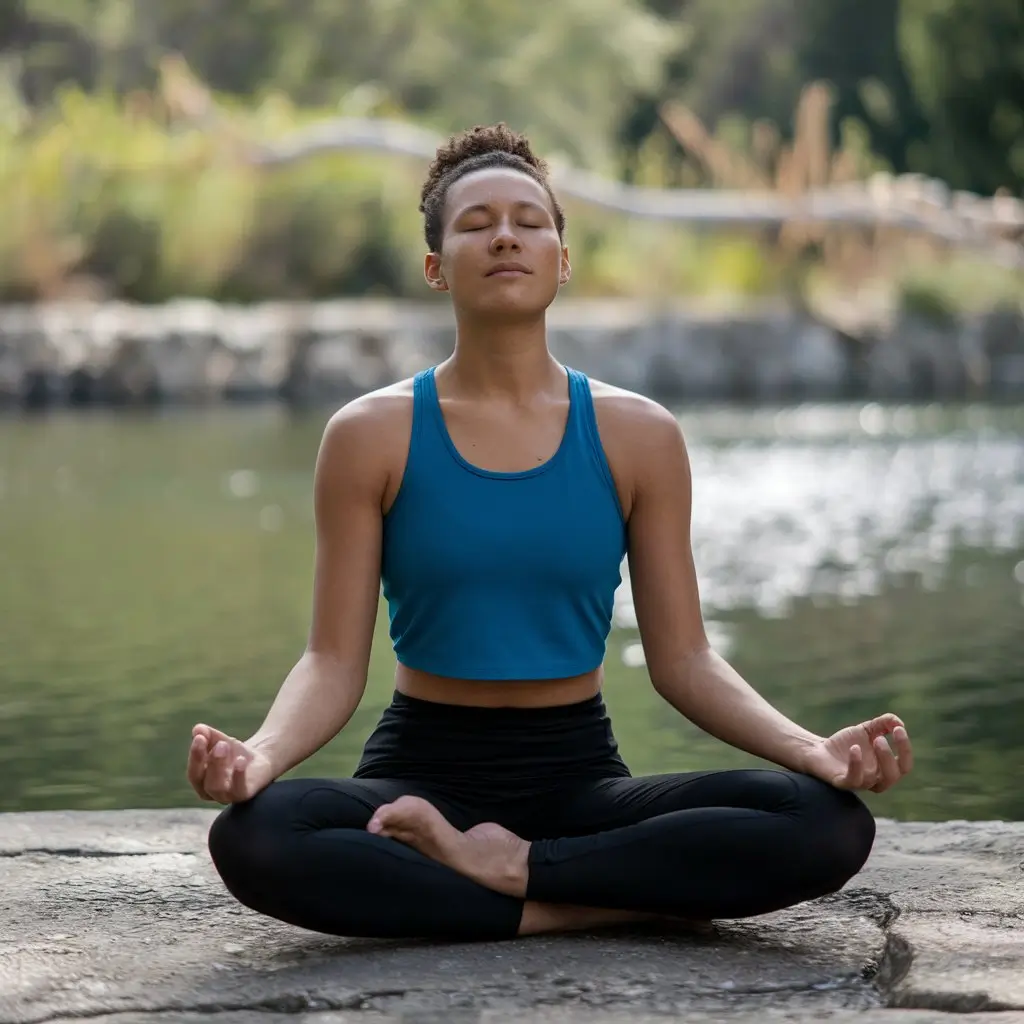
Trauma Release Strategies to Transform Your Healing Journey

​People commonly find emotional recovery to be a complicated path requiring strong determination and flexibility together with appropriate methods. Many people start by learning how emotional trauma shows itself in daily existence while it impacts their mental and physical state. Multiple treatment options specifically developed to treat deep-rooted issues exist as helpful trauma release systems. Several trauma therapy approaches enable people to develop healing paths which integrate knowledge of their pain while practicing methods for its actual release. All therapeutic methods share the common objective of turning devastating trauma into strength and power that empowers victims. The following discussion leads into the transformative methods for emotional trauma release which restructure your healing path.

Understanding Trauma and Its Impact on Mental Health

Trauma is an emotional response to a distressing event, and it can have profound effects on mental health. It’s a complex experience that can stem from various situations, such as accidents, natural disasters, or personal incidents like assault or loss. The aftermath often manifests as anxiety, depression, and post-traumatic stress disorder (PTSD). Individuals may grapple with feelings of helplessness, intense fear, or constant reliving of the traumatic event, making it essential to understand and address these reactions to support recovery.

The Role of PTSD Trauma Release in Healing

PTSD trauma release becomes a critical part of healing for individuals who have experienced trauma. Many find it beneficial to engage in trauma healing techniques that not only focus on the emotional aftermath but also address the physical responses associated with trauma. The body often holds onto stress in ways that can be challenging to articulate, and recognizing this connection can lead to more effective coping strategies. Therapeutic modalities, including psychotherapy and bodywork, play a significant role in this multidimensional recovery process.

Trauma Release Exercises for Healing

Trauma release exercises have emerged as a practical approach for many seeking to alleviate the lingering effects of trauma. These exercises are grounded in the idea that movements can help in discharging the pent-up energy associated with traumatic experiences. Techniques might include gentle physical movements, breathwork, and mindfulness practices, all aimed at reconnecting the mind and body in a nurturing manner. By fostering this connection, individuals can promote healing and resilience, enabling them to reclaim their sense of safety and control.

Exploring Different Trauma Release Techniques

Trauma release therapy has emerged as a vital element in the broader landscape of mental health treatment, providing a pathway for individuals seeking to heal emotional wounds. Many people carry scars from past traumas, whether they stem from personal experiences, relationships, or significant life events. The impact of these traumas can manifest in various ways, including anxiety, depression, or persistent feelings of emotional pain. As awareness around the importance of mental health continues to grow, so does the recognition of the need for effective trauma recovery techniques.

Body-Based Approaches for Trauma Release

One promising approach within trauma release therapy is the use of body-based techniques, such as Somatic Experiencing or Trauma-Informed Yoga. These methods focus on the connection between the mind and body, suggesting that emotional pain often resides in physical sensations. By learning to tune into the body and releasing pent-up tension, individuals can begin to disentangle their emotions from physical manifestations. Techniques like breath work and mindful movement help facilitate this process, allowing for the safe expression of buried feelings and promoting overall well-being.

Verbal Therapies and Trauma Release

Additionally, talking therapies, such as Eye Movement Desensitization and Reprocessing (EMDR) and Narrative Therapy, have proven effective in facilitating trauma recovery. These methods provide a safe environment for individuals to process their experiences verbally, with the guidance of a trained therapist. By articulating their stories, individuals can reframe their trauma narratives, ultimately gaining a sense of control and empowerment over their experiences. Integrating these verbal and non-verbal techniques can create a holistic approach to healing, addressing both the emotional and psychological aspects of trauma.

Step-by-Step Guide to Implementing Trauma Release Strategies

Implementing trauma release strategies can be a transformative journey toward healing and emotional well-being. To begin, it’s essential to create a safe and supportive environment where you can explore your emotions without judgment. This space allows you to confront personal experiences that may have resulted in trauma or emotional pain. Engaging in mindful practices, such as deep breathing or meditation, can help you ground yourself and cultivate awareness of your thoughts and feelings. By establishing this foundation, you are better equipped to begin the process of releasing emotional pain and embracing a more centered existence.

Integrating Therapeutic Techniques for Trauma Release

Next, you might consider integrating various therapeutic techniques that focus on trauma release. Expressive arts therapy, for example, encourages individuals to use creative outlets like painting or writing to process their emotions. This process can be particularly cathartic, allowing you to visualize and externalize feelings that may have previously been held within. Additionally, somatic experiencing techniques promote awareness of bodily sensations, helping you recognize areas where trauma may be stored physically. By tapping into both your mind and body, you can create a holistic approach to healing that addresses emotional pain on multiple levels.

Seeking Connection and Support for Trauma Release

Another important aspect of trauma release is seeking connection with others who understand your journey. Support groups or therapy sessions can provide a space for sharing experiences and gaining insights from those who have navigated similar struggles. Building a community fosters empathy and understanding, and it can significantly enhance the healing process. Remember that release doesn’t happen overnight; it takes time and patience to work through deeply rooted emotions. Celebrate small victories, and don’t hesitate to seek professional guidance when needed, as trained therapists can offer valuable tools and resources tailored to your needs.

“Trauma may have shaped you, but it does not define you. Your journey of healing is where your power lies.”

The Importance of Seeking Professional Help for Trauma Healing

Experiencing trauma can leave deep emotional and psychological scars that impact an individual’s daily life, relationships, and overall well-being. While some may rely on their coping mechanisms to navigate the aftermath, seeking professional help is crucial for effective trauma healing. Mental health professionals are equipped with the skills and knowledge needed to guide individuals through the complex process of trauma release, helping them to understand and confront their experiences in a supportive environment. This specialized support not only fosters healing but also empowers individuals to reclaim their lives with newfound strength.

Tailoring Treatment Plans for Trauma Release

Professional therapy can take various forms, including cognitive-behavioural therapy, art therapy, and EMDR (Eye Movement Desensitization and Reprocessing), all designed to address and process traumatic memories. By engaging in treatment, individuals can learn healthy coping strategies that allow them to face their trauma rather than avoid it. The therapeutic relationship also provides a safe space to express emotions associated with fear, anger, or sadness, validating feelings that may have been suppressed over time. This validation is essential in the trauma-release process, enabling clients to acknowledge their experiences without judgment.

Personalized Approach to Trauma Release with Professionals

Moreover, the journey of trauma healing is often complex and deeply personal, meaning that there is no one-size-fits-all approach. A trained therapist can tailor treatment plans to meet the unique needs of each individual, taking into account their background, type of trauma experienced, and personal goals for recovery. This personalized approach not only enhances the effectiveness of the healing process but also fosters a sense of trust and safety, encouraging individuals to engage in their recovery journey fully. Seeking help from a professional can introduce methods and tools that clients may not have accessed on their own, making it a pivotal step toward healing.

Mindfulness Practices for Trauma Release and Healing

In recent years, mindfulness practices have emerged as powerful tools for trauma release and healing. Deeply rooted in ancient traditions, these techniques encourage individuals to anchor their awareness in the present moment, fostering a sense of calm and clarity. Through meditation, breathwork, and body scans, individuals can gently navigate the complex landscape of their emotions and experiences. This mindful awareness allows for a safe exploration of trauma, creating space for acknowledgement and acceptance rather than avoidance or suppression.

Reconnecting the Mind and Body Through Mindfulness

One of the most impactful benefits of mindfulness is its ability to help individuals reconnect with their bodies. Traumatic experiences can lead to disconnection, manifesting as physical tension or a sense of numbness. Mindfulness practices promote somatic awareness, allowing individuals to tune into their bodily sensations without judgment. By observing physical discomfort or emotional triggers with curiosity and compassion, individuals can begin to release stored trauma. This release not only alleviates physical tension but also fosters emotional resilience, empowering individuals to process their experiences in a healthier way.

Enhancing Trauma Release with Nature and Yoga

Incorporating elements such as nature walks, yoga, or guided visualization into mindfulness routines can further enhance trauma release. These practices offer opportunities to engage the senses, grounding individuals in their surroundings while simultaneously inviting them to explore internal landscapes. As one develops a consistent mindfulness practice, the initial discomfort associated with confronting trauma can shift to a more manageable and constructive engagement. Over time, this gradual exposure helps to dismantle the overwhelming feelings of fear and anxiety often linked to trauma.

Yoga and Movement Therapies as Tools for Trauma Release

In recent years, there has been a growing recognition of the significant role that yoga and movement therapies can play in the process of trauma release. These practices are not merely physical exercises; they encompass a holistic approach that engages the body, mind, and spirit. Trauma can manifest in various forms, often leaving individuals feeling trapped within their own bodies. Yoga and movement therapies offer a pathway to reconnect with oneself, allowing for a gentle exploration of the body’s sensations and feelings without the pressure of verbalization. This mindful movement encourages individuals to access and release stored tensions, fostering an environment where healing can begin.

Using Breath and Movement for Trauma Release

One of the fundamental principles of yoga is its focus on breath, or prana, which is an essential element in promoting relaxation and reducing stress. When we experience trauma, our breathing often becomes shallow or irregular, signaling to our bodies a state of alertness or anxiety. Engaging in yoga can help to restore a natural breath pattern, enabling the release of pent-up emotions and facilitating a deeper understanding of how trauma has affected the body. The intricate movements and postures not only enhance physical flexibility but also encourage emotional resilience, allowing practitioners to confront and integrate their experiences in a safe and supportive manner.

Dance and Somatic Movement for Trauma Release

Movement therapies, such as dance or somatic experiencing, complement the principles of yoga, offering additional avenues for trauma release. These therapies emphasize the importance of conscious movement in processing trauma, emphasizing the body’s intelligence in finding ways to express what remains unspoken. By allowing individuals to move freely, they can access buried emotions, facilitating a release that might have felt unattainable through traditional talk therapies. This kinetic exploration can be transformational, fostering a reconnection to the body that feels empowering and liberating.

“The wound is the place where the Light enters you.”

Rumi

Art Therapy and Creative Expression in Trauma Healing

Art therapy and creative expression offer powerful tools for trauma healing. These approaches provide an alternative to traditional talk therapy, allowing individuals to process their experiences. Through visual arts, music, dance, and other creative outlets, participants can explore their feelings non-verbally. This method helps them engage with trauma in a safe environment, promoting self-discovery and emotional release.

Art as Trauma Release

Creating art can help release trauma. By externalizing pain, fear, and anxiety, participants transform abstract feelings into tangible creations. This process fosters emotional healing and reconnects them with their creative selves. Engaging in artistic activities gives a sense of control, which was lost during traumatic events. This contributes to resilience and personal strength.

Building Community and Connection Through Art

Art therapy fosters a sense of community. In group sessions, individuals can share their creations and stories. This encourages understanding and reduces isolation. Art therapy also enhances mindfulness, focusing participants on the present moment. This creates a therapeutic distraction from distressing thoughts.

The Holistic Power of Art Therapy

Integrating art therapy into trauma healing is a holistic approach. It allows individuals to communicate their narratives through art, leading to emotional growth. Art therapy not only helps release trauma but also provides coping mechanisms. As awareness of its benefits grows, it becomes a vital resource for both therapists and clients in trauma healing.

Building Resilience Through Trauma Release Exercises

Building resilience is essential for personal growth. Trauma release exercises help individuals process and release emotional and physical trauma. These exercises include gentle movements, breathwork, and mindfulness. Engaging in these practices empowers individuals to regain safety and control.

Addressing Physical and Emotional Manifestations of Trauma

Trauma often manifests physically as tension, emotional distress, or chronic pain. Trauma release exercises address these manifestations by reconnecting individuals with their bodies. Engaging in these activities alleviates symptoms and builds resilience. This teaches individuals to respond to stress with greater awareness.

Incorporating Trauma Release Exercises into Daily Life

Incorporating trauma release exercises into daily routines helps maintain emotional balance. These practices create a safe space to explore emotions without judgment. Activities like yoga, dance, and stretching promote trauma release and emotional clarity. Over time, individuals become more equipped to handle challenges.

The Ongoing Journey of Resilience

Building resilience through trauma release is an ongoing journey. It encourages individuals to engage with their experiences meaningfully. Understanding the mind-body connection fosters greater empowerment. This transformation enhances personal resilience and strengthens connections with others.

Integrating Self-Care Practices into Your Trauma Healing Journey

Self-care practices are essential in trauma healing. They allow individuals to reconnect with their bodies and emotions, fostering resilience. By prioritizing self-care, people create space for trauma release, enhancing overall healing and empowering control over their lives.

Mindfulness and Connection in Self-Care

Self-care can take many forms. Mindfulness practices like meditation and yoga ground individuals in the present. Open communication and community support nurture relationships. Self-compassion is vital for allowing time and space for healing.

Physical and Creative Self-Care

Physical activity and creative outlets are vital for trauma release. Movement, such as dance or hiking, releases pent-up emotions. Creative activities like painting, writing, and music offer catharsis. Exploring different self-care avenues helps individuals find what contributes to their healing.

The Power of Self-Care in Healing

The trauma healing journey is deeply personal. Integrating self-care practices creates lasting change. By treating yourself with kindness, you lay the foundation for recovery. Acknowledging your needs empowers you to reclaim your narrative. Embrace this process to cultivate resilience and discover your inner strength.

Nurturing Empowerment and Growth After Trauma through Release Techniques

Trauma recovery is a personal journey. It often involves emotional challenges that leave individuals feeling stuck. Nurturing empowerment and growth is essential in overcoming these struggles. Trauma-release techniques can help individuals process their experiences and foster resilience.

Trauma Release Techniques for Empowerment

Techniques like breathwork, mindfulness meditation, and somatic experiencing help individuals reconnect with their bodies. These practices promote safety and control. By navigating their feelings and physical sensations, individuals uncover strength and insight. This empowerment helps transform trauma into a catalyst for growth.

The Path to Reclaiming Your Life

As individuals release trauma, the path to empowerment becomes clearer. They begin to recognize their capacity for change. Supportive communities can enhance this process, offering validation and reassurance. Social networks help people understand they do not face challenges by themselves.

Rediscovering Strength and Purpose

Nurturing empowerment after trauma involves rediscovering oneself. Embracing vulnerability reveals hidden strength. Trauma-release techniques allow space for healing, inviting hope and resilience into life. This process fosters a renewed sense of purpose and empowerment.

Summary:

Art therapy provides a healing power together with creative expression and trauma release methods that help individuals recover from trauma. Clients who utilize art therapy practice a non-verbal type of therapy through creative activities such as painting and music as well as dance. Human creativity enables individuals to release emotions which leads to empowerment along with resilience development and personal transformation. The practice of group art therapy helps members of shared trauma backgrounds to bond through solidarity thus minimizing feelings of being isolated.

Gentle movement together with breathwork and mindfulness practices form trauma release exercises that assist trauma victims in processing emotional along with physical trauma manifestations. Head and body exercises focus on addressing physiological trauma symptoms which aid bodily restoration of control and safety. The implementation of self-care practices which include meditation and yoga helps patients in their healing process through mindfulness practices and anxiety relief. When people experience trauma release methods they become less vulnerable to later trauma because these practices enhance emotional well-being and develop resilience which helps them regain control of their lives throughout recovery.

People who engage in these methods will succeed in their trauma recovery experience by addressing both physical and emotional needs to develop their power and expand their health and mental wellness.

“Healing takes time, and asking for help is a courageous step.”

Mariska Hargitay