
Social Media: Feeling Behind and the Illusion of Progress

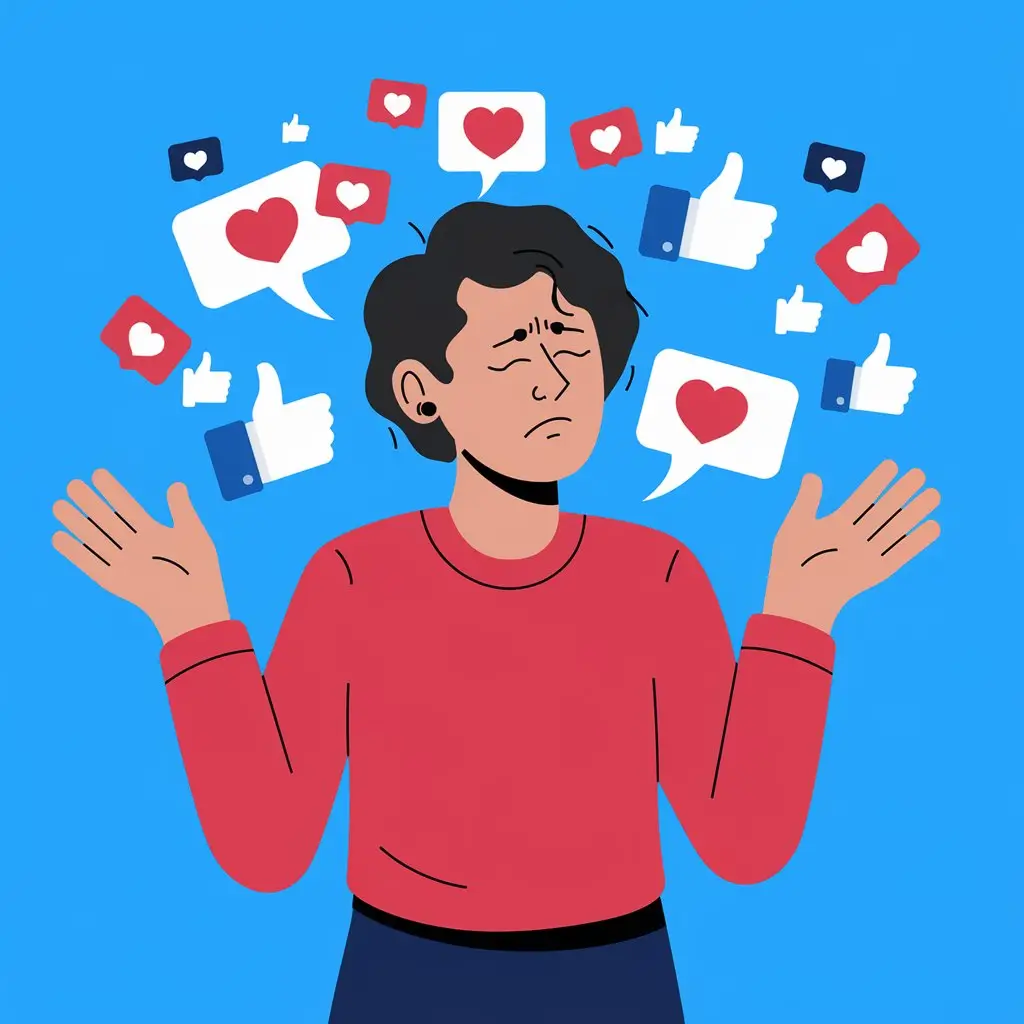
A person surrounded by floating social media icons (like hearts, thumbs up, etc.), looking overwhelmed. This represents the pressure and anxiety that come from constant comparisons to others.

In a world where our lives are just a tap away, social media has woven itself into the fabric of our daily existence. It shapes our connections, colors our conversations, and plays a pivotal role in how we see ourselves. But beneath the surface of likes and shares lies a more insidious reality: a breeding ground for unrealistic expectations. This article dives into the paradox of social media, how it fuels relentless comparisons, curates picture-perfect lives, and distorts our understanding of success, leaving many feeling stuck and inadequate on their own unique journeys. Join us as we unravel the impact of this digital landscape on our self-perception and well-being.

The Role of Social Media in Shaping Self-Perception

Social media platforms have transformed the way we communicate, share information, and perceive ourselves. With billions of users worldwide, these platforms are not just tools for connection; they have become powerful influencers of self-identity and self-worth. Understanding how social media shapes self-perception involves examining the mechanisms behind these platforms and the psychological effects they can produce.

Overview of How Social Media Platforms Operate

At the core of social media’s influence is its algorithm-driven architecture. Platforms like Instagram, Facebook, and TikTok use sophisticated algorithms to curate content that users are most likely to engage with. This means that what we see is often tailored to our interests, but it also skews our understanding of reality. The content that gains traction typically highlights success, beauty, and happiness, reinforcing a narrow definition of what is considered desirable or valuable.

This algorithmic curation creates a feedback loop wherein users are more likely to engage with content that aligns with popular trends or ideals. As a result, individuals may find themselves repeatedly exposed to images of perfection, be it in lifestyle, appearance, or achievements, leading to a warped sense of what constitutes a ‘normal’ life.

The Psychological Impact of Constant Exposure

The psychological ramifications of this constant exposure to curated content can be significant. When users scroll through their feeds, they often encounter a barrage of idealized lifestyles that can lead to feelings of inadequacy. Research has shown that frequent exposure to such content can heighten feelings of loneliness, anxiety, and depression. Comparisons become inevitable, and many individuals start to feel that they are falling short in their personal or professional lives.

Moreover, the phenomenon of “social comparison theory” plays a crucial role here.
Every person evaluates their social and personal value through comparisons to other individuals according to this theory. In a digital landscape filled with curated highlights, users may find themselves in a constant state of evaluation, leading to a diminished sense of self-worth.

The Disconnect Between Online Portrayals and Real-Life Experiences

The curated nature of social media also fosters a disconnect between online portrayals and real life. Users often share only their best moments, which can create a misleading narrative about what life is truly like. This selective sharing can result in a false sense of reality, where followers are led to believe that their peers are living perfect lives, free from struggles and setbacks.

This disconnect can be particularly damaging for younger audiences, who are still developing their identities and self-concepts. When they see peers or influencers enjoying seemingly effortless success, it can lead to feelings of inadequacy and a belief that they, too, should be achieving similar milestones. This pressure can stifle authentic self-expression, as individuals may feel compelled to conform to the standards they see online.

The Role of Feedback Mechanisms

Social media platforms also employ feedback mechanisms, such as likes, comments, and shares, which further influence users’ self-perception. The pursuit of validation through these metrics can lead individuals to tie their self-worth to their online presence. A post that receives a high number of likes may boost confidence temporarily, while a lack of engagement can lead to feelings of rejection or inadequacy.

This reliance on external validation can be particularly harmful, as it encourages users to seek approval from their peers rather than cultivating intrinsic self-worth. Over time, this can create a cycle where individuals become increasingly dependent on social media for validation, further distorting their self-perception. 

Unrealistic Expectations Created by Social Media

The Phenomenon of “Highlight Reels”

One of the most significant aspects of social media is the prevalence of “highlight reels.” Users typically share only the most exciting, glamorous, or successful moments of their lives, creating a polished narrative that often omits the everyday struggles and challenges faced behind the scenes. This selective sharing leads to an unrealistic portrayal of life, where followers may feel as though everyone else is living a perfect existence.

For instance, a user may post a stunning vacation photo, showcasing a beautiful beach sunset, while neglecting to mention the stressful travel experience or the effort it took to get there. These highlights can create a skewed perception of reality, leading individuals to believe that they should also be experiencing constant joy and success. The result is a culture where people feel pressured to present their own lives in a similarly idealized manner, often at the expense of authenticity.

A split image showing a glamorous social media post on one side and a more realistic, everyday scene on the other. This visual highlights the disparity between curated online content and real life.

The Impact of Influencers and Celebrities

Influencers and celebrities play a crucial role in perpetuating unrealistic expectations on social media. Often, they are seen as aspirational figures, embodying the ideals of beauty, success, and lifestyle that many people aspire to achieve. However, the curated lives they present are frequently enhanced by professional styling, editing, and sponsorships, creating an illusion that is far from reality.

The influence of these figures can be particularly pronounced among younger audiences, who may look to them as role models. When these individuals consistently showcase flawless appearances, luxurious lifestyles, and seemingly effortless achievements, it can set a benchmark that feels unattainable. This pressure to emulate such standards can lead to feelings of inadequacy, as followers may feel that they are not measuring up to the ideals presented by those they admire.

Moreover, the marketing strategies employed by influencers often blur the lines between authenticity and promotion. Sponsored posts may not be clearly labeled as such, leading followers to believe that the lifestyles being portrayed are genuine and relatable. This lack of transparency can further contribute to unrealistic expectations, as individuals may assume that achieving a similar lifestyle is feasible without recognizing the behind-the-scenes efforts and privileges that often accompany it.

The Role of Filters and Editing

The use of filters, editing apps, and Photoshop has become commonplace in social media content creation. These tools allow users to enhance their images, smoothing skin, whitening teeth, and altering body shapes to conform to societal beauty standards. While these enhancements can be fun and creative, they contribute to a culture where unrealistic beauty standards are normalized.

As a result, individuals may begin to internalize these altered images as the standard of beauty, leading to dissatisfaction with their own appearances. This can result in a range of negative outcomes, including body image issues, eating disorders, and a general sense of self-loathing. The pressure to look a certain way can also lead to harmful behaviors, such as excessive dieting or cosmetic procedures, as individuals strive to meet the ideals set forth by social media.

The Psychological Implications of Unrealistic Expectations

The cumulative effect of these unrealistic expectations can be psychologically damaging. Individuals may develop a chronic sense of dissatisfaction with their lives, feeling as though they are perpetually falling short of the standards set by their peers and influencers. This can lead to anxiety, depression, and a host of other mental health issues.

Moreover, the constant pursuit of an idealized lifestyle can create a cycle of overachievement and burnout. Individuals may push themselves to the limit, trying to keep up with the perceptions of success they see online, only to find themselves exhausted and unfulfilled. This cycle can lead to a disconnection from one’s true self and values, as the pursuit of external validation takes precedence over genuine personal growth and fulfillment.

Feelings of Stagnation and Inadequacy

The Psychological Effects of Comparison

The act of comparing oneself to others is a natural human tendency, but social media amplifies this behavior to an unhealthy extent. When individuals scroll through their feeds, they are bombarded with images and narratives that highlight the accomplishments of peers, influencers, and celebrities. This constant exposure can lead to a distorted perspective on one’s own life, making it difficult to appreciate personal achievements.

Psychological research supports the notion that social comparison can significantly impact self-esteem. When individuals evaluate their lives against the seemingly perfect lives of others, they may start to feel inadequate, believing that they are not living up to societal expectations. This can lead to a pervasive sense of inferiority, as they internalize the idea that their worth is contingent on their ability to meet these external benchmarks of success.

The Cycle of Feeling Left Behind

The cycle of feeling left behind becomes a self-perpetuating loop. As individuals witness their peers achieving milestones, be it career advancements, relationship successes, or personal accomplishments, they may experience envy or frustration. This emotional response can trigger a sense of urgency to catch up, leading to increased pressure to achieve similar results.

However, this pressure often backfires. Instead of motivating individuals to take positive action, it can result in paralysis or burnout. The fear of falling short can become so overwhelming that individuals may avoid setting goals altogether, leading to a stagnation that reinforces feelings of inadequacy. In this way, the very act of comparing oneself to others can create a barrier to personal progress, as individuals wrestle with self-doubt and anxiety.

The Impact on Mental Health: Anxiety and Depression

The psychological toll of feeling stagnant and inadequate can manifest in various mental health challenges, including anxiety and depression. As individuals grapple with their perceived failures, they may develop feelings of hopelessness, leading to a decline in overall well-being. The constant cycle of comparison can create a toxic environment where individuals feel trapped in their own lives, unable to break free from the weight of their insecurities.

Research has shown that high levels of social media use are correlated with increased rates of anxiety and depression. This connection is particularly concerning among younger populations, who are still developing their identities and coping mechanisms. The pressure to conform to unrealistic expectations can exacerbate feelings of isolation and loneliness, further compounding mental health issues.

The Role of Social Media in Perpetuating Stagnation

Social media can also contribute to a sense of stagnation by fostering a culture of instant gratification. The immediacy of likes, shares, and comments can create an illusion of progress, reinforcing the idea that success is easily attainable. However, this short-term validation can lead to long-term dissatisfaction, as individuals may find themselves chasing fleeting moments of approval rather than engaging in meaningful personal growth.

Additionally, the emphasis on appearance and lifestyle over substance can lead individuals to prioritize superficial achievements, such as gaining followers or likes, rather than pursuing deeper, more fulfilling goals. This focus on external metrics can create a disconnect from personal values and aspirations, leaving individuals feeling unfulfilled and stagnant.

A person sitting alone, scrolling through social media on their phone, with a look of contemplation or concern on their face. This illustrates the impact of social media on self-perception.

Strategies for Overcoming Feelings of Stagnation and Inadequacy

To combat feelings of stagnation and inadequacy, individuals can adopt several strategies:

  1. Practicing Self-Compassion: Learning to treat oneself with kindness and understanding can help mitigate feelings of inadequacy. Recognizing that everyone has struggles and that it’s okay to not be perfect can foster a healthier self-image.
  2. Setting Personal Goals: Rather than measuring success against the achievements of others, individuals can focus on setting personal, achievable goals that align with their values and aspirations. Celebrating small victories can help build momentum and counter feelings of stagnation.
  3. Limiting Social Media Use: Reducing time spent on social media can help alleviate the constant pressure to compare oneself to others. Engaging in offline activities, such as hobbies or spending time with loved ones, can provide a sense of fulfillment that isn’t tied to online validation.
  4. Seeking Professional Support: For those struggling with persistent feelings of inadequacy, reaching out to a mental health professional can provide valuable tools and insights for coping with these emotions.

Strategies for Mitigating Negative Effects

Mindful Consumption of Social Media

  1. Setting Limits on Usage: One of the most effective ways to reduce the negative impact of social media is to set clear boundaries around usage. Individuals can establish specific times for social media engagement, limiting their exposure to curated content. For instance, using apps that track and limit screen time can help encourage healthier habits. By reducing overall consumption, individuals can decrease the likelihood of encountering triggering content that fosters feelings of inadequacy.
  2. Curating Feeds: Another important aspect of mindful consumption is the intentional curation of social media feeds. Users can unfollow accounts that promote unrealistic standards or evoke negative feelings and instead follow those that inspire positivity and authenticity. Engaging with content that reflects diverse experiences can provide a more balanced perspective, making it easier to appreciate one’s own journey.
  3. Practicing Digital Detoxes: Taking regular breaks from social media can provide a much-needed respite from the pressures of comparison. Whether it’s a day, a weekend, or even longer, a digital detox allows individuals to reconnect with themselves and their immediate surroundings. During this time, focusing on hobbies, spending time with loved ones, or engaging in self-care activities can promote mental well-being.

Fostering Self-Compassion

  1. Recognizing Personal Achievements: Practicing self-compassion involves acknowledging one’s own accomplishments, regardless of how small they may seem. Keeping a journal to document daily successes and moments of gratitude can help individuals shift their focus from what they perceive as failures to what they have achieved. This practice encourages a mindset of appreciation and reinforces the idea that personal growth is a journey, not a race.
  2. Engaging in Positive Self-Talk: The narratives we tell ourselves play a crucial role in shaping self-perception. Engaging in positive self-talk, affirming one’s worth and capabilities, can counteract feelings of inadequacy. Instead of criticizing oneself for not measuring up to others, individuals can remind themselves of their unique qualities and strengths. Techniques such as affirmations or visualization exercises can be helpful in cultivating a more compassionate self-view.
  3. Practicing Mindfulness: Mindfulness practices, such as meditation or deep breathing exercises, can help individuals stay grounded in the present moment and reduce anxiety related to comparisons. Mindfulness encourages a non-judgmental awareness of thoughts and feelings, allowing individuals to observe their self-perception without becoming overwhelmed by negative emotions. Regular mindfulness practice can foster a greater sense of acceptance and peace.

Building a Support Network

  1. Connecting with Friends and Family: Building strong, supportive relationships is vital for cultivating a sense of belonging and self-worth. Individuals can reach out to friends and family members who uplift and encourage them, sharing experiences and feelings openly. This support network can provide reassurance and perspective, reminding individuals that they are not alone in their struggles.
  2. Joining Community Groups: Engaging in community groups or clubs that align with personal interests can provide opportunities for connection and support. Whether it’s a book club, sports team, or hobby group, these interactions can foster a sense of belonging and help individuals focus on shared experiences rather than comparisons with others online.
  3. Seeking Professional Help: For individuals struggling with persistent feelings of inadequacy or mental health issues, seeking support from a mental health professional can be invaluable. Therapists and counselors can provide coping strategies, tools for self-reflection, and a safe space to explore emotions. Professional guidance can help individuals develop healthier perspectives and navigate the challenges posed by social media.

Emphasizing Personal Growth and Goal Setting

  1. Setting Personal Goals: Instead of measuring success against the achievements of others, individuals can focus on setting personal, achievable goals that align with their values. Whether these goals are related to career, relationships, or personal development, breaking them down into smaller, manageable steps can promote a sense of progress and accomplishment.
  2. Celebrating Small Victories: Acknowledging and celebrating small milestones along the way can help build momentum and reinforce a positive self-image. Individuals can create a reward system for themselves, treating themselves to something special when they achieve a goal or complete a task. This practice encourages a focus on progress rather than perfection.
  3. Engaging in Lifelong Learning: Embracing a mindset of lifelong learning can also combat feelings of stagnation. Pursuing new skills, hobbies, or educational opportunities can help individuals feel more engaged and fulfilled. This focus on personal development fosters a sense of purpose and can shift the emphasis away from external comparisons.

Conclusion

In conclusion, social media profoundly impacts self-perception, often creating an illusion of progress that can lead to feelings of stagnation and inadequacy. By understanding the dynamics of social media and its effects, individuals can cultivate a healthier relationship with these platforms. Emphasizing personal growth and self-acceptance is vital to navigating the complexities of the digital age. Ultimately, focusing on one’s unique journey can empower individuals to embrace their progress, free from the constraints of comparison.


Confidence vs. Arrogance: Tips for Building Healthy Confidence

A side-by-side comparison of two individuals engaged in a conversation. One person appears open and relaxed, showing confidence, while the other looks closed off or dismissive, representing arrogance.

In today’s fast-paced world, the concepts of confidence and arrogance often become intertwined, leading to confusion about what it truly means to have self-assurance. While confidence is a vital trait that can enhance our lives and relationships, arrogance can lead to isolation and missed opportunities. Understanding the difference between these two traits is crucial for personal development and healthy interactions. This article aims to differentiate between genuine self-confidence and arrogance, encouraging readers to cultivate authentic self-assurance while remaining humble and open to feedback.

Understanding Confidence

Genuine self-confidence is not merely a facade; it is a deep-seated belief in one’s abilities and worth. Understanding its key characteristics can help individuals recognize and cultivate this essential trait.

  1. Self-Awareness:
    Self-awareness is the cornerstone of confidence. Confident individuals possess a clear understanding of their strengths, weaknesses, values, and beliefs. This awareness enables them to set realistic goals and make informed decisions. By regularly reflecting on their experiences and emotions, self-aware individuals can recognize areas for improvement without diminishing their self-worth. This balanced perspective allows them to embrace challenges and learn from failures as part of their growth journey.
  2. Positive Self-Image:
    A positive self-image is crucial for true confidence. This does not mean ignoring imperfections or flaws; rather, it involves accepting oneself fully while recognizing one’s potential. Confident individuals focus on their unique qualities and achievements instead of comparing themselves unfavorably to others. They celebrate their individuality and understand that everyone has different strengths and weaknesses. This self-acceptance leads to greater resilience, as they are less likely to be shaken by criticism or setbacks.
  3. Ability to Take Risks:
    Confident people choose to move beyond their familiar boundaries. Those who are genuinely confident view challenges as opportunities for growth rather than threats. They are willing to take calculated risks, understanding that failure is often a stepping stone to success. This willingness to embrace uncertainty fosters creativity and innovation, allowing them to explore new ideas and experiences. By taking risks, confident individuals expand their skill sets and develop a broader perspective on life.
  4. Resilience in the Face of Adversity:
    A person’s resilience levels depend directly on their self-confidence. People with confidence demonstrate better capability to tackle challenges that stand in their way. People with resilience understand that problems are momentary in nature while keeping an optimistic frame of mind during hard times. People who demonstrate resilience do so because they have faith in their capabilities while they persist toward personal advancement. Instead of succumbing to despair, they analyze situations, learn from their experiences, and adapt their strategies accordingly. This mindset not only helps them overcome difficulties but also inspires others around them.
  5. Empathy and Connection:
    Genuine self-confidence often goes hand in hand with empathy. Those who maintain confidence establish emotional relationships with others. They understand that everyone struggles and that vulnerability is a part of the human experience. This empathy allows them to build meaningful relationships, as they can offer support and encouragement to others. By fostering connections, they create a positive environment where collaboration and mutual respect thrive.

Benefits of Confidence

The advantages of cultivating genuine self-confidence extend beyond personal well-being; they positively impact various aspects of life.

  1. Improved Decision-Making:
    Confident individuals trust their judgment and are more decisive. They analyze situations calmly, weigh their options, and make choices that align with their values and goals. This decisiveness reduces anxiety and promotes a proactive approach to challenges, allowing them to navigate life’s complexities with clarity and purpose.
  2. Enhanced Relationships:
    Confidence fosters healthy relationships built on trust and respect. Confident individuals communicate openly and assertively, expressing their needs and opinions without fear. This openness encourages others to do the same, creating an atmosphere of mutual understanding. As a result, relationships become deeper and more meaningful, marked by genuine connection and support.
  3. Greater Resilience in Challenges:
    Confidence equips individuals with the tools to face adversity head-on. When confronted with challenges, confident individuals are more likely to remain calm and composed, viewing obstacles as opportunities to learn and grow. Their resilience enables them to bounce back from setbacks, maintaining a positive attitude that inspires those around them.
  4. Increased Motivation and Goal Achievement:
    Confidence fuels motivation. When individuals believe in their abilities, they are more likely to set ambitious goals and pursue them persistently. This motivation stems from a desire to prove to themselves that they can achieve success. As they achieve their goals, their confidence grows, creating a positive feedback loop that propels them forward.
  5. Positive Impact on Mental Health:
    Genuine self-confidence contributes to overall mental well-being. Confident individuals are less likely to experience anxiety and self-doubt. They approach challenges with a growth mindset, reducing the fear of failure. This positive outlook fosters resilience and emotional stability, leading to a healthier mental state.

The Role of Self-Reflection in Building Confidence

Self-reflection is a powerful tool for cultivating confidence. By regularly assessing their thoughts, feelings, and behaviors, individuals can identify areas for growth and development. Journaling, meditation, and seeking feedback from trusted friends or mentors can enhance self-awareness and reinforce positive self-perception.

Exploring Arrogance

Arrogance often masquerades as confidence, creating confusion and misunderstandings in personal and professional interactions. Understanding the characteristics and consequences of arrogance is essential for recognizing its impact on relationships and personal growth.

Characteristics of Arrogance

  1. Overestimation of Abilities:
    Arrogant individuals frequently exhibit an inflated sense of self-worth, believing they possess superior skills or knowledge compared to others. This overestimation can lead to unrealistic expectations, both for themselves and for those around them. They may take on tasks beyond their capabilities, resulting in failure and disappointment, yet they often refuse to acknowledge their limitations. This mindset not only hinders personal growth but can also alienate colleagues and friends who may feel overshadowed or undervalued.
  2. Dismissiveness of Others:
    A hallmark of arrogance is the tendency to dismiss or belittle the opinions and contributions of others. Arrogant individuals may interrupt conversations, ignore suggestions, or offer condescending feedback. This behavior stems from a belief that their thoughts and ideas are inherently superior. Such dismissiveness creates an environment where collaboration is stifled, and team members may feel reluctant to share their insights, fearing ridicule or rejection. Over time, this undermines trust and respect within relationships.
  3. Lack of Accountability:
    Arrogance often manifests in a refusal to take responsibility for one’s actions. Arrogant individuals may deflect blame onto others or external circumstances when things go wrong. This lack of accountability stems from a desire to maintain their inflated self-image. Instead of learning from mistakes and seeking ways to improve, they may double down on their beliefs, further entrenching their arrogance. This behavior not only stunts personal development but can also lead to resentment among peers who feel unjustly blamed.
  4. Closed-Mindedness:
    Arrogant individuals typically display a reluctance to consider alternative viewpoints or accept constructive criticism. They may perceive any challenge to their ideas as a personal attack, leading to defensiveness and hostility. This closed-mindedness prevents them from learning and evolving, as they miss out on valuable insights that could enhance their understanding and skills. Over time, this rigidity can lead to stagnation, both personally and professionally.
  5. Superficial Charm:
    While arrogance is often characterized by negative traits, some arrogant individuals may possess a superficial charm that initially draws people in. They may be charismatic and engaging in social settings, using their charm to dominate conversations. However, this charm is often a veneer that hides their underlying arrogance. Once people see through this facade, they may feel manipulated or deceived, leading to disillusionment and a breakdown of relationships.
An individual looking in a mirror, representing self-awareness and genuine confidence. The reflection could show a positive self-image, contrasting with a distorted or exaggerated image representing arrogance.

Consequences of Arrogance

  1. Damaged Relationships:
    The dismissive and condescending behavior associated with arrogance can lead to significant strain in personal and professional relationships. Colleagues may feel disrespected, leading to a breakdown in communication and collaboration. Friends may distance themselves from arrogant individuals, feeling undervalued and frustrated. Over time, these damaged relationships can result in isolation, as arrogant individuals find it increasingly difficult to connect with others.
  2. Missed Opportunities for Growth:
    Arrogance can hinder personal and professional development by closing off avenues for learning. When individuals dismiss feedback or refuse to acknowledge their weaknesses, they miss out on valuable opportunities to improve. This stagnation can lead to a lack of progress in their careers or personal lives, as they fail to adapt to changing circumstances or learn from their experiences.
  3. Isolation from Feedback and Collaboration:
    Arrogant individuals often create an environment where collaboration is stifled. Their dismissive attitude towards others can deter team members from sharing ideas, leading to a lack of innovation and creativity. This isolation can also extend to feedback; when others feel that their contributions will be disregarded, they are less likely to offer constructive criticism. Consequently, arrogant individuals may find themselves surrounded by yes-men, receiving only superficial affirmation rather than honest input.
  4. Negative Impact on Mental Health:
    While arrogance may be perceived as a sign of strength, it often masks underlying insecurities. Arrogant individuals may experience chronic stress and anxiety, stemming from the pressure to maintain their inflated self-image. This internal conflict can lead to feelings of isolation and disconnection, exacerbating mental health issues. Over time, the lack of genuine relationships and the inability to confront personal flaws can contribute to a downward spiral of self-esteem and well-being.
  5. Professional Consequences:
    In the workplace, arrogance can severely impact career advancement. Leaders who display arrogant behavior may struggle to foster effective teams, leading to decreased productivity and morale. Furthermore, their inability to accept feedback may result in poor decision-making and a lack of adaptability in a rapidly changing environment. Over time, this can hinder career progression, as colleagues and superiors may seek to distance themselves from arrogant individuals.

Key Differences Between Confidence and Arrogance

Understanding the key differences between confidence and arrogance is essential for personal growth and fostering healthy relationships. While both traits may appear similar at first glance, their underlying attitudes, behaviors, and impacts on others set them apart.

Attitude Towards Oneself

  1. Self-Perception:
    • Confidence: Confident individuals possess a realistic and balanced view of themselves. They recognize their strengths and accomplishments while also accepting their weaknesses and areas for improvement. This self-awareness allows them to approach challenges with a sense of optimism and resilience.
    • Arrogance: In contrast, arrogant individuals often have an inflated self-perception. They see themselves as superior to others and may downplay their limitations. This skewed view can lead to overconfidence, where they take on challenges beyond their abilities, often resulting in failure.
  2. Response to Failure:
    • Confidence: When faced with setbacks, confident individuals are more likely to reflect on the situation, learn from their mistakes, and adapt their strategies. They view failure as a learning opportunity rather than a reflection of their self-worth.
    • Arrogance: Arrogant individuals often struggle to accept failure. Instead of taking responsibility, they may blame external factors or other people. This avoidance behavior prevents growth and can lead to repeated mistakes.

Attitude Towards Others

  1. Respect and Consideration:
    • Confidence: Confident individuals respect and value the opinions and contributions of others. They engage in active listening and encourage collaboration, recognizing that diverse perspectives can enhance decision-making and creativity.
    • Arrogance: Arrogant individuals often dismiss or belittle the ideas and insights of others. They may interrupt conversations or speak over people, creating an environment where others feel undervalued. This lack of respect can lead to resentment and hinder teamwork.
  2. Encouragement vs. Dismissiveness:
    • Confidence: Confident individuals uplift and encourage those around them. They celebrate the successes of others and offer support, fostering a positive atmosphere that promotes growth and collaboration.
    • Arrogance: Arrogant individuals often exhibit dismissiveness, believing that their opinions are the only ones that matter. This attitude can create a toxic environment where others feel discouraged from sharing their thoughts or contributions.

Openness to Learning and Feedback

  1. Receptiveness to Criticism:
    • Confidence: Confident individuals are open to constructive criticism. They view feedback as an opportunity for improvement and actively seek input from others to refine their skills and approaches. This openness fosters a growth mindset and encourages continuous learning.
    • Arrogance: Arrogant individuals often react defensively to feedback. They may perceive criticism as a personal attack, leading to hostility or withdrawal. This closed-mindedness limits their potential for growth and alienates those who wish to help.
  2. Continuous Improvement:
    • Confidence: Confident individuals prioritize personal development. They regularly assess their skills and seek out opportunities to learn and grow. This commitment to self-improvement enhances their capabilities and expands their horizons.
    • Arrogance: In contrast, arrogant individuals may believe they have nothing left to learn. This complacency can lead to stagnation, as they miss out on valuable opportunities for growth and development. Their unwillingness to evolve can be detrimental to both their personal and professional lives.

Impact on Relationships

  1. Building Trust and Respect:
    • Confidence: Confident individuals naturally build trust and respect in their relationships. Their authenticity and openness encourage others to engage with them genuinely. This trust fosters deeper connections and collaboration, enhancing both personal and professional interactions.
    • Arrogance: Arrogant individuals often struggle to build trust. Their dismissive behavior and inflated self-image can create barriers in relationships. Over time, this erosion of trust can lead to isolation, as others may feel uncomfortable or undervalued in their presence.
  2. Influence on Group Dynamics:
    • Confidence: In group settings, confident individuals often emerge as natural leaders. Their ability to inspire and motivate others fosters a positive team dynamic where everyone feels valued and heard. This collaborative spirit enhances productivity and creativity.
    • Arrogance: Arrogant individuals can disrupt group dynamics. Their tendency to dominate conversations and dismiss others’ contributions can lead to frustration and disengagement among team members. This negative influence can stifle innovation and hinder overall group effectiveness.

Cultivating Healthy Self-Confidence

Building and maintaining healthy self-confidence is a lifelong journey that requires intentional effort and self-reflection. By implementing specific strategies and practices, individuals can nurture their confidence while ensuring it remains grounded in humility and self-awareness. Here are key approaches to cultivating healthy self-confidence.

Strategies for Building Self-Confidence

  1. Setting and Achieving Realistic Goals:
    Setting achievable goals is fundamental to building self-confidence. Start by breaking larger aspirations into smaller, manageable tasks. This approach allows for incremental progress and provides opportunities for celebration along the way. Each small success reinforces a sense of capability and accomplishment. For instance, if your goal is to improve public speaking skills, begin by practicing in front of a mirror, then progress to small group settings before addressing larger audiences.
  2. Practicing Self-Compassion:
    During challenging circumstances, self-compassion requires expressing kindness and understanding to your own self. Acknowledge human imperfection by forgiving yourself following failures as you forgive others for their mistakes. This compassionate approach fosters resilience and helps maintain a positive self-image. Techniques such as mindfulness meditation can enhance self-compassion, allowing you to acknowledge your feelings without judgment and promoting a healthier mental state.
  3. Embracing Vulnerability:
    Embracing vulnerability is a powerful way to build confidence. It involves acknowledging your fears and insecurities and being open about them with trusted individuals. Sharing your struggles can create deeper connections with others and reinforce the idea that vulnerability is a strength, not a weakness. Your willingness to share creates an environment where others will express their support which builds up your self-esteem.
  4. Challenging Negative Self-Talk:
    Internal negative statements often cause major challenges for achieving self-confidence. Take note of the conversations happening inside your mind to deactivate any doubting or critical thoughts. Use this opportunity to create strong positive statements which reflect everything you can do well. You should change your thoughts from “I can’t do this” to “I possess the capabilities necessary for learning along with improvement.” Writing down achievements and positive affirmations in a journal enables you to reference your strengths during difficult situations.
  5. Engaging in Continuous Learning:
    Confidence grows with knowledge and skill development. Embrace a mindset of continuous learning by seeking opportunities to acquire new knowledge and skills. This could include taking courses, attending workshops, or simply reading books related to your interests or profession. The more competent you become in your chosen areas, the more confident you will feel in your abilities. Additionally, this commitment to learning demonstrates humility and a desire for growth, further reinforcing healthy self-confidence.
A side-by-side comparison of two individuals engaged in a conversation. One person appears open and relaxed, showing confidence, while the other looks closed off or dismissive, representing arrogance.

Importance of Humility

  1. Acknowledging Limitations:
    A key aspect of healthy self-confidence is recognizing and accepting your limitations. Understand that no one is perfect and that everyone has areas for improvement. By acknowledging where you may need growth, you can set realistic expectations for yourself and focus on continuous development. This humility allows for a more grounded sense of self-worth, as it is not solely based on achievements but also on the understanding of your journey.
  2. Valuing Others’ Contributions:
    Healthy self-confidence also involves appreciating the strengths and contributions of others. Recognize that everyone has unique talents and perspectives that can enrich your experiences and knowledge. By valuing collaboration and teamwork, you not only foster positive relationships but also create an environment where everyone feels empowered to share their insights. This collaborative spirit enhances your confidence as you engage with diverse viewpoints and ideas.
  3. Seeking Constructive Criticism:
    Individuals must welcome beneficial critiques to develop as people. Actively seek feedback from trusted friends, mentors, or colleagues who can provide honest insights into your strengths and areas for improvement. Approach this feedback with an open mind, viewing it as a tool for growth rather than a personal attack. By embracing constructive criticism, you demonstrate humility and a commitment to self-improvement, which in turn bolsters your confidence.

Building a Supportive Environment

  1. Surrounding Yourself with Positive Influences:
    The people with whom you socialize have a notable effect on your self-confidence. Surround yourself with supportive individuals who uplift and encourage you. Positive influences can help reinforce your self-worth and inspire you to pursue your goals. Engage with friends, mentors, and colleagues who celebrate your successes and provide constructive feedback when needed.
  2. Creating a Safe Space for Growth:
    Foster an environment where you feel safe to express yourself and take risks. Attending supportive communities represented by groups or workshops that promote personal development would be a useful example. In these spaces, you can share experiences, learn from others, and receive encouragement. A safe environment allows you to experiment and grow without fear of judgment, further enhancing your confidence.
  3. Practicing Gratitude:
    Regularly practicing gratitude can significantly boost your self-confidence. Devote daily moments to recognize those aspects which you value about your existence and personal qualities. This practice shifts your focus from what you lack to what you have, reinforcing a positive self-image. Keeping a gratitude journal can serve as a reminder of your achievements, strengths, and the support you receive from others.

Recognizing and Addressing Arrogance

Self-Reflection Exercises to Identify Arrogance

  1. Journaling for Self-Awareness:
    Maintaining a journal proves itself to be a strong instrument for personal introspection. Regularly write about your interactions with others, noting moments where you may have been dismissive, overly critical, or resistant to feedback. Reflect on how these behaviors might have affected your relationships and the overall dynamics in your personal and professional life. Over time, patterns will emerge, allowing you to identify areas where arrogance may be manifesting.
  2. Soliciting Honest Feedback:
    Engage trusted friends, family members, or colleagues in open conversations about your behavior. Ask for their honest opinions regarding your interactions and attitude. Frame the conversation in a way that encourages constructive criticism, making it clear that you are seeking to grow. Open your mind towards listening to their point of view regardless of the uncomfortable nature of the discussion. Their insights can provide valuable clarity on how you may come across to others.
  3. Mindfulness Practices:
    Mindfulness practices, such as meditation or deep breathing exercises, can help increase self-awareness. By cultivating a present-moment focus, you can better observe your thoughts and reactions in real time. This heightened awareness can help you recognize dismissive or arrogant tendencies as they arise, allowing you to address them immediately instead of letting them fester.
  4. Evaluating Responses to Feedback:
    Pay attention to how you respond to feedback, both positive and negative. If you find yourself becoming defensive or dismissive when receiving constructive criticism, this may indicate an arrogant mindset. Acknowledging these reactions is a critical step in addressing arrogance and shifting towards a more open and growth-oriented perspective.

Strategies to Overcome Arrogant Tendencies

  1. Active Listening:
    One of the most effective ways to counteract arrogance is by practicing active listening. Focus on truly hearing what others are saying without formulating a response in your mind while they speak. You should request clarification and display authentic interest about their point of view. This practice fosters respect and appreciation for others’ insights, helping to create a more collaborative environment.
  2. Cultivating Empathy:
    Developing empathy is essential for overcoming arrogance. Make a conscious effort to understand the feelings and viewpoints of others. Put yourself in their shoes and consider how they might perceive your behavior. This practice can lead to greater compassion and reduce the tendency to dismiss others’ contributions. Engaging in empathy-building exercises, such as volunteering or participating in group discussions, can enhance your ability to connect with others on a deeper level.
  3. Practicing Gratitude:
    Regularly expressing gratitude can shift your focus from yourself to the contributions of others. Keep a gratitude journal where you note the positive qualities and efforts of those around you. Acknowledging the value others bring to your life reinforces humility and appreciation, counterbalancing any tendencies toward arrogance. By fostering a mindset of gratitude, you cultivate a greater sense of connection and respect for those around you.
  4. Embracing Humility in Success:
    When you achieve success, take time to reflect on the contributions of others who helped you along the way. Acknowledge your team members, mentors, and anyone else who played a role in your accomplishments. Celebrating collective success fosters a sense of shared achievement and counters any inclination to inflate your self-importance. This practice reinforces the idea that success is often a collaborative effort rather than an individual triumph.
  5. Setting Growth-Oriented Goals:
    Shift your focus from proving your superiority to cultivating your skills and knowledge. Set specific, measurable, achievable, relevant, and time-bound (SMART) goals that emphasize personal development rather than comparison with others. By concentrating on your growth journey, you reduce the tendency to engage in arrogant behaviors and foster a mindset rooted in continuous improvement.
  6. Engaging in Collaborative Activities:
    Participate in team-based projects or community service initiatives that require collaboration and cooperation. Engaging with others in a shared goal helps you appreciate diverse perspectives and skills. This collaborative spirit counters arrogance and reinforces the value of teamwork, enhancing your understanding of the importance of others in achieving collective success.

Building a Support System

  1. Surrounding Yourself with Honest Individuals:
    Create a network of friends, mentors, or colleagues who are willing to provide honest feedback. Engage with people who challenge your perspectives and encourage growth. This support system can help keep you grounded and provide accountability as you work to overcome arrogant tendencies.
  2. Participating in Support Groups or Workshops:
    Consider joining support groups or workshops focused on personal development and emotional intelligence. These environments provide opportunities to explore your behavior in a safe space, interact with others, and receive constructive feedback. Engaging with like-minded individuals can inspire you to cultivate humility and self-awareness.
  3. Seeking Professional Help:
    If you find it challenging to recognize or address your arrogance, consider seeking guidance from a therapist or coach. Professionals can provide tailored strategies and insights to help you navigate your journey toward greater self-awareness and balanced self-confidence. They can also assist in addressing underlying issues that may contribute to arrogant behavior.

Conclusion

Balancing confidence and humility is crucial for personal and professional success. By cultivating genuine self-assurance while remaining open to feedback, individuals can navigate life with a healthy self-perception. Reflect on your own self-image and strive to embrace the confidence that empowers you, while also valuing the perspectives of those around you.

Taming Jealousy: From Green-Eyed Monster to Personal Growth

Jealousy and envy

Jealousy is a complex emotion that many of us experience at some point in our lives. While it can be a natural response to perceived threats, it can also evolve into a toxic habit that affects our relationships and mental well-being. In this article, we will explore the origins of jealousy, its impact on relationships, and strategies to transform jealousy into a source of motivation.

Understanding the Origins of Jealousy

Jealousy is a multifaceted emotion that arises from various psychological and social factors. To fully grasp why we experience it, exploring its origins in more detail is essential. Here are some key components that contribute to the emergence of jealousy:

Insecurity

At the core of jealousy often lies a deep sense of insecurity. This can manifest in several ways:

  • Self-Worth Issues: Individuals who struggle with self-esteem may feel threatened by others who seem more accomplished, attractive, or successful. This comparison can lead to feelings of inadequacy, triggering jealousy as a defense mechanism.
  • Fear of Failure: The fear of not measuring up to societal or personal standards can create an environment where jealousy flourishes. When someone perceives that another person is achieving what they desire, it can exacerbate feelings of inferiority.

Fear of Abandonment

The fear of losing a loved one or being replaced is a significant contributor to jealousy:

  • Attachment Styles: Attachment theory suggests that early relationships with caregivers shape how we connect with others. Individuals with anxious attachment styles are more prone to jealousy, as they often fear rejection and abandonment in adult relationships.
  • Possessiveness: This fear can manifest as possessiveness, where one partner may feel the need to control the other’s interactions, driven by the anxiety of losing them. Such behaviors can stem from past experiences of loss or betrayal.

Social Comparison

In today’s hyper-connected world, social comparison plays a crucial role in the emergence of jealousy:

  • Cultural Narratives: Society often glorifies success, beauty, and wealth, creating unrealistic standards. When individuals measure their worth against these ideals, they may feel envious of others who seem to embody these qualities.
  • Social Media Influence: Platforms like Instagram and Facebook amplify social comparison by showcasing curated versions of people’s lives. Constant exposure to others’ highlights can lead to feelings of inadequacy, prompting jealousy when one perceives their own life as less fulfilling or exciting.

Evolutionary Perspective

From an evolutionary standpoint, jealousy can be viewed as a survival mechanism:

  • Mate Guarding: Evolutionary psychology suggests that jealousy evolved as a way to ensure reproductive success. Individuals may feel jealous to protect their partners from potential rivals, thereby securing their own reproductive advantage.
  • Resource Protection: Jealousy can also arise from a desire to protect personal resources, whether emotional or material. This instinctive behavior has roots in our evolutionary past, where securing resources was vital for survival.

Environmental and Cultural Factors

The environment in which we grow up can significantly shape our propensity for jealousy:

  • Family Dynamics: Childhood experiences, such as favoritism among siblings or parental attention, can influence how we experience jealousy in adulthood. Those who felt overlooked may be more likely to experience jealousy in relationships.
  • Cultural Norms: Different cultures have varying attitudes toward jealousy. In some cultures, jealousy may be viewed as a sign of love and commitment, while in others, it may be seen as a negative trait. These cultural narratives can shape how individuals express and cope with jealousy.

The Impact of Jealousy on Relationships

Jealousy can profoundly affect interpersonal dynamics, often leading to a range of emotional and behavioral consequences. While it can sometimes serve as a signal of care and commitment, unchecked jealousy can spiral into toxic patterns that harm relationships. Here are several key ways jealousy impacts relationships:

Trust Issues

One of the most significant consequences of jealousy is the erosion of trust:

  • Suspicion and Doubt: Jealousy can lead to a pervasive sense of suspicion. Partners may start questioning each other’s intentions, leading to a breakdown in open communication. When one partner feels compelled to constantly reassure the other, it can create a cycle of doubt that undermines trust.
  • Invasion of Privacy: In an attempt to quell their jealousy, individuals may invade their partner’s privacy, checking messages or social media accounts. This behavior can escalate into controlling tactics that further damage trust and create resentment.

Resentment and Emotional Distance

Jealousy can breed resentment, which can create emotional barriers between partners:

  • Feeling Unheard: When jealousy is not addressed, one partner may feel dismissed or invalidated. This can lead to feelings of loneliness and emotional distance, as the jealous partner may focus on their insecurities rather than the relationship.
  • Unresolved Conflicts: If jealousy leads to frequent arguments, it can create an environment where unresolved conflicts fester. Over time, these issues can accumulate, resulting in a significant emotional divide between partners.

Increased Conflict

Jealousy often manifests as conflict within relationships:

  • Escalating Arguments: Jealousy can trigger arguments over seemingly trivial matters. What starts as a minor dispute can escalate into larger confrontations, fueled by underlying insecurities and frustrations.
  • Negative Communication Patterns: Jealousy can lead to negative communication styles, such as criticism, blaming, or stonewalling. These patterns can further exacerbate tensions and create a toxic cycle of conflict.
An image of a person looking into a mirror, with their reflection showing a jealous expression, representing self-reflection on feelings of envy.

Impact on Intimacy

Jealousy can significantly impact physical and emotional intimacy:

  • Withdrawal: A partner who feels constantly jealous may withdraw or become distant, fearing vulnerability. This withdrawal can lead to a lack of emotional connection, making it difficult to maintain intimacy.
  • Performance Anxiety: In some cases, jealousy can create pressure to perform or compete in the relationship, particularly regarding physical attraction or emotional support. This pressure can diminish the natural flow of intimacy and connection.

Influence on Social Dynamics

Jealousy doesn’t only affect the individuals involved; it can also impact social circles:

  • Isolation: Jealous partners may attempt to isolate their significant other from friends or family, driven by fear of perceived threats. This isolation can lead to a lack of support and a diminished social network, further exacerbating feelings of jealousy.
  • Strained Friendships: Friends may feel caught in the middle of a jealous dynamic, leading to awkwardness and tension. This can strain friendships and erode social support systems, making individuals feel even more isolated.

Long-Term Consequences

If left unaddressed, jealousy can have lasting effects on relationships:

  • Dissolution of the Relationship: In extreme cases, persistent jealousy can lead to the breakdown of the relationship. Partners may find it impossible to navigate the emotional turmoil, resulting in separation or divorce.
  • Emotional Scars: The aftermath of jealousy can leave emotional scars on both partners. Trust issues and feelings of inadequacy may linger long after the relationship has ended, affecting future relationships.

Conclusion

Jealousy is a natural emotion that can either strengthen or weaken our relationships, depending on how we handle it. By understanding its origins and recognizing its impact, we can take proactive steps to transform jealousy into a motivating force for personal growth. Embracing self-reflection, setting goals, practicing gratitude, communicating openly, and seeking support can help us navigate this complex emotion and build healthier relationships. Ultimately, the key lies in how we choose to respond to jealousy, turning it from a toxic habit into a transformative experience.