
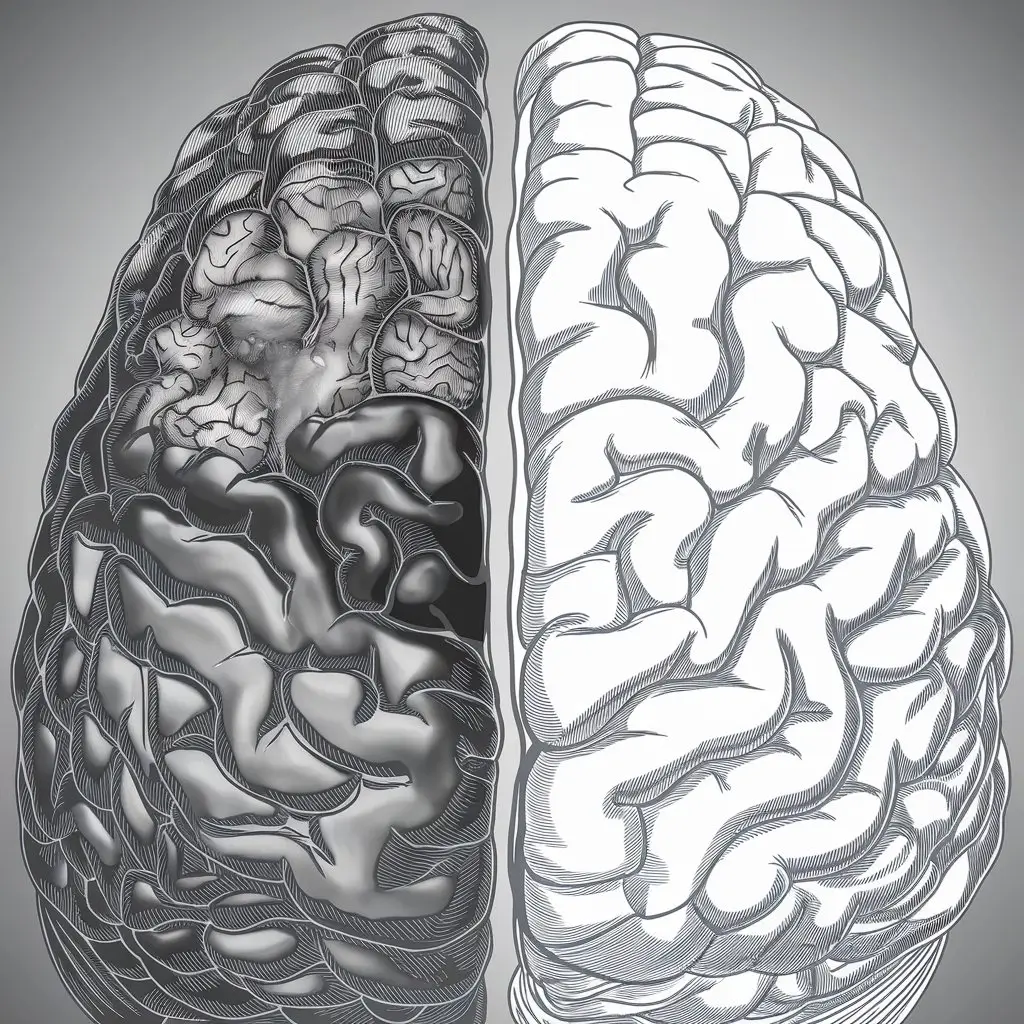
The mental health condition PTSD emerges after someone goes through or observes traumatic situations. Understanding PTSD is crucial, not only for those directly affected but also for families, friends, and society at large. This article aims to explore the nature of PTSD, its symptoms, causes, effects, and available treatment options.
What is PTSD?
PTSD is defined as a mental health disorder that occurs in people who have experienced or witnessed a traumatic event. According to the Diagnostic and Statistical Manual of Mental Disorders (DSM-5), PTSD is characterized by a range of symptoms that can significantly impair daily functioning. Common misconceptions about PTSD include the belief that it only affects military veterans or that it can be easily overcome. In reality, PTSD can arise from various types of trauma, including combat experiences, sexual assault, natural disasters, and accidents.
Symptoms of PTSD
The symptoms of PTSD fall into four primary categories which appear during the manifestation of this condition
Intrusive Thoughts and Memories
One of the hallmark symptoms of PTSD is the presence of intrusive thoughts and memories related to the traumatic event. These can include:
- Flashbacks: Individuals may experience vivid flashbacks that make them feel as though they are reliving the traumatic incident. This can be triggered by certain sights, sounds, or smells reminiscent of the event, leading to intense emotional distress.
- Nightmares: Many people with PTSD suffer from recurrent nightmares that revolve around the trauma or similar themes of fear and danger. These nightmares can disrupt sleep and lead to feelings of anxiety upon waking.
- Intrusive Thoughts: Unwanted and distressing thoughts about the traumatic event can invade daily life, causing significant emotional turmoil. These thoughts can be persistent and difficult to control, leading to heightened anxiety and distress.
Avoidance Behaviors
Individuals with PTSD often engage in avoidance behaviors to cope with the distress associated with their memories. This can manifest in several ways:
- Avoiding Reminders: People may go out of their way to avoid places, people, or activities that remind them of the trauma. This can severely limit their social interactions and daily activities.
- Emotional Numbing: Many individuals experience emotional numbing, where they feel detached from their emotions and struggle to connect with others. This can lead to a lack of interest in activities they once enjoyed and feelings of emptiness.
- Dissociation: Some individuals may experience dissociation, where they feel disconnected from their thoughts, feelings, or sense of identity. This can create a feeling of being detached from reality.
Negative Changes in Mood and Cognition
PTSD can lead to significant alterations in mood and cognitive functioning, impacting how individuals perceive themselves and the world around them:
- Negative Feelings: Individuals may experience persistent negative emotions such as sadness, guilt, or shame. They might also struggle with feelings of hopelessness about the future.
- Cognitive Distortions: PTSD can result in distorted beliefs about oneself or the world, such as feeling that one is to blame for the trauma or that the world is inherently dangerous. This can lead to increased feelings of isolation and despair.
- Memory Issues: Those with PTSD may have difficulty remembering details about the traumatic event or may struggle with general memory and concentration issues. This can affect their work, studies, and daily functioning.
Hyperarousal Symptoms
Hyperarousal symptoms are characterized by an exaggerated state of alertness, contributing to feelings of anxiety and tension:
- Increased Anxiety: Individuals may constantly feel on edge, making it difficult to relax or feel safe. This heightened state of anxiety can lead to irritability and difficulty managing stress.
- Irritability and Anger Outbursts: PTSD can lead to mood swings and increased irritability, often resulting in outbursts of anger that can strain relationships and create social difficulties.
- Sleep Disturbances: Many individuals with PTSD experience difficulties falling or staying asleep due to hypervigilance or nightmares. This can lead to chronic fatigue and exacerbate other symptoms of PTSD.
- Startle Response: People with PTSD often have an exaggerated startle response, reacting intensely to sudden noises or movements. This can create a sense of fear and anxiety in everyday situations.
Causes and Risk Factors
Understanding the causes and risk factors associated with PTSD is essential for prevention and early intervention.
Overview of Traumatic Events
PTSD can arise from a wide range of traumatic events. These experiences can be categorized into several types:
- Combat-Related Trauma: Military personnel are often exposed to life-threatening situations in combat zones, including direct combat, witnessing death, or experiencing severe injury. The intensity and unpredictability of these situations can lead to PTSD.
- Sexual Assault: Survivors of sexual violence, including rape and abuse, frequently develop PTSD due to the profound violation of personal safety and autonomy. The trauma associated with such experiences can have long-lasting psychological effects.
- Natural Disasters: Events such as hurricanes, earthquakes, and floods can lead to significant loss of life and property. Survivors may experience trauma from the chaos and destruction, leading to feelings of helplessness and fear.
- Accidents and Sudden Loss: Traumatic events can also include serious accidents (e.g., car crashes) or the unexpected loss of a loved one. These experiences can create feelings of shock and grief, contributing to the development of PTSD.
Individual Risk Factors
Certain individual characteristics can increase the likelihood of developing PTSD after exposure to trauma:
- Previous Trauma History: Individuals with a history of trauma, especially during childhood, are at a greater risk of developing PTSD. Early adverse experiences can alter brain development and coping mechanisms.
- Genetics and Family History: Research suggests that genetic factors may play a role in vulnerability to PTSD. Individuals with a family history of mental health disorders may be more susceptible to developing PTSD after trauma.
- Personality Traits: Certain personality traits, such as high levels of neuroticism or a tendency to avoid confronting difficult emotions, can increase the risk of developing PTSD. People who are more sensitive to stress may find it harder to cope with traumatic experiences.
- Pre-existing Mental Health Issues: Individuals with existing mental health conditions, such as anxiety or depression, are more likely to develop PTSD following a traumatic event. These pre-existing conditions can exacerbate the symptoms of PTSD.

Environmental Factors
Environmental circumstances can also significantly influence the development of PTSD:
- Lack of Support Systems: A strong support network is crucial for recovery from trauma. Individuals who lack supportive relationships or who are isolated may find it more challenging to cope and may be at higher risk for PTSD.
- Socioeconomic Status: Economic instability can exacerbate the effects of trauma. Individuals from lower socioeconomic backgrounds may face additional stressors, such as unemployment or lack of access to mental health resources, which can contribute to the development of PTSD.
- Cultural and Societal Influences: Cultural beliefs and societal attitudes toward trauma and mental health can affect how individuals process their experiences. Societies that stigmatize mental health issues may discourage individuals from seeking help, increasing the risk of developing PTSD.
- Ongoing Stressors: Experiencing additional stressors after a traumatic event, such as financial difficulties, relationship problems, or other life challenges, can hinder recovery and increase the likelihood of developing PTSD.
Effects of PTSD
The effects of PTSD extend beyond mental health and can impact various aspects of life.
Impact on Mental Health
PTSD can have profound effects on an individual’s mental health, often leading to the development of co-occurring disorders:
- Co-occurring Disorders: Many individuals with PTSD also experience other mental health conditions, such as depression, anxiety disorders, or substance use disorders. The interplay between these conditions can complicate treatment and exacerbate symptoms, creating a cycle of distress.
- Increased Risk of Suicide: Individuals with PTSD may be at a higher risk of suicidal thoughts and behaviors due to overwhelming emotional pain, feelings of hopelessness, and the inability to cope with their experiences. This underscores the necessity for timely intervention and support.
- Difficulty with Emotional Regulation: PTSD often results in challenges in managing emotions. Individuals may experience intense anger, sadness, or fear, which can lead to impulsive behaviors and difficulties in making decisions.
Impact on Physical Health
The stress associated with PTSD can manifest in various physical health issues, which may include:
- Chronic Pain Conditions: Many individuals with PTSD report chronic pain, including headaches, back pain, and other musculoskeletal issues. The connection between trauma and physical pain is well-documented, reflecting the mind-body relationship in health.
- Cardiovascular Issues: PTSD has been associated with an increased risk of cardiovascular diseases, including hypertension and heart disease. The chronic stress response can lead to inflammation and other physiological changes that impact heart health.
- Gastrointestinal Problems: Stress and anxiety can also affect the digestive system, leading to conditions such as irritable bowel syndrome (IBS), ulcers, and other gastrointestinal issues.
- Weakened Immune System: Chronic stress can compromise the immune system, making individuals more susceptible to infections and illnesses.
Effects on Relationships
PTSD can create significant challenges in interpersonal relationships, affecting how individuals connect with others:
- Strain on Family Dynamics: Family members may struggle to understand the changes in behavior and mood in a loved one with PTSD. This can lead to frustration, confusion, and feelings of helplessness, potentially resulting in conflict or estrangement.
- Challenges in Friendships: Individuals with PTSD may withdraw from social activities due to avoidance behaviors or emotional numbing. This isolation can lead to a loss of friendships and support networks, further exacerbating feelings of loneliness.
- Intimacy Issues: PTSD can impact romantic relationships, creating barriers to emotional and physical intimacy. Individuals may fear vulnerability or experience triggers that disrupt close connections.
- Parenting Challenges: For parents with PTSD, the disorder can affect their ability to engage with their children. Symptoms such as irritability, emotional numbing, or avoidance can hinder effective parenting and create a challenging home environment.
Impact on Daily Functioning
The symptoms of PTSD can severely affect daily functioning, making it difficult for individuals to maintain a sense of normalcy:
- Work Performance: Individuals with PTSD may struggle with concentration, memory, and motivation, leading to decreased work performance. Frequent absences due to mental health struggles can also affect job security and career advancement.
- Daily Activities and Self-Care: Routine tasks, such as shopping, cleaning, or even personal hygiene, can become overwhelming for individuals with PTSD. The emotional toll can lead to neglect of self-care, further impacting mental and physical health.
- Difficulty with Routine and Structure: Establishing and maintaining a daily routine can be challenging for those with PTSD. The unpredictability of symptoms may disrupt plans and create additional stress.
- Increased Reliance on Coping Mechanisms: Individuals may turn to unhealthy coping mechanisms, such as substance use, as a means of managing their symptoms. This can lead to further complications and a cycle of dependency.
Diagnosis and Assessment
Overview of the Diagnostic Process
The diagnostic process for PTSD typically involves several key components:
- Clinical Interviews: A qualified mental health professional conducts in-depth interviews with the individual to gather information about their symptoms, trauma history, and overall mental health. These interviews are designed to create a safe and supportive environment, allowing individuals to share their experiences openly.
- Standardized Assessments: Mental health professionals may use standardized diagnostic tools and questionnaires to assess PTSD symptoms. These tools can provide valuable insights into the severity and duration of symptoms, helping to establish a clear diagnosis. Commonly used assessments include:
- The Clinician-Administered PTSD Scale (CAPS): This structured interview helps clinicians assess the presence and severity of PTSD symptoms.
- The PTSD Checklist for DSM-5 (PCL-5): A self-report measure that evaluates the 20 symptoms of PTSD as defined by the DSM-5, allowing individuals to indicate the severity of their symptoms.
- Criteria from DSM-5: The Diagnostic and Statistical Manual of Mental Disorders, Fifth Edition (DSM-5), outlines specific criteria for diagnosing PTSD. To be diagnosed, individuals must meet several criteria, including exposure to a traumatic event, the presence of intrusive symptoms, avoidance behaviors, negative changes in mood and cognition, and hyperarousal symptoms lasting more than a month.
Importance of Professional Help
Seeking professional help for PTSD is crucial for several reasons:
- Accurate Diagnosis: A trained mental health professional can provide an accurate diagnosis by differentiating PTSD from other mental health conditions, such as anxiety disorders or depression. This distinction is vital for developing an effective treatment plan.
- Comprehensive Evaluation: Professionals can conduct a thorough evaluation, considering an individual’s complete history, including previous trauma, current stressors, and co-occurring mental health issues.
- A guaranteed environment set up by capable providers makes a contrast clients express their sentiments and experiences to counselors. This steady environment can offer assistance people feel approved and caught on, which is an basic portion of the mending handle.
The Role of Self-Assessment Tools
In addition to professional evaluations, self-assessment tools can play a valuable role in recognizing PTSD symptoms:
- Self-Report Questionnaires: Individuals can use self-report questionnaires to assess their symptoms and gain insight into their mental health. While not a substitute for professional diagnosis, these tools can help individuals identify areas of concern and encourage them to seek help.
- Increased Awareness: Self-assessment tools can promote awareness of PTSD symptoms and encourage individuals to reflect on their experiences. This increased awareness can lead to early intervention and support.
- Tracking Progress: Self-assessment tools can also help individuals track their symptoms over time, providing valuable information about their mental health journey. This tracking can be beneficial for discussions with mental health professionals regarding treatment effectiveness.
Challenges in Diagnosis
Despite the importance of accurate diagnosis, several challenges can arise in the assessment process:
- Stigma and Fear: Individuals may hesitate to seek help due to fear of stigma or judgment associated with mental health disorders. This reluctance can delay diagnosis and treatment.
- Variability in Symptoms: PTSD symptoms can vary widely among individuals, making it challenging to recognize the disorder. Some individuals may exhibit symptoms that do not fit typical patterns, leading to misdiagnosis.
- Cultural Differences: Cultural beliefs and stigma surrounding mental health can influence how individuals perceive and report their symptoms. Mental health professionals should be culturally competent and sensitive to these factors during the assessment process.
- Comorbid Conditions: PTSD often coexists with other mental health conditions, such as depression, anxiety, or substance use disorders. The presence of these comorbid conditions can complicate the diagnostic process and require a more nuanced approach.

Treatment Options
Psychotherapy Approaches
Psychotherapy functions as the primary foundation of treating PTSD through its form known as talk therapy. Several evidence-based therapeutic approaches have been shown to effectively reduce symptoms and promote healing:
- Cognitive Behavioral Therapy (CBT): CBT is one of the most widely used therapies for PTSD. It focuses on identifying and changing negative thought patterns and behaviors associated with trauma. Techniques within CBT may include:
- Cognitive Restructuring: Helping individuals challenge and reframe distorted beliefs about the trauma.
- Exposure Therapy: Gradually exposing individuals to trauma-related thoughts, feelings, and situations in a safe environment to reduce avoidance behaviors and anxiety.
- Eye Movement Desensitization and Reprocessing (EMDR): EMDR is a specialized thTwo-sided incitement strategies in eye development treatment permit patients to review traumatic recollections. This approach can help reduce the emotional distress associated with memories and facilitate adaptive processing.
- Prolonged Exposure Therapy (PE): PE is a specific type of exposure therapy that helps individuals confront their trauma-related memories and feelings. It involves repeated retelling of the trauma story and gradual exposure to trauma reminders, allowing individuals to process their experiences and reduce avoidance behaviors.
- Narrative Exposure Therapy (NET): NET is a brief intervention that focuses on creating a detailed narrative of the individual’s life, including traumatic events. This approach helps individuals integrate their traumatic experiences into their life story, promoting healing and a sense of coherence.
- Group therapy creates a collaborative space for people with matching struggles to express themselves and gain from peer support. This collective healing experience can reduce feelings of isolation and promote a sense of community.
Medication Options
In addition to psychotherapy, medication can play a vital role in managing PTSD symptoms. Medications are often used to alleviate specific symptoms and may include:
- Antidepressants: Selective serotonin reuptake inhibitors (SSRIs) and serotonin-norepinephrine reuptake inhibitors (SNRIs) are commonly prescribed to help manage symptoms of PTSD, such as depression and anxiety. These medications can improve mood, reduce irritability, and enhance overall emotional stability.
- Anti-Anxiety Medications: Benzodiazepines may be prescribed for short-term relief of anxiety symptoms. Medical practitioners advise against long-term use of sedative medications because dependency develops as a side effect.
- Prazosin: This medication is sometimes used to target nightmares associated with PTSD. Prazosin can help reduce the frequency and intensity of nightmares, improving sleep quality.
- Other Medications: In some cases, other medications, such as mood stabilizers or antipsychotics, may be considered based on the individual’s specific symptoms and co-occurring conditions.
Alternative Therapies
In addition to traditional psychotherapy and medication, alternative therapies can provide valuable support for individuals with PTSD:
- Mindfulness and Meditation: Mindfulness practices, which involve being present in the moment and accepting thoughts and feelings without judgment, can help individuals manage anxiety and reduce stress. Mindfulness-based stress reduction (MBSR) programs are particularly beneficial for developing coping skills.
- Yoga and Physical Activity: Regular physical activity, including yoga, can help reduce symptoms of PTSD by promoting relaxation, improving mood, and enhancing overall well-being. Yoga, in particular, encourages body awareness and mindfulness, which can be therapeutic for individuals with trauma histories.
- Art and Music Therapy: Creative therapies, such as art and music therapy, provide individuals with alternative ways to express their feelings and process their experiences. These modalities can facilitate healing by allowing individuals to explore emotions in a safe and non-verbal manner.
- Animal-Assisted Therapy: Engaging with animals, such as therapy dogs, can provide comfort and emotional support for individuals with PTSD. Animal-assisted therapy can promote feelings of safety, reduce anxiety, and encourage social interaction.
Importance of a Tailored Treatment Plan
A personalized treatment plan is vital for effectively addressing the unique needs of each individual with PTSD:
- Comprehensive Assessment: A thorough assessment by a qualified mental health professional can help identify the specific symptoms and challenges an individual faces. This assessment is crucial for developing a targeted treatment approach.
- Collaborative Approach: Involving the individual in the treatment planning process ensures that their preferences and goals are taken into consideration. This collaborative approach fosters a sense of ownership over the recovery journey.
- Flexibility and Adaptability: Treatment plans should be flexible and adaptable to the individual’s progress and changing needs. Regular check-ins with mental health professionals can help assess the effectiveness of the treatment and make necessary adjustments.
- Integration of Multiple Approaches: Combining different therapeutic modalities, such as psychotherapy, medication, and alternative therapies, can enhance treatment effectiveness. An integrated approach allows individuals to address their symptoms from multiple angles, promoting holistic healing.
Coping Strategies and Support
In addition to professional treatment, various coping strategies can help individuals manage PTSD.
Self-Care Practices
Self-care is a critical component of managing PTSD. By prioritizing physical and emotional well-being, individuals can create a foundation for healing:
- Regular Exercise: Engaging in physical activity helps reduce stress and anxiety, improves mood, and promotes overall health. Activities such as walking, running, yoga, or dancing can release endorphins, which are natural mood lifters.
- Healthy Eating: A balanced diet can have a positive impact on mental health. Nutrient-rich foods, such as fruits, vegetables, whole grains, and lean proteins, can contribute to better energy levels and emotional stability. Staying hydrated is also essential for overall well-being.
- Adequate Sleep: Sleep disturbances are common in individuals with PTSD. Establishing a regular sleep routine, creating a calming bedtime environment, and practicing relaxation techniques can improve sleep quality. Limiting caffeine and screen time before bed can also be beneficial.
- Mindfulness and Relaxation Techniques: Mindfulness practices, such as meditation, deep breathing, and progressive muscle relaxation, can help individuals manage anxiety and promote a sense of calm. These techniques encourage individuals to focus on the present moment and reduce rumination on past traumatic events.
- Journaling: Writing about thoughts, feelings, and experiences can serve as a therapeutic outlet. Journaling can help individuals process their emotions, track their progress, and gain insights into their coping mechanisms.
Building a Support Network
A strong support network is vital for individuals coping with PTSD. Connecting with others can provide validation, understanding, and encouragement:
- Family and Friends: Open communication with trusted family members and friends can foster a supportive environment. Sharing experiences and feelings with loved ones can help reduce feelings of isolation and provide emotional support.
- Support Groups: Joining a support group for individuals with PTSD can create a sense of community and shared understanding. Hearing others’ experiences can help individuals realize they are not alone in their struggles and provide valuable coping strategies.
- Professional Support: Engaging with mental health professionals, such as therapists or counselors, is crucial for effective coping. These professionals can provide guidance, coping strategies, and therapeutic interventions tailored to individual needs.
- Online Communities: Online forums and social media groups can offer additional support and resources. These platforms enable persons to meet fellow challenge counterparts while exchanging lived experiences and survival techniques.
The Role of Education and Awareness in Recovery
Understanding PTSD and its effects is essential for recovery. Education can empower individuals and their support networks:
- Learning About PTSD: Gaining knowledge about PTSD symptoms, causes, and treatment options can help individuals better understand their experiences. This understanding can reduce feelings of shame or confusion and promote self-advocacy.
- Recognizing Triggers: Identifying personal triggers, situations, places, or people that evoke traumatic memories, can help individuals develop strategies to cope with these challenges. Awareness of triggers allows for proactive management and planning.
- Setting Realistic Goals: Establishing achievable goals for recovery can provide a sense of direction and accomplishment. Goals can be small and incremental, focusing on specific aspects of coping or daily functioning.
- Advocating for Mental Health: Raising awareness about PTSD and mental health can help reduce stigma and promote understanding in society. Individuals can advocate for themselves and others by sharing their stories and experiences.
Developing Healthy Coping Mechanisms
In addition to self-care and support, developing healthy coping mechanisms is vital for managing PTSD symptoms:
- Avoiding Substance Use: While some may turn to alcohol or drugs as a means of coping, these substances can exacerbate symptoms and lead to further complications. Finding alternative coping strategies is crucial for long-term recovery.
- Practicing Gratitude: Cultivating a gratitude practice can shift focus from negative experiences to positive aspects of life. Keeping a gratitude journal or regularly reflecting on things one is thankful for can enhance overall well-being.
- Engaging in Hobbies and Interests: Pursuing activities that bring joy and fulfillment can be a positive distraction from distressing thoughts. Engaging in hobbies, such as painting, gardening, or playing music, provides an outlet for expression and creativity.
- Establishing Routine: Creating a daily routine can provide structure and stability, which is beneficial for individuals dealing with PTSD. Routines can help individuals regain a sense of control over their lives and promote a sense of normalcy.
Conclusion
Understanding PTSD and its effects is vital for fostering empathy and support for those affected. It is crucial for individuals experiencing PTSD to seek help and for society to recognize the importance of mental health awareness. Recovery is possible with the right treatment and support, allowing individuals to reclaim their lives.