

Narcissism in Parenting: Impact on Children’s Mental Health

A visual representation of a stormy sky over a child holding an umbrella. The storm clouds could have symbols of anxiety and confusion, while the child looks determined, symbolizing resilience.

The psychological condition of narcissism which combines arrogant self-importance with defective compassion has major consequences when parents express it. People whom narcissistic traits affect become parents create enduring negative effects on their children’s mental health status. Knowledge of this dynamic enables better creation of healthy family spaces and enables emotional support for children.

Characteristics of Narcissistic Individuals

Narcissism is a multifaceted personality trait that often manifests in distinct behaviors and attitudes. Understanding these characteristics is essential for recognizing how they can impact parenting and relationships. Here are some of the key traits commonly associated with narcissistic individuals:

  1. Lack of Empathy:
    One of the hallmark traits of narcissism is a profound inability to empathize with others. Children of narcissistic parents face difficulty in obtaining acknowledgement and authentic recognition from their self-absorbed parents for their emotions and requirements.This emotional disconnect can leave children feeling isolated and unsupported, as their emotional experiences are frequently dismissed or overlooked. The lack of empathy not only affects the parent-child relationship but can also hinder the child’s ability to develop healthy emotional connections with others.
  2. Need for Admiration:
    Narcissistic individuals possess an insatiable need for admiration and validation from others. In the context of parenting, this manifests as a relentless expectation that children will reflect their achievements and successes. These parents may prioritize their own desires over the emotional and developmental needs of their children. As a result, children often feel that their worth is contingent upon their ability to please their parents, leading to a fragile sense of self-esteem that relies heavily on external approval.
  3. Grandiosity:
    Many narcissists exhibit a sense of grandiosity, where they view themselves as superior to others. This inflated self-image can lead to an exaggerated sense of entitlement, where the parent believes they deserve special treatment or recognition. In a parenting context, this mentality can create an unhealthy power dynamic within the family. The parent’s needs and desires often overshadow the child’s development and autonomy, leaving little room for the child to express their own identity or pursue their interests.
  4. Exploitation of Others:
    Narcissistic individuals often exploit relationships for personal gain. They may manipulate people, including their children, to fulfill their own needs. This exploitation can manifest in various ways, such as using a child’s accomplishments to enhance the parent’s social status or emotional well-being. This transactional view of relationships can distort a child’s understanding of love and support, leading them to feel that their worth is tied to what they can provide for others.
  5. Arrogance and Superiority:
    Narcissistic individuals often display an air of arrogance, believing they are above others. This superiority complex can result in dismissive or condescending behavior towards those they perceive as inferior. In a family setting, this can lead to a lack of respect for the child’s opinions or feelings, fostering an environment of fear or resentment rather than open communication and mutual respect.
  6. Sensitivity to Criticism:
    Despite their outward confidence, narcissistic individuals can be extremely sensitive to criticism. They may react defensively or with anger when their self-image is challenged. In parenting, this sensitivity can create a volatile environment where children feel they must tread carefully to avoid triggering their parent’s rage or disappointment. This fear can stifle open dialogue and discourage children from expressing their thoughts and feelings.
  7. Inability to Handle Failure:
    Narcissistic individuals often struggle to cope with failure or setbacks. They may react with rage or withdrawal, projecting blame onto others rather than accepting responsibility. This inability to handle failure can prevent children from learning important life skills, such as resilience and accountability. Instead, children may internalize the belief that mistakes are unacceptable, leading to perfectionistic tendencies.

Types of Narcissism Relevant to Parenting

Narcissism can manifest in various forms, each with distinct characteristics that significantly impact parenting styles and the emotional health of children. Understanding these types can help identify specific behaviors and their consequences within the family dynamic.

1. Overt Narcissism

Description: Overt narcissism is characterized by an openly grandiose sense of self-importance and a blatant desire for attention and admiration.

Parenting Implications:

  • Expectation of Admiration: Overt narcissistic parents often seek constant validation from their children, expecting them to celebrate the parent’s achievements and successes.
  • High Pressure: These parents may impose unrealistic expectations on their children, pressuring them to excel in academics, sports, or social situations. This can create a toxic environment where children feel their worth is tied to their ability to meet these high standards.
  • Toxic Competition: The drive for success can lead to a competitive atmosphere within the family, where siblings are pitted against one another, fostering jealousy and resentment.

2. Covert Narcissism

Description: Covert narcissism is less overtly pronounced but can be equally damaging. These individuals may present themselves as self-sacrificing or sensitive, masking their narcissistic traits.

Parenting Implications:

  • Emotional Manipulation: Covert narcissistic parents may use guilt or passive-aggressive tactics to control their children. They might portray themselves as martyrs, making children feel responsible for the parent’s emotional state.
  • Subtle Neglect: While they may appear nurturing, these parents often fail to meet their children’s emotional needs, leading to feelings of confusion and inadequacy in the child.
  • Unspoken Expectations: Covert narcissists may have uncommunicated needs and expectations, creating an environment where children feel they must guess what will please their parents, leading to anxiety and self-doubt.

A silhouette of a family with a shadowy figure representing the narcissistic parent. Use soft colors to evoke emotions, with contrasting darker tones to illustrate the challenging dynamics.

3. Victim Narcissism

Description: Victim narcissism involves a mindset where the individual perceives themselves as a perpetual victim of circumstances or others.

Parenting Implications:

  • Emotional Burden: Victim narcissistic parents often place their emotional burdens on their children, expecting them to provide support and understanding beyond their developmental capacity.
  • Role Reversal: This can lead to a role reversal where the child feels responsible for managing the parent’s emotional needs, hindering their own development and autonomy.
  • Guilt-Inducing Behavior: These parents may regularly evoke feelings of guilt in their children, creating a sense of obligation that can stifle the child’s individuality and personal growth.

4. Communal Narcissism

Description: Communal narcissists derive their self-worth from being seen as caring, altruistic, or community-oriented, often using these traits to gain admiration.

Parenting Implications:

  • Superficial Caring: These parents may focus on outwardly appearing compassionate while neglecting their children’s emotional needs. Their altruism is often a means to enhance their self-image rather than genuine concern for others.
  • Conditional Love: Children may feel that their parents’ love is conditional on their ability to contribute to the parent’s image as a “good person,” leading to feelings of inadequacy and a desire to please others at the expense of their own needs.
  • Pressure to Perform: Children may be encouraged to engage in community service or social causes, but often to boost the parent’s status rather than out of a genuine desire to help.

5. Malignant Narcissism

Description: Malignant narcissism combines narcissistic traits with antisocial behavior. These individuals can be manipulative and exploitative.

Parenting Implications:

  • Intimidation and Control: Malignant narcissistic parents may use fear and intimidation to control their children, creating an environment where emotional abuse is common.
  • Lack of Boundaries: These parents often fail to respect personal boundaries, leading to an invasive parenting style that stifles the child’s autonomy and sense of self.
  • Emotional Turmoil: Children raised by malignant narcissists may experience chronic emotional instability, leading to severe anxiety and difficulties in forming healthy relationships in adulthood.

Impact on Children’s Mental Health

The repercussions of narcissistic parenting can profoundly affect a child’s emotional and psychological well-being. The unique characteristics and behaviors of narcissistic parents create environments that are often detrimental to their children’s development. Here are some of the key ways in which children’s mental health is impacted:

1. Emotional and Psychological Impacts

  • Low Self-Esteem:
    Children of narcissistic parents frequently struggle with low self-worth. Constant comparisons to others and unrealistic expectations lead them to internalize beliefs that their value is contingent upon their achievements. This lack of affirmation can foster a persistent sense of inferiority, making it difficult for them to appreciate their own strengths and capabilities.
  • Anxiety and Depression:
    The pressure to meet high expectations can result in significant anxiety and depressive symptoms. Children may experience chronic stress and feelings of helplessness, especially when they fear disappointing their parents. This cycle of anxiety can be exacerbated by a lack of emotional support from their parents, who may dismiss their feelings or view them as unimportant.
  • Emotional Regulation Difficulties:
    Many children raised in narcissistic households struggle with effectively regulating their emotions. The lack of empathy and support from their parents means they often lack role models for healthy emotional processing. As a result, they may either suppress their emotions or express them inappropriately, leading to further emotional turmoil and difficulties in managing stress.

2. Behavioral Consequences

  • Perfectionism and Fear of Failure:
    Driven by the fear of disappointing their parents, children often develop perfectionistic tendencies. This overwhelming need to excel can lead to burnout and chronic dissatisfaction. The fear of making mistakes can paralyze them, preventing them from taking risks or exploring new interests, which hinders their personal growth.
  • Difficulty in Forming Healthy Relationships:
    The relational patterns established in narcissistic families can hinder children’s ability to form healthy relationships in adulthood. They may struggle with trust issues, fearing abandonment or rejection. Additionally, they might replicate unhealthy dynamics, such as becoming overly dependent on partners or engaging in codependent relationships, which can perpetuate cycles of dysfunction.
  • Acting Out or Rebellion:
    Some children may respond to the pressures of narcissistic parenting by acting out or rebelling against their parents’ expectations. This behavior can manifest as defiance, substance abuse, or other risky actions as a means of asserting independence and coping with emotional pain. Such actions may further complicate their relationships and exacerbate feelings of guilt and shame.

3. Long-Term Effects

  • Adult Narcissism:
    Interestingly, some children raised by narcissistic parents may develop narcissistic traits themselves as a means of coping with their upbringing. They may adopt similar behaviors, perpetuating the cycle of narcissism in their relationships and parenting styles. This can create generational patterns of emotional dysfunction that are difficult to break.
  • Challenges in Personal and Professional Life:
    The emotional and behavioral patterns established in childhood can carry into adulthood, affecting personal and professional relationships. Individuals may struggle with assertiveness, find it difficult to advocate for themselves, or experience chronic dissatisfaction in their careers and social circles, often feeling unfulfilled or disconnected from their goals.
  • Increased Risk of Mental Health Disorders:
    Research indicates that individuals raised in narcissistic households are at a higher risk for developing various mental health disorders, including anxiety disorders, depression, and personality disorders. The unresolved emotional pain and trauma can manifest in a range of psychological issues, requiring ongoing support and intervention to address.

A split image showing a child’s face expressing sadness on one side and happiness on the other. Surround the child with symbols of emotional turmoil, like storm clouds, on the sad side, and sunshine on the happy side.

Long-Term Effects

The impact of narcissistic parenting extends far beyond childhood, often shaping an individual’s emotional, social, and psychological landscape well into adulthood. Understanding these long-term effects is crucial for recognizing the challenges faced by those raised in such environments. Here are some of the key long-term consequences:

1. Adult Narcissism

  • Adoption of Narcissistic Traits:
    Some children raised by narcissistic parents may develop narcissistic traits themselves as a coping mechanism. They might mirror the behaviors they experienced, believing that this is the way to achieve love and validation. This perpetuation of narcissism can lead to unhealthy patterns in their own relationships, as they may struggle to empathize with others and prioritize their own needs above all.

2. Challenges in Personal and Professional Life

  • Struggles with Assertiveness:
    Individuals raised by narcissistic parents often face difficulties asserting themselves. They may have internalized a belief that their needs are unimportant, making it challenging to advocate for themselves in personal and professional settings. This can lead to feelings of powerlessness and frustration in various aspects of life.
  • Chronic Dissatisfaction:
    Many may experience chronic dissatisfaction in their careers and personal relationships. The emotional patterns established in childhood can hinder their ability to find fulfillment, as they may unconsciously replicate dysfunctional dynamics or seek validation through unhealthy means.

3. Increased Risk of Mental Health Disorders

  • Mental Health Issues:
    Research indicates that individuals from narcissistic households are at a significantly higher risk for developing a range of mental health disorders. Common issues include anxiety disorders, depression, and personality disorders such as borderline or avoidant personality disorder. The unresolved emotional pain can manifest in various ways, requiring ongoing support and intervention.
  • Difficulty with Emotional Regulation:
    Many adults who were raised by narcissistic parents struggle with emotional regulation. They may find it challenging to process and express their feelings appropriately, leading to emotional outbursts or deep-seated numbness. This difficulty can complicate relationships and contribute to a cycle of emotional distress.

4. Impaired Relationships

  • Trust Issues:
    Trust can be a significant hurdle for adults raised in narcissistic environments. They may have difficulty forming intimate relationships, fearing betrayal or abandonment. This can lead to a pattern of isolating behaviors or superficial connections that lack depth and emotional security.
  • Codependency:
    Some individuals may develop codependent tendencies, seeking out partners who reinforce their need for validation. This can create a cycle of unhealthy dynamics, where both partners may struggle with their self-worth and rely on each other for emotional support in unhealthy ways.

5. Difficulty with Self-Identity

  • Lack of Personal Identity:
    Growing up in a narcissistic household can lead to a fragmented sense of self. Individuals may struggle to understand their own desires, goals, and values, often feeling lost or unsure of their identity. This lack of a solid identity can hinder personal growth and fulfillment.
  • Perfectionism and Fear of Failure:
    The perfectionistic tendencies developed in childhood may persist into adulthood, leading to paralyzing fears of failure. Individuals might avoid taking risks or pursuing new opportunities due to anxiety about not measuring up to expectations, which can stifle their potential.

Recognizing Narcissistic Behaviors in Parents

Common behaviors include:

  • Constant Need for Attention and Validation: Narcissistic parents demand admiration, often overshadowing their children’s needs.
  • Manipulative Behavior: Tactics like guilt-tripping can create confusion and distress in children.
  • Entitlement and Inconsistency: These parents may impose unrealistic expectations and swing between indulgence and harsh criticism.

Impact on Family Dynamics

  • Power Imbalance: Narcissistic behavior creates a dynamic where the parent’s needs take precedence, leaving children feeling powerless.
  • Role Reversal: Children may assume adult responsibilities, leading to confusion and burden.
  • Isolation from Others: Narcissistic parents may discourage external relationships, exacerbating feelings of loneliness.

Conclusion

The mental health of children becomes dramatically impacted by their narcissistic parents because the emotional connections form between parent and child. It is vital to identify these problems because they lead toward establishing environments that support emotional health within families. Implementing awareness campaigns coupled with support programs will reduce the influence of narcissism on upcoming generations.

Decision-Making: Its Role in Personal and Professional Growth

Our everyday existence depends on decision-making capabilities because we must determine Breakfast meals as well as advance our careers and maintain interpersonal bonds. Personal and professional development needs effective decision-making abilities as a fundamental element. Numerous people experience problems making decisions which results in both professional stagnation and failed opportunities. This paper investigates the basis of decision-making challenges while assessing their influence on personal advancement.

Understanding Decision-Making

Decision-making is a nuanced psychological process that involves evaluating options and selecting a course of action. Understanding this process is crucial, as it allows individuals to identify the factors influencing their decisions and to develop strategies for improvement. This section delves deeper into the intricacies of decision-making, focusing on the psychological processes involved and the different types of decisions we face.

The Psychological Process of Decision-Making

At its core, decision-making is a cognitive process that requires individuals to assess information, weigh options, and consider potential outcomes. This process can be influenced by a variety of psychological factors:

  1. Cognitive Biases:
    • Cognitive biases are inherent thinking patterns that can distort our judgment. For example, the anchoring bias causes individuals to rely too heavily on the first piece of information they encounter, while the confirmation bias leads them to seek out information that confirms their pre-existing beliefs. Understanding these biases can help individuals recognize when their decision-making is being compromised.
  2. Emotional Influences:
    • Emotions play a significant role in decision-making. Positive emotions can enhance creativity and open-mindedness, while negative emotions, such as fear, stress, or sadness, can cloud judgment and lead to rash decisions. Emotional intelligence, or the ability to understand and manage one’s emotions, can improve decision-making by allowing individuals to recognize when their feelings may be influencing their choices.
  3. The Role of Intuition:
    • Intuition, or gut feeling, is another important aspect of decision-making. Often, individuals rely on their instincts when faced with uncertainty or limited information. While intuition can be a valuable tool, it is essential to balance it with analytical thinking to ensure well-rounded decision-making.

Types of Decisions

Understanding the types of decisions we encounter can provide insight into how we approach the decision-making process:

  1. Routine vs. Complex Decisions:
    • Routine decisions are those that we make frequently and often with little thought, such as choosing what to wear or what to have for lunch. These decisions typically rely on established habits and do not require extensive analysis. In contrast, complex decisions, such as selecting a career path or making a significant financial investment, demand careful consideration, research, and often involve multiple stakeholders. The complexity of these decisions can lead to increased stress and uncertainty.
  2. Individual vs. Group Decisions:
    • Decisions can also be categorized based on whether they are made individually or collaboratively. Individual decisions allow for personal autonomy and quick resolution but may lack diverse perspectives. Group decisions, while drawing on the collective knowledge of the team, can lead to conflicts, groupthink, and prolonged deliberation. Understanding these dynamics is essential for effective group decision-making, as it can help mitigate challenges and leverage the strengths of diverse viewpoints.
  3. Strategic vs. Tactical Decisions:
    • Within organizational contexts, decisions can be strategic (long-term, overarching choices that shape the direction of a company) or tactical (short-term, specific choices that implement the strategic vision). Strategic decisions often require a broader understanding of market trends and organizational goals, while tactical decisions focus on the details necessary for execution. Recognizing the distinction between these types of decisions can help leaders allocate resources and prioritize effectively.

The Decision-Making Environment

The environment in which decisions are made also plays a critical role in the process. Factors such as time constraints, available resources, and external pressures can significantly impact decision quality:

  1. Time Constraints:
    • The pressure of time can lead to rushed decisions, often resulting in less optimal outcomes. Understanding the importance of pacing in decision-making can encourage individuals to take the necessary time to evaluate options thoroughly, even in high-pressure situations.
  2. Resource Availability:
    • The resources at one’s disposal, such as information, finances, and support, can influence the decision-making process. Resource limitations force people to make deliberate decisions while abundant resources bring forth many options at the cost of decision-making difficulty.
  3. External Pressures:
    • External elements consisting of societal forces as well as cultural standards alongside organizational guidelines generate forces which influence decision-making processes. Awareness of these influences can help individuals navigate their choices in a way that aligns with their values and goals.

The Role of Experience and Learning

Experience plays a crucial role in shaping our decision-making abilities. As individuals encounter various situations, they learn from their successes and failures, which can refine their judgment over time. The analysis of previous choices together with their results helps generate essential knowledge for future determination making. Additionally, formal education and training can enhance decision-making skills by providing frameworks and tools for analysis.

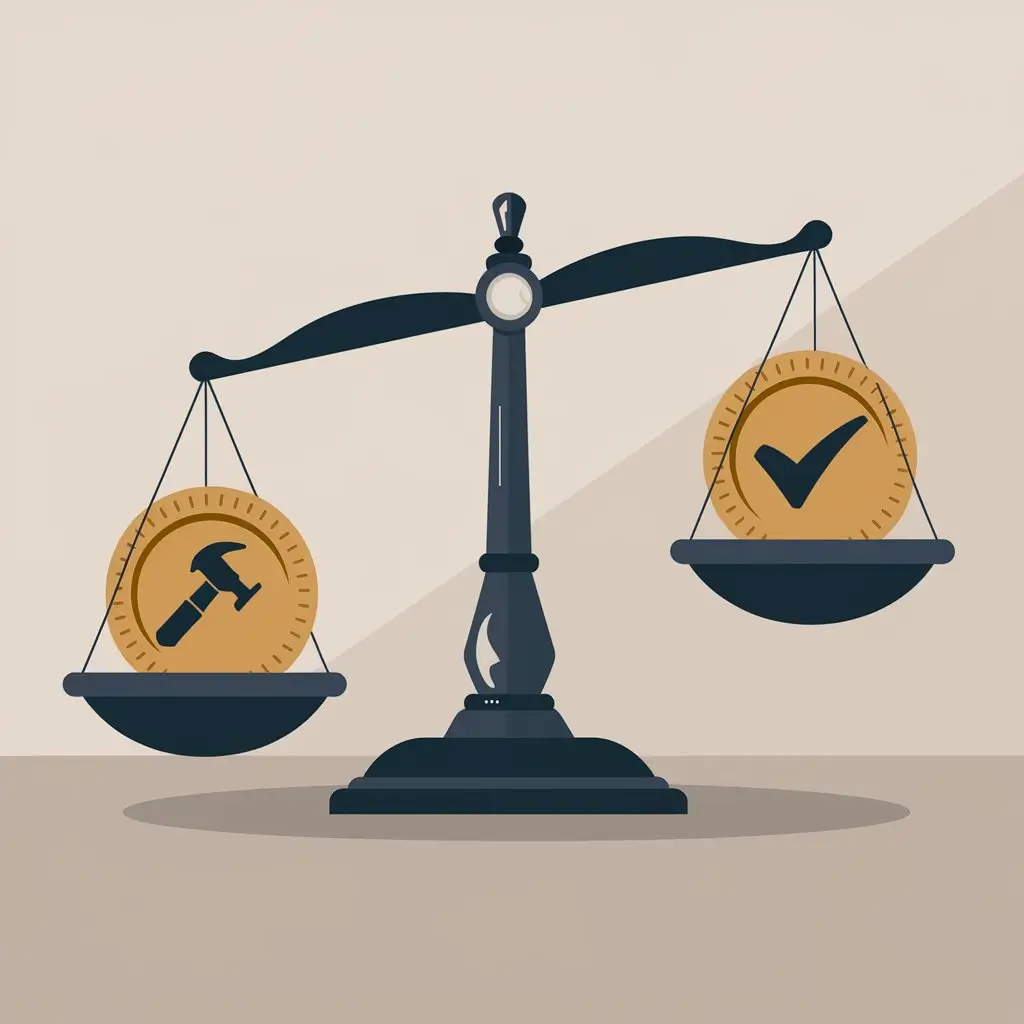
A balanced scale with symbols of pros and cons on either side, illustrating the weighing of options in the decision-making process.

Common Reasons for Decision-Making Struggles

Fear of Failure

Fear of failure is one of the most significant barriers to effective decision-making. This fear can manifest in several ways:

  1. Analysis Paralysis:
    • Individuals may become so preoccupied with evaluating potential outcomes and considering every possible consequence that they become unable to make a decision at all. Such passive behavior produces unexploited possibilities and intensifies the users’ dissatisfaction.
  2. Overthinking Potential Outcomes:
    • The tendency to overthink can cause individuals to focus excessively on negative scenarios. This can create a cycle of worry that inhibits clear thinking and rational decision-making. When people think about the worst possible situations they tend to believe undecided inaction is superior to any incorrect choice they might make.

Information Overload

The current information-rich environment generates extensive amounts of data that decision-makers must deal with which creates difficulties during their decision-making processes.

  1. Difficulty Processing Too Much Data:
    • When confronted with extensive information, individuals may struggle to identify which data is relevant to their decision. This can lead to confusion and indecision, as they may not know how to prioritize or interpret the information effectively.
  2. The Paradox of Choice:
    • According to the paradox of choice individuals may become dissatisfied when they have multiple options. When faced with numerous alternatives, individuals may experience anxiety about making the “right” choice, which can ultimately lead to choice avoidance.

Lack of Confidence

A lack of confidence can severely impact decision-making capabilities:

  1. Self-Doubt and Its Effects:
    • Individuals who doubt their abilities may struggle to trust their judgment. This self-doubt can lead to second-guessing and hesitation, causing individuals to seek excessive validation from others before making a decision.
  2. Imposter Syndrome:
    • Imposter syndrome, the feeling of being unqualified or undeserving of success, can create significant barriers to decision-making. Individuals may fear that their decisions will expose them as frauds, leading to a reluctance to take risks or assert their opinions.

Social Influences

Social dynamics can profoundly impact our decision-making processes:

  1. Peer Pressure and Conformity:
    • The desire to fit in or gain approval from peers can lead individuals to make choices that do not align with their values or desires. This pressure can result in decisions that are more about social acceptance than personal conviction.
  2. Influence of Authority Figures:
    • Authority figures, such as bosses or mentors, can exert significant influence over decision-making. The benefits from guidance may outweigh blind dependency on authority figures which hinders personal independence along with self-assurance.

Emotional Factors

Decisions significantly rely on emotions but different emotional conditions create obstacles to the decision-making process.

  1. Stress and Anxiety:
    • High levels of stress or anxiety can cloud judgment and lead to impulsive decisions or avoidance. When emotions run high, individuals may revert to their instincts rather than engage in thoughtful analysis.
  2. Overwhelming Positive Emotions:
    • Interestingly, even positive emotions can complicate decision-making. For example, excitement about a new opportunity might lead to hasty decisions without adequate consideration of potential downsides.

Cognitive Overload

Cognitive overload occurs when individuals are faced with too much information or too many options to process effectively:

  1. Mental Fatigue:
    • Making decisions requires mental energy and focus. When individuals are mentally fatigued, their ability to evaluate options diminishes, leading to poorer decision-making.
  2. Competing Priorities:
    • Juggling multiple responsibilities can lead to cognitive overload, making it challenging to dedicate the necessary time and attention to any single decision. This can result in shortcuts, snap judgments, or avoidance altogether.

Lack of Clarity and Direction

Without clear goals or values, decision-making can become particularly challenging:

  1. Ambiguous Values:
    • Individuals who are unsure of their values or priorities may struggle to make decisions that align with their true desires. This ambiguity can lead to indecision and dissatisfaction with the choices made.
  2. Unclear Objectives:
    • When goals are not well-defined, it becomes difficult to evaluate options effectively. Without clear criteria for decision-making, individuals may feel lost, leading to frustration and procrastination.

Cultural and Environmental Factors

Cultural background and environmental context can also influence decision-making:

  1. Cultural Expectations:
    • Different cultures have varying norms regarding decision-making. In some cultures, collectivist approaches may prioritize group consensus, which can complicate individual decision-making. In contrast, individualistic cultures may emphasize personal choice, leading to different types of pressures.
  2. Environmental Stressors:
    • External stressors, such as economic instability or personal crises, can create an environment that hampers effective decision-making. When individuals are preoccupied with external challenges, their cognitive resources may be diverted away from making thoughtful choices.

The Impact of Poor Decision-Making on Growth

Poor decision-making can have profound and far-reaching consequences that hinder both personal and professional growth. When individuals fail to make effective choices, the repercussions can affect various aspects of their lives, leading to stagnation, missed opportunities, and even negative psychological outcomes. This section explores the multifaceted impacts of poor decision-making on growth.

Personal Growth

  1. Stagnation in Career and Personal Life:
    • Poor decision-making can lead to a lack of progress in one’s career and personal development. For instance, individuals may hesitate to pursue new job opportunities or personal challenges due to indecision or fear of failure. This stagnation can result in feelings of frustration and dissatisfaction, as individuals may find themselves stuck in unfulfilling roles or routines.
  2. Missed Opportunities:
    • Each decision carries the potential for growth and development. When individuals struggle to make choices, they may miss out on valuable opportunities for learning, networking, and personal enrichment. For example, declining invitations to collaborate on projects or participate in training programs due to indecision can prevent individuals from expanding their skills and experiences.
  3. Impact on Self-Identity:
    • Regularly making poor decisions can erode an individual’s sense of self. When decisions lead to unfavorable outcomes, individuals may begin to question their abilities and judgment. This self-doubt can hinder personal growth, as individuals may become less likely to take risks or pursue their passions.
A close-up of a light bulb glowing, representing the moment of clarity or insight that often accompanies a good decision.

Professional Growth

  1. Consequences for Team Dynamics and Leadership:
    • In a work environment, poor decision-making can disrupt team dynamics. When leaders are indecisive or make uninformed choices, it can lead to confusion and frustration among team members. This lack of direction can diminish morale and productivity, ultimately affecting the overall performance of the organization.
  2. Impact on Organizational Success:
    • Organizations thrive on effective decision-making at all levels. Poor decisions regarding strategy, resource allocation, or project management can lead to financial losses, reputational damage, and reduced competitiveness in the market. In the long run, organizations that struggle with decision-making may find it difficult to innovate and adapt to changing environments, stunting their growth.
  3. Career Advancement:
    • Individuals who consistently struggle with decision-making may find it challenging to advance in their careers. Employers often seek individuals who can make informed, timely decisions and take initiative. A track record of indecision can limit opportunities for promotions and leadership roles, as employers may perceive these individuals as lacking the necessary skills for higher responsibility.

Psychological Effects

  1. Increased Stress and Anxiety:
    • The pressure associated with decision-making can lead to heightened stress and anxiety levels. When individuals are unsure of their choices, they may experience ongoing worry about potential consequences. This stress can have negative effects on mental health, leading to burnout and decreased overall well-being.
  2. Lowered Self-Esteem and Motivation:
    • Poor decision-making often results in negative outcomes, which can diminish an individual’s self-esteem. When people feel inadequate due to their choices, it can create a cycle of avoidance and apathy. This lack of motivation can further hinder personal and professional growth, as individuals may become disengaged from opportunities for development.
  3. Cognitive Dissonance:
    • Poor decisions can lead to cognitive dissonance, the psychological discomfort experienced when one’s beliefs and actions are misaligned. For example, individuals who make choices that contradict their values may struggle with feelings of guilt or regret. This dissonance can create internal conflict, affecting overall happiness and satisfaction.

Long-Term Consequences

  1. Reinforcement of Negative Patterns:
    • Consistently making poor decisions can reinforce negative behavioral patterns. Individuals may develop a habit of indecision or avoidance, making it increasingly challenging to break the cycle. Over time, these patterns can become ingrained, leading to a pervasive sense of helplessness.
  2. Impact on Relationships:
    • Poor decision-making can strain personal and professional relationships. For example, indecisiveness can frustrate friends, family, or colleagues who depend on timely and effective choices. Over time, this frustration can lead to interpersonal conflicts, damaging trust and collaboration.
  3. Difficulty in Learning from Mistakes:
    • If individuals do not reflect on their poor decisions and learn from them, they may be doomed to repeat the same mistakes. This inability to grow from experiences can severely limit personal and professional development, as each missed learning opportunity represents a setback.

Strategies for Mitigating the Impact

  1. Developing Decision-Making Skills:
    • Investing in developing decision-making skills can help individuals mitigate the negative impacts of poor choices. This can include training in critical thinking, problem-solving, and emotional intelligence, which can enhance confidence and effectiveness in making decisions.
  2. Seeking Feedback and Support:
    • Engaging with mentors, peers, or professionals can provide valuable insights and perspectives that aid in decision-making. Constructive feedback can help individuals refine their thought processes and improve their decision-making capabilities over time.
  3. Embracing a Growth Mindset:
    • Adopting a growth mindset, believing that abilities can be developed through effort and learning, can counteract the negative effects of poor decision-making. Individuals who embrace this mindset are more likely to view failures as opportunities for growth, fostering resilience and adaptability.

Strategies to Improve Decision-Making

Recognizing and Addressing Cognitive Biases

Knowledge about cognitive biases acts as the initial element towards enhancing decision quality. By recognizing these biases, individuals can take steps to mitigate their effects, allowing for more rational and balanced choices.

Simplifying the Decision-Making Process

Simplifying the decision-making process can alleviate anxiety. Setting clear objectives and limiting options can help focus attention on what truly matters, making it easier to evaluate choices.

Building Confidence

Building confidence in decision-making is crucial. Reflecting on past successes can help reinforce a positive self-image. Seeking feedback from trusted peers can also provide reassurance and support.

Embracing Failure as a Learning Opportunity

Reframing failure is essential for growth. Viewing setbacks as opportunities for learning rather than as definitive failures can encourage individuals to take risks and make decisions without fear of negative outcomes.

Conclusion

Effective decision-making is integral to both personal and professional growth. By understanding the psychological processes behind our struggles, recognizing common barriers, and implementing strategies for improvement, individuals can enhance their decision-making skills. Ultimately, embracing the decision-making journey can lead to greater opportunities for development and success.