
Self-Harm: Effective Strategies for Healing and Recovery

An artistic image of a pair of hands gently holding a fragile flower, symbolizing care and healing. The background is soft and blurred, conveying a sense of tranquility.

Harmful thought patterns can significantly impact mental well-being, leading to feelings of anxiety, depression, and low self-esteem. These negative thoughts often create a cycle that reinforces emotional distress and can even lead individuals to engage in emotional self-harm. Understanding how to challenge and change these thought patterns is essential for fostering a healthier mindset and improving overall emotional health.

Understanding Harmful Thought Patterns

Harmful thought patterns are cognitive distortions that skew our perception of reality. Common examples include:

  • Black-and-white thinking: Viewing situations in extremes, such as seeing oneself as a complete failure or a total success.
  • Catastrophizing: Expecting the worst possible outcome in any situation, leading to unnecessary anxiety.
  • Overgeneralization: Making broad conclusions based on a single event, such as believing that one failure means constant failure.

These thoughts contribute to emotional distress by creating a distorted view of ourselves and our experiences, often leading to a cycle of negativity that can diminish self-esteem and overall happiness.

Recognizing Negative Thoughts

Self-awareness is crucial in combating harmful thought patterns. Recognizing negative thoughts is the first step toward challenging and changing them. Here are some effective techniques to help identify these detrimental thoughts:

Journaling

Journaling is a powerful tool for self-reflection. By writing down your thoughts and feelings, you can gain clarity on what’s happening in your mind. Consider the following tips for effective journaling:

  1. Daily Entries: Set aside time each day to jot down your thoughts. Focus on how you feel and what triggers those feelings.
  2. Emotion Tracking: Note your emotions alongside specific events. This can help reveal patterns in how certain situations affect your mood.
  3. Writings Containing Negative Thoughts Need Questioning: Ask yourself such questions as “Does this thought originate from fact or does it rely on assumptions?” I need to examine the evidence which proves this idea true.

Thought Records

Keeping a thought record is another effective method for identifying negative thoughts. This involves documenting specific instances when you feel upset or anxious. Here’s how to create a thought record:

  1. Situation: Write down the situation that triggered your negative thoughts.
  2. Emotions: List the emotions you felt at that moment, noting their intensity on a scale from 1 to 10.
  3. Automatic Thoughts: Identify the automatic thoughts that ran through your mind during the situation. These are often the most distorted or negative.
  4. Challenging Thoughts: Write down a more balanced thought or alternative perspective. This helps in reframing the negative thought into something more constructive.
  5. Outcome: Reflect on how your feelings changed after challenging your thoughts. Did you feel less anxious or more empowered?

Signs of Emotional Self-Harm

Recognizing signs of emotional self-harm is essential for understanding the impact of negative thoughts on your mental health. Some common indicators include:

  1. Persistent Self-Criticism: Regularly telling yourself that you are not good enough or that you always fail.
  2. Isolation: Withdrawing from friends, family, or activities you once enjoyed because of negative beliefs about yourself.
  3. Feeling Overwhelmed: Experiencing intense emotions that feel unmanageable, leading you to cope through unhealthy means, such as avoidance or self-sabotage.
  4. Mood Swings: Rapid changes in mood that seem tied to negative thoughts, making it challenging to find emotional stability.
  5. Difficulty in Decision-Making: Struggling to make choices due to fears of failure or judgment, often stemming from negative self-perceptions.

Mindfulness Practices

Incorporating mindfulness practices into your routine can enhance your ability to recognize negative thoughts. Mindfulness encourages you to observe your thoughts without judgment, which can help you become more aware of harmful patterns. Consider these mindfulness techniques:

  1. Meditation: Spend a few minutes each day in meditation, focusing on your breath and allowing thoughts to come and go without attachment.
  2. Body Scan: Practice a body scan meditation, where you focus on different parts of your body, helping you connect with your feelings and notice any tension linked to negative thoughts.
  3. Make yourself available for self-checks throughout daily activities. During your daily routine take time to identify the current thoughts passing through your mind while checking your current emotional state. Your time checks allow you to detect negative thoughts prior to full escalation.

Support Systems

Engaging with a support system can also aid in recognizing negative thoughts. Sharing your feelings with trusted friends or family members can provide outside perspectives. They may help you spot cognitive distortions that you might overlook. Consider these approaches:

  1. Open Conversations: Discuss your thoughts and feelings with someone you trust. They may offer insights that challenge your negative beliefs.
  2. Feedback: Ask for constructive feedback on your self-perceptions. Sometimes, others can see strengths in us that we fail to recognize.
  3. Support Groups: Joining a support group can provide a safe space to share experiences and learn from others facing similar challenges.

Strategies to Challenge Harmful Thought Patterns

Challenging harmful thought patterns is essential for improving mental health and fostering a more positive self-image. Here are several effective strategies to help you confront and change these negative thoughts:

Cognitive Restructuring

Cognitive restructuring involves identifying negative thoughts and replacing them with more balanced or realistic alternatives. This technique is central to cognitive behavioral therapy (CBT). Here’s how to practice it:

  1. Identify Negative Thoughts: Start by recognizing specific negative thoughts you frequently have. Write them down to make them more tangible.
  2. Assess the Evidence: Evaluate the evidence for and against these thoughts. Ask yourself:
    • What facts support this thought?
    • What facts contradict it?
    • Is this thought based on feelings or reality?
  3. Reframe the Thought: Once you’ve assessed the evidence, try to reframe the negative thought. For example, if you think, “I always fail at everything,” you might reframe it to, “I have faced challenges before, but I have also succeeded.” This shift can help you view situations more objectively.

Mindfulness and Acceptance

The practice of mindfulness enables people to observe their thoughts and feelings in a nonsensical manner. Increasing your awareness of thoughts lets you stay disengaged from negative thought patterns. Consider these mindfulness techniques:

  1. Devote a few minutes daily to direct your attention toward your breathing process. Become aware of the feelings which come with breathing in and breathing out. Identification of negative thoughts should be sufficient to let them pass by uncontrollably.
  2. Body Awareness: Engage in body scans to connect with your physical sensations. Notice where you might be holding tension linked to negative thoughts, which can help you release that tension.
  3. Acceptance: Rather than fighting against negative thoughts, practice acceptance. You are allowed to experience these thoughts so focus instead on your responses to them. The thought exists yet you can acknowledge it without it taking over your control.

Behavioral Experiments

Behavioral experiments involve testing the validity of your negative thoughts through real-life situations. This strategy can help you gather evidence against harmful beliefs. Here’s how to conduct a behavioral experiment:

  1. Identify a Negative Thought: Choose a specific negative thought you want to challenge, such as “I will embarrass myself if I speak in public.”
  2. Plan an Experiment: Create a small, manageable experiment to test this thought. For example, you might volunteer to give a short presentation in a low-stakes environment.
  3. Gather Data: After completing the experiment, reflect on the outcome. Did you embarrass yourself? How did others react? Often, you’ll find that the reality is much less daunting than your initial thought suggested.
  4. Reflect on Results: Write down your observations and feelings about the experience. This helps reinforce the idea that negative thoughts may not accurately reflect reality.

An image of a cracked mirror reflecting a distorted image of a person. This symbolizes the feeling of brokenness and the struggle with self-perception.

Seeking Support

Reaching out for support can provide valuable perspective and encouragement in challenging harmful thought patterns. Here are some ways to seek support:

  1. Talk to Trusted Friends or Family: Share your thoughts and feelings with people you trust. They can offer insights and help you see things from a different angle.
  2. Join Support Groups: Participating in support groups can connect you with others who understand your struggles. Sharing experiences and coping strategies can foster a sense of community and belonging.
  3. Engage with Professionals: Consider talking to a therapist or counselor who specializes in cognitive behavioral therapy. They can provide structured guidance and tools to help you challenge negative thoughts effectively.

Practicing Self-Compassion

Self-compassion involves treating yourself with kindness and understanding, especially when facing difficulties. This practice can counteract harmful thought patterns. Here’s how to cultivate self-compassion:

  1. Acknowledge Your Feelings: When you experience negative thoughts, recognize that it’s okay to feel this way. Validate your emotions instead of criticizing yourself for having them.
  2. Practice Kind Self-Talk: Replace harsh self-criticism with supportive and encouraging statements. For instance, instead of saying, “I’m such a failure,” try, “I’m doing my best, and it’s okay to make mistakes.”
  3. Engage in Self-Care: Prioritize activities that nurture your well-being, whether it’s taking a walk, enjoying a hobby, or spending time with loved ones. Caring for yourself reinforces the belief that you are deserving of kindness.

Developing a Growth Mindset

A development attitude is the conviction that capacities and insights can be created through exertion and learning. The advancement of this mental viewpoint empowers more effective challenges to harming thought designs.

  1. Look at challenges as chances to develop instead of regarding them as hazards. This perspective reduces fear of failure that brings negative thoughts. Such a mindset decreases failure-related fears which frequently drive negative thoughts.
  2. Learn from Criticism: Instead of taking criticism personally, see it as constructive feedback that can help you improve. This shift can lessen the impact of negative self-talk.
  3. Celebrate Progress: Acknowledge your successes, no matter how small. Celebrating progress reinforces the idea that you are capable of growth and change.

Understanding Emotional Self-Harm

Emotional self-harm refers to the behaviors and thought patterns that inflict emotional pain rather than physical injury. Unlike physical self-harm, which might involve cutting or burning, emotional self-harm manifests through internal struggles that can severely impact one’s mental health and overall well-being. Understanding the nuances of emotional self-harm is crucial for recognizing its signs and seeking appropriate help.

Definition of Emotional Self-Harm

Emotional self-harm encompasses a range of behaviors and thought processes aimed at coping with overwhelming feelings, often resulting in self-sabotage or negative self-perception. It can include:

  • Negative Self-Talk: Engaging in persistent criticism of oneself, leading to feelings of worthlessness and despair.
  • Withdrawal from Relationships: Isolating oneself from friends and loved ones due to feelings of inadequacy or shame.
  • Self-Sabotage: Undermining personal goals or achievements as a way to reinforce negative beliefs about oneself.

These behaviors create a cycle of emotional pain that can be difficult to break, often stemming from deeper issues such as trauma, anxiety, depression, or low self-esteem.

Common Reasons People Engage in Emotional Self-Harm

Understanding why individuals may resort to emotional self-harm is essential for addressing the underlying issues:

  1. Coping Mechanism: For many, emotional self-harm serves as a way to manage overwhelming feelings. When emotions become too intense, people may turn to self-criticism or withdrawal as a means of regaining a sense of control.
  2. Seeking Relief from Emotional Pain: Some individuals may engage in negative self-talk or isolation as a misguided attempt to relieve feelings of emotional pain. They may believe that punishing themselves will alleviate their distress, even though it often exacerbates their feelings.
  3. Fear of Vulnerability: Engaging in emotional self-harm can be a protective mechanism against vulnerability. By avoiding connections with others or undermining their own achievements, individuals may feel they are safeguarding themselves from potential rejection or failure.
  4. Desire for Control: In situations where individuals feel powerless, emotional self-harm can provide a false sense of control. It allows them to direct their feelings inward, even when it’s detrimental to their mental health.

Impact of Emotional Self-Harm on Mental Health

The consequences of emotional self-harm can be profound and far-reaching:

  1. Increased Feelings of Shame and Guilt: Engaging in self-destructive behaviors often leads to feelings of shame and guilt, creating a vicious cycle that perpetuates emotional distress.
  2. Isolation and Loneliness: Withdrawing from relationships can lead to profound loneliness, further exacerbating feelings of sadness and despair. This isolation can make it even harder to seek help or connect with others.
  3. Deterioration of Self-Esteem: Continuous negative self-talk and self-sabotage can erode self-esteem, making it challenging for individuals to recognize their worth and capabilities.
  4. Increased Risk of Mental Health Disorders: Emotional self-harm is often linked to more severe mental health issues, such as depression and anxiety. If left unaddressed, these issues can escalate, leading to more serious consequences.

A bird sitting in a cage, looking out with longing. This image represents feelings of confinement and the desire for freedom from emotional pain.

Recognizing Signs of Emotional Self-Harm

Being aware of the signs of emotional self-harm can help individuals identify when they or someone they care about is struggling. Common indicators include:

  1. Persistent Negative Thoughts: Regularly engaging in self-criticism or feeling unworthy and inadequate.
  2. Avoidance of Social Situations: Choosing to isolate oneself from friends, family, or activities that once brought joy due to feelings of shame or fear of judgment.
  3. Mood Swings: Experiencing rapid emotional fluctuations that seem tied to negative thoughts, leading to emotional instability.
  4. Difficulty Expressing Emotions: Struggling to articulate feelings or relying on unhealthy coping mechanisms instead of seeking support or expressing needs.
  5. Engaging in Risky Behavior: Sometimes, emotional self-harm can manifest in risk-taking behaviors, such as substance abuse or reckless decisions, as a way to cope with inner turmoil.

Importance of Understanding Emotional Self-Harm

Understanding emotional self-harm is critical for breaking the cycle of negativity and fostering healthier coping mechanisms. By recognizing the signs and underlying reasons for these behaviors, individuals can take steps toward healing. It is essential to remember that emotional self-harm is a response to pain, and addressing the root causes is key to recovery.

  1. Breaking the Stigma: By openly discussing emotional self-harm, we can reduce the stigma surrounding mental health struggles, encouraging individuals to seek help without fear of judgment.
  2. Promoting Awareness: Educating oneself and others about emotional self-harm can foster a greater understanding of mental health issues, leading to more compassionate support for those in need.
  3. Encouraging Help-Seeking Behavior: Understanding that emotional self-harm is a sign of deeper emotional pain can motivate individuals to reach out for professional help, leading to healthier coping strategies and improved mental health outcomes.

Strategies to Overcome Emotional Self-Harm

Overcoming emotional self-harm requires a multifaceted approach that addresses both the behaviors and the underlying thought patterns that contribute to emotional distress. Here are several effective strategies to help individuals break free from the cycle of emotional self-harm and foster healthier coping mechanisms.

Developing Healthy Coping Mechanisms

Finding alternative ways to cope with emotional pain is essential for overcoming self-harm. Here are some strategies to consider:

  1. Creative Outlets: Engaging in creative activities such as painting, writing, or playing music can provide a constructive outlet for emotions. These activities allow for self-expression and can help process feelings in a meaningful way.
  2. Physical Activity: Exercise is a powerful way to release pent-up emotions and stress. Whether it’s going for a walk, practicing yoga, or participating in team sports, physical activity can boost mood and promote a sense of well-being.
  3. Mindfulness Practices: Incorporating mindfulness techniques, such as meditation or deep breathing exercises, can help individuals stay grounded and present. Mindfulness encourages awareness of thoughts and feelings without judgment, making it easier to manage overwhelming emotions.
  4. Healthy Distractions: Engaging in activities that divert attention from negative thoughts can be beneficial. This might include watching a favorite movie, reading a book, or spending time with pets. Healthy distractions can provide temporary relief and a sense of enjoyment.

Building Resilience

Resilience is the ability to bounce back from adversity and manage stress effectively. Developing resilience can help individuals navigate emotional challenges without resorting to self-harm:

  1. Fostering a Growth Mindset: Embracing the belief that challenges are opportunities for growth can empower individuals to face difficulties with a positive attitude. This perspective encourages learning from mistakes rather than seeing them as failures.
  2. Setting Realistic Goals: Establishing achievable goals, both short-term and long-term, can provide a sense of direction and purpose. Dividing long-term targets into smaller incremental steps helps people experience goals in more manageable portions and thus lift feelings of intimidation.
  3. Practicing Gratitude: Cultivating an attitude of gratitude can shift focus away from negative thoughts and highlight the positive aspects of life. Keeping a gratitude journal, where you write down things you are thankful for each day, can foster a more positive outlook.
  4. Embracing Flexibility: Life is full of unexpected changes and challenges. Developing a flexible mindset allows individuals to adapt more easily to new circumstances, reducing feelings of helplessness and frustration.

Creating a Supportive Environment

Building a supportive network is crucial for overcoming emotional self-harm. Surrounding yourself with positive influences can significantly impact your mental health:

  1. When you need support you should tell your emotions to trusted friends or family members. Being open about your struggles can help you feel less isolated and encourage others to provide support and understanding.
  2. Join Support Groups: Participating in support groups can connect you with individuals who share similar experiences. These groups provide a safe space to share feelings, learn from others, and foster a sense of community.
  3. Seek Professional Help: Engaging with a therapist or counselor trained in mental health can offer valuable guidance and tools for managing emotional distress. Professional support can help individuals explore the underlying causes of their emotional self-harm and develop healthier coping strategies.
  4. Limit Toxic Influences: Identify and distance yourself from relationships or environments that perpetuate negative thoughts or behaviors. Surrounding yourself with supportive, positive individuals can create a healthier emotional landscape.

Practicing Self-Compassion

During challenging circumstances we should give ourselves understanding and kindness through self-compassionate treatment. Conducting the practice neutralizes the damaging effects on oneself that result from self-harm:

  1. Acknowledge Your Feelings: It’s essential to recognize that experiencing negative emotions is part of being human. Instead of criticizing yourself for feeling down, practice self-acceptance and allow yourself to feel without judgment.
  2. Use Kind Self-Talk: Challenge negative self-talk by replacing it with compassionate and supportive statements. For instance, instead of saying, “I’m not worth it,” remind yourself, “I deserve kindness and understanding, just like everyone else.”
  3. Pay attention to activities that protect your health along with your emotional and mental status. This might include taking a relaxing bath, enjoying a favorite meal, or spending time in nature. Self-care reinforces the belief that you are deserving of love and care.
  4. Forgive Yourself: Understand that everyone makes mistakes and experiences setbacks. Practice self-forgiveness by recognizing that your past does not define your worth or potential for growth.

Developing Emotional Awareness

Increasing emotional awareness can help individuals better understand their feelings and triggers, making it easier to manage emotional self-harm:

  1. Identify Triggers: Keep a journal to track situations, thoughts, or feelings that lead to emotional self-harm. Understanding your triggers can help you prepare and develop strategies to cope when they arise.
  2. Label Emotions: Practice identifying and labeling your emotions as they arise. Recognizing what you’re feeling, whether it’s sadness, frustration, or anxiety, can provide clarity and a sense of control over your emotional landscape.
  3. Practice Emotional Regulation: Learn techniques for managing intense emotions, such as grounding exercises or breathing techniques. These strategies can help you stay calm during emotional upheavals.
  4. Reflect on Your Experiences: Take time to reflect on moments when you successfully managed your emotions without resorting to self-harm. Recognizing your strengths can boost your confidence in handling future challenges.

Conclusion

Challenging harmful thought patterns is vital for improving mental health and emotional well-being. By practicing self-compassion and employing these strategies, individuals can break the cycle of negativity and reduce the risk of emotional self-harm. Remember, seeking help is a strength, and everyone deserves support on their journey toward emotional wellness.


Energy: What Helps It and What Drains It

An illustration of two people standing side by side. The first person is vibrant and colorful, representing energy, with a bright aura and a joyful expression. They wear lively clothing in warm colors, like orange and yellow. The second person is grey and dull, symbolizing energy drain, with a tired expression and a faint aura. They wear simple, muted clothing. The background features a soft gradient to emphasize the contrast between the two figures, highlighting the theme of energy and depletion.

In the quest for productivity and success, understanding what fuels our energy and what depletes it is crucial. Energy plays a significant role in our daily performance, influencing not only how effectively we work but also our overall well-being. This article explores the sources of energy that empower us and the drains that hold us back, providing insights into how we can optimize our energy levels for greater productivity.

Understanding Energy

Types of Energy

Energy can be categorized into three main types:

Physical Energy: This refers to the bodily vigor we possess, influencing our ability to perform physical tasks.

Mental Energy: This encompasses cognitive function, focus, and the ability to think creatively.

Emotional Energy: Emotional state determines our motivational levels as well as our resilience and capacity to relate with others emotionally.

The Role of Energy in Productivity

Energy levels directly affect our performance. Energetic states boost both mental clarity and creative problem-solving abilities as well as challenge-solving capabilities but feeling tired diminishes motivation for tasks andWeak energy levels create conditions for task postponement and reduced achievement success.

What Gives Energy

Understanding what energizes us is crucial for optimizing productivity. Here, we delve deeper into the various sources of energy, focusing on physical, mental, and emotional aspects.

Physical Sources of Energy

Nutrition:

Balanced Diet: Consuming a diet rich in whole foods provides the essential nutrients that our bodies need to function effectively. To obtain a balanced diet people need to include diverse combinations of fruits, vegetables, whole grains and lean proteins together with healthy fats.

Foods That Boost Energy:

Complex Carbohydrates: Foods like oats, brown rice, and quinoa release energy slowly, providing sustained fuel throughout the day.

Proteins: Lean meats, fish, legumes, and nuts are vital for repairing and building tissues and can help maintain energy levels.

Hydration: Staying hydrated is often overlooked. Water is crucial for optimal bodily functions, including energy production. Dehydration can lead to fatigue and decreased cognitive function, so aim to drink enough water throughout the day.

Exercise:

Regular Physical Activity: Engaging in regular exercise not only improves physical health but also releases endorphins, the body’s natural mood lifters. Better intellectual focus and boosted energy become achievable through these states.

Types of Exercise:

Aerobic Exercise: Activities like running, cycling, or swimming can significantly boost cardiovascular health and stamina.

Strength Training: The development of muscle tissue raises your metabolism during resting periods thus boosting daily energy and boosting efficiency.

Stretching and Yoga: These practices not only increase flexibility but promote relaxation, reducing tension and stress, which can drain energy.

Sleep:

Importance of Quality Sleep: Sleep is essential for physical and cognitive recovery. During sleep, the body repairs muscles, consolidates memories, and regulates hormones, all of which contribute to overall energy levels.

Tips for Improving Sleep Hygiene:

Consistent Sleep Schedule: Establishing regular sleeping and waking time throughout the day will help your body maintain its internal clock.

Sleep Environment: The combination of darkness with silence and cold ambient temperature enhances sleep quality positively. Blackout curtains together with earplugs and white noise machines help create a suitable sleeping environment.

Pre-Sleep Routine: Establishing a calming pre-sleep routine, such as reading or meditating, can signal to your body that it’s time to wind down.

 split image showing a person working at a desk on one side and enjoying a peaceful nature walk on the other, symbolizing the balance between productivity and relaxation.

Mental and Emotional Sources of Energy

Positive Mindset:

Cultivating Optimism: A person with a positive mental approach can boost their motivation and gain more energy. Having gratitude alongside focusing on positive outcomes alongside connecting with positive influences enables the mindset development process.

Techniques for Cultivating Positivity:

Gratitude Journaling: Regularly writing down things you’re thankful for can shift your focus from what drains energy to what uplifts it.

Affirmations: Using positive affirmations can reinforce a positive self-image and boost confidence, leading to greater energy and enthusiasm.

Passion and Purpose:

Finding Meaning in Work: The power of taking part in activities that follow your core beliefs and enthusiasm levels will increase your total energy output. When you find purpose in what you do, it becomes less of a chore and more of a fulfilling experience.

Examples of Finding Purpose:

Aligning Goals with Values: Evaluate your fundamental values to guarantee all your objectives and tasks align with them. This alignment can make even mundane tasks feel meaningful.

Engaging in Hobbies: Pursuing interests outside of work can recharge your emotional batteries and provide a fresh perspective.

Mindfulness and Relaxation:

Role of Mindfulness: Mindfulness practices such as meditation, breathing exercises, and yoga can help center your thoughts and reduce stress, thus conserving energy.

Benefits of Taking Breaks: Regular breaks during work can prevent burnout and maintain focus. Short working intervals followed by frequent breaks according to the Pomodoro Technique improve both productivity levels and energy levels.

Social Connections

Building Strong Relationships:

The Importance of Social Support: Engaging with friends, family, and colleagues can provide emotional support, which is vital for maintaining energy levels. Positive social interactions can boost mood and provide motivation.

Creating a Supportive Network: Surrounding yourself with uplifting individuals can inspire and energize you. Consider seeking out groups or communities that share your interests and values.

Collaborative Work:

Benefits of Teamwork: Working with others can lead to shared energy and motivation. Collaboration allows for the exchange of ideas and encouragement, which can enhance productivity.

Finding Balance in Group Dynamics: While collaboration is energizing, it’s also essential to ensure that team dynamics are healthy and constructive. Addressing conflicts and fostering an inclusive environment can maximize group energy.

What Drains Energy

Understanding what drains our energy is just as important as recognizing what gives us energy. By identifying and addressing these energy drains, we can take proactive steps to enhance our overall productivity and success. Here, we explore the various factors that can deplete our energy, focusing on physical, mental, and emotional aspects.

Physical Energy Drainers

Poor Nutrition:

The Impact of Diet on Energy Levels: Consuming a diet high in sugar and processed foods can lead to significant energy crashes. These foods often provide a quick spike in energy, followed by a sharp decline, leaving you feeling fatigued and lethargic.

Foods to Avoid: Highly processed snacks, sugary drinks, and fast food can contribute to fluctuating energy levels. Instead, focus on whole foods that provide steady energy.

Understanding Nutrient Deficiencies: Lack of essential nutrients, such as iron or vitamin D, can lead to feelings of fatigue. Regularly assessing your diet and considering supplementation (if necessary) can help prevent deficiencies.

Sedentary Lifestyle:

Consequences of Inactivity: A lack of physical activity can lead to decreased energy levels, as sedentary behavior can cause muscle stiffness and reduce overall vitality. Inactive individuals often report feeling more tired than those who engage in regular physical activity.

The Importance of Movement: Even short bursts of activity throughout the day can counteract the effects of a sedentary lifestyle. Simple actions like standing up, stretching, or taking a quick walk can significantly enhance energy levels.

Lack of Sleep:

Effects of Sleep Deprivation: Insufficient sleep negatively impacts cognitive function, mood, and physical performance. Chronic sleep deprivation can lead to long-term health issues and significant decreases in energy levels.

Identifying Sleep Disruptors: Factors such as excessive screen time before bed, caffeine consumption, and an inconsistent sleep schedule can all interfere with the quality of your sleep. Recognizing these disruptors is the first step toward improving your rest.

Mental and Emotional Energy Drainers

Negative Mindset:

The Weight of Pessimism: A negative mindset can be a significant drain on mental and emotional energy. Thoughts of self-doubt, stress, and anxiety can create a cycle of negativity that further depletes energy levels.

Strategies to Combat Negative Thoughts: Techniques such as cognitive restructuring, where you challenge and reframe negative thoughts, can help break this cycle. Practicing mindfulness and focusing on the present moment can also mitigate negative thinking patterns.

Overcommitment:

The Dangers of Saying Yes: Taking on too many responsibilities can lead to burnout. When your schedule is packed, it becomes challenging to maintain high energy levels, resulting in decreased productivity and effectiveness.

Learning to Set Boundaries: It’s essential to recognize your limits and prioritize tasks. Saying no to non-essential commitments can free up time and energy for activities that truly matter to you.

Toxic Relationships:

Impact of Negative Interactions: Engaging with individuals who drain your emotional energy can lead to feelings of stress and exhaustion. Toxic relationships can manifest as constant criticism, negativity, or emotional manipulation.

Managing Difficult Relationships: Identifying and addressing toxic relationships is crucial for maintaining emotional well-being. Setting boundaries, seeking support, or even distancing yourself from negative influences can help preserve your energy.

Environmental Energy Drainers

Cluttered Spaces:

The Burden of Clutter: A disorganized environment can be overwhelming and distracting, leading to increased stress and decreased focus. Clutter can create a sense of chaos, making it difficult to concentrate on tasks.

Tips for Creating an Organized Space: Regularly decluttering your workspace and home can help create a more calming environment. Implementing organization systems, such as storage solutions and designated areas for specific tasks, can enhance focus and productivity.

Noise and Distractions:

The Challenges of a Distracting Environment: Excessive noise, interruptions, or chaotic surroundings can significantly drain mental energy. Constant distractions make it difficult to concentrate, leading to frustration and fatigue.

Strategies to Minimize Distractions: Consider using noise-canceling headphones, creating a designated quiet workspace, or utilizing tools like apps that block distracting websites during work hours.

Unhealthy Work Environments:

The Impact of Workplace Culture: A toxic work environment characterized by poor communication, lack of support, or unhealthy competition can severely affect morale and energy levels. Employees in such settings often feel drained and unmotivated.

Fostering Positive Workplace Dynamics: Advocating for open communication, collaboration, and recognition in the workplace can help create a more positive atmosphere that energizes rather than drains employees.

A tired person at a cluttered desk with empty coffee cups, illustrating the concept of energy drain due to stress and overload.

Emotional and Mental Stressors

Chronic Stress:

The Toll of Ongoing Stress: Chronic stress can lead to mental fatigue and physical health issues. Prolonged exposure to stress can deplete energy reserves and hinder performance.

Techniques for Stress Management: Incorporating stress-reduction techniques such as mindfulness, yoga, or regular physical exercise can help mitigate the effects of stress and replenish energy.

Overthinking and Rumination:

The Drain of Excessive Worry: Constantly overanalyzing situations or dwelling on past mistakes can consume mental energy, leaving you feeling exhausted. This cycle of rumination can hinder decision-making and productivity.

Breaking the Cycle: Practicing mindfulness and grounding techniques can help redirect your thoughts and reduce the tendency to ruminate. Engaging in activities that promote flow, such as hobbies or creative pursuits, can also be beneficial.

Strategies for Balancing Energy

Finding balance is essential for maintaining productivity and achieving success. By implementing effective strategies, you can optimize your well-being throughout the day, ensuring that you remain focused and engaged in your tasks. Here, we explore various techniques to help you manage your resources effectively.

Daily Management

Creating a Balanced Routine:

Establishing Consistent Habits: Developing a daily routine that incorporates time for work, relaxation, exercise, and social interaction can provide a sense of structure and predictability. Consistency helps your body and mind adapt to a rhythm that maximizes your potential.

Time Blocking: This technique involves scheduling specific blocks of time for different activities. By dedicating focused periods to work and allocating time for breaks, you can enhance concentration and prevent burnout. For example, you might block out time for deep work in the morning when you’re most alert and schedule lighter tasks for the afternoon.

Scheduling Breaks and Restorative Activities:

The Importance of Breaks: Regular breaks are crucial for maintaining high productivity. Taking short breaks throughout the day can reduce mental fatigue and enhance focus. Consider using techniques like the Pomodoro Technique, which encourages 25 minutes of focused work followed by a 5-minute break.

Incorporating Restorative Activities: Use breaks to engage in activities that recharge you. This might include taking a short walk, practicing deep breathing exercises, or enjoying a brief meditation session. These activities can help reset your mind and body, preparing you for the next task.

Identifying Personal Patterns

Recognizing Peak Times:

Self-Assessment: Pay attention to your natural fluctuations throughout the day. Are you more alert in the morning, or do you hit your stride in the afternoon? By identifying your peak times, you can schedule high-priority tasks when you’re most productive.

Adapting Your Schedule: Align your most challenging or creative tasks with your peak periods. For instance, if you notice you’re most focused in the early morning, reserve that time for complex projects or problem-solving.

Planning Tasks Accordingly:

Prioritizing Tasks: Organize your to-do list by the demands of each task. Place high-priority items at the top during peak times and save less demanding tasks for when you feel less alert. This prioritization can help you make the most of your available capacity.

Flexibility and Adaptation: Stay open to adjusting your schedule as needed. If you find that your levels fluctuate unexpectedly, be willing to rearrange tasks to match your current state. Flexibility can help you maintain productivity even when motivation dips.

Building a Supportive Environment

  1. Surrounding Yourself with Positive Influences:
    • Choosing Your Company Wisely: The people you interact with can significantly impact your overall well-being. Attract those who encourage and motivate you in your life. Positive relationships can provide valuable support and motivation.
    • Seeking Constructive Feedback: Engage with colleagues or mentors who offer constructive feedback and encouragement. Your confidence level will grow while your work intensity becomes stronger with the help of this support structure.
  2. Creating an Inspiring Workspace:
    • Optimizing Your Environment: Your physical workspace plays a crucial role in your effectiveness. Ensure your area is clutter-free, organized, and conducive to focus. Consider adding elements that inspire you, such as plants, artwork, or motivational quotes.
    • Incorporating Natural Light: Natural light can enhance mood and focus. If possible, position your workspace near a window or use full-spectrum lighting to mimic daylight. This can help regulate your circadian rhythm and improve concentration.
  3. Utilizing Technology Mindfully:
    • Avoiding Overload: While technology can be a powerful tool for productivity, it can also lead to distractions and information overload. Be mindful of how you use technology, set boundaries around screen time and minimize distractions from notifications.
    • Leveraging Productivity Apps: Apps that help users improve focus and organization are available for use. Tools like task managers, time trackers, and focus timers can help you stay on track throughout the day.

Incorporating Mindfulness and Relaxation Techniques

Practicing Mindfulness:

Mindfulness Meditation: Regular mindfulness meditation can help reduce stress, improve focus, and enhance overall well-being. Meditating for a short period every day can produce substantial changes in your emotional stability together with better mental focus.

Mindful Breathing: Practice controlled breathing techniques for returning to inner peace. Take a few deep breaths, focusing on the inhalation and exhalation, to help clear your mind and restore your focus.

Engaging in Relaxation Techniques:

Yoga and Stretching: Among the advantages of doing yoga or stretching each day you will experience reduced tension together with enhanced bodily health. These practices enhance flexibility and promote relaxation, helping to counteract the effects of stress.

Nature Breaks: Spending time in nature can be incredibly restorative. Whether it’s a short walk in a park or simply sitting outside, connecting with nature can boost your mood and refresh your perspective.

Regularly Assessing and Adjusting Your Strategies

Reflecting on Your Levels:

Journaling: You should maintain a journal that records both your tasks and work output. Reflecting on what strategies work best for you can help you identify patterns and make informed adjustments.

Seeking Feedback: Don’t hesitate to ask for feedback from colleagues or friends about your management strategies. They will provide perspectives and recommendations to strengthen your method.

Staying Open to Change:

Adaptability: Life is dynamic, and your levels may change due to various factors, including stress, workload, or personal circumstances. Maintain flexibility along with the readiness to change your planned strategies.

Continuous Learning: Stay informed about new techniques and practices for managing your well-being. Learning throughout your lifetime generates new knowledge that assists in revolutionizing your methods of achieving equilibrium.

Conclusion

Information around our vitality generation and consumption sources makes a difference to us reaching efficiency and victory.  Enhancing performance requires active body nourishment alongside mindset development, along with the establishment of supportive settings which results in improved energy levels.

Micro-Habits: Simple Steps for Lasting Change in Your Life

A colorful mosaic made up of small images representing various micro-habits (like a water bottle, a journal, a pair of running shoes). The mosaic should form a larger image, such as a heart or a brain, symbolizing the cumulative impact of these habits on well-being.

In the hustle and bustle of modern life, the idea of making significant changes can often feel overwhelming. However, small actions, known as micro-habits, can lead to substantial improvements in our lives. Micro-habits are tiny, actionable behaviors that are easy to implement and sustain, making them a powerful tool for personal development. This article will explore examples of micro-habits and provide practical strategies for incorporating them into your daily routine.

What are Micro-Habits?

Micro-habits are the tiny, seemingly insignificant actions we can take that require minimal effort but can lead to significant improvements over time. These micro-habits are designed to be easily integrated into our daily routines, making them accessible for anyone looking to enhance their life without feeling overwhelmed.

Explanation of Micro-Habits

  1. Small, Actionable Behaviors: Micro-habits focus on small actions that can be completed in a minute or less. For instance, instead of committing to a 30-minute workout, a micro-habit might be doing a set of 10 push-ups or taking a 1-minute stretch break. This simplicity makes it easier to start and maintain these habits without the pressure of larger commitments.
  2. Easy to Implement and Sustain: Because micro-habits are small, they can be easily woven into your existing routine. They don’t demand significant time or energy, making it less likely for individuals to feel discouraged or give up. This ease of implementation is one of the key reasons they are so effective.

Difference Between Micro-Habits and Larger Habits

Micro-habits differ from larger habits in several key ways:

  1. Scalability: Larger habits often require extensive planning and dedication. In contrast, micro-habits are scalable; you can start with one small action and gradually increase its complexity or frequency as you gain confidence.
  2. Immediate Gratification: Micro-habits can provide immediate feelings of accomplishment. Completing a small task generates a sense of success, which can motivate individuals to continue building on those small wins over time.
  3. Lower Resistance: The psychological barrier to starting a micro-habit is significantly lower than that of a larger habit. When faced with the prospect of a major lifestyle change, many people experience anxiety or resistance. Micro-habits, however, are less intimidating and encourage action rather than inaction.

Benefits of Adopting Micro-Habits

  1. Simplicity: The beauty of micro-habits lies in their simplicity. They can be as effortless as taking a moment to breathe deeply or writing down one positive thought. This simplicity allows individuals to integrate them seamlessly into their lives without feeling burdened.
  2. Immediate Impact: Micro-habits often yield quick results. For example, drinking a glass of water in the morning can immediately hydrate your body and kickstart your metabolism. These small victories can boost motivation and reinforce the desire to continue making positive changes.
  3. Foundation for Larger Changes: Micro-habits can serve as stepping stones toward larger lifestyle modifications. For instance, someone who starts by walking for five minutes a day may gradually increase their activity level, eventually leading to a more robust exercise routine. This gradual approach reduces the risk of burnout and enhances long-term sustainability.
  4. Enhanced Focus on Process Over Outcome: Micro-habits shift the focus from lofty goals to the daily actions that lead to those goals. Rather than obsessing over the end result, individuals learn to appreciate the journey, fostering a growth mindset that values progress over perfection.
  5. Building Momentum: As individuals successfully incorporate micro-habits into their lives, they create a sense of momentum. This can lead to a snowball effect, where the success of small habits encourages the adoption of more significant changes, creating a positive feedback loop of growth and development.

Examples of Micro-Habits

Micro-habits can be applied across various aspects of life, from health and productivity to mindfulness and relationships. Here are some practical examples of micro-habits that you can easily incorporate into your daily routine:

Health and Fitness

  1. Drinking a Glass of Water First Thing in the Morning: Starting your day with hydration can jumpstart your metabolism, improve digestion, and enhance energy levels. This strategy works as an efficient method which advances total health benefits.
  2. Taking a 5-Minute Walk After Meals: Instead of sitting immediately after eating, a brief walk can aid digestion and help regulate blood sugar levels. It’s a great way to incorporate physical activity into your day without dedicating much time.
  3. Doing One Minute of Stretching Each Day: Taking just a minute to stretch can relieve tension and improve flexibility. It can be as simple as reaching for your toes or doing a few shoulder rolls, making it easy to fit into your schedule.

Productivity

  1. Writing Down One Task to Accomplish Each Morning: This micro-habit helps you prioritize your day and creates a sense of direction. By focusing on a single task, you can enhance your productivity without feeling overwhelmed by a long to-do list.
  2. Setting a Timer for 10 Minutes of Focused Work: Using the Pomodoro technique, you can break your work into manageable intervals. Committing to just 10 minutes of focused work can help you overcome procrastination and build momentum.
  3. Organizing Your Workspace for 5 Minutes: A clutter-free environment can significantly boost focus and productivity. Spending just a few minutes tidying up your desk can create a more conducive space for work and creativity.
A person starting their day by drinking a glass of water at sunrise. The scene should convey freshness and vitality, with light streaming in through a window.

Mindfulness and Mental Well-Being

  1. Practicing Deep Breathing for 1 Minute: Taking a moment to focus on your breath can reduce stress and enhance mental clarity. Deep breathing exercises can be done anywhere and require minimal time, making them an excellent micro-habit for mindfulness.
  2. Journaling One Positive Thought Daily: Writing down a positive thought or gratitude each day can shift your mindset toward positivity. It encourages you to focus on the good in your life, enhancing overall well-being and happiness.
  3. Meditating for 2 Minutes Before Bed: A brief meditation session can help calm your mind and prepare you for sleep. Incorporating this micro-habit into your nightly routine can improve sleep quality and promote relaxation.

Relationships

  1. Sending a Quick Message to Check In on a Friend: A simple text or message to ask how someone is doing can strengthen relationships and show that you care. This micro-habit fosters connection and can brighten someone’s day.
  2. Complimenting Someone Once a Day: Offering a genuine compliment can uplift others and create a positive atmosphere. It takes only a moment but can significantly impact both the giver and receiver’s mood.
  3. Practicing Active Listening in Conversations: Focus on truly hearing what others are saying rather than preparing your response. This micro-habit enhances communication and strengthens relationships by showing respect and understanding.

Financial Habits

  1. Saving $1 a Day: This micro-habit can gradually build your savings without requiring a significant financial commitment. By saving a small amount daily, you can develop a habit of saving that can lead to larger financial goals.
  2. Reviewing One Expense Daily: Taking the time to reflect on a single expense each day can increase your financial awareness. It helps you understand your spending habits and encourages more mindful financial decisions.
  3. Setting Aside Change in a Jar: Collecting spare change can add up over time. This simple act of saving can teach you the value of small contributions while creating a visual representation of your progress.

How to Incorporate Micro-Habits into Daily Life

Integrating micro-habits into your daily routine can be an effective way to foster positive change without feeling overwhelmed. Here are practical strategies to help you successfully incorporate these small actions into your life:

Start Small

  1. Choose One or Two Micro-Habits: Instead of trying to overhaul your entire routine at once, select one or two micro-habits that resonate with you. This focused approach allows you to dedicate your energy and attention to establishing those habits before adding more.
  2. Gradually Increase Complexity: Once you feel comfortable with your initial micro-habits, you can gradually increase their complexity or frequency. For instance, if you start with a 5-minute walk, you might eventually aim for a 10-minute walk or incorporate additional exercises.

Use Triggers

  1. Associate Micro-Habits with Existing Routines: Identify existing habits in your daily life that can serve as triggers for your new micro-habits. For example, if you want to practice deep breathing, you might do it right after brushing your teeth each morning. This association makes it easier to remember and perform the new habit.
  2. Set Reminders or Alarms: Utilize technology to your advantage by setting reminders or alarms on your phone. A simple notification can prompt you to engage in your chosen micro-habit at designated times throughout the day.

Track Progress

  1. Use a Habit Tracker or Journal: Keeping a record of your micro-habits can help you monitor your progress and stay motivated. The tracking system can be either an app on your device or you may utilize a bullet journal to mark your daily progress toward your micro-habit completion.
  2. Each small achievement should receive praise regardless of its magnitude. Each successful completion of a micro-habit should lead to celebration because it strengthens the behavior while increasing your motivation. The accomplishment can be recognized through small rewards like your preferred coffee drink coupled with sharing the news with your close friends.

Stay Consistent

  1. Commit to Daily Practice: Consistency is key when it comes to forming habits. Make a commitment to practice your micro-habit daily, even if it’s just for a minute. Over time, this consistency will help solidify the habit in your routine.
  2. Be Patient and Flexible with Setbacks: Understand that setbacks are a natural part of the habit formation process. Missing a couple of days should not result in self-criticism. Instead, reflect on what led to the setback and adjust your approach if necessary. Flexibility will help you maintain a positive mindset and keep moving forward.

Adjust as Needed

  1. Evaluate Effectiveness and Enjoyment: Regularly assess how your micro-habits are working for you. Are they helping you achieve your goals? Do you enjoy them? If a particular micro-habit feels burdensome or ineffective, don’t hesitate to adjust it or swap it out for something that better suits your lifestyle and preferences.
  2. Modify Micro-Habits to Fit Personal Preferences: Personalization is crucial when it comes to habit formation. If you find that a micro-habit isn’t fitting well into your life, consider modifying it. For example, if you want to practice gratitude but find journaling tedious, try expressing your gratitude verbally to a friend instead.

Create a Supportive Environment

  1. Surround Yourself with Supportive People: Share your goals with friends or family members who can encourage and support your efforts. Having a support system can provide motivation and accountability as you work to incorporate micro-habits into your life.
  2. Optimize Your Environment: Arrange your physical space to make it easier to practice your micro-habits. For instance, if you want to drink more water, keep a water bottle on your desk or set it by your bedside to remind you to hydrate.

Overcoming Challenges

While incorporating micro-habits into your daily life can be rewarding, it’s not without its challenges. Understanding these obstacles and developing strategies to overcome them can significantly enhance your success in forming lasting habits. Here are common challenges you might face and practical solutions to address them:

Common Obstacles

  1. Lack of Time: In our busy lives, finding time for new habits can feel impossible. Many people believe they need large blocks of time to make meaningful changes, which can lead to frustration and abandonment of their goals.
  2. Forgetfulness: With so many responsibilities and distractions, it’s easy to forget to practice a new micro-habit. People may start with good intentions but struggle to remember to follow through consistently.
  3. Motivational Slumps: Initial enthusiasm for new habits often wanes over time. As the novelty wears off, it can become increasingly difficult to stay motivated, leading to procrastination or complete abandonment of the habit.
  4. Self-Doubt: Many individuals struggle with negative self-talk and self-doubt, questioning their ability to maintain new habits. This internal dialogue can create mental barriers that hinder progress.
  5. Perfectionism: The desire to execute habits perfectly can lead to disappointment and frustration. If individuals miss a day or don’t perform a habit perfectly, they may feel like they’ve failed altogether.

Strategies to Overcome These Challenges

  1. Time Management Techniques:
    • Prioritize Your Day: Start by identifying your most important tasks and allocating time for your micro-habits accordingly. Use tools like calendars or planners to schedule dedicated time slots for these small actions.
    • Incorporate Habits into Existing Routines: Find ways to integrate micro-habits into your daily activities. For example, if you want to stretch more, do it while watching TV or during a work break. This creates a seamless blend of old habits and new practices.
  2. Use Reminders and Alarms:
    • Set Up Notifications: Utilize your smartphone or other digital devices to set reminders for your micro-habits. A gentle nudge can serve as a prompt to engage in the behavior you want to establish.
    • Visual Cues: Place sticky notes or visual reminders in strategic locations (e.g., on your bathroom mirror or computer screen) to keep your goals at the forefront of your mind.
  3. Build a Support System:
    • Accountability Partners: Share your goals with friends, family, or colleagues who can help keep you accountable. Regular check-ins can provide motivation and encouragement.
    • Join a Community: Consider joining online forums or local groups focused on personal development. Engaging with others who share similar goals can boost your motivation and provide support.
  4. Cultivate a Growth Mindset:
    • Back your habits by accepting that failure happens frequently during habit creation. Realize that success from growth matters more than the pursuit of flawlessness. Small achievements should be recognized while unanticipated problems become opportunities to learn.
    • Practice Self-Compassion: Be kind to yourself when you encounter obstacles. Remind yourself that forming new habits takes time and that it’s okay to stumble along the way.
  5. Adjust Expectations:
    • Start Small and Be Realistic: Set achievable goals that align with your current lifestyle. If your initial micro-habit proves too challenging, don’t hesitate to scale it back to ensure it remains manageable.
    • Reassess and Adapt: Regularly evaluate your micro-habits to determine their effectiveness and relevance. If something isn’t working, be open to modifying or replacing it with a different habit that better suits your life.

Conclusion

Micro-habits offer a powerful way to create meaningful change in your life. By incorporating small, manageable actions into your daily routine, you can foster personal growth and well-being over time. Start with a few micro-habits today, and watch how these small changes can lead to significant transformations in your life.

Body Image: Media’s Influence and Mindfulness for Positivity

A large mosaic made up of photos of diverse bodies from different angles and backgrounds, forming the shape of a heart or a positive symbol, celebrating body diversity and acceptance.

Body image is a complex and multifaceted issue that plays a significant role in our overall well-being. In today’s world, media representation has a profound influence on how we perceive our bodies. This article explores how toxic social media perpetuates narrow beauty standards, leading to body dissatisfaction. However, it also highlights mindfulness practices that can help counteract these negative effects, allowing us to embrace our bodies as they are.

The Impact of Media Representation on Body Image

Overview of Traditional Media vs. Social Media

Media representation has long been a powerful force in shaping societal perceptions of beauty and body image. Traditional media, including television, magazines, and advertisements, has historically set the standards for attractiveness, often promoting a narrow range of body types. These platforms typically showcase idealized images that reinforce specific beauty norms, presenting them as the benchmark for desirability. For many, these images create a skewed perception of what is considered “normal” or “acceptable.”

With the advent of social media, the landscape has shifted dramatically. Platforms like Instagram, TikTok, and Snapchat have democratized content creation, enabling individuals to share their lives and bodies with a global audience. While this can be empowering, it also means that unrealistic beauty standards are amplified. Social media has created a space where edited images, filtered selfies, and curated lifestyles dominate the narrative. Unlike traditional media, which often presents polished content through a commercial lens, social media allows for a more personal connection, yet it frequently perpetuates the same harmful ideals.

Analysis of Beauty Standards in Media

The beauty standards portrayed in both traditional and social media are deeply ingrained and often reflect societal biases. These standards typically prioritize attributes such as thinness, youth, and certain racial or ethnic features, marginalizing those who do not fit this mold. For example, the “ideal” body type has historically been depicted as slim, with an hourglass figure being celebrated in various forms of media. This narrow definition excludes a vast array of body shapes and sizes, leading many individuals to feel inadequate or unworthy.

Moreover, the representation of bodies in media is often devoid of diversity. When people of various sizes, abilities, and backgrounds are underrepresented or misrepresented, it sends a message that only certain bodies are valid. This can lead to feelings of alienation among those who don’t see themselves reflected in the media. As a result, individuals may internalize the idea that they must conform to these unrealistic standards to be accepted or valued.

The Concept of the “Perfect” Body

The concept of the “perfect” body is not just a fleeting trend; it’s a pervasive narrative that influences self-esteem and body image. The portrayal of perfection in media can create a sense of urgency among individuals to attain an unattainable ideal. Many people feel pressured to diet, exercise, or even undergo cosmetic procedures to align themselves with these standards.

Research has shown that exposure to idealized body images can lead to body dissatisfaction, particularly among young women. Studies indicate that women who consume media featuring thin and attractive models are more likely to experience negative body image and engage in unhealthy behaviors to achieve similar looks. This cycle of comparison can lead to a range of mental health issues, including anxiety, depression, and eating disorders.

The Role of Social Media in Shaping Body Image

Social media amplifies the impact of beauty standards by facilitating constant comparison. Unlike traditional media, which is often consumed passively, social media encourages active engagement. Users frequently compare themselves to influencers and peers, leading to a distorted perception of reality. The curated lives presented on these platforms can create a false sense of normalcy, where followers may feel compelled to live up to these idealized images.

Moreover, the algorithms that govern social media feeds often prioritize content that garners high engagement, which typically includes images that conform to prevailing beauty standards. This means that users are regularly exposed to similar types of content, reinforcing the notion that only specific body types are worthy of admiration. As a result, individuals may feel that their own bodies do not measure up, leading to further dissatisfaction and self-criticism.

The Psychological Effects of Media Representation

The psychological impact of media representation extends beyond mere dissatisfaction; it can lead to profound mental health challenges. Individuals who internalize societal beauty standards may develop a negative self-image, characterized by feelings of shame and unworthiness. This negative self-perception can manifest in various ways, including disordered eating patterns, low self-esteem, and social withdrawal.

Furthermore, the relentless pursuit of the “perfect” body can create an unhealthy relationship with food and exercise. Many individuals may engage in restrictive dieting or excessive exercise in an attempt to conform to societal ideals, which can lead to a cycle of binging and purging, ultimately exacerbating body image issues.

The Toxicity of Social Media

The Prevalence of Edited and Curated Images

In the digital age, the prevalence of filters and photo-editing apps has transformed how we present ourselves online. Platforms such as Instagram and Snapchat offer an array of tools that allow users to enhance their images, often creating an unrealistic portrayal of beauty. While these tools can be fun and creative, they also contribute to a culture of perfection that is unattainable for most people.

Many users find themselves scrolling through feeds filled with flawless skin, toned bodies, and perfect lighting, leading to inevitable comparisons. This constant exposure to edited images cultivates a belief that such appearances are the norm. As a result, individuals may feel pressured to conform to these ideals, which can trigger feelings of inadequacy and self-doubt. The reality is that many of these images are not just enhanced but are often staged and carefully curated, creating a distorted perception of beauty.

In this context, it’s essential to remember that “comparison is the thief of joy.” Recognizing that these images are not reflective of everyday life can help mitigate their impact on self-esteem.

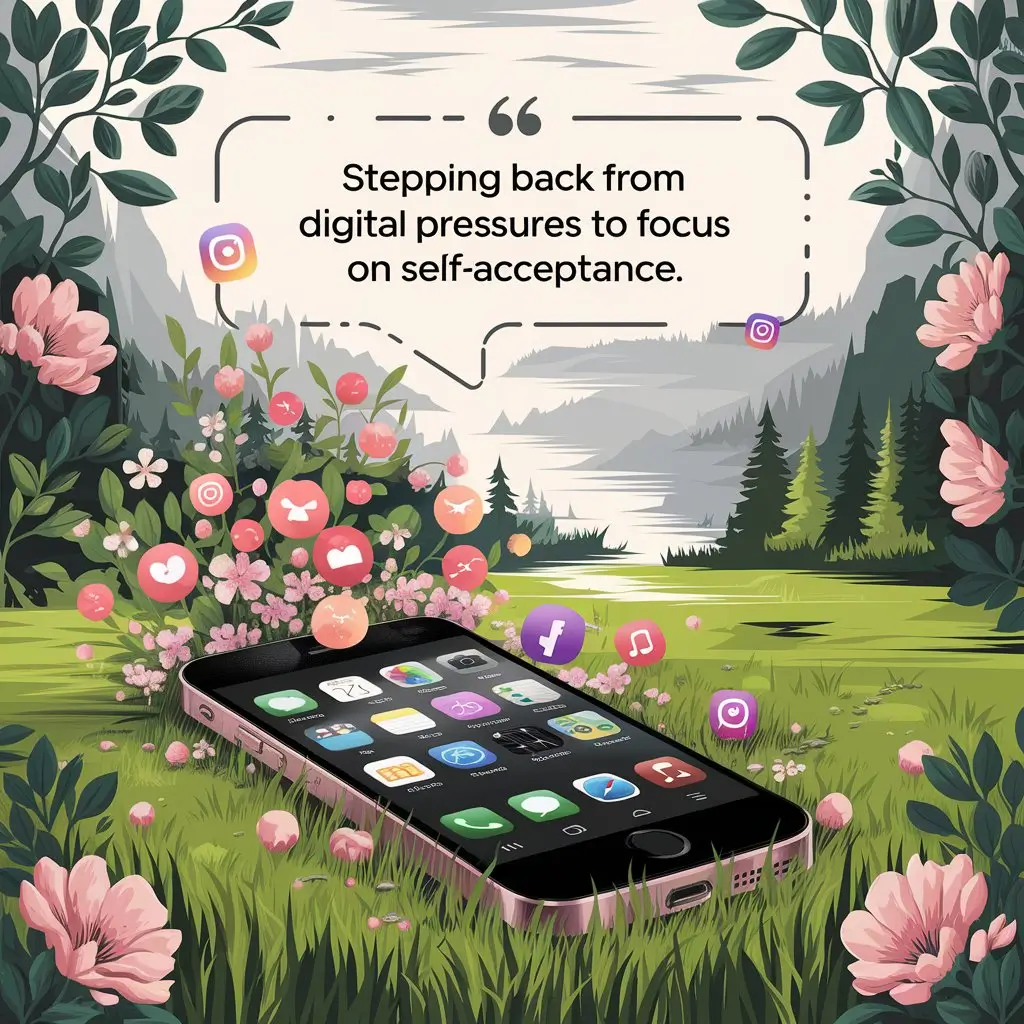
An artistic representation of a phone surrounded by nature, with social media icons fading away, illustrating the concept of stepping back from digital pressures to focus on self-acceptance.

The Role of Influencers and Their Impact on Body Image

Social media influencers have significant sway over their followers, often shaping beauty standards and lifestyle aspirations. Many influencers promote specific body types, fashion trends, and beauty products, creating a narrow definition of what is considered desirable. This can be particularly harmful for young and impressionable audiences who may feel compelled to emulate these figures, leading to unhealthy behaviors such as extreme dieting or over-exercising.

Moreover, the influencer culture often prioritizes aesthetics over authenticity. Many influencers curate their content to highlight only the best aspects of their lives, leading followers to believe that everyone else is living a picture-perfect existence. This can create a sense of isolation and alienation for those who struggle to meet these standards. As actress and body positivity advocate Jameela Jamil states, “We are all human. We are all flawed. We are all beautiful.”

The Effects of Body Shaming and Negative Comments

Body shaming has become an unfortunate byproduct of social media, with individuals often facing harsh criticism for their appearance. Whether it’s negative comments on a post or public ridicule, the impact of body shaming can be devastating.

High-profile cases of body shaming serve as reminders of how pervasive this issue is. Celebrities and public figures are not immune; they often become targets for criticism, leading to significant mental health struggles. The emotional toll can manifest in various ways, including anxiety, depression, and disordered eating.

Social media platforms can amplify these feelings, as the anonymity of the internet allows individuals to express negativity without accountability. This creates a toxic environment where bullying can thrive. It’s crucial to recognize that behind every comment is a real person with feelings. The importance of kindness and empathy in online interactions cannot be overstated.

The Pressure to Conform

The culture of social media not only promotes specific beauty standards but also creates pressure to conform to these ideals. Users may feel compelled to modify their appearance or behavior to fit in with what is deemed acceptable or trendy. This pressure can lead to a cycle of dissatisfaction, where individuals constantly chase an elusive ideal rather than embracing their unique qualities.

Additionally, the rise of viral challenges and trends can further exacerbate this pressure. Whether it’s a fitness challenge or a beauty trend, these movements often promote a singular image of health and beauty that may not be attainable or healthy for everyone.

Mindfulness Practices for Enhancing Body Positivity

Introduction to Mindfulness and Its Benefits

Mindfulness requires full engagement in the present moment as people learn to observe without passing any judgment. It encourages a deep awareness of our thoughts, feelings, and bodily sensations. By cultivating mindfulness, we can develop a more compassionate relationship with ourselves, which is especially important in a world that often promotes body dissatisfaction. The benefits of mindfulness extend beyond mere relaxation; they include improved mental health, reduced anxiety, and, crucially, a more positive body image.

When we practice mindfulness, we learn to observe our thoughts and feelings about our bodies without automatically accepting them as truths. This creates space for self-acceptance and fosters resilience against the negative influences of social media and societal standards. As we become more aware of our inner dialogue, we can challenge harmful beliefs and replace them with affirming thoughts.

Mindfulness Techniques to Improve Body Positivity

  1. Body Scans and Self-Awareness Exercises: One effective mindfulness practice is the body scan, which encourages individuals to connect with their physical selves in a non-judgmental way. This technique involves lying down comfortably and focusing on each part of the body, starting from the toes and moving up to the head. As you focus on each area, take note of any sensations, tension, or discomfort without trying to change anything. This practice fosters a sense of appreciation for what your body does rather than how it looks.
  2. Journaling About Body Image and Feelings: Journaling can be a powerful tool for self-reflection and emotional processing. Set aside time each day to write about your thoughts and feelings regarding your body. When evaluating your body you should reflect on what you appreciate about your physical self today or “How do I feel when I compare myself to others?” This practice can help you identify patterns in your thinking, challenge negative beliefs, and cultivate gratitude for your unique attributes. As you write, allow yourself to express both the positive and the negative, understanding that all feelings are valid.
  3. Positive Affirmations and Self-Compassion Practices: Incorporating positive affirmations into your daily routine can significantly shift your mindset. Start each day by looking in the mirror and reciting affirmations that resonate with you, such as “I am worthy of love and respect” or “My body is strong and capable.” Over time, these affirmations can help rewire your brain to focus on self-acceptance rather than self-criticism. Additionally, practicing self-compassion, treating yourself with the same kindness you would offer a friend, can mitigate feelings of inadequacy. Remind yourself that everyone struggles with self-doubt and that you are not alone in your journey.

Creating a Healthy Media Diet

Curating your social media feeds is another essential aspect of practicing mindfulness. Being intentional about the content you consume can make a significant difference in your mental well-being. Start by unfollowing accounts that trigger negative feelings about your body or self-worth. Instead, seek out body-positive influencers and communities that celebrate diversity and authenticity.

Consider setting boundaries around your social media use. For example, designate specific times for checking your feed, rather than mindlessly scrolling throughout the day. This mindful approach can help you avoid falling into the traps of comparison and dissatisfaction. By surrounding yourself with uplifting content, you can reshape your perception of beauty and reinforce positive self-image.

Mindful Movement and Physical Activity

Incorporating mindful movement into your routine can also enhance body positivity. Activities like yoga, tai chi, or even a gentle walk can help you connect with your body lovingly and respectfully. Focus on how your body feels during these activities rather than on how it looks. Pay attention to your breath, the sensations in your muscles, and the rhythm of your movements. This practice can foster a sense of appreciation for your body’s capabilities, promoting a healthier relationship with physical activity.

Conclusion

The negative effects of media representation on body image cannot be overstated. Toxic social media can create unrealistic standards that lead to body dissatisfaction. However, by incorporating mindfulness practices into our lives, we can cultivate a healthier and more positive relationship with our bodies. Remember, “You are more than a collection of your insecurities.” Embrace your unique beauty, and let go of the need to conform to society’s narrow definitions.