
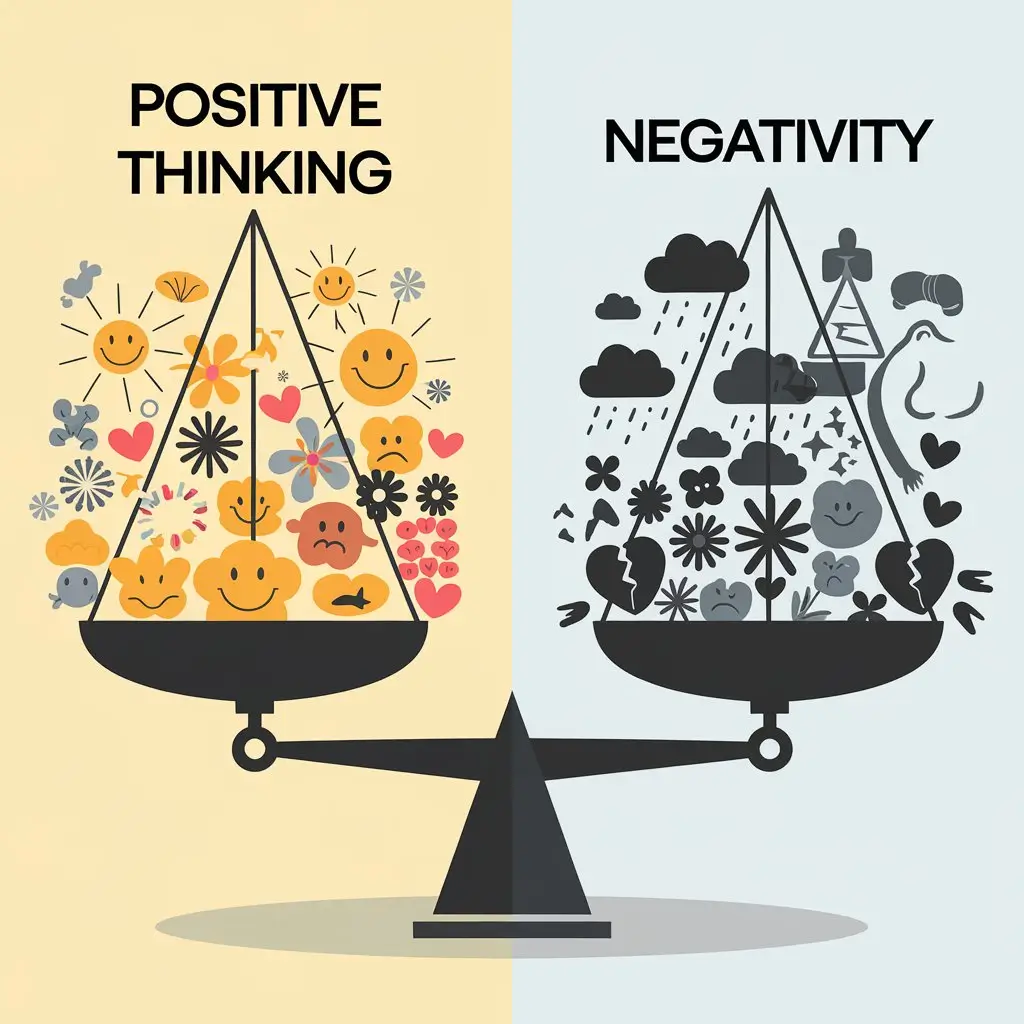
In a world that often champions positivity, it can be perplexing to understand why some individuals reject positive thinking in favor of a more negative outlook. While the benefits of optimism are well-documented, many find solace and comfort in negativity. This article explores the multifaceted reasons behind this phenomenon, delving into psychological, cultural, and personal factors that contribute to the rejection of positive thinking.
Understanding Positive Thinking
Definition of Positive Thinking
Positive thinking is more than just an optimistic outlook; it is a mental attitude that focuses on the bright side of life and anticipates positive outcomes. It involves consciously choosing to view challenges as opportunities for growth rather than insurmountable obstacles. Positive thinkers often practice reframing negative thoughts into constructive ones, enabling them to navigate difficulties with resilience. This mindset is not about ignoring reality or pretending that negative situations don’t exist; rather, it’s about acknowledging those situations while maintaining an overall hopeful perspective.
Benefits of Positive Thinking
The benefits of positive thinking are well-documented across various fields, including psychology, health, and personal development. Research indicates that individuals who adopt a positive mindset tend to experience a range of advantages:
- Improved Mental Health: Positive thinking is linked to lower levels of anxiety and depression. By focusing on positive aspects of life, individuals can reduce feelings of hopelessness and despair, leading to better emotional well-being.
- Enhanced Resilience: Those who practice positive thinking are often more resilient in the face of adversity. They tend to bounce back more quickly from setbacks, utilizing challenges as learning experiences rather than viewing them as failures.
- Better Physical Health: Studies have shown that positive thinkers may experience better physical health outcomes. This includes lower rates of cardiovascular disease, improved immune function, and a longer lifespan. The mind-body connection suggests that a positive attitude can influence overall health.
- A positive perspective strengthens motivation and brings about increased drive. When individuals believe that their efforts will lead to positive results, they are more likely to take risks, set ambitious goals, and pursue their passions with vigor.
- Stronger Relationships: Positive thinking can enhance interpersonal relationships. Those who maintain an optimistic perspective are often more enjoyable to be around, leading to more robust social connections and support networks.
- Greater Life Satisfaction: Ultimately, positive thinkers report higher levels of life satisfaction. By focusing on the good and maintaining hope for the future, they cultivate a sense of fulfillment and contentment, even amidst challenges.
Common Misconceptions about Positive Thinking
Despite its benefits, positive thinking is often misunderstood. Here are some common misconceptions:
- Positive Thinking Equals Blind Optimism: Many people equate positive thinking with ignoring reality or being naively optimistic. Positive thinking in its authentic form includes accepting obstacles but selecting solutions and optimistic outcomes.
- It’s a Quick Fix: Some believe that adopting a positive attitude will instantly solve their problems. In reality, while positive thinking can create a more constructive mindset, it is not a substitute for action or addressing underlying issues.
- Positivity is Always Beneficial: While positivity has its advantages, excessive positivity can lead to toxic positivity, where negative emotions are dismissed or invalidated. It’s essential to strike a balance between embracing positive thoughts and recognizing legitimate feelings of sadness, anger, or frustration.
- Anyone Can Just Choose to Be Positive: While adopting a positive mindset is beneficial, it can be challenging for those dealing with mental health issues or significant life stressors. Positive thinking often requires practice and may need to be complemented with professional support or therapy.
Techniques for Cultivating Positive Thinking
For those interested in developing a more positive mindset, various techniques can help:
- Gratitude Journaling: Regularly writing down things for which you are grateful can shift focus from negative experiences to positive ones, fostering a more optimistic outlook.
- Mindfulness Meditation: Practicing mindfulness can help individuals become more aware of their thoughts and feelings, allowing them to challenge negative patterns and cultivate a more positive mindset.
- Affirmations: Using positive affirmations can reinforce optimistic beliefs about oneself and one’s future, gradually changing negative self-talk into encouraging messages.
- Surrounding Yourself with Positivity: Engaging with positive people, uplifting content, and inspiring environments can enhance your ability to maintain a positive perspective.
- Reframing Negative Thoughts: Learning to recognize and reframe negative thoughts into constructive ones can help in developing a more positive outlook on life.
The Appeal of Negativity
Cognitive Dissonance
Cognitive dissonance refers to the mental discomfort experienced when an individual holds two or more contradictory beliefs or values. This psychological phenomenon can lead to significant stress, as people strive to resolve the conflict between their beliefs and their reality. For many, the act of embracing positive thinking can create dissonance. When faced with overwhelming challenges, adopting a positive mindset may feel like denying their lived experiences, leading to a preference for negativity. By rejecting positivity, individuals can alleviate this discomfort, allowing them to align their beliefs with their current emotional state. This alignment can provide a sense of authenticity, as they feel more in tune with their experiences and emotions.
Fear of Disappointment
The fear of disappointment is a powerful motivator that often drives individuals toward a negative outlook. When people set their sights on positive outcomes, they inherently raise their expectations. If these expectations are not met, the resulting disappointment can be emotionally devastating. To protect themselves from this potential pain, many choose to adopt a pessimistic viewpoint, which feels safer and more manageable. By anticipating negative outcomes, they create a psychological buffer that allows them to cope better with life’s inevitable challenges. This approach may lead to a more cautious and measured response to life events, providing a sense of control over their emotional well-being.
Emotional Validation
Negativity often provides a form of emotional validation that can be comforting. When individuals express their frustrations or disappointments, they may find solace in the understanding and empathy of others who share similar feelings. This shared experience reinforces a sense of belonging and community, making it easier to embrace a negative perspective. In contrast, positive thinking can sometimes feel isolating, particularly if one’s social circle or environment does not support or validate this mindset. By engaging in negative discourse, individuals may feel more accepted and understood, which can be a powerful motivator to remain entrenched in negativity.
Avoidance of Vulnerability
Embracing positivity often requires vulnerability, an openness to hope, dreams, and the possibility of failure. For many, this level of vulnerability can be daunting and uncomfortable. By rejecting positive thinking, individuals may feel they are shielding themselves from the emotional risks associated with vulnerability. Maintaining a negative outlook allows them to avoid the potential pain of disappointment and the fear of being judged for their aspirations. This avoidance can create a false sense of security, where individuals feel protected from the uncertainties of life.
Cultural and Societal Influences
Cultural and societal factors play a significant role in shaping attitudes toward negativity. In some cultures, a pragmatic approach that values realism and caution is celebrated over optimism. Individuals raised in these environments may internalize the belief that positivity is naïve or unrealistic. Furthermore, societal narratives often highlight the struggles and challenges people face, reinforcing the idea that negativity is a more authentic and relatable perspective. This cultural backdrop can create a compelling allure for negativity, making it feel more valid and justified than positive thinking.
Identity and Self-Perception
For some individuals, negativity becomes an integral part of their identity. They may see themselves as realists or critical thinkers who understand the complexities of life. This self-perception can lead to a sense of pride in their ability to recognize and articulate the darker aspects of existence. Over time, this identity can become entrenched, making it increasingly difficult to embrace positive thinking. As a result, they may resist any attempts to shift their mindset, viewing such efforts as a threat to their perceived authenticity.
The Role of Social Media
In today’s digital age, social media platforms often amplify negativity. The prevalence of negative news, critical commentary, and pessimistic viewpoints can create an echo chamber that reinforces a negative mindset. Users may find comfort in the shared frustrations and grievances expressed online, leading them to adopt similar attitudes. This environment can normalize negativity, making it feel more acceptable and even necessary in navigating a complex world. The constant exposure to negativity can make it challenging for individuals to seek out or embrace positive perspectives.
Cultural and Social Influences
Cultural Attitudes Towards Positivity
Cultural perspectives significantly shape how individuals view positivity and negativity. In many Western cultures, especially in the United States, there is a strong emphasis on individualism and the idea that one can control their destiny through positive thinking. This cultural narrative promotes the belief that optimism is not only beneficial but also necessary for success. However, in other cultures, particularly in collectivist societies, the value placed on community and shared experiences may lead to a more cautious approach. Here, the focus may be on group harmony and realism, with an understanding that life is filled with challenges and uncertainties. In such contexts, positive thinking may be seen as unrealistic or even harmful, leading individuals to embrace a more pragmatic or negative viewpoint as a way to navigate their social world.
Social Dynamics and Group Identity
Human beings are inherently social creatures, and the dynamics of group identity significantly influence attitudes toward positivity and negativity. Within social groups, shared values and beliefs create a sense of belonging. When negativity is prevalent in a group, be it family, friends, or colleagues, individuals may feel pressured to conform to that mindset to maintain group cohesion. This phenomenon can be particularly pronounced when venting frustrations and sharing negative experiences are normalized. As a result, embracing negativity becomes a way to connect with others, fostering camaraderie through shared struggles and grievances.
The Influence of Language
Language plays a crucial role in shaping thought patterns and perceptions. In cultures where the language emphasizes negative experiences or outcomes, individuals may find it easier to adopt a negative mindset. For example, languages that have a wealth of vocabulary to describe negative emotions or failures may inadvertently encourage speakers to dwell on these aspects. Conversely, cultures that celebrate positive language and expressions of gratitude may foster a more optimistic outlook. The linguistic framework can influence how individuals articulate their experiences, shaping their overall worldview.

Media Representation
Media, be it news, television, or social media, has a profound impact on societal attitudes. The portrayal of negativity in media often reinforces a pessimistic outlook. News outlets tend to focus on negative events, disasters, and conflicts, as these stories attract more attention and engagement. This constant exposure can create a skewed perception of reality, leading individuals to believe that negativity is more prevalent than positivity. Additionally, social media platforms often amplify negative sentiments, as users tend to share grievances and frustrations more frequently than positive experiences. This environment cultivates a culture where negativity feels more normalized and prevalent.
Historical Context
Historical events also shape cultural attitudes toward positivity and negativity. Societies that have experienced significant turmoil, such as wars, economic crises, or political oppression, may develop a collective mindset that prioritizes caution and skepticism. In these contexts, positivity may be viewed as naïve, while negativity becomes a form of realism that acknowledges the harsh truths of life. The collective memory of hardship can influence the values and beliefs passed down through generations, perpetuating a cycle of negativity.
Generational Differences
Different generations may have varying attitudes toward positivity and negativity, influenced by the unique challenges and contexts they face. For example, older generations who lived through significant economic downturns or wars may have a more cautious outlook compared to younger generations who may have been raised in more stable environments. The rise of social media and the internet has also shaped how younger individuals perceive positivity and negativity, often leading to a blend of optimism and skepticism. Understanding these generational differences can provide insight into the broader cultural landscape regarding attitudes toward positivity.
The Role of Education
Education systems also play a crucial role in shaping attitudes toward positivity and negativity. Schools that emphasize social-emotional learning and resilience training can foster a more positive mindset among students. Conversely, educational environments that focus solely on standardized testing and achievement may inadvertently promote a culture of competition and negativity, where failure is stigmatized. The values instilled in students during their formative years can have lasting effects on their attitudes and behaviors as adults.
Personal Experiences and History
Impact of Past Negative Experiences
Past disappointments significantly shape current attitudes. Individuals who have faced repeated setbacks may adopt a pessimistic outlook as a protective measure, believing it to be more realistic than positivity.
The Role of Trauma and Adversity
Trauma can profoundly influence one’s worldview. Those who have experienced significant adversity may find it difficult to embrace positivity, viewing it as an oversimplification of their complex experiences.
Psychological Mechanisms
Negativity Bias
Negativity bias refers to the tendency for individuals to focus more on negative experiences than positive ones. This bias has evolutionary roots, as recognizing threats was crucial for survival. As a result, negativity can feel more instinctive and comforting.
B. Defense Mechanisms
Psychological defense mechanisms, such as rationalization and denial, often promote negativity. These mechanisms can help individuals cope with uncomfortable emotions but may also hinder their ability to embrace positive thinking.
Perception of Positivity
Naïveté vs. Realism
Many individuals perceive positivity as naïve, believing it overlooks the complexities and difficulties of life. This skepticism often leads to a rejection of positive thinking in favor of a more grounded approach.
Skepticism of Self-Help Culture
The rise of self-help movements has led some to view positivity as superficial or “fluff.” This skepticism can reinforce negative attitudes, as individuals dismiss tools that promote optimism.
The Comfort of Negativity
Emotional Validation
Negativity can provide emotional validation. When people express frustrations or disappointments, they often feel understood and supported by others who share similar feelings, reinforcing their attachment to negative thinking.
Avoiding Change and Discomfort
Embracing positive thinking often requires change, which can be uncomfortable. By rejecting positivity, individuals may avoid the discomfort associated with personal growth and transformation.
Navigating the Balance
The Importance of a Balanced Perspective
While negativity can feel comforting, it is essential to find a balance. Integrating both positive and negative thinking can lead to a more nuanced understanding of life and its challenges.
Strategies for Cultivating a Healthier Mindset
To foster a healthier mindset, individuals can practice mindfulness, engage in self-reflection, and seek support from others. These strategies can help them acknowledge negative feelings while also embracing positivity.
Conclusion
In conclusion, the rejection of positive thinking in favor of negativity is a complex issue influenced by cognitive, cultural, and personal factors. Understanding these dynamics can provide valuable insights into human behavior and mental health. By exploring personal attitudes towards positivity and negativity, individuals may find opportunities for growth and a more balanced approach to life. Ultimately, embracing both perspectives can lead to a richer and more fulfilling existence