
Self-Sabotage: Identify and Overcome Negative Patterns

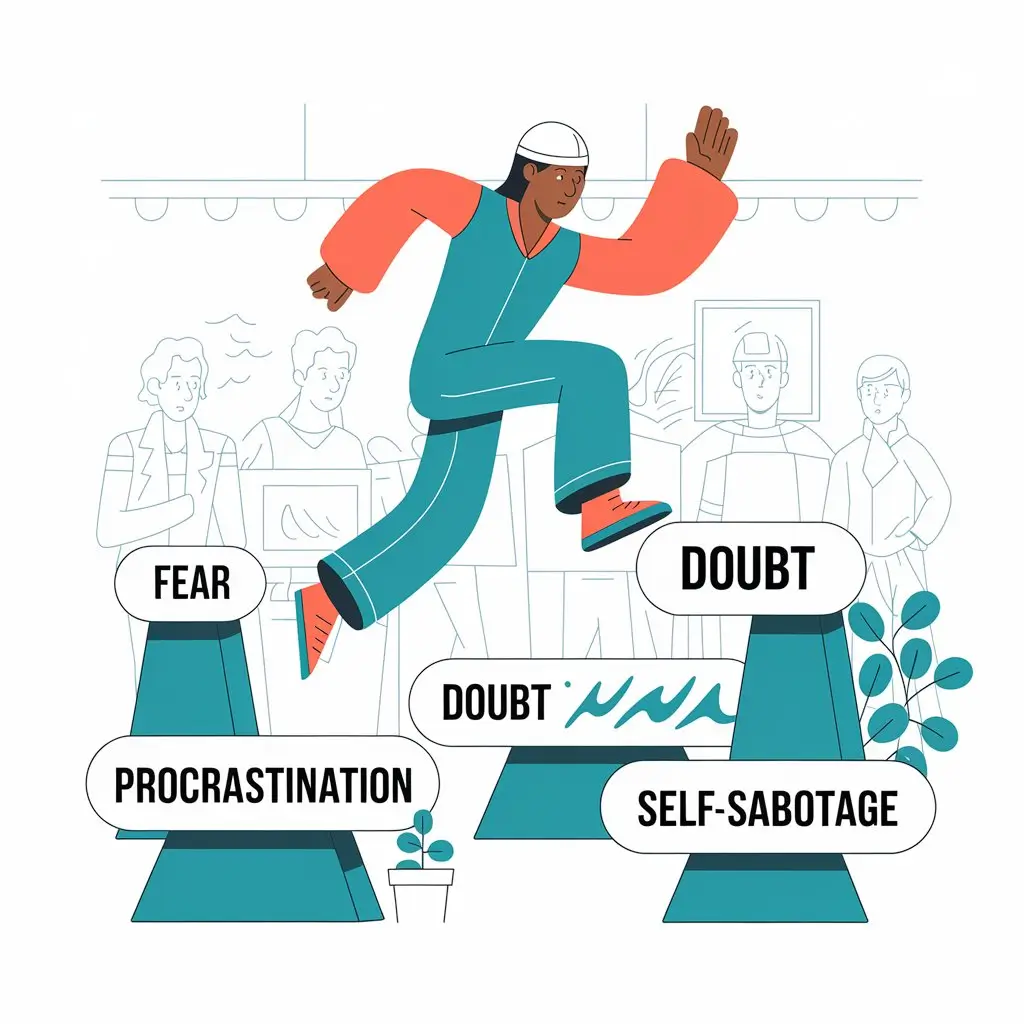
A person jumping over various obstacles labeled with negative thoughts (like "fear," "doubt," "procrastination") to illustrate the challenges of self-sabotage.

Self-sabotage refers to the behaviors and thought patterns that undermine our success and happiness. The different ways humans deal with self-limiting beliefs include procrastinating and speaking negatively to themselves, which ultimately stifles their progress. Understanding these self-defeating behaviors is crucial for personal growth and achieving our goals. This article will explore the nature of self-sabotage, its signs, the cycle it creates, strategies to overcome it, and the importance of support systems in this journey.

Understanding Self-Sabotage

Self-sabotage is a complex phenomenon that involves a range of behaviors and thought patterns that undermine our own success and well-being. It manifests in various forms, often leading us to make choices that hinder our progress rather than promote it. Understanding the nature of self-sabotage is crucial for recognizing its impact on our lives and taking steps to overcome it.

Explanation of Self-Sabotage

At its core, self-sabotage is about actions and beliefs that work against our best interests. Common examples include:

  1. Procrastination: This is one of the most prevalent forms of self-sabotage. Individuals may delay important tasks due to fear of failure, perfectionism, or even a lack of motivation. For instance, someone might put off studying for an important exam, choosing to binge-watch a show instead. This behavior not only increases stress but also leads to poor performance and feelings of regret.
  2. Perfectionism: While striving for excellence can be a positive trait, perfectionism can become self-sabotaging when it leads to unrealistic expectations. Individuals may set such high standards for themselves that they become paralyzed by the fear of not meeting those standards. This often results in inaction, as the individual may prefer to avoid a task altogether rather than risk producing something that falls short of their ideal.
  3. Negative Self-Talk: The internal dialogue we maintain has a profound impact on our self-esteem and motivation. Engaging in negative self-talk, such as telling yourself you’re not good enough or that you’ll fail, can create a self-fulfilling prophecy. This ongoing negativity can erode confidence and lead to further self-sabotaging behaviors.

Psychological Roots of Self-Sabotage

Understanding the psychological roots of self-sabotage can shed light on why individuals engage in these behaviors. Several key factors contribute:

  1. Fear of Failure: Many people fear failure so intensely that they choose to avoid challenges altogether. This fear can stem from past experiences or societal pressures, leading individuals to convince themselves that it’s safer not to try than to risk falling short.
  2. People unexpectedly self-sabotage through their fear of reaching their objectives. Success can bring new responsibilities, expectations, and changes that some individuals may find overwhelming. The thought of living up to new standards can create anxiety, prompting them to undermine their efforts to avoid the perceived stress of success.
  3. Low Self-Esteem and Self-Worth: Individuals with low self-esteem may believe they are unworthy of success or happiness. This belief can manifest as self-sabotaging behavior, as they may actively seek out ways to confirm their negative self-image. Whether through self-criticism or avoidance, these individuals may find themselves trapped in a cycle of self-defeat.
  4. Imposter Syndrome: Many high-achieving individuals experience imposter syndrome, where they doubt their accomplishments and fear being exposed as a fraud. This syndrome can lead to self-sabotage as they may avoid opportunities that could validate their abilities, fearing that they will not live up to expectations.

The Impact of Self-Sabotage

The coSelf-sabotaging behavior has widespread effects that reach different areas of life from personal connections to professional achievements and psychological state. For instance, consistently procrastinating on work projects can lead to job-related stress, missed deadlines, and ultimately, job loss. Relationship self-sabotage takes the form of driving people away while also preventing closeness because of the deep fear of revealing oneself to others.

Signs of Self-Sabotaging Behavior

Recognizing self-sabotaging behaviors is a critical step in overcoming them. These behaviors often manifest in subtle ways, making them easy to overlook or rationalize. By being aware of the signs, individuals can identify patterns that hinder their progress and take proactive steps toward change. Here are some common indicators of self-sabotage:

A photo of a goal or dream (like a graduation cap or travel destination) torn in half, representing how self-sabotage can disrupt aspirations.

Common Indicators

  1. Procrastination:
    • Definition: Procrastination involves delaying tasks that need to be completed, often leading to last-minute stress and subpar results.
    • Examples: An individual may put off studying for an important exam until the night before or delay starting a project at work due to fear of not meeting expectations.
    • Impact: This behavior not only increases anxiety but can also result in missed deadlines, reduced performance, and a cycle of guilt and shame.
  2. Perfectionism:
    • Definition: Perfectionism is the tendency to set excessively high standards for oneself, often leading to dissatisfaction and frustration.
    • Examples: Someone may spend an inordinate amount of time refining a presentation to the point of missing the deadline or avoid submitting work altogether because it doesn’t meet their ideal.
    • Impact: Perfectionism can lead to burnout, as individuals may feel they are never good enough, ultimately stifling creativity and productivity.
  3. Negative Self-Talk:
    • Definition: Negative self-talk involves internal dialogues that undermine confidence and foster self-doubt.
    • Examples: Phrases like “I’m not smart enough” or “I’ll never succeed” are common manifestations of negative self-talk.
    • Impact: This internal narrative can create a self-fulfilling prophecy, where individuals begin to believe they are incapable, leading to further self-sabotaging behaviors.
  4. Avoidance:
    • Definition: Avoidance is the tendency to steer clear of situations or tasks that provoke anxiety or discomfort.
    • Examples: An individual might avoid social gatherings due to fear of judgment or skip important meetings at work to avoid confronting difficult issues.
    • Impact: This can lead to isolation and missed opportunities, reinforcing feelings of inadequacy and anxiety.
  5. Self-Criticism:
    • Definition: Self-criticism involves harshly judging oneself for perceived failures or shortcomings.
    • Examples: An individual may berate themselves for making a mistake or not achieving a goal, often focusing on flaws rather than successes.
    • Impact: This behavior can erode self-esteem and encourage a negative self-image, making it difficult to take risks or pursue new opportunities.
  6. Overcommitment:
    • Definition: Overcommitment refers to taking on too many responsibilities, often as a way to distract from personal issues or fears.
    • Examples: A person might volunteer for multiple projects at work while neglecting their personal needs or goals.
    • Impact: This can lead to burnout, stress, and feelings of being overwhelmed, ultimately hindering both personal and professional growth.

Impact on Personal and Professional Life

The signs of self-sabotaging behavior can significantly affect various aspects of life:

  1. Missed Opportunities: Self-sabotage can lead to hesitance in pursuing new opportunities, whether in career advancement, educational pursuits, or personal relationships. Individuals may find themselves stuck in their current situations, unable to take the necessary steps for growth.
  2. Strained Relationships: Avoidance and negative self-talk can create barriers in personal relationships. Friends and family may feel pushed away, leading to isolation and loneliness. Additionally, perfectionism can cause individuals to set unrealistic expectations for others, resulting in frustration and conflict.
  3. Decreased Motivation: The cycle of self-sabotage can erode motivation over time. Constantly battling negative thoughts and feelings of inadequacy can drain energy and enthusiasm, making it difficult to engage in activities that once brought joy or fulfillment.
  4. People who engage in persistent self-harm behaviors run a greater risk of developing anxiety and depression as mental health conditions. The stress of feeling stuck or inadequate can create a vicious cycle, where individuals feel trapped in their patterns, leading to further emotional distress.

Recognizing and Acknowledging Signs

Awareness is the first step toward breaking free from self-sabotaging behaviors. Keeping a journal to track thoughts and behaviors can help individuals identify patterns and triggers. Reflecting on moments of procrastination, perfectionism, or negative self-talk can illuminate the areas that require attention and change.

The Cycle of Self-Sabotage

Self-sabotage often operates as a cyclical pattern, where one negative behavior reinforces another, creating a loop that can be difficult to escape. People need to grasp the cycle’s dynamics to break unproductive habits along with building a new mentally healthy foundation. Here, we will explore how self-sabotage perpetuates itself and discuss strategies for breaking this damaging cycle.

How Self-Sabotage Perpetuates Itself

  1. Triggering Events:
    • Definition: A triggering event is any situation or experience that provokes an emotional response, often leading to self-sabotaging behavior.
    • Examples: Stressful situations like a looming deadline, a significant life change, or interpersonal conflict can trigger feelings of anxiety or inadequacy.
    • Effect: These triggers can activate negative thought patterns, causing individuals to retreat into self-sabotaging behaviors as a coping mechanism.
  2. Emotional Responses:
    • Definition: Emotional responses are the feelings that arise in reaction to triggering events, which can include anxiety, fear, or frustration.
    • Examples: After receiving critical feedback at work, an individual may feel overwhelmed, prompting them to avoid future challenges or opportunities.
    • Effect: These emotions can reinforce the belief that one is incapable or unworthy, leading to a cycle of avoidance and self-doubt.
  3. Self-Defeating Behaviors:
    • Definition: These are actions taken in response to emotional distress that ultimately hinder one’s progress.
    • Examples: Engaging in procrastination, excessive self-criticism, or withdrawal from social situations can all be forms of self-sabotage.
    • Effect: Such behaviors may provide temporary relief from anxiety but ultimately lead to missed opportunities and increased feelings of guilt or shame.
  4. Reinforcement of Negative Beliefs:
    • Definition: This refers to the process by which self-defeating behaviors reinforce underlying negative beliefs about oneself.
    • Examples: If an individual avoids a job opportunity due to fear of failure, the resulting inactivity reinforces the belief that they are not capable of success.
    • Effect: This reinforces a cycle where negative beliefs lead to further avoidance and self-sabotage, perpetuating the feeling of being stuck.

A vibrant garden in full bloom, representing personal growth and the positive outcomes of breaking free from self-sabotage.

Breaking the Cycle

  1. Recognizing Triggers:
    • Definition: The first step in breaking the cycle is to identify the specific triggers that lead to self-sabotaging behaviors.
    • Examples: Keeping a journal to document situations that provoke anxiety or negative self-talk can help pinpoint patterns.
    • Strategy: Once triggers are recognized, individuals can prepare strategies to address them more constructively.
  2. Developing Self-Awareness:
    • Definition: Self-awareness involves understanding one’s thoughts, feelings, and behaviors, allowing for more intentional responses.
    • Examples: Practicing mindfulness can help individuals become more aware of their emotional responses and thought patterns.
    • Strategy: Mindfulness techniques such as meditation or deep-breathing exercises can reduce anxiety and improve emotional regulation.
  3. Challenging Negative Thoughts:
    • Definition: This involves actively questioning and reframing negative beliefs that contribute to self-sabotage.
    • Examples: Instead of thinking, “I can’t handle this,” individuals can reframe it to, “I can learn and grow from this experience.”
    • Strategy: Cognitive-behavioral techniques can provide tools for challenging and changing these negative thought patterns.
  4. Setting Realistic Goals:
    • Definition: Establishing achievable goals can help individuals break the cycle of self-sabotage by providing clear, manageable steps.
    • Examples: Instead of aiming for perfection, focus on completing a task to the best of one’s ability and celebrating progress.
    • Strategy: Breaking larger tasks into smaller, more manageable parts can make them feel less overwhelming and reduce the temptation to procrastinate.
  5. Seeking Support:
    • Definition: Engaging with friends, family, or professional counselors can provide encouragement and accountability.
    • Examples: Sharing struggles with trusted individuals can offer new perspectives and coping strategies.
    • Strategy: Joining support groups or seeking therapy can create a safe space for discussing challenges and gaining insights from others.

The Importance of Breaking the Cycle

Breaking the cycle of self-sabotage is essential for personal growth and well-being. By addressing the underlying triggers and emotional responses, individuals can begin to replace self-defeating behaviors with more constructive habits. This shift not only fosters resilience but also opens up new opportunities for success and fulfillment.

Strategies to Overcome Self-Sabotage

Overcoming self-sabotage involves several key strategies:

  1. Building self-awareness: Journaling and reflecting on thoughts and behaviors can help identify patterns of self-sabotage. Seeking feedback from trusted friends or mentors can also provide valuable insights.
  2. Reframing negative thoughts: Cognitive restructuring techniques can help challenge and change negative beliefs. Practicing positive affirmations can reinforce a healthier self-image.
  3. Setting realistic goals: Breaking tasks into manageable steps can make them less daunting. Celebrating small achievements along the way fosters a sense of progress and motivation.

The Role of Support Systems

Support systems play a crucial role in overcoming self-sabotage and fostering personal growth. These networks, which can include friends, family, mentors, or professional counselors, provide the encouragement and accountability necessary to challenge self-defeating behaviors. Here’s a deeper look at how support systems can aid in this journey:

Importance of Seeking Help

  1. Emotional Support:
    • Supportive individuals can offer a listening ear and validate feelings, helping to alleviate the isolation often associated with self-sabotage. This emotional connection can provide comfort during challenging times, reminding individuals they are not alone in their struggles.
  2. Perspective and Feedback:
    • Friends and mentors can offer valuable perspectives that individuals may not see themselves. They can help identify self-sabotaging behaviors and suggest alternative approaches, fostering a sense of accountability and motivation to change.
  3. Encouragement to Take Risks:
    • A strong support system can empower individuals to step outside their comfort zones. Encouragement from trusted friends or family can make it easier to pursue opportunities that may feel intimidating, reducing the fear of failure.

Building a Supportive Network

  1. Identifying Positive Influences:
    • It’s important to surround oneself with individuals who uplift and inspire. Reflecting on current relationships can help identify those who contribute positively to personal growth and those who may inadvertently reinforce self-sabotaging behaviors.
  2. Fostering Healthy Relationships:
    • Building and maintaining healthy relationships requires open communication and mutual support. Engaging in honest conversations about struggles and aspirations can strengthen bonds and create a safe space for growth.
  3. Engaging in Group Activities:
    • Participating in group activities, such as support groups or community organizations, can provide a sense of belonging. These environments encourage shared experiences and collective growth, reinforcing the idea that overcoming challenges is a communal effort.

Professional Help

  1. Therapy and Counseling:
    • Seeking professional help can provide specialized tools and strategies to address self-sabotaging behaviors. Therapists can offer insights into the psychological roots of these behaviors and guide individuals in developing healthier coping mechanisms.
  2. Workshops and Seminars:
    • Attending workshops focused on personal development can connect individuals with like-minded peers while providing practical skills to combat self-sabotage. These environments often foster a sense of community and shared purpose.

Conclusion

In summary, self-sabotage is a complex but common issue that can hold us back from achieving our full potential. By recognizing the signs, understanding the cycle, and implementing strategies to overcome these behaviors, we can take proactive steps toward personal growth. Remember, the journey to overcoming self-sabotage is ongoing, and seeking support is a vital part of this process.


Perspective Shift: Achieve Greater Life Satisfaction

Two individuals sitting on a park bench, discussing passionately with visual thought bubbles showcasing their contrasting perspectives. This illustrates the importance of understanding different viewpoints.

Perspective is the lens through which we interpret our experiences, influencing our thoughts, emotions, and actions. The way we perceive situations can significantly alter our emotional responses, shaping our mental health and overall well-being. This article explores how shifting one’s perspective can lead to enhanced mental health and emotional resilience, empowering individuals to navigate life’s challenges more effectively.

Understanding Perspective

What Perspective Means

At its core, perspective refers to the way we view and interpret the world around us. This view is shaped by various factors, including our background, experiences, beliefs, and cultural influences. Personal perspective is unique to each individual, while collective perspectives can emerge within communities or cultures, influencing shared beliefs and values.

The Psychological Basis of Perspective

The psychological basis of perspective lies in cognitive biases, systematic patterns of deviation from norm or rationality in judgment. These biases can distort our perception of reality, often leading to negative emotional outcomes. For example, confirmation bias can cause us to seek out information that supports our existing beliefs while ignoring contradictory evidence. Understanding how perspective works is crucial in recognizing its power over our emotional responses and decision-making processes.

The Influence of Background and Experience

Our backgrounds and life experiences play a significant role in shaping our perspectives. Factors such as upbringing, education, and cultural context contribute to how we interpret events and situations. For instance, someone who has faced significant challenges may develop a perspective that emphasizes resilience and adaptability, while another who has experienced consistent support might approach difficulties with a different outlook. Recognizing these influences can help us understand why we, and others, react the way we do in various situations.

The Emotional Impact of Perspective

The Interplay Between Perspective and Emotion

Our emotional responses are profoundly influenced by our perspective. The way we interpret events can lead to vastly different emotional outcomes, shaping not only our feelings but also our behaviors and interactions with others. For instance, consider two individuals facing the same setback, one might perceive it as a personal failure, while the other sees it as a valuable learning experience. This difference in perspective can lead to contrasting emotional states, influencing everything from motivation to self-esteem.

Positive Perspectives and Their Benefits

Positive perspectives can significantly enhance our emotional well-being. When we approach challenges with an optimistic mindset, we are more likely to experience feelings of hope, resilience, and empowerment. Viewing obstacles as opportunities for growth can foster a proactive attitude, encouraging us to take constructive steps toward improvement. Research has shown that individuals with a positive outlook tend to have lower levels of stress, improved immune function, and greater overall life satisfaction.

For example, someone who faces a job loss might initially feel devastated. However, if they shift their perspective to view this as an opportunity to explore new career paths or pursue passions they had previously set aside, they can experience renewed motivation and excitement. This shift not only mitigates feelings of despair but also opens up new avenues for personal and professional growth.

The Detrimental Effects of Negative Perspectives

Conversely, negative perspectives can lead to detrimental emotional states. Individuals who consistently focus on their shortcomings or view situations through a lens of pessimism may experience heightened anxiety, depression, and feelings of inadequacy. This can create a self-fulfilling cycle where negative thoughts perpetuate feelings of hopelessness, making it increasingly difficult to break free from this mindset.

For instance, someone who constantly believes they are not good enough may shy away from challenges, fearing failure. This avoidance can reinforce their negative self-image, leading to further emotional distress. Recognizing the impact of these negative thought patterns is crucial for addressing and reshaping them.

The Role of a Growth Mindset

Research has shown that adopting a growth mindset, believing that abilities and intelligence can be developed, can significantly improve mental health and emotional resilience. This mindset encourages individuals to embrace challenges rather than shy away from them. By viewing failures as opportunities to learn and grow, individuals can transform their emotional landscape, moving from a place of fear and self-doubt to one of curiosity and resilience.

For example, students who adopt a growth mindset are more likely to persevere through academic challenges, viewing setbacks as stepping stones to mastery rather than insurmountable obstacles. This shift not only enhances their academic performance but also boosts their confidence and overall well-being.

An individual standing on a hilltop, looking through a telescope towards a bright horizon. This represents the idea of gaining a broader perspective on life.

Emotional Regulation and Perspective

The ability to regulate emotions is also closely tied to perspective. When we adopt a more flexible viewpoint, we can better manage our emotional responses. For instance, during conflicts, viewing the situation from the other person’s perspective can foster empathy and reduce anger or frustration. This emotional regulation leads to healthier interactions and improved relationships.

Moreover, practicing mindfulness can enhance our ability to shift perspectives. Mindfulness encourages us to observe our thoughts and feelings without judgment, allowing us to detach from negative thought patterns and gain clarity in challenging situations. This practice promotes emotional awareness, helping us respond to experiences with greater calm and composure.

Techniques for Shifting Perspective

Shifting perspective is not merely an abstract concept; it involves practical techniques that can be consciously applied to alter the way we think and feel about various situations. Here, we explore several powerful methods that can help individuals cultivate a more positive and flexible perspective in their daily lives.

Cognitive Reframing

Cognitive reframing is a fundamental technique that involves changing the way we think about a situation. It encourages us to identify negative thoughts and replace them with more constructive ones. The process typically includes several steps:

  1. Identify Negative Thoughts: The first step is to become aware of your negative thought patterns. Journaling can be an effective way to track your thoughts and identify recurring negative beliefs.
  2. Challenge the Thoughts: Once you’ve identified these thoughts, ask yourself whether they are based on facts or assumptions. Are there alternative explanations for the situation? This step involves questioning the validity of your thoughts and considering other possibilities.
  3. Reframe the Situation: After challenging negative thoughts, reframe the situation in a more positive light. For example, instead of thinking, “I failed at this task,” you might reframe it as, “I learned valuable lessons from this experience and can improve next time.” This reframing allows for a more constructive view that can enhance motivation and resilience.
  4. Practice Gratitude: Incorporating gratitude into this process can further shift your perspective. By recognizing and appreciating the positive aspects of your life, you can counterbalance negative thoughts and cultivate a more optimistic outlook.

Mindfulness and Awareness

Mindfulness is a practice that encourages us to observe our thoughts and feelings without judgment, promoting a broader perspective. Engaging in mindfulness can lead to several benefits:

  1. Increased Emotional Awareness: Mindfulness helps individuals become more aware of their emotional responses. By observing thoughts and feelings without immediate reaction, you can create space for reflection and allow for a more measured response.
  2. Stress Reduction: Regular mindfulness practice has been shown to reduce stress and anxiety. When we practice being present in the moment, we can detach from negative thought patterns that often exacerbate worry and fear.
  3. Techniques for Mindfulness: Incorporating mindfulness into daily life can take various forms, including meditation, deep breathing exercises, or mindful walking. Each of these practices encourages a focus on the present moment, helping to foster a sense of calm and clarity.
  4. Mindful Reappraisal: This involves consciously deciding to reinterpret a stressful situation. For instance, if you’re facing a challenging deadline, instead of viewing it as a threat, you might see it as an opportunity to showcase your skills and learn time management. This shift can significantly alter your emotional response.

Seeking Diverse Viewpoints

Engaging with diverse perspectives can enrich our understanding of complex issues. This technique involves several practical steps:

  1. Engage in Conversations: Actively seek out discussions with individuals who hold different viewpoints. Listening to others’ experiences and interpretations can expose you to new ideas and ways of thinking.
  2. Read Widely: Consume literature, articles, and media from various sources that challenge your current beliefs. This exposure can help broaden your understanding and encourage critical thinking about your own perspectives.
  3. Travel and Cultural Exposure: If possible, travel to different places or engage with people from various cultures. Experiencing different ways of life can provide valuable insights and help you appreciate the diversity of human experience.
  4. Putting effort into stepping into another person’s position should become a deliberate habit. This practice not only fosters compassion but also allows you to see situations from multiple angles, enriching your understanding and reshaping your perspective.

Visualization Techniques

Visualization is a powerful tool for shifting perspective, allowing individuals to mentally explore different outcomes and scenarios. Here’s how to apply it effectively:

  1. Guided Imagery: Use guided imagery techniques to visualize positive outcomes. Imagine yourself successfully navigating challenges or achieving your goals. This can bolster confidence and motivate you to take action.
  2. Future Self Visualization: Picture your future self and the perspective you would like to cultivate. What qualities does this version of you embody? This technique can help clarify your aspirations and encourage you to adopt behaviors that align with that vision.
  3. Scenario Rehearsal: Before facing a challenging situation, visualize how you would like to respond. Imagine handling the situation with grace and confidence. This mental rehearsal can prepare you to approach real-life situations with a more positive mindset.
A close-up of a lightbulb glowing brightly against a dark background, representing the 'aha!' moments that come with shifting one's perspective.

Journaling for Perspective Shifts

Journaling is a powerful technique for processing thoughts and emotions, helping to clarify perspectives. Here are some effective journaling practices:

  1. Daily Reflection: Set aside time each day to reflect on your experiences and feelings. Write about situations that challenged your perspective and how you might reframe them.
  2. Prompt-Based Journaling: Use prompts that encourage you to think differently, such as “What’s a positive outcome I can envision from this situation?” or “What lessons can I learn from this challenge?”
  3. Gratitude Journaling: Maintain a gratitude journal where you regularly write down things you appreciate. Following this practice enables you to shift your attention from what is missing to what has abundance in your life.

Real-Life Applications of Perspective Shifts

Personal Anecdotes and Testimonials

The benefits of shifting perspective are vividly illustrated through personal anecdotes and testimonials. Many individuals have shared how changing their viewpoint transformed their experiences. For example, someone who faced a significant career setback might initially feel defeated but later realizes that this situation opened doors to new opportunities they hadn’t considered before. These stories highlight the power of perspective in reshaping our narratives and emotional responses.

Examples from Famous Figures

Historical figures often exemplify the transformative power of perspective shifts. Take Nelson Mandela, for instance; during his long imprisonment, he chose to view his situation not as a personal failure but as a chance to foster change and advocate for equality. His ability to reframe his circumstances allowed him to emerge as a global leader, demonstrating how a shift in perspective can lead to monumental change, both personally and socially.

Practical Applications in Various Life Areas

The application of perspective shifts extends to numerous aspects of life. In relationships, for instance, viewing conflicts as opportunities for growth rather than battles to win can lead to healthier communication and deeper connections. In the workplace, adopting a perspective that embraces challenges as learning experiences can enhance teamwork and innovation. Additionally, in personal challenges, such as health issues or financial difficulties, shifting focus from problems to potential solutions can empower individuals to take proactive steps toward improvement.

The Long-Term Benefits of Perspective Shifts

Enhanced Emotional Resilience

The long-term benefits of perspective shifts extend well beyond immediate emotional relief. One of the most significant advantages is the enhancement of emotional resilience. Emotional resilience refers to our ability to adapt to stress and adversity, bounce back from challenges, and maintain a sense of well-being in the face of difficulties.

  1. Coping Mechanisms: When individuals adopt a more positive perspective, they develop healthier coping mechanisms. Instead of succumbing to feelings of helplessness during tough times, they learn to view challenges as opportunities for growth. This proactive approach enables them to tackle problems with a solutions-oriented mindset, ultimately leading to better outcomes.
  2. Sustained Motivation: A resilient perspective fosters sustained motivation. When setbacks are viewed as part of the learning process rather than as failures, individuals are more likely to persist in the face of challenges. This persistence not only helps them achieve their goals but also builds confidence in their ability to handle future obstacles.
  3. Long-Term Mental Health Benefits: Studies have shown that individuals with higher emotional resilience experience lower levels of anxiety and depression. By shifting perspectives to focus on the positive aspects of situations, individuals can cultivate a more stable emotional state over time, leading to improved mental health outcomes.

Improved Relationships and Communication

Another significant benefit of shifting perspective is the positive impact on relationships and communication. A broader perspective fosters empathy and understanding, which are crucial components of healthy interpersonal interactions.

  1. Empathy Development: When individuals actively seek to understand others’ viewpoints, they can develop greater empathy. This understanding allows for deeper connections and more meaningful relationships. For instance, in conflicts, a shift in perspective can help individuals see the situation from their partner’s point of view, leading to more constructive dialogues.
  2. Conflict Resolution: A flexible perspective can facilitate better conflict resolution. When people approach disagreements with an open mind, they are more likely to find common ground and work together toward mutually beneficial solutions. This collaborative spirit strengthens relationships and promotes a sense of unity.
  3. Enhanced Communication Skills: Shifting perspective encourages individuals to communicate more effectively. By practicing active listening and considering others’ feelings, individuals can express themselves more clearly and compassionately. This improvement in communication fosters trust and respect in relationships.

Greater Overall Life Satisfaction

Ultimately, adopting a more positive perspective leads to greater overall life satisfaction. This satisfaction encompasses various aspects of life, including personal fulfillment, happiness, and a sense of purpose.

  1. Increased Happiness: Research indicates that individuals who maintain an optimistic outlook tend to report higher levels of happiness. By focusing on the possibilities rather than limitations, they cultivate a sense of joy and appreciation for life’s experiences. This positivity can create a ripple effect, influencing those around them and fostering a supportive community.
  2. Sense of Purpose: A shift in perspective often helps individuals discover a deeper sense of purpose. When challenges are framed as opportunities for growth, individuals can identify their passions and align their lives with their values. This alignment enhances feelings of fulfillment and encourages individuals to pursue meaningful goals.
  3. Long-Term Fulfillment: Achieving lasting fulfillment requires a mindset that embraces change and growth. By continually shifting their perspectives, individuals can adapt to life’s inevitable changes, maintaining a sense of excitement and engagement. This adaptability contributes to long-term happiness and satisfaction.

Conclusion

The importance of perspective in mental health cannot be overstated. By actively practicing perspective-shifting techniques, individuals can transform their emotional responses and improve their overall well-being. Embracing a positive mindset opens doors to new possibilities, enriching our lives and fostering resilience in the face of challenges.

Digital Minimalism: Boost Your Focus and Productivity

A whimsical scene where a person is tending to a garden made of digital devices (like smartphones and laptops) that are blooming with flowers instead of screens. This represents nurturing a healthy digital life while cultivating creativity.

In today’s fast-paced digital world, the concept of digital minimalism has emerged as a crucial strategy for enhancing productivity and focus. Digital minimalism is about intentionally curating your digital environment to reduce clutter and distractions, allowing you to prioritize what truly matters. As technology becomes increasingly integrated into our daily lives, the impact of digital clutter, such as overflowing email inboxes, endless app notifications, and information overload, can lead to decreased productivity and heightened anxiety. This article explores how adopting a digital minimalist approach can simplify your life and significantly enhance your focus and productivity.

Understanding Digital Clutter

What is Digital Clutter?

Digital clutter encompasses all the digital distractions that accumulate over time, including emails, social media notifications, unorganized files, and unused applications. It creates a chaotic digital environment that can overwhelm users, making it difficult to focus on essential tasks. This clutter not only includes physical items like apps and files but also extends to mental clutter, the constant barrage of information that our brains must process. Recognizing the multifaceted nature of digital clutter is the first step in addressing it effectively.

Sources of Digital Clutter

The sources of digital clutter are varied and often interrelated. Social media platforms demand constant attention, leading to an endless cycle of checking notifications and updates. Excessive notifications from apps can interrupt our workflows, pulling us away from important tasks. Additionally, the sheer volume of information available online can lead to an overwhelming sense of obligation to stay informed, further contributing to digital clutter. Each of these sources adds layers of distraction, making it increasingly challenging to maintain focus and productivity.

Psychological Impact

The psychological ramifications of digital clutter are significant. Studies have shown that an overloaded digital space can lead to increased stress and anxiety, hindering our ability to concentrate. When our minds are preoccupied with digital distractions, our productivity inevitably suffers. The constant need to check notifications can create a state of hyper-vigilance, where individuals feel compelled to respond immediately to digital stimuli. This can lead to burnout and a feeling of being perpetually behind. Understanding these psychological impacts is crucial, as it highlights the importance of creating a more intentional and simplified digital environment that promotes mental clarity and focus. By addressing digital clutter, individuals can not only improve their productivity but also enhance their overall mental well-being.

The Benefits of Reducing Digital Clutter

Enhanced Focus

One of the most immediate benefits of reducing digital clutter is the enhancement of focus. A decluttered digital space allows individuals to concentrate on their tasks without the constant interruption of notifications and distractions. When your environment is organized and free of unnecessary digital noise, it becomes easier to enter a state of deep work, where you can engage fully with your projects. Studies have shown that minimizing distractions can significantly improve cognitive performance, leading to higher quality work and more efficient task completion.

Increased Productivity

Research indicates that minimizing distractions can lead to substantial productivity gains. When individuals work in a streamlined environment, they are more likely to complete tasks efficiently and effectively, ultimately achieving their goals. By reducing the time spent navigating cluttered interfaces or responding to excessive notifications, you can redirect your energy toward meaningful work. Additionally, a clearer digital space can help prioritize tasks, making it easier to focus on high-impact activities that drive success.

Improved Mental Well-Being

Simplifying one’s digital life can lead to improved mental health. Reducing digital clutter alleviates anxiety caused by information overload and the pressure to stay constantly updated. A more organized digital environment fosters a sense of control and clarity, making it easier to manage stress. Moreover, engaging less with digital distractions allows for greater mindfulness, enabling you to be present in both your digital and physical interactions. This balance can result in a more positive mental state, enhancing overall well-being and life satisfaction. By prioritizing your mental health through digital minimalism, you create a sustainable foundation for both personal and professional growth.

Steps to Implement a Digital Minimalist Approach

Assessing Your Digital Life

The first step in adopting a digital minimalist approach is to assess your current digital habits. Take time to evaluate what tools and platforms you use daily and identify sources of distraction. Consider keeping a digital diary for a week, noting how much time you spend on various apps and websites, and reflecting on how each activity contributes to your goals. This awareness will help you pinpoint areas where digital clutter exists and inform your decluttering process.

Decluttering Your Digital Space

To effectively reduce digital clutter, consider the following strategies:

  • Organize Files and Emails: Create a structured system for organizing important documents and emails. Utilize folders to categorize files by project or priority. Regularly review and delete anything that is outdated or irrelevant to keep your digital workspace streamlined.
  • Unsubscribe from Unnecessary Newsletters: Review your subscriptions and eliminate those that add no value to your life. This not only reduces inbox clutter but also decreases the temptation to check emails constantly, allowing for deeper focus on tasks that matter.
  • Delete Unused Apps and Accounts: Remove apps that you don’t use regularly to reduce distractions. Take a moment to evaluate the apps on your phone and computer, if an app hasn’t been used in the past month, consider deleting it. Additionally, deactivate accounts that no longer serve a purpose in your life, which can also help reduce the noise from notifications.
An artistic depiction of a person breaking free from chains made of digital icons and notifications. This image symbolizes liberation from digital clutter and the freedom that comes with embracing minimalism.

Setting Boundaries

Establishing boundaries is essential for maintaining a digital minimalist lifestyle. Set limits on screen time and social media usage by using built-in features on your devices or apps designed to track and restrict usage. Create tech-free zones or times in your daily routine, such as during meals or before bedtime, to disconnect and recharge. Communicate these boundaries to friends and family to foster understanding and support in your journey toward a more intentional digital life. By prioritizing these boundaries, you can create a healthier relationship with technology that promotes productivity and well-being.

Tools and Techniques for Digital Minimalism

Productivity Apps

Utilizing productivity apps can significantly streamline tasks and enhance organization in your digital life. Tools like Todoist, Trello, and Notion help manage projects efficiently by providing a clear overview of tasks and deadlines. These apps allow you to categorize and prioritize your workload, making it easier to focus on what’s truly important. Additionally, features like reminders and integrations with other apps can help reduce the clutter in your workflow, enabling you to concentrate better on your tasks. Choosing the right productivity app tailored to your needs can transform your approach to work and foster a more organized digital environment.

Digital Decluttering Tools

Consider using digital decluttering tools that help you organize your digital life more effectively. Email management tools like Clean Email or Unroll.me can help keep your inbox tidy by automating the process of unsubscribing from unwanted newsletters and categorizing important emails. File organization apps, such as Google Drive or Dropbox, allow you to store and categorize documents efficiently, making it easier to find what you need when you need it. These tools not only save time but also reduce the mental burden associated with searching through cluttered digital spaces.

Mindfulness Practices

Incorporating mindfulness practices can further enhance focus in a digital world inundated with distractions. Techniques such as meditation, deep breathing exercises, and journaling can help ground you in the present moment, allowing for clearer thinking and reduced anxiety. Mindfulness encourages you to reflect on your digital habits and their effects on your mental state. By regularly practicing mindfulness, you can develop a heightened awareness of when you’re prone to distractions, helping you make more intentional choices about your digital engagement. This proactive approach not only supports your digital minimalism goals but also fosters a healthier relationship with technology.

Case Studies and Success Stories

Real-Life Examples

Many individuals and organizations have embraced digital minimalism and reaped significant benefits. For instance, a prominent tech company implemented a four-day workweek as part of their commitment to employee well-being and productivity. By reducing the workweek, they encouraged employees to declutter their digital lives, streamlining communications and minimizing unnecessary meetings. As a result, the company reported a 25% increase in productivity and a marked improvement in employee satisfaction and mental health. This case illustrates how a structured approach to digital minimalism can lead to tangible success in a corporate environment.

Another example is the personal journey of a well-known author who decided to disconnect from social media entirely for a year. She found that by eliminating the constant barrage of notifications and updates, she could devote more time to writing and reflection. The result was a bestselling book that emerged from this focused period of creativity. Her experience highlights how stepping back from digital distractions can unlock deeper levels of productivity and creativity.

Lessons Learned

Key takeaways from these success stories emphasize the importance of intentionality in digital engagement. Individuals and organizations that have adopted digital minimalism often report a greater sense of clarity and purpose in their work. They learn to prioritize meaningful interactions and focus on high-impact activities that drive success. Additionally, these case studies underscore the significance of establishing boundaries around digital consumption. By creating designated times for checking emails or social media, individuals can maintain a healthier balance between their digital and personal lives.

Furthermore, these stories illustrate that digital minimalism is not a one-size-fits-all solution. Each individual or organization must tailor their approach based on their unique needs and circumstances. The flexibility to adapt strategies and tools ensures that digital minimalism can be effectively integrated into various lifestyles, ultimately leading to enhanced productivity and well-being. By sharing these experiences, others can draw inspiration and practical insights to embark on their own journeys toward a more minimalist digital life.

Challenges and How to Overcome Them

Resistance to Change

Transitioning to a digital minimalist lifestyle can be challenging, as many people are deeply entrenched in their digital habits. Common barriers include the fear of missing out (FOMO) and the comfort of familiar routines. To overcome this resistance, start small by implementing one or two changes at a time. For example, begin by decluttering your email inbox or reducing the number of apps on your phone. Gradually incorporate more minimalist practices, allowing your mind and habits to adapt without overwhelming yourself. Small milestones should be recognized as stepping stones toward your motivation.

The Fear of Missing Out (FOMO)

Addressing FOMO requires a significant mindset shift. Many individuals feel pressured to stay constantly connected to social media and digital communications, fearing they will miss important updates or social interactions. To combat this, set specific times for checking social media or emails, allowing yourself to engage without feeling the need to be “always on.” Remind yourself that meaningful connections can still be maintained without constant digital engagement. Consider curating your social media feeds to include only accounts that inspire and uplift you, reducing the noise and enhancing your overall experience.

Maintaining Long-Term Success

Sustaining a digital minimalist lifestyle requires ongoing mindfulness and regular reassessment of your digital habits. Establish a routine for periodically reviewing your digital space, perhaps once a month, to ensure it remains clutter-free and aligned with your goals. This could involve deleting old files, unsubscribing from new distractions, or even reevaluating the apps you use. Additionally, engage in self-reflection to assess how your digital habits affect your productivity and mental well-being. By staying proactive and mindful, you can successfully maintain a simplified digital life that continues to support your focus and productivity over the long term.

Conclusion

In summary, adopting a digital minimalist approach can significantly enhance focus, productivity, and overall mental well-being. By reducing digital clutter and intentionally curating your digital environment, you can prioritize what matters most in your life. Take the first step towards digital minimalism today, your mind and productivity will thank you for it. Embrace the simplicity that comes with a streamlined digital life and unlock your potential for success.