
Sensory Grounding Techniques: Use Your 5 Senses for Anxiety Relief

Feeling Overwhelmed? Here’s How Your 5 Senses Can Help You Feel Safe Again

Have you ever been caught in a wave of anxiety, in a room full of noise, your chest tightening, thoughts spiraling? Perhaps your surroundings felt too loud, too bright, or too overwhelming. I’ve been there. And what pulled me out of that storm wasn’t a complicated ritual. It was a moment of noticing: the cool, steady feel of a glass of water in my hand. That single sensation grounded me. It reminded me that I was here, that I was safe. That’s the power of sensory grounding techniques, and it’s something you can learn to use, too. In today’s hyper-connected, overstimulated world, your brain is constantly scanning for threats. Even when you’re physically safe, your nervous system might be firing off alarms. This is where the 5 senses anxiety relief method steps in, offering you practical tools to come back to the present and regain control.

What Is Sensory Grounding? Understanding the 5 Senses Anxiety Relief Method

A Quick Definition of Sensory Grounding Techniques

Sensory grounding is a mindfulness practice that uses your five senses, sight, sound, touch, smell, and taste, to bring your awareness back to the present.

These techniques help you disengage from anxious thought loops by focusing on tangible, physical sensations. Instead of staying stuck in your head, you return to your body.

It’s especially helpful when anxiety feels overwhelming, but it’s also a powerful daily habit to reduce stress and improve emotional resilience.

Why It Works: The Science Behind Sensory Grounding

When you feel anxious, your brain activates the amygdala, the center of fear. This triggers the fight-or-flight response, even if there’s no real danger.

Grounding practices stimulate the prefrontal cortex, the area responsible for reasoning and decision-making. They also support your parasympathetic nervous system, which calms the body.

Research tied to polyvagal theory, somatic experiencing, and trauma-informed care all support the use of sensory grounding. It redirects your attention from emotional overwhelm to safety signals in your environment.

How to Use Each of the 5 Senses for Anxiety Relief

Let’s break it down by sense. You might find that one or two work better for you than others. That’s normal; grounding is highly personal.

Grounding with Sight 👁️

Visual Techniques to Calm an Overactive Mind

  • Look around and name 5 things you can see
  • Focus on a calming object: a favorite photo, plant, or piece of art
  • Watch clouds or nature scenes outside
  • Use soft, warm lighting instead of harsh fluorescents
  • Try color therapy: focus on soothing tones like blue or green

Grounding with Sound 🎧

Audio Strategies for Re-centering

  • Listen to a calming playlist or ambient sounds
  • Identify 4 sounds around you: birds, cars, footsteps, wind
  • Repeat a grounding phrase or affirmation: “I am safe.”
  • Use guided meditations or nature sound apps

Grounding with Touch ✋

Physical Sensations That Anchor You

  • Grab a textured object: stone, fabric, bracelet, or fidget tool
  • Run cold or warm water over your hands
  • Use temperature contrast: hold an ice cube or heat pack
  • Self-soothing gestures: place a hand over your chest or rub your palms

Grounding with Smell 🙃

Aromatherapy and Everyday Scents

  • Inhale essential oils like lavender, eucalyptus, or citrus
  • Smell familiar objects: your pillow, coffee, or a favorite book
  • Light a scented candle or burn incense
  • Bake or cook something aromatic

Grounding with Taste 😋

Engaging Taste to Stay Present

  • Sip herbal tea slowly, noticing flavor and temperature
  • Eat a small snack mindfully: dark chocolate, citrus fruit, or mints
  • Try a sharp taste like lemon or ginger to jolt your awareness
  • Chew gum and focus on texture and taste

Quick Sensory Grounding Routine (5-4-3-2-1 Method)

A Step-by-Step Breakdown

The 5-4-3-2-1 technique is a classic and effective way to ground yourself quickly.

Here’s how it works:

  1. 5 things you can see
  2. 4 things you can touch
  3. 3 things you can hear
  4. 2 things you can smell
  5. 1 thing you can taste

Go slowly. Let yourself pause at each step. You’re telling your brain: “We’re okay. We’re here.”

When and Where to Use It

  • During a panic attack
  • In an overstimulating environment (airport, crowd, noisy room)
  • Before bed when your thoughts won’t stop
  • During a flashback or episode of dissociation

It works for children, teens, and adults; just adjust based on their preferences and understanding.

Grounding Recipes to Support the 5 Senses

Food and scent are powerful allies in grounding. Here are two simple recipes that combine aroma, flavor, and mindfulness.

Aromatic Herbal Tea for Smell and Taste Relief

IngredientQuantity
Dried lavender buds1 tsp
Chamomile flowers1 tsp
Honey (optional)1 tsp
Hot water1 cup

Steps:

  1. Add the dried herbs to a tea infuser.
  2. Pour hot water and steep for 5–7 minutes.
  3. Add honey if desired.
  4. Sip slowly. Focus on the warmth, scent, and flavor.

DIY Scent Jar for Instant Grounding

IngredientUse
Small mason jarContainer
Cotton ballsHolds essential oil
Lavender oilCalming scent
Label or ribbonPersonalize it

Instructions:

  1. Soak cotton balls in a few drops of essential oil.
  2. Place them inside the jar.
  3. Open and inhale the scent as needed for grounding.

When to Use Sensory Grounding Techniques

Everyday Stress vs. Chronic Anxiety

  • Everyday stress: Try simple techniques like 5-4-3-2-1 or grounding tea
  • Chronic anxiety or PTSD: Use grounding with professional support (therapist, coach)

These tools aren’t meant to replace therapy, but they can complement other treatments and give you daily control.

Helpful Situations

  • Public speaking nerves
  • Work stress or burnout
  • Emotional overwhelm
  • Social anxiety events
  • Transitions (moving, breakups, change)

Common Mistakes and How to Avoid Them

What Not to Do

  • Forcing a sense that isn’t working for you (e.g., trying to smell something when you can’t)
  • Rushing through the steps, grounding works best when done slowly
  • Expecting instant transformation

Tips for Effectiveness

  • Start practicing during calm moments to build the habit
  • Combine grounding with deep breathing or gentle movement
  • Track which sense works best for you in different moods

FAQ – Sensory Grounding Techniques for Anxiety Relief

Can sensory grounding help with panic attacks?

Yes. It gives you a practical, immediate way to return to the present when your body feels hijacked by fear.

How often should I practice sensory grounding?

Aim for 2–5 minutes daily. Consistency builds confidence and effectiveness.

Can I use sensory grounding with kids?

Definitely. Use playful elements like colorful objects, calming scents, or favorite snacks. Let them guide what feels good.

What if one of my senses is impaired?

Sensory grounding is flexible. Focus on the senses that are most accessible to you.

Conclusion: Reset, Refocus, Reclaim Calm Through Your 5 Senses

You don’t need complex tools, hours of meditation, or perfect conditions to feel calmer. Everything you need is already with you. Your five senses are powerful tools, and they’re always available.

Sensory grounding techniques offer more than just anxiety relief. They help you become more present, more connected, and more in tune with your body. In a world that constantly pulls you away from yourself, grounding brings you back.

Call to Action:

Try one sensory grounding method today. Notice what works for you. Keep it simple, stay curious, and journal your experience. Over time, you’ll build your own personalized toolkit for peace.

Small steps lead to big shifts. And every moment you come back to yourself is a victory.

Emotional Hygiene: 7 Daily Habits to Detox Your Mind

Every day, you brush your teeth, wash your face, and rinse off the physical grime that life leaves behind. It’s automatic, part of your routine. But when was the last time you cleared out the emotional residue? The tension from a disagreement, the weight of a self-critical thought, or that quiet anxiety you’ve been carrying? In a culture that praises physical cleanliness, emotional hygiene is often ignored. You’ve been taught to care for your body, but not your inner world. This article is your reminder that your mind needs daily care too. Because emotional hygiene isn’t optional, it’s essential for balance, clarity, and peace of mind.

📘 What Is Emotional Hygiene?

🧠 The Forgotten Practice of Mental Maintenance

You already know how important it is to brush your teeth and shower daily. But what about the invisible buildup, your thoughts, stress, and emotions? Emotional hygiene is the practice of tending to your mental and emotional state with the same regularity and care you give your physical health.

At its core, emotional hygiene is about creating small, consistent routines that help you process feelings, let go of mental clutter, and restore inner balance. Just like a daily detox for your mind, it clears space for clarity, focus, and resilience.

Psychologist Guy Winch, in his popular TED Talk “Why We All Need to Practice Emotional First Aid,” explains that you’re taught how to care for a physical cut but rarely how to handle emotional pain. When you practice emotional hygiene routines, you reduce stress, lower the risk of emotional burnout, and strengthen your ability to bounce back from setbacks.

It’s not about being overly positive. It’s about being emotionally responsible.

⚠️ What Happen When You Neglect Emotional Hygiene

You might not see the damage at first, but you feel it.

  • Your anxiety creeps up faster.
  • You find yourself snapping at people for no reason.
  • Simple decisions feel overwhelming.
  • Your mood swings become harder to manage.

Neglecting emotional hygiene is like ignoring a physical wound; it doesn’t just disappear. It gets worse. Over time, unresolved emotions can “infect” your thought patterns, relationships, and overall well-being.

Without a daily emotional detox, you carry yesterday’s stress into today, and tomorrow too.

Practicing emotional hygiene isn’t indulgent, it’s essential.

🧼 Why You Prioritize Physical Cleanliness Over Mental Cleanliness

🧴 What You Can See vs. What You Feel

You’ve been taught to shower, groom, and look “put together” every day. Society rewards outward cleanliness because it’s visible. But emotions? They’re quiet, invisible, and often inconvenient. So you learn to ignore them, suppress them, or just push through.

But here’s the truth: ignoring what you feel doesn’t make it disappear. It only buries it deeper, where it can quietly shape your decisions, your behavior, and your inner peace.

When you prioritize your appearance but not your emotional state, you create an imbalance that eventually shows up, through exhaustion, burnout, irritability, or even physical symptoms.

The Emotional Plaque You Carry Without Noticing

Think of your emotions like mental plaque. You might not see them build up day by day, but over time, the impact becomes clear. Stress, guilt, anger, and sadness, when left unprocessed, don’t vanish. They compound.

That moment of self-doubt you brushed off?
The quiet resentment you swallowed last week?
The anxiety you pretended wasn’t there?

They linger. And like unbrushed teeth, your mind begins to decay from the inside out.

Practicing daily emotional hygiene routines gives you a way to gently, consistently cleanse your inner world, just like you do with your body.

🌿 Daily Emotional Hygiene Routines to Start Today

Creating emotional balance doesn’t require hours of meditation or expensive tools. It starts with small, intentional actions that help you clear your mental space and reconnect with yourself.

You already have routines for your body, now it’s time to build ones for your emotional well-being.

☀️ 1. Morning Emotional Reset

How you start your day matters more than you think. A chaotic morning often leads to a scattered mind. That’s why a quick emotional check-in right after waking can shape the tone of your entire day.

Try this routine:

  • Before looking at your phone, sit still for 1–2 minutes.
  • Ask yourself: “What emotion is sitting with me this morning?”
  • Jot down one word in a notebook.
  • Set an intention: “Today, I choose to stay grounded,” or “I let go of yesterday’s stress.”

This simple act creates a moment of emotional awareness before the world pulls you in.

⏸️ 2. Midday Check-In

Life moves fast. You respond to emails, messages, conversations, but when do you respond to yourself?

Set a gentle alarm or visual cue (like a sticky note) to pause and tune in mid-morning or mid-afternoon.

Ask yourself:

  • What am I feeling right now?
  • Did something trigger me today?
  • What do I need in this moment, space, silence, food, movement?

Even 60 seconds of reflection can reset your internal pace and lower emotional friction.

🌙 3. Nighttime Emotional Detox

Just like you wash your face before bed, your emotions need a rinse too.

Evening routine ideas:

  • Free-write your thoughts for five minutes, no filter, no editing.
  • Name one thing you’re grateful for and one thing you’re releasing.
  • Practice 4-7-8 breathing or a short guided meditation to calm your nervous system.

When you go to sleep without emotional baggage, your mind rests deeper, and so does your body.

🚧 4. Boundaries as Emotional Filters

Not everything deserves access to your mental space. Boundaries aren’t walls; they’re filters that keep you safe and steady.

Start small:

  • Say “I’ll think about it” before saying yes.
  • Mute or unfollow accounts that trigger comparison or stress.
  • Designate tech-free hours to reduce emotional overstimulation.

Boundaries are a form of daily emotional detox, they help you stop clutter before it enters.

🥗 Emotional Hygiene Through Food & Mood

Your brain isn’t isolated from the rest of your body; it’s deeply connected to your gut, your hormones, and what you eat. That’s why emotional hygiene isn’t just about journaling or breathing exercises; it also includes what goes on your plate.

When you fuel your body with nourishing foods, you give your mind the support it needs to stabilize mood, reduce anxiety, and think clearly.

🧠 The Gut-Brain Connection: More Than a Trend

You’ve probably heard the phrase “gut feeling.” It’s not just a metaphor. The gut is often called the second brain because of its direct link to your central nervous system through the vagus nerve.

When your gut is inflamed or imbalanced, it sends stress signals to your brain, which can affect your mood and mental clarity. Processed foods, excess sugar, and lack of fiber can quietly sabotage your emotional balance.

On the other hand, a clean, nutrient-rich diet can act as a form of daily emotional detox, helping you feel more grounded and resilient.

🍽️ Quick Recipes That Support Emotional Hygiene

You don’t need to overhaul your entire diet. Start with one small, intentional swap each day. Here’s a simple table to help you get started:

RecipeIngredientsMood Benefit
Serotonin SmoothieBanana, spinach, flaxseeds, almond milkBoosts mood, stabilizes energy
Golden Grounding LatteTurmeric, ginger, cinnamon, oat milk, honeyAnti-inflammatory, calming
Focus Trail MixWalnuts, dark chocolate, pumpkin seeds, raisinsSupports focus, reduces stress

You don’t have to be perfect, just consistent. The goal is to create meals that nourish your nervous system, not just fill your stomach.

🥄 Tips for Eating with Emotional Awareness

  • Eat without distractions to connect more with your body
  • Notice how certain foods make you feel after a few hours
  • Add one “brain food” to your daily plate (like avocado, leafy greens, or seeds)

What you eat is part of your emotional hygiene routine. It’s fuel for a clear, focused, and emotionally balanced you.

🧹 Weekly Deep-Clean Practices for Mental Clarity

While daily emotional hygiene routines keep your inner space clear, sometimes you need a deeper cleanse. Just like your home needs more than quick tidying now and then, your mind benefits from a more intentional reset every week.

This is your chance to reflect, release, and realign before stepping into a new week.

📅 Emotional Decluttering: Your Weekly Reset Ritual

Pick one day, maybe Sunday evening or Friday afternoon, to pause and check in. You don’t need a full therapy session, just 15–30 minutes of honest reflection.

Ask yourself:

  • What situations emotionally drained me this week?
  • What patterns or reactions do I want to shift?
  • What moments made me feel alive or at peace?

Writing down your answers helps you recognize emotional buildup before it becomes a crisis.

Optional: Light a candle, play calming music, and make this feel sacred—not like another task.

🕊️ The Power of Letting Go

Holding onto emotional weight, resentment, guilt, and disappointment doesn’t protect you. It depletes you. Weekly release practices help you drop what no longer serves you.

Try one of these:

  • Write a letter to someone you’re forgiving (you don’t have to send it)
  • Say aloud: “I choose to release what I cannot control”
  • Visualize a stream or flame carrying away your emotional clutter

This isn’t magic, it’s psychological closure. You’re giving your brain permission to move on.

🧘‍♀️ Move to Clear Your Mood

Your body stores emotion, even when your mind doesn’t realize it. Movement helps you release trapped energy and restore flow.

Weekly movement ideas:

  • A slow, intuitive yoga flow (try yin or somatic yoga)
  • A long walk without music or distraction
  • Free dance to your favorite song, no choreography, no judgment

Even 10–15 minutes can shift your emotional state more than hours of overthinking.

Weekly deep-cleans aren’t about fixing yourself. They’re about honoring the emotional residue you’ve carried and giving yourself the space to breathe again.

Building an Emotional Hygiene Routine That Sticks

You don’t need a complete lifestyle overhaul to feel more mentally clear. What actually works long-term isn’t intensity, it’s consistency. Emotional hygiene routines only make a difference when they become a natural part of your day, not just something you do once in a while.

Let’s talk about how to make these practices actually stick.

🔁 Keep It Micro, Keep It Daily

The mistake most people make is trying to start big. A 30-minute journaling session sounds great in theory—until life gets busy. Instead, focus on short, doable rituals that you can actually commit to.

Ideas for tiny emotional resets:

  • One-minute breathwork while your coffee brews
  • Writing down one word that describes how you feel
  • A 30-second stretch with intentional breathing

These micro-moments create momentum. Over time, they rewire your brain for emotional self-awareness without feeling like a chore.

📊 Track Your Emotional Weather

Just like a fitness tracker monitors your steps, you can keep tabs on your emotional patterns with a simple daily log.

What to include in your emotional tracker:

  • A quick stress rating (1–10 scale)
  • Today’s dominant emotion
  • What helped you regulate (e.g., journaling, walk, deep breaths)
  • Any triggers or energy drains

After a week or two, you’ll notice patterns. Maybe certain times of day or specific interactions consistently throw you off. That awareness is your superpower; it helps you adjust before burnout hits.

You can create this in a notebook, a notes app, or a printable tracker, whatever fits your style.

💡 Make It Yours

The best emotional hygiene routine is the one you’ll actually follow. Customize it. Combine tools that feel natural to you. Some people thrive with morning rituals, others need a wind-down practice. Some love journaling, others prefer breathwork or movement.

You don’t need to be rigid, just intentional.

Building emotional hygiene routines isn’t about becoming emotionally “perfect.” It’s about creating gentle, reliable systems that help you feel a little clearer, a little more grounded, every day.

🙋‍♀️ FAQ: Daily Emotional Hygiene Explained

You might be curious how to fit emotional hygiene into your already busy life, or wondering if it makes a difference. These are the most common questions people ask before committing to a routine that clears their emotional clutter.


❓ What is a daily emotional detox?

A daily emotional detox is a short, intentional practice that helps you release built-up stress, anxiety, or mental clutter. It’s like taking a deep breath for your mind. This could look like journaling, a mindfulness exercise, a body scan, or simply identifying how you feel and naming it out loud.


❓ How long does emotional hygiene take each day?

It doesn’t have to take more than 5 to 10 minutes. The key is repetition, not duration. Think of it like brushing your teeth, small, daily actions lead to big results over time. Whether it’s a two-minute journal entry or a short pause to breathe between meetings, it counts.


❓ Can emotional hygiene routines actually reduce stress and burnout?

Yes. Emotional hygiene routines are proven to help regulate your nervous system, lower cortisol levels, and improve your response to stress. They also help you process emotions before they become overwhelming, which prevents emotional buildup that leads to burnout.


❓ Do I need to journal to practice emotional hygiene?

Not at all. Journaling is powerful, but it’s just one of many tools. You can also:\n\n- Take mindful walks\n- Practice deep breathing\n- Speak your feelings aloud\n- Use movement (like yoga or dancing)\n- Simply sit still and check in with your emotions

Find what works best for you and make it your own.


❓ What if I forget or skip a day?

That’s normal. Emotional hygiene isn’t about perfection; it’s about showing up consistently over time. If you miss a day, just pick back up the next. Your goal isn’t to build a flawless streak; it’s to build a supportive habit that helps you feel better, one small practice at a time.

🧠 Conclusion: Start Treating Your Mind Like You Treat Your Body

You already know how to care for your physical body. You wash, brush, clean, and protect it every single day without questioning why. But your emotional well-being? It’s been waiting patiently for the same kind of care.

Emotional hygiene isn’t something extra you do when life slows down. It’s what helps you navigate life while it’s messy, unpredictable, and demanding.

By building emotional hygiene routines into your day, even in the smallest ways, you create space. Space to breathe, to feel, to show up as the most grounded version of yourself.

And the best part? You don’t need hours. You just need intention.

Start with one practice, just one. Maybe a morning check-in. A food swap. A one-line journal entry. That’s all it takes to begin.

Because your emotional clarity isn’t a luxury. It’s a form of quiet, daily power.

Emotional Fasting: Break Free from Drama and Overthinking

Introduction: When Your Mind Feels Full, It’s Time for a Detox

Have you ever felt emotionally bloated, like your mind is buzzing with noise, your heart feels heavy, and you’re one more notification away from snapping? If that sounds familiar, you’re not alone. In the same way that your body needs rest from constant eating, your emotional system needs relief from continuous stimulation. That’s where emotional fasting comes in.

This article will guide you through the concept of emotional fasting as a self-help strategy to help you reset your nervous system, reduce mental clutter, and reclaim emotional clarity. Whether you feel stuck in overthinking, drowning in daily drama, or simply exhausted from emotional overload, you’re about to discover a fresh approach to healing that doesn’t involve escaping your life, but facing it more intentionally.

What Is Emotional Fasting?

A Simple Definition

Emotional fasting is the intentional act of pausing or minimizing exposure to emotionally triggering inputs, like toxic conversations, doomscrolling, or drama-fueled entertainment. Much like food fasting gives your digestive system a break, emotional fasting allows your mind and heart to reset.

It’s not about becoming numb or detached. It’s about creating conscious space to feel only what’s necessary, in doses that support your peace.

Origins and Inspiration

The idea of emotional fasting is inspired by several wellness concepts:

  • Religious fasting, where abstaining leads to clarity and spiritual alignment.
  • Digital detoxing, which removes tech clutter.
  • Mental minimalism, where you simplify thought patterns.
  • Dopamine detoxing is designed to lower overstimulation.

Unlike those, emotional fasting targets your inner emotional experience, helping you become more emotionally aware and less reactive.

Why You Need an Emotional Detox

Signs You’re Emotionally Overloaded

You may not realize it, but emotional overload can sneak up on you. Here are common signs:

  • You wake up anxious for no clear reason.
  • You react impulsively or overemotionally.
  • You feel drained after conversations.
  • You’re addicted to scrolling through emotionally charged content.
  • You feel numb or disconnected from yourself.

If you nodded at more than one, your emotional system is likely overwhelmed.

The Science Behind Emotional Overstimulation

Overexposure to emotional stimuli activates the amygdala, the brain’s fear and threat center. This is called an amygdala hijack, which keeps you in a fight-or-flight state. Cortisol levels rise, decision-making drops, and emotional regulation becomes nearly impossible.

Studies from Stanford and the APA show that constant digital and emotional input increases burnout and reduces empathy. Emotional fasting gives your brain a chance to return to baseline.

How to Practice Emotional Fasting in Daily Life

Step 1: Identify Emotional Triggers

Before you fast, know what you’re fasting from. Make a personal trigger map:

  • People: Who drains you or triggers guilt, comparison, or tension?
  • Topics: What topics upset you quickly? (Politics, health news, relationship talk?)
  • Thought Loops: What thoughts keep recycling in your mind? (Fear of failure, rejection, shame?)

Step 2: Create an Emotional Fasting Plan

You don’t need to disappear for a month. Start with short, intentional fasts.

Time-Based Fast

  • 24-hour reset: No drama, no emotional conversations, no social media.
  • Weekly window: One afternoon where you unplug emotionally.

Environment-Based Fast

  • Design a quiet zone in your home.
  • Turn off notifications.
  • Replace reactive inputs (TV, scrolling) with reflective ones (books, silence).

Step 3: Emotional Nourishment

Emotional fasting is not just subtraction, you must feed your system nourishing experiences. Here are gentle emotional “meals”:

  • Journaling your thoughts without judgment.
  • Taking long nature walks.
  • Listening to calming instrumental music.
  • Practicing prayer or focused breathwork.
  • Engaging in creative flow activities like drawing or slow cooking.

When you give your emotional body the same care you give your physical body, healing accelerates.

Emotional Fasting vs. Emotional Avoidance

It’s essential to draw a clear line between fasting and avoiding.

Emotional FastingEmotional Avoidance
Temporary, conscious breaksChronic suppression or denial
Intentional exposure managementIgnoring or invalidating your feelings
Creates clarity and reflection timeBuilds emotional debt and anxiety
Encourages healthy re-engagementDelays emotional maturity

You’re not running away, you’re choosing when and how to process, on your terms.

Emotional Fasting Recipes: Activities That Calm and Nourish

Here’s an easy one-day “emotional fast” recipe. Try this schedule when you’re feeling overwhelmed:

Recipe Table: A Day of Emotional Fasting

TimeActivityPurpose
7:00 AMGentle breathing + waterGround your nervous system
9:00 AMOffline journalingClear mental clutter
12:00 PMSolo meal + silenceEmotional digestion
3:00 PMNature walk, barefoot if safeReconnect with self and Earth
6:00 PMMindful hobby (drawing, etc.)Joy without emotional input
9:00 PMGratitude list, no screensEmotional reset before sleep

Customize this flow to your schedule and preferences. The goal is to eliminate emotional friction and return to calm, connected presence.

Long-Term Benefits of Emotional Fasting

Once you integrate emotional fasting into your life, you’ll begin to notice shifts in how you think, feel, and interact.

  • Better emotional regulation: You no longer react, you respond.
  • Clearer thinking: Less clutter = better decisions.
  • Improved relationships: Boundaries replace resentment.
  • Stronger self-trust: You feel aligned with your inner compass.
  • Fewer burnout episodes: You catch exhaustion before it spirals.

This practice helps you build emotional resilience over time.

Common Mistakes to Avoid

Emotional fasting is powerful, but if misused, it can backfire. Here are common traps:

  • Going too extreme: Don’t isolate completely. Balance is key.
  • Treating fasting as escapism: It’s not about avoiding conflict forever.
  • Skipping nourishment: You need emotional input, just choose quality over quantity.
  • Doing it alone: Sometimes, guidance from a therapist or coach helps deepen the practice.

Start simple. Track how you feel before, during, and after a fast. Learn and refine.

FAQs About Emotional Fasting

What is emotional fasting, and how does it work?

Emotional fasting is a mindful break from emotionally triggering inputs to help your mind and heart reset. It works by lowering stress signals and restoring inner calm.

Is emotional fasting the same as emotional suppression?

No. Suppression hides emotions. Fasting gives you space to feel intentionally and process at your own pace.

How often should I do an emotional detox or fast?

Start small: once a week for a few hours. As you build emotional awareness, increase your practice frequency.

Can emotional fasting help with anxiety or burnout?

Yes. Emotional fasting reduces overstimulation, helping the brain return to a regulated state. It supports nervous system healing and builds stress resilience.

Conclusion: Permit Yourself to Pause

In a society that thrives on noise, opinions, and emotional reactivity, one of the most rebellious and healing things you can do is step back. Emotional fasting is not a trend, it’s a return to balance, to emotional hygiene, and your authentic inner voice.

You don’t have to consume every conversation, to feel everything at once, or to be emotionally available 24/7.

Take a breath, a break, take your power back.

If this resonated with you, try your first 24-hour emotional fast this week. Journal your experience. Then come back here and share it. Your story might just inspire someone else to begin their emotional healing journey.

Call to Action: Want more tools to declutter your mind and build emotional strength? Subscribe to our newsletter and receive a free guide on “Emotional Reset Rituals for Overthinkers.”

Hate Journaling? Try These 7 Powerful Self-Help Alternatives

A close-up of hands holding a paintbrush, applying vibrant teal and pink paint in a swirling pattern on a canvas. The image illustrates self-help alternatives to journaling, emphasizing creativity and expression through art.

You’re Not Broken for Hating Journaling

Have you ever felt like you’re failing at self-improvement just because you can’t seem to stick with journaling?
You’re not alone, and more importantly, you’re not broken.

Everywhere you turn, you’re told journaling is the key to healing, clarity, and personal growth. Self-help books, productivity influencers, and even therapists often recommend writing things down as the first step toward change. And yet… when you try, it just doesn’t feel right. Maybe your mind goes blank when the page is in front of you. Maybe your thoughts move faster than your pen. Or perhaps you simply hate writing things out.

Here’s the truth they don’t say loud enough:
Journaling is a tool, not a rule. It’s not the only path to self-awareness or mental clarity. In fact, for many people, traditional journaling can feel more like a chore than a release. And that’s okay.

What matters isn’t how you process your emotions, it’s that you do. Whether you reflect through sound, movement, images, or silence, you can still unlock deep personal growth without ever picking up a pen.

In this article, you’ll explore powerful self-help alternatives to journaling designed for people just like you, think voice notes, body-based reflection, expressive art, and more. These techniques aren’t just fluff; they’re grounded in psychology, creativity, and lived experience. They work because they let you be you, not some ideal version of a “journaler” who fills notebooks for fun.

So if you’ve ever felt disconnected from the journaling hype, take a breath. This space is built for your rhythm. Your voice. Your version of healing.

Why Journaling Isn’t for Everyone

Let’s get one thing straight: if you don’t enjoy journaling, that doesn’t mean you lack discipline, self-awareness, or a desire to grow. It simply means the most common self-help tool doesn’t align with the way your mind works, and that’s more common than you think.

Despite the praise it gets in wellness circles, journaling isn’t a one-size-fits-all solution. In fact, for many people, it can feel frustrating, unnatural, or even emotionally draining. And that resistance isn’t laziness, it’s often rooted in how your brain processes emotions, language, or attention.

The Pressure to Journal Is Real

You’ve probably seen the glossy planners, gratitude lists, and daily prompts shared all over social media. Journaling has become the go-to advice for anyone looking to manage stress, track habits, or “manifest” a better life.

But what happens when it doesn’t work for you?

  • You start to question your commitment.
  • You wonder if you’re the problem.
  • You might even feel stuck in shame or guilt.

Here’s what’s missing from that picture: there’s no “right” way to do self-help. Just because journaling works for some doesn’t mean it has to work for you. Your path to clarity might look, sound, or feel completely different, and that’s not only valid, it’s powerful.

Self-Help Alternatives to Journaling That Actually Work

So, journaling doesn’t work for you, and you’ve finally given yourself permission to admit it. That’s a huge first step. The next? Finding self-help techniques that match how you naturally reflect, process, and heal.

The good news? There’s more than one way to grow. In fact, there are multiple effective self-help alternatives to journaling that don’t involve forcing words onto a page. These options are flexible, accessible, and, most importantly, customizable to your energy, mood, and attention span.

Here’s your permission slip to do self-help your way.

A serene scene featuring a steaming cup of herbal tea on a saucer, accompanied by a sprig of lavender. Nearby, a lit candle casts a warm glow, and a pair of headphones rests on a cozy blanket. This image represents self-help alternatives to journaling through relaxation and mindfulness practices.

1. Voice Notes: Talk It Out Instead of Writing It Down

If your thoughts move too fast for your pen, speaking them aloud might be the perfect fit. Voice notes let you capture raw emotion in real-time, no grammar rules, no filters, no pressure.

✅ Why it works:

  • You process verbally, not visually
  • Speaking helps clarify your emotions
  • It creates space between you and your thoughts

📲 Try this:

  • Use your phone’s Voice Memos app to vent, reflect, or brainstorm
  • Record a “daily check-in” at the same time each day
  • Use apps like Otter.ai, Day One, or Journal Owl that offer audio journaling features

2. Movement-Based Reflection: Let Your Body Think

Sometimes, your body knows what your mind hasn’t caught up with yet. Movement helps release emotional tension and can open up unexpected clarity, especially if you struggle to sit still.

✅ Why it works:

  • Physical movement quiets racing thoughts
  • Helps process stress stored in the body
  • Ideal for people with ADHD, anxiety, or high energy

🧘‍♀️ Try this:

  • Go for a silent walk and let thoughts drift
  • Do a 5-minute shake-out or dance session to release stuck energy
  • Practice somatic exercises like TRE (Tension & Trauma Releasing Exercises) or mindful stretching

3. Expressive Art: Reflect with Colors, Not Words

You don’t have to be an “artist” to use art as a healing tool. Visual expression allows you to process emotions without needing to explain them. It’s messy. beautiful. yours.

✅ Why it works:

  • Bypasses the logical brain and taps into deeper emotions
  • Accessible to all ages and learning styles
  • Encourages non-linear, creative exploration

🎨 Try this:

  • Draw how your day felt instead of describing it
  • Use colors to create an emotion wheel
  • Build a collage or mood board using apps like Canva, or with paper and glue

4. Verbal Self-Talk: Yes, Talking to Yourself Is Healthy

You don’t need a notebook to have an honest conversation. Speaking to yourself out loud, whether in the mirror, in the car, or while cooking, can be just as therapeutic as writing.

✅ Why it works:

  • Clarifies your inner dialogue
  • Builds emotional awareness
  • Encourages self-compassion and perspective

🗣️ Try this:

  • Do a “mirror talk” each morning, ask how you’re feeling out loud
  • Have a pretend conversation with your future self
  • Reassure your inner child during tough moments

5. Guided Prompts That Aren’t Writing-Based

If you like structure but hate writing, use prompts in a format that feels less restrictive. Think: cards, apps, visuals, or voice recordings.

✅ Why it works:

  • Adds structure to open-ended self-reflection
  • Removes pressure of writing “the right thing”
  • Helps spark insights through a fresh lens

🔄 Try this:

  • Pull a card from a therapy deck (like The AND deck or Inner Compass)
  • Use journal prompt apps that support voice input or video reflections
  • Create your own ritual with visual or tactile prompts
A young woman sitting comfortably in a chair holds a steaming mug in one hand and a smartphone displaying a wellness app in the other. She smiles, looking relaxed and content, with books stacked nearby. The scene highlights self-help alternatives to journaling through digital mindfulness and relaxation practices.

✅ Find Your Flow, Build Your Toolbox

The secret? You don’t have to stick to just one method. Mix and match these journaling alternatives based on your mood, energy, and environment.

MoodMethodTool/App
OverwhelmedVoice dumpVoice Memos, Otter.ai
AnxiousGrounding movementInsight Timer, TRE YouTube
UnfocusedVisual doodlingCanva, free sketchpad
ReflectiveVerbal processingMirror talk, audio log

👉 Your Turn: Which One Will You Try First?

You can become more than a notebook. Select the technique that appeals to you and give it a test this very day. Perfection is not the point, it is progress that suits your life.

Drop a comment below or share this with a friend who hates journaling. Let’s rewrite what self-help can look like, one voice note, sketch, or deep breath at a time.

Bonus: Mix & Match Techniques Based on Your Mood

One of the most empowering parts of ditching traditional journaling is the freedom to create a self-help routine that actually fits your emotional landscape. You are not asked to follow the same way and always. As a matter of fact, that is the most sustainable practice since the shift comes with your energy, but not against it.

That’s where mood-based reflection tools come in. By tuning into how you feel in the moment, you can choose a self-help alternative that meets you exactly where you are, without forcing structure or overthinking the process.

🧭 Why Mood-Based Self-Help Works

  • It honors your emotional state rather than pushing you to override it
  • It keeps things flexible, which reduces burnout or boredom
  • It builds emotional intelligence by helping you connect cause and effect (e.g., what tools calm you when you’re angry vs. sad)
  • It increases consistency, you’re more likely to stick to what actually feels good

🧠 Build Your “Feelings First” Self-Care Menu

Below is a simple, customizable chart you can use to guide your self-help choices based on your current state of mind. Bookmark it, screenshot it, or print it for easy reference.

Current MoodWhat You Might NeedRecommended TechniqueTool or Prompt
OverwhelmedQuick mental releaseVoice dumpPhone voice memo, Otter.ai
AnxiousGrounding and breath awarenessGentle movementTRE (YouTube), Insight Timer
UnmotivatedSmall creative sparkDoodle or color while music playsSketchpad, Spotify playlist
LonelyEmotional expressionVerbal self-talk or video logFront camera talk, mirror work
RestlessFull-body releaseDance, shake, or go for a walkFree-form dance, walking meditation
ReflectiveSlow intentional processingGuided card or non-writing promptInner Compass deck, “We’re Not Really Strangers”
SadComfort + connectionCozy ritual or playlist therapyWarm drink + 3-song reset routine

🔄 Create Your Own “Mood Toolbox”

You don’t need a rigid routine, you need a reliable rhythm.
Here’s how to create a personalized toolbox:

  1. List your most common moods (e.g., tired, wired, triggered, numb)
  2. Assign one or two methods that feel good for each state
  3. Keep your tools visible and accessible, apps on your home screen, materials in a basket, cards by your bed
  4. Check in weekly: What’s working? What needs adjusting?

When you work with your emotions instead of fighting them, your self-help practice becomes something you look forward to, not just another thing on your to-do list.

An illustrated scene of a young woman sitting in a cozy armchair, smiling as she writes in a notebook. Surrounding her are colorful silhouettes of dancing figures and musical notes. The image conveys the message that reflection can take various forms, emphasizing self-help alternatives to journaling through creative activities like voice notes, dance, and doodling.

✅ Your Mood Is Not the Enemy, It’s a Signal

Think of your feelings as signals, not roadblocks. Some days you might want silence and solitude. Others, you’ll crave motion, sound, or mess. That’s not inconsistency, it’s being human.

The more you practice mood-based reflection, the more intuitive it becomes. Eventually, your self-care won’t require decision fatigue. You’ll know exactly what to reach for, just by listening inward.

👉 Call-to-Action: What’s In Your Toolbox?

You now have a powerful way to approach self-help without journaling, and tailor it to your mood, your needs, and your energy.

✔️ Try building your own 3-day mood tracker using the table above
✔️ Share your favorite method in the comments or tag us on social media
✔️ Invite a friend to try one of these tools with you, self-help doesn’t have to be a solo thing

You’re not here to follow rules. You’re here to feel better, and now you’ve got options.

Recipes for Emotional Reset (Table)

Let’s be honest, when your emotions feel tangled, you don’t always want to “talk about it” or write it out. Sometimes what you really need is a quick, grounding reset that doesn’t involve overthinking.

This is where emotional reset rituals come in: simple, sensory-based actions designed to gently interrupt emotional spirals, restore calm, and bring you back to yourself.

Think of them as mini recipes, not for food, but for your nervous system.

🍵 Why Emotional Reset Recipes Work

  • They’re fast and tangible, you can do them in 5 to 10 minutes
  • They activate your senses, shifting your state through touch, scent, taste, or sound
  • They interrupt rumination, giving your mind a break
  • They build self-trust, you’re showing up for yourself in small, repeatable ways

🧪 Try These DIY Emotional Reset Rituals

You don’t need fancy equipment or hours of time. Each of these rituals uses items you probably already have or can recreate easily.

EmotionReset RitualIngredients or Tools
SadnessComfort Tea + Sound BathYour favorite tea, cozy socks, a playlist of calming sounds
AnxietyScent + Breath AnchorEssential oil (lavender or citrus), 4-7-8 breathing technique
AngerPaper Crumple & ThrowOld newspaper, trash bin, optional loud music
Overthinking30-Minute Digital Fast + Nature ResetTimer, window or outdoor view, something green (plant, leaf)
LonelinessWarm Light + Connection RitualLamp or candles, photo of loved one, voice message to a friend
Creative BlockColor SpreeWatercolors, crayons, or digital drawing app
ExhaustionFeet + Heat GroundingWarm water basin, towel, Epsom salt or drops of oil
Restlessness5-Min Dance StormHigh-energy playlist, space to move, optional dim lights

🔄 How to Create Your Own Reset Recipes

Feeling something different than what’s on the list? Here’s a quick formula to build your own:

  1. Identify the dominant feeling (name it or describe the sensation in your body)
  2. Pick 1–2 senses to activate (touch, smell, sound, taste, or sight)
  3. Keep it simple + doable in under 15 minutes
  4. Repeat it regularly so your body begins to associate it with calm or clarity

Over time, these small rituals become anchors, your personal tools for coming back to center without having to write a single word.

✅ Action Step: Build Your Go-To Ritual Kit

Start by choosing three recipes from the table above and gathering the items you need in one place. Put them in a small box or pouch and label it your “Reset Kit.” That way, the next time things feel too much, you won’t have to think, you’ll just reach and reset.

👉 Your Turn: What’s Your Favorite Ritual?

Have you tried any of these reset techniques? Do you have one of your own that works every time?
Share it in the comments or tag this article when you post your ritual on social media.
You never know who else might need the exact tool that works for you.

A young woman wearing headphones sits on the floor, sketching in a notebook with a pencil. She appears focused and relaxed, with a yoga mat beside her and a phone displaying a calming app. The scene represents self-help alternatives to journaling through creative expression and mindfulness.

Final Thoughts/Redefining Reflection on Your Own Terms

If you’ve made it this far, one thing should be clear: there is no single “correct” way to process your thoughts, heal your emotions, or grow as a person. Journaling might work wonders for some, but if it’s never felt right for you, that’s not a flaw. That’s information.

You don’t need to mold yourself into someone who loves bullet points and gratitude logs if that’s not your rhythm. Instead, you can build a reflection practice that’s shaped by your natural strengths, your unique energy, and your personal needs, not one-size-fits-all advice.

✨ You Deserve Tools That Feel Good to Use

Here’s what you’re allowed to do from now on:

  • Choose voice over writing if speaking comes more naturally than scribbling.
  • Move your body when your emotions feel too big to sit with.
  • Play with color, sound, or stillness instead of forcing structured thoughts onto paper.
  • Shift your method daily if that’s what helps you stay connected to yourself.

Reflection isn’t about producing perfect insights; it’s about creating space to hear yourself, however that looks in your life.

🌿 Healing Is Not a Template, It’s a Relationship

When you stop trying to “fit” into mainstream self-help models and start trusting your intuition, something changes.
You begin to build a relationship with yourself, not based on guilt or obligation, but on curiosity, care, and compassion.

And that’s when real transformation begins:

  • Not when you fill a notebook.
  • Not when you follow a trend.
  • But when you show up for yourself in a way that feels true.

✅ Keep Experimenting, Keep Listening

You don’t need permission to ditch journaling. You need supportive systems that evolve with you.

So revisit the techniques, reset rituals, and mood-based tools in this guide. Try one this week. Test two next week. See what sticks. Adjust what doesn’t. This is your process, and no one else’s.

👉 Let’s Make This Personal: What Works for You?

Have you tried one of the self-help alternatives in this article?
Did a specific emotional reset or mood-based tool help you during a hard moment?

Leave a comment below and share your experience.
Or better yet, send this guide to someone you care about who hates journaling but still wants to grow. Let’s spread a softer, more flexible vision of self-care together.

You’re allowed to reflect your way.
And that’s more than enough.

Journaling for Mental Health: How to Overcome Common Barriers

A person sitting at a desk looking overwhelmed or hesitant, with thought bubbles showing common barriers like “No time,” “What to write?” or “Fear of emotions.” (Visual cue: relatable emotional struggle around journaling)

Introduction

Journaling has long been recognised as a powerful tool for enhancing mental health and emotional well-being. By putting thoughts and feelings onto paper, individuals create a safe, private space to process emotions, gain clarity, and foster self-awareness. Despite its many benefits, many people struggle to start or maintain a consistent journaling practice. Common challenges such as perfectionism, lack of time, or uncertainty about what to write can quickly undermine motivation and lead to frustration.

This article explores these common barriers and offers practical, actionable strategies to help you overcome them. Whether you’re new to journaling or looking to rekindle your habit, the guidance provided here will empower you to start and sustain a routine that supports your mental health journey easily and confidently.

Understanding the Benefits of Journaling for Mental Health

Journaling is a well-supported mental health practice that offers a range of psychological and emotional benefits. Writing regularly about thoughts and feelings provides a safe, private outlet to process emotions, which can reduce mental distress and improve overall well-being. Research shows that journaling helps manage anxiety, depression, and stress by allowing individuals to organise chaotic thoughts and release pent-up emotions, leading to greater mental clarity and emotional resilience.

Remote researchers have found that journaling reduces the symptoms of both anxiety and depression. For example, studies have found that expressive writing interventions can decrease anxiety symptoms by up to 9% and depression symptoms by around 2%, demonstrating their potential as an effective complementary tool in mental health care. Beyond emotional relief, journaling also supports coping with stressful events, potentially preventing burnout and chronic anxiety by helping people prioritise problems, identify triggers, and develop constructive respon

Moreover, journaling enhances emotional awareness and mood regulation. It promotes self-reflection, fostering positive self-talk and reducing negative thought patterns, contributing to improved self-confidence and emotional control. Physiologically, journaling has been associated with lowered blood pressure, improved immune function, and better sleep quality, further underscoring its holistic impact on mental and physical health.
In summary, journaling is a versatile, accessible practice that supports mental health by helping individuals process emotions, reduce stress and anxiety, and build emotional resilience. Its scientifically validated benefits make it a valuable tool for anyone seeking to improve their emotional well-being and manage mental health challenges effectively.

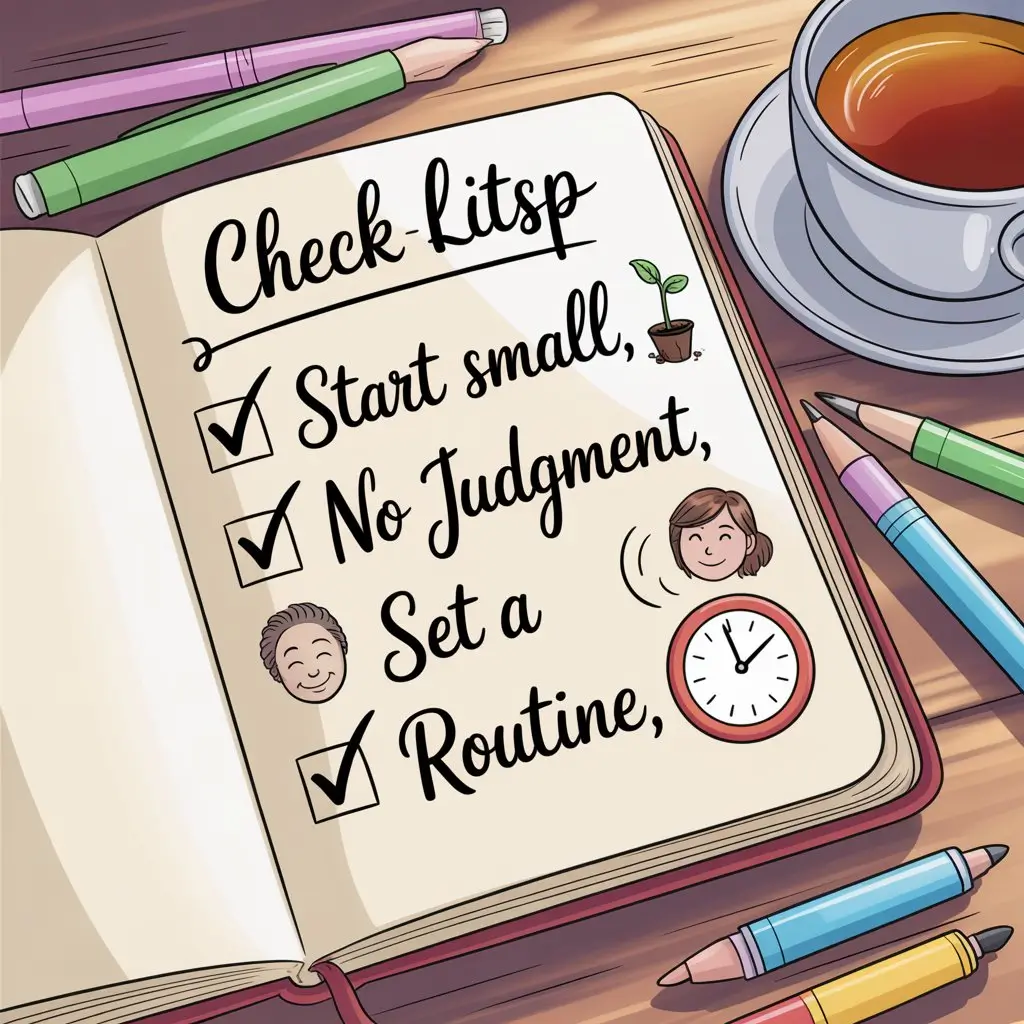
A step-by-step illustrated checklist or a hand writing in a journal with motivational phrases like “Start small,” “No judgment,” “Set a routine.” (Visual cue: actionable, encouraging visuals to empower readers)

Common Barriers to Starting and Sustaining a Journaling Practice

Despite its proven benefits, many people face significant obstacles when trying to begin or maintain a journaling habit for mental health. Understanding these common barriers is the first step toward overcoming them and making journaling a sustainable part of your self-care routine.

Perfectionism and Fear of Judgment

Many hesitate to journal because they worry about the quality of their writing or fear that their thoughts might be judged, even if the journal is private. This can create pressure to write “perfectly,” which stifles authentic expression and leads to avoidance. Recognising that journaling is a judgment-free zone where grammar, spelling, and style don’t matter can help reduce this barrier.

Lack of Inspiration or Uncertainty About What to Write

Not knowing what to write or feeling uninspired is a common challenge. This can lead to writer’s block or frustration, especially for beginners. Using prompts focused on emotions, gratitude, or goals can provide guidance and spark ideas, making it easier to start writing even on low-motivation days.

Time Constraints and Busy Schedules

Many people feel they don’t have enough time to journal, viewing it as an additional task in an already packed day. However, even short sessions of 5 to 10 minutes can be effective. Integrating journaling into existing routines, like during morning coffee or before bed, can make it more manageable.

Fear of Vulnerability and Emotional Overwhelm

Journaling often involves confronting difficult feelings, which can be intimidating or overwhelming. This fear can prevent people from starting or cause them to stop journaling. Starting with lighter or neutral topics and gradually working toward deeper reflections can ease this discomfort. Emotions can be handled better if you work on grounding and limit your therapy sessions to specific times.

Misconceptions About How Journaling Should Be Done

Some believe journaling requires a specific format, routine, or style, which can create unnecessary pressure. When blogging becomes strict and predictable, it may prevent you from being flexible and stop it from helping. Understanding that journaling can be personalised, whether through free writing, bullet points, doodles, or structured prompts, allows for a more enjoyable and sustainable habit.

By identifying these barriers, you can begin to adopt practical strategies that address each challenge directly, making journaling a more accessible and rewarding tool for mental health.

Practical Strategies to Overcome Barriers

Overcoming the common obstacles to journaling requires practical, actionable strategies tailored to address specific challenges. Here are effective approaches to help you start and sustain a journaling habit that supports your mental health journey.

Addressing Perfectionism and Fear of Judgment

  • Embrace Imperfection: Remind yourself that journaling is a private, personal practice with no rules about grammar, spelling, or style. The goal is expression, not perfection.
  • Free Writing: Don’t stop writing just to judge or revise your thoughts. Because thoughts come out as they are, writers rarely need to censor themselves.
  • Reframe Negative Thoughts: Replace self-critical thoughts with affirmations like “My journal is my safe space” or “It’s okay to write imperfectly.”

Finding Inspiration and Structure

  • Use Prompts: The first question is, “How am I feeling currently?,” and then “What do I appreciate today?” You may want to use a prompt to get you started if you’re feeling stuck.
  • Experiment with Styles: Explore different journaling formats, bullet points, lists, letters to yourself, or even doodles, to find what feels most natural and enjoyable.
  • Incorporate Mindfulness: Begin your journaling session with a brief mindfulness exercise to tune into your emotions and thoughts, making writing more focused and meaningful.

Managing Time Constraints

  • Start Small: Commit to just 5 minutes a day or write a few sentences. Small, consistent efforts build momentum without feeling overwhelming.
  • Set a Timer: Use a timer to create a clear, manageable journaling window, helping you stay focused and reducing procrastination.
  • Integrate into Routine: Pair journaling with an existing habit, like morning coffee or bedtime, to make it a seamless part of your day.

Creating a Comfortable and Consistent Routine

  • Choose Your Medium: Select a journaling method that appeals to you, whether a traditional notebook, a digital app, or even voice notes, to increase engagement.
  • Designate a Space: Find a quiet, comfortable spot that invites reflection and writing, helping to create a positive association with journaling.
  • Develop Rituals: Small rituals, like lighting a candle or playing soft music, can signal your brain that it’s time to journal and boost motivation.

Overcoming Fear of Vulnerability

  • Remember Privacy: Let your student know you’ll be the only one reading their journal which will make it comfortable for them to express themselves honestly.
  • Start Light: Begin with less intense topics or positive reflections before gradually exploring deeper emotions.
  • Seek Support if Needed: Combine journaling with therapy or counseling if you find certain emotions too difficult to process alone.

By applying these strategies, you can break through common barriers and cultivate a journaling practice that feels manageable, meaningful, and supportive of your mental health.

A calendar or planner with journaling days marked, alongside a cozy scene of someone journaling regularly, perhaps with a cup of coffee or calming background. (Visual cue: consistency and comfort in journaling)

Tips for Sustaining the Journaling Habit

Building a journaling habit is one thing; maintaining it over time is another. Consistency is key to reaping the long-term mental health benefits of journaling. Read on for valuable tips on how to keep your journaling habit going and become a regular part of your self-care.

Be Authentic and Honest

Authenticity is the heart of effective journaling. Write honestly about your feelings, thoughts, and experiences without censoring yourself. This genuine self-expression deepens self-awareness and emotional healing, making journaling more rewarding and motivating.

Reflect on Your Progress

Routinely check your journal to spot trends, notice any improvements in your feelings, and see where you have changed. Reflecting on your progress can boost motivation by highlighting how journaling has helped you cope and evolve.

Allow Flexibility and Self-Compassion

Avoid rigid expectations about journaling frequency or length. There will be times when you are busy and can’t write as much as usual. Be kind to yourself and view journaling as a supportive tool rather than a chore. Flexibility reduces pressure and helps prevent burnout.

Mix It Up

Keep your journaling practice fresh by trying different techniques, such as gratitude lists, goal-setting, creative writing, or drawing. Experimenting with styles can rekindle interest and prevent the habit from becoming monotonous.

Pair Journaling with Other Mental Health Practices

Combine journaling with complementary activities like mindfulness meditation, therapy, or physical exercise. This holistic approach enhances your overall well-being and reinforces the benefits of journaling.

Set Reminders and Use Tools

Use phone reminders, journaling apps, or physical planners to prompt regular writing sessions. Having a cue can help establish routine and reduce forgetfulness.

By incorporating these tips, you can nurture a sustainable journaling habit that supports your mental health journey, helping you grow emotionally and maintain resilience through life’s challenges.

Conclusion

Journaling is a powerful and accessible tool for supporting mental health, offering a private space to process emotions, gain clarity, and foster self-awareness. While many face barriers such as perfectionism, lack of time, or fear of vulnerability, practical strategies can help overcome these challenges and make journaling a sustainable habit. By starting small, embracing imperfection, using prompts, and creating a comfortable routine, anyone can harness the benefits of journaling.

Moreover, journaling can complement other mental health practices, including therapy, by deepening emotional exploration and tracking progress. Regular reflection on journal entries helps identify patterns and triggers, empowering individuals to make positive changes and build resilience.

Ultimately, the key to success is to approach journaling with kindness and flexibility, allowing it to evolve naturally as a supportive tool on your mental health journey. With persistence and the right mindset, journaling can become a transformative practice that nurtures emotional well-being and personal growth.

Perspective Shift: Achieve Greater Life Satisfaction

Two individuals sitting on a park bench, discussing passionately with visual thought bubbles showcasing their contrasting perspectives. This illustrates the importance of understanding different viewpoints.

Perspective is the lens through which we interpret our experiences, influencing our thoughts, emotions, and actions. The way we perceive situations can significantly alter our emotional responses, shaping our mental health and overall well-being. This article explores how shifting one’s perspective can lead to enhanced mental health and emotional resilience, empowering individuals to navigate life’s challenges more effectively.

Understanding Perspective

What Perspective Means

At its core, perspective refers to the way we view and interpret the world around us. This view is shaped by various factors, including our background, experiences, beliefs, and cultural influences. Personal perspective is unique to each individual, while collective perspectives can emerge within communities or cultures, influencing shared beliefs and values.

The Psychological Basis of Perspective

The psychological basis of perspective lies in cognitive biases, systematic patterns of deviation from norm or rationality in judgment. These biases can distort our perception of reality, often leading to negative emotional outcomes. For example, confirmation bias can cause us to seek out information that supports our existing beliefs while ignoring contradictory evidence. Understanding how perspective works is crucial in recognizing its power over our emotional responses and decision-making processes.

The Influence of Background and Experience

Our backgrounds and life experiences play a significant role in shaping our perspectives. Factors such as upbringing, education, and cultural context contribute to how we interpret events and situations. For instance, someone who has faced significant challenges may develop a perspective that emphasizes resilience and adaptability, while another who has experienced consistent support might approach difficulties with a different outlook. Recognizing these influences can help us understand why we, and others, react the way we do in various situations.

The Emotional Impact of Perspective

The Interplay Between Perspective and Emotion

Our emotional responses are profoundly influenced by our perspective. The way we interpret events can lead to vastly different emotional outcomes, shaping not only our feelings but also our behaviors and interactions with others. For instance, consider two individuals facing the same setback, one might perceive it as a personal failure, while the other sees it as a valuable learning experience. This difference in perspective can lead to contrasting emotional states, influencing everything from motivation to self-esteem.

Positive Perspectives and Their Benefits

Positive perspectives can significantly enhance our emotional well-being. When we approach challenges with an optimistic mindset, we are more likely to experience feelings of hope, resilience, and empowerment. Viewing obstacles as opportunities for growth can foster a proactive attitude, encouraging us to take constructive steps toward improvement. Research has shown that individuals with a positive outlook tend to have lower levels of stress, improved immune function, and greater overall life satisfaction.

For example, someone who faces a job loss might initially feel devastated. However, if they shift their perspective to view this as an opportunity to explore new career paths or pursue passions they had previously set aside, they can experience renewed motivation and excitement. This shift not only mitigates feelings of despair but also opens up new avenues for personal and professional growth.

The Detrimental Effects of Negative Perspectives

Conversely, negative perspectives can lead to detrimental emotional states. Individuals who consistently focus on their shortcomings or view situations through a lens of pessimism may experience heightened anxiety, depression, and feelings of inadequacy. This can create a self-fulfilling cycle where negative thoughts perpetuate feelings of hopelessness, making it increasingly difficult to break free from this mindset.

For instance, someone who constantly believes they are not good enough may shy away from challenges, fearing failure. This avoidance can reinforce their negative self-image, leading to further emotional distress. Recognizing the impact of these negative thought patterns is crucial for addressing and reshaping them.

The Role of a Growth Mindset

Research has shown that adopting a growth mindset, believing that abilities and intelligence can be developed, can significantly improve mental health and emotional resilience. This mindset encourages individuals to embrace challenges rather than shy away from them. By viewing failures as opportunities to learn and grow, individuals can transform their emotional landscape, moving from a place of fear and self-doubt to one of curiosity and resilience.

For example, students who adopt a growth mindset are more likely to persevere through academic challenges, viewing setbacks as stepping stones to mastery rather than insurmountable obstacles. This shift not only enhances their academic performance but also boosts their confidence and overall well-being.

An individual standing on a hilltop, looking through a telescope towards a bright horizon. This represents the idea of gaining a broader perspective on life.

Emotional Regulation and Perspective

The ability to regulate emotions is also closely tied to perspective. When we adopt a more flexible viewpoint, we can better manage our emotional responses. For instance, during conflicts, viewing the situation from the other person’s perspective can foster empathy and reduce anger or frustration. This emotional regulation leads to healthier interactions and improved relationships.

Moreover, practicing mindfulness can enhance our ability to shift perspectives. Mindfulness encourages us to observe our thoughts and feelings without judgment, allowing us to detach from negative thought patterns and gain clarity in challenging situations. This practice promotes emotional awareness, helping us respond to experiences with greater calm and composure.

Techniques for Shifting Perspective

Shifting perspective is not merely an abstract concept; it involves practical techniques that can be consciously applied to alter the way we think and feel about various situations. Here, we explore several powerful methods that can help individuals cultivate a more positive and flexible perspective in their daily lives.

Cognitive Reframing

Cognitive reframing is a fundamental technique that involves changing the way we think about a situation. It encourages us to identify negative thoughts and replace them with more constructive ones. The process typically includes several steps:

  1. Identify Negative Thoughts: The first step is to become aware of your negative thought patterns. Journaling can be an effective way to track your thoughts and identify recurring negative beliefs.
  2. Challenge the Thoughts: Once you’ve identified these thoughts, ask yourself whether they are based on facts or assumptions. Are there alternative explanations for the situation? This step involves questioning the validity of your thoughts and considering other possibilities.
  3. Reframe the Situation: After challenging negative thoughts, reframe the situation in a more positive light. For example, instead of thinking, “I failed at this task,” you might reframe it as, “I learned valuable lessons from this experience and can improve next time.” This reframing allows for a more constructive view that can enhance motivation and resilience.
  4. Practice Gratitude: Incorporating gratitude into this process can further shift your perspective. By recognizing and appreciating the positive aspects of your life, you can counterbalance negative thoughts and cultivate a more optimistic outlook.

Mindfulness and Awareness

Mindfulness is a practice that encourages us to observe our thoughts and feelings without judgment, promoting a broader perspective. Engaging in mindfulness can lead to several benefits:

  1. Increased Emotional Awareness: Mindfulness helps individuals become more aware of their emotional responses. By observing thoughts and feelings without immediate reaction, you can create space for reflection and allow for a more measured response.
  2. Stress Reduction: Regular mindfulness practice has been shown to reduce stress and anxiety. When we practice being present in the moment, we can detach from negative thought patterns that often exacerbate worry and fear.
  3. Techniques for Mindfulness: Incorporating mindfulness into daily life can take various forms, including meditation, deep breathing exercises, or mindful walking. Each of these practices encourages a focus on the present moment, helping to foster a sense of calm and clarity.
  4. Mindful Reappraisal: This involves consciously deciding to reinterpret a stressful situation. For instance, if you’re facing a challenging deadline, instead of viewing it as a threat, you might see it as an opportunity to showcase your skills and learn time management. This shift can significantly alter your emotional response.

Seeking Diverse Viewpoints

Engaging with diverse perspectives can enrich our understanding of complex issues. This technique involves several practical steps:

  1. Engage in Conversations: Actively seek out discussions with individuals who hold different viewpoints. Listening to others’ experiences and interpretations can expose you to new ideas and ways of thinking.
  2. Read Widely: Consume literature, articles, and media from various sources that challenge your current beliefs. This exposure can help broaden your understanding and encourage critical thinking about your own perspectives.
  3. Travel and Cultural Exposure: If possible, travel to different places or engage with people from various cultures. Experiencing different ways of life can provide valuable insights and help you appreciate the diversity of human experience.
  4. Putting effort into stepping into another person’s position should become a deliberate habit. This practice not only fosters compassion but also allows you to see situations from multiple angles, enriching your understanding and reshaping your perspective.

Visualization Techniques

Visualization is a powerful tool for shifting perspective, allowing individuals to mentally explore different outcomes and scenarios. Here’s how to apply it effectively:

  1. Guided Imagery: Use guided imagery techniques to visualize positive outcomes. Imagine yourself successfully navigating challenges or achieving your goals. This can bolster confidence and motivate you to take action.
  2. Future Self Visualization: Picture your future self and the perspective you would like to cultivate. What qualities does this version of you embody? This technique can help clarify your aspirations and encourage you to adopt behaviors that align with that vision.
  3. Scenario Rehearsal: Before facing a challenging situation, visualize how you would like to respond. Imagine handling the situation with grace and confidence. This mental rehearsal can prepare you to approach real-life situations with a more positive mindset.
A close-up of a lightbulb glowing brightly against a dark background, representing the 'aha!' moments that come with shifting one's perspective.

Journaling for Perspective Shifts

Journaling is a powerful technique for processing thoughts and emotions, helping to clarify perspectives. Here are some effective journaling practices:

  1. Daily Reflection: Set aside time each day to reflect on your experiences and feelings. Write about situations that challenged your perspective and how you might reframe them.
  2. Prompt-Based Journaling: Use prompts that encourage you to think differently, such as “What’s a positive outcome I can envision from this situation?” or “What lessons can I learn from this challenge?”
  3. Gratitude Journaling: Maintain a gratitude journal where you regularly write down things you appreciate. Following this practice enables you to shift your attention from what is missing to what has abundance in your life.

Real-Life Applications of Perspective Shifts

Personal Anecdotes and Testimonials

The benefits of shifting perspective are vividly illustrated through personal anecdotes and testimonials. Many individuals have shared how changing their viewpoint transformed their experiences. For example, someone who faced a significant career setback might initially feel defeated but later realizes that this situation opened doors to new opportunities they hadn’t considered before. These stories highlight the power of perspective in reshaping our narratives and emotional responses.

Examples from Famous Figures

Historical figures often exemplify the transformative power of perspective shifts. Take Nelson Mandela, for instance; during his long imprisonment, he chose to view his situation not as a personal failure but as a chance to foster change and advocate for equality. His ability to reframe his circumstances allowed him to emerge as a global leader, demonstrating how a shift in perspective can lead to monumental change, both personally and socially.

Practical Applications in Various Life Areas

The application of perspective shifts extends to numerous aspects of life. In relationships, for instance, viewing conflicts as opportunities for growth rather than battles to win can lead to healthier communication and deeper connections. In the workplace, adopting a perspective that embraces challenges as learning experiences can enhance teamwork and innovation. Additionally, in personal challenges, such as health issues or financial difficulties, shifting focus from problems to potential solutions can empower individuals to take proactive steps toward improvement.

The Long-Term Benefits of Perspective Shifts

Enhanced Emotional Resilience

The long-term benefits of perspective shifts extend well beyond immediate emotional relief. One of the most significant advantages is the enhancement of emotional resilience. Emotional resilience refers to our ability to adapt to stress and adversity, bounce back from challenges, and maintain a sense of well-being in the face of difficulties.

  1. Coping Mechanisms: When individuals adopt a more positive perspective, they develop healthier coping mechanisms. Instead of succumbing to feelings of helplessness during tough times, they learn to view challenges as opportunities for growth. This proactive approach enables them to tackle problems with a solutions-oriented mindset, ultimately leading to better outcomes.
  2. Sustained Motivation: A resilient perspective fosters sustained motivation. When setbacks are viewed as part of the learning process rather than as failures, individuals are more likely to persist in the face of challenges. This persistence not only helps them achieve their goals but also builds confidence in their ability to handle future obstacles.
  3. Long-Term Mental Health Benefits: Studies have shown that individuals with higher emotional resilience experience lower levels of anxiety and depression. By shifting perspectives to focus on the positive aspects of situations, individuals can cultivate a more stable emotional state over time, leading to improved mental health outcomes.

Improved Relationships and Communication

Another significant benefit of shifting perspective is the positive impact on relationships and communication. A broader perspective fosters empathy and understanding, which are crucial components of healthy interpersonal interactions.

  1. Empathy Development: When individuals actively seek to understand others’ viewpoints, they can develop greater empathy. This understanding allows for deeper connections and more meaningful relationships. For instance, in conflicts, a shift in perspective can help individuals see the situation from their partner’s point of view, leading to more constructive dialogues.
  2. Conflict Resolution: A flexible perspective can facilitate better conflict resolution. When people approach disagreements with an open mind, they are more likely to find common ground and work together toward mutually beneficial solutions. This collaborative spirit strengthens relationships and promotes a sense of unity.
  3. Enhanced Communication Skills: Shifting perspective encourages individuals to communicate more effectively. By practicing active listening and considering others’ feelings, individuals can express themselves more clearly and compassionately. This improvement in communication fosters trust and respect in relationships.

Greater Overall Life Satisfaction

Ultimately, adopting a more positive perspective leads to greater overall life satisfaction. This satisfaction encompasses various aspects of life, including personal fulfillment, happiness, and a sense of purpose.

  1. Increased Happiness: Research indicates that individuals who maintain an optimistic outlook tend to report higher levels of happiness. By focusing on the possibilities rather than limitations, they cultivate a sense of joy and appreciation for life’s experiences. This positivity can create a ripple effect, influencing those around them and fostering a supportive community.
  2. Sense of Purpose: A shift in perspective often helps individuals discover a deeper sense of purpose. When challenges are framed as opportunities for growth, individuals can identify their passions and align their lives with their values. This alignment enhances feelings of fulfillment and encourages individuals to pursue meaningful goals.
  3. Long-Term Fulfillment: Achieving lasting fulfillment requires a mindset that embraces change and growth. By continually shifting their perspectives, individuals can adapt to life’s inevitable changes, maintaining a sense of excitement and engagement. This adaptability contributes to long-term happiness and satisfaction.

Conclusion

The importance of perspective in mental health cannot be overstated. By actively practicing perspective-shifting techniques, individuals can transform their emotional responses and improve their overall well-being. Embracing a positive mindset opens doors to new possibilities, enriching our lives and fostering resilience in the face of challenges.

Rituals Made Easy: Personalizing Your Path to Mental Health

In our fast-paced world, where stress and uncertainty often dominate our lives, the importance of mental stability cannot be overstated. Daily rituals and routines serve as anchors, providing structure and predictability amid chaos. This article explores how incorporating rituals into our daily lives can enhance mental well-being and foster a sense of grounding.

Understanding Mental Stability

Mental stability refers to a person’s ability to maintain emotional balance and cope with life’s challenges. It is crucial for overall well-being, influencing how we manage stress, interact with others, and make decisions. Factors such as anxiety, depression, and external stressors can disrupt mental stability. Establishing daily practices can be an effective way to counter these influences and support mental health.

The Science Behind Rituals and Routines

Psychological Benefits of Rituals

Rituals provide a sense of control and predictability, which can be particularly comforting in uncertain times. Engaging in structured activities can reduce stress and anxiety, allowing individuals to feel grounded. The repetition of these actions reinforces a sense of normalcy and stability.

Neuroscience of Habits and Routines

From a neurological perspective, routines and rituals trigger the brain’s reward system, releasing dopamine and creating feelings of pleasure and satisfaction. This positive reinforcement encourages the continuation of these practices, ultimately contributing to improved mental health.

Types of Daily Rituals

Daily rituals come in various forms, each serving a unique purpose in enhancing mental stability and overall well-being. Here are several types of rituals that individuals can incorporate into their daily lives:

Morning Rituals

People must establish morning rituals because these routines establish a positive atmosphere for the entire day. They establish a path from nighttime sleeping to daytime wakefulness through mental intent and clear thinking. Common morning rituals include:

  1. Meditation: Starting the day with meditation can clear the mind and promote mindfulness. Even a few minutes of deep breathing or guided meditation can reduce anxiety and enhance clarity.
  2. Exercise: Engaging in physical activity, whether it’s yoga, jogging, or a simple stretching routine, boosts endorphins and energizes the body, fostering a positive mindset.
  3. Gratitude Journaling: Taking a moment to jot down three things one is grateful for can shift focus from negative thoughts to positive reflections, improving overall mood and outlook.
  4. Healthy Breakfast: Preparing and enjoying a nutritious breakfast can serve as a mindful practice, fueling the body and mind for the day ahead.
A person performing a simple grounding exercise, like standing barefoot on grass or sand, connecting with nature as a form of ritual for mental clarity.

Mindful Eating Practices

Ritualizing meals can transform dining into a meditative experience. Mindful eating involves being fully present during meals, which can enhance appreciation for food and foster healthier eating habits. Key aspects include:

  1. Savoring Each Bite: Taking time to chew slowly and appreciate flavors and textures can create a deeper connection to food and promote satisfaction.
  2. Setting the Table: Creating a pleasant dining environment, whether alone or with others, can enhance the experience. This might include setting the table nicely or dimming the lights.
  3. Eliminating Distractions: Turning off screens and focusing solely on the meal can help individuals engage with their food and cultivate mindfulness.
  4. Expressing Gratitude: Taking a moment before meals to express gratitude—for the food, the preparation, and the company, can enhance the emotional experience of eating.

Evening Rituals

Evening routines provide essential steps toward relaxation before getting peaceful rest. They signal to the body that it’s time to relax and transition from the busyness of the day. Popular evening rituals include:

  1. Reading: Engaging in a good book can serve as a peaceful escape from daily stressors. Choosing uplifting or inspirational literature can promote relaxation.
  2. Reflecting on the Day: Setting aside time for reflection can help individuals process their experiences and emotions. This might involve journaling about what went well or what could be improved.
  3. Setting Intentions for Tomorrow: Preparing for the next day by outlining tasks and setting goals can reduce anxiety and create a sense of readiness for what lies ahead.
  4. Calming Activities: Incorporating calming rituals such as warm baths, listening to soothing music, or practicing gentle stretching can signal to the body that it’s time to wind down.

Weekly Rituals

Weekly rituals provide an opportunity for individuals to engage in restorative practices that foster connection and self-care. These rituals can help break the monotony of daily routines and rejuvenate the mind. Examples include:

  1. Being in natural settings through walks provides deep grounding experiences to many people. Whether it’s a hike, a stroll in the park, or gardening, being outdoors can reduce stress and enhance mood.
  2. Social Connections: Setting aside time to connect with friends or family can strengthen relationships and provide emotional support. This could be a regular dinner, a game night, or a simple phone call.
  3. Pursuing Hobbies: Engaging in creative activities, such as painting, writing, or crafting, fosters self-expression and relaxation. Dedicating time each week to a personal passion can enhance satisfaction and fulfillment.
  4. Self-Care Rituals: This could include spa days at home, practicing skincare routines, or dedicating time to hobbies that promote relaxation and joy. Setting aside this time emphasizes the importance of nurturing oneself.

Seasonal and Cultural Rituals

In addition to daily, weekly, and monthly practices, seasonal and cultural rituals can also play a significant role in mental well-being. Celebrating seasonal changes, holidays, or cultural traditions can foster a sense of belonging and joy. Examples include:

  1. Seasonal Celebrations: Engaging in activities that honor the changing seasons, such as planting in spring or harvesting in autumn, can create a deeper connection to nature.
  2. Cultural Festivals: Participating in cultural events or traditions reinforces community bonds and provides opportunities for shared experiences and support.
  3. Mindfulness in Rituals: Incorporating mindfulness into these rituals, whether through prayer, reflection, or communal activities, enhances their emotional significance and grounding effect.

Personalizing Rituals for Individual Needs

IPersonalizing rituals is crucial for maximizing their effectiveness and ensuring they resonate with individual lifestyles, preferences, and values. Here’s how to create rituals that are tailored to meet your unique needs:

Identifying Personal Values and Preferences

  1. Self-Reflection: Start by reflecting on what truly matters to you. Consider your values, interests, and the aspects of life that bring you joy. Journaling about these topics can provide clarity and guide the selection of rituals that align with your core beliefs.
  2. Understanding Triggers: Recognize situations or feelings that trigger stress or anxiety. By identifying these triggers, you can design rituals that specifically address them, providing a sense of control and comfort when faced with challenges.
  3. Assessing Current Routines: Take stock of your existing habits and routines. Identify which activities help you feel grounded and which contribute to stress. This assessment will help you determine what to keep, modify, or replace in your daily rituals.
 A tranquil scene of a person meditating by a calm lake at sunrise, surrounded by mountains and trees, embodying peace and mindfulness.

Experimenting with Different Rituals

  1. Trying New Practices: Don’t hesitate to explore various rituals before settling on a routine. This could include different forms of meditation, types of exercise, or methods of journaling. Experimentation can lead to discovering what truly resonates with you.
  2. Incorporating Variety: Incorporate a mix of rituals to prevent monotony. For instance, if you enjoy morning meditation, try varying the style (guided, silent, or moving meditation) or the length of time spent. This adaptability keeps rituals fresh and engaging.
  3. Listening to Your Body and Mind: Pay attention to how different rituals make you feel. If a particular practice feels uplifting and energizing, it’s worth incorporating consistently. Conversely, if something feels forced or unfulfilling, it may be time to reassess its place in your routine.

Adapting Rituals to Fit Lifestyle Changes or Challenges

  1. Flexibility is Key: Life is dynamic, and routines may need to adapt to changes such as new job responsibilities, family commitments, or health issues. Be open to modifying your rituals to fit your current circumstances while maintaining their core purpose.
  2. Creating Shorter Versions: If time constraints arise, consider creating shorter versions of your rituals. For example, if you usually meditate for 20 minutes but find yourself pressed for time, a 5-minute breathing exercise can still provide grounding benefits.
  3. Integrating Rituals into Daily Activities: Look for opportunities to weave rituals into your existing routine. For instance, practicing mindfulness while commuting, enjoying a moment of gratitude during lunch breaks, or incorporating stretches during work hours can help maintain a sense of balance.

Seeking Inspiration and Support

  1. Community Engagement: Joining groups or communities that share similar interests can provide inspiration and motivation. Whether it’s a yoga class, a book club, or an online forum focused on mental wellness, sharing experiences can enhance your personal ritual journey.
  2. Learning from Others: Explore how others personalize their rituals by reading books, listening to podcasts, or watching videos on wellness practices. You might discover new ideas and approaches that resonate with you.
  3. Accountability Partners: Consider finding a friend or family member to share your ritual journey with. Having someone to support and encourage you can enhance commitment and provide motivation to stick with your practices.

Embracing the Journey

  1. Be Patient: Personalizing rituals is a journey that takes time and experimentation. Allow yourself the grace to evolve, and remember that it’s okay to adjust your practices as your needs change.
  2. Celebrate Small Wins: Acknowledge and celebrate the positive impacts that rituals have on your mental well-being, no matter how small. Recognizing these changes reinforces the value of your practices and encourages continued commitment.
  3. Focus on Enjoyment: Ultimately, rituals should bring joy and fulfillment to your life. If a particular practice feels like a chore, it may be time to reevaluate and find alternatives that resonate more deeply with you.

Overcoming Barriers to Establishing Rituals

Establishing daily practices can significantly enhance mental stability and well-being, but various barriers can prevent individuals from integrating these into their lives. Recognizing and addressing these challenges is essential for successfully adopting and maintaining these routines. Here are some common barriers and strategies to overcome them:

Common Challenges

  1. Time Constraints: One of the most significant barriers is the perception of a lack of time. Busy schedules filled with work, family obligations, and social commitments can leave little room for personal practices.
  2. Skepticism: Some individuals may doubt the effectiveness of these activities or view them as unnecessary, leading to reluctance in trying them. This skepticism can stem from a lack of understanding about how such practices contribute to mental well-being.
  3. Lack of Consistency: Even when individuals start incorporating new habits, maintaining consistency can be challenging. Life’s unpredictability can disrupt routines, leading to feelings of frustration or defeat.
  4. Overwhelm from Choice: The vast array of available practices can be overwhelming. Individuals may struggle to decide which to adopt or feel pressure to adhere to specific methods that don’t resonate with them.
  5. Fear of Commitment: The fear of committing to a new routine can prevent individuals from fully engaging in these activities. Concerns about whether they will stick with it or whether it will be beneficial can create hesitation.

Strategies for Integrating Practices into Daily Life

  1. Start Small: Begin by incorporating short, manageable activities into your day. For instance, instead of committing to a 30-minute meditation session, start with just 5 minutes. When you become confident handle the device extend your usage time.
  2. Prioritize Your Practices: Treat these activities as essential appointments in your day. Schedule specific times for them, just as you would for work meetings or social engagements. This prioritization emphasizes their importance and helps create a routine.
  3. Utilize Reminders: Setting reminders on your phone or using calendar alerts can help prompt you to engage in these activities. Visual cues, such as sticky notes or reminders on your workspace, can also serve as helpful nudges.
  4. Create a Dedicated Space: Designate a specific area in your home for your practices. This could be a cozy corner for reading, a meditation space, or a quiet spot for journaling. Having a dedicated space can make it easier to engage in your routines.
  5. Embrace Flexibility: Recognize that life can be unpredictable, and it’s okay to adapt your activities as needed. If you miss a day or need to modify your routine, approach it with kindness and understanding rather than self-judgment.
  6. Seek Support and Accountability: Sharing your goals with friends or family can create a sense of accountability. Consider finding a buddy to practice together, whether through virtual meetups or in-person sessions.
  7. Educate Yourself: Learning about the benefits of these practices can help combat skepticism. Read books, attend workshops, or listen to podcasts on mental health and wellness to deepen your understanding and motivation.
  8. Limit Choices: To avoid feeling overwhelmed, focus on a few key activities that resonate with you. Narrowing down your options allows you to commit fully to those without feeling pressured to try everything.
  9. It is essential to recognize and honor any achievements regardless of their magnitude. Recognizing the positive impact of these practices can reinforce their value and motivate you to continue.

Mindset Shifts

  1. Adopt a Growth Mindset: Embrace the idea that establishing new habits is a learning process. Understand that it’s normal to face challenges and that each attempt is an opportunity for growth and discovery.
  2. Reframe Failures: Instead of viewing setbacks as failures, see them as valuable lessons. Reflect on what worked and what didn’t, and use that insight to refine your approach.
  3. Focus on Enjoyment: Shift your perspective from seeing these activities as obligations to viewing them as opportunities for self-care and joy. People who enjoy their process during learning tend to maintain their dedication.

Conclusion

Incorporating daily rituals into our lives can significantly enhance mental stability and well-being. By exploring and adopting personal rituals, individuals can cultivate a sense of grounding and resilience. The transformative power of these practices offers a pathway to improved mental health, enabling us to navigate life’s challenges with greater ease and confidence.

Self-Harm: Effective Strategies for Healing and Recovery

An artistic image of a pair of hands gently holding a fragile flower, symbolizing care and healing. The background is soft and blurred, conveying a sense of tranquility.

Harmful thought patterns can significantly impact mental well-being, leading to feelings of anxiety, depression, and low self-esteem. These negative thoughts often create a cycle that reinforces emotional distress and can even lead individuals to engage in emotional self-harm. Understanding how to challenge and change these thought patterns is essential for fostering a healthier mindset and improving overall emotional health.

Understanding Harmful Thought Patterns

Harmful thought patterns are cognitive distortions that skew our perception of reality. Common examples include:

  • Black-and-white thinking: Viewing situations in extremes, such as seeing oneself as a complete failure or a total success.
  • Catastrophizing: Expecting the worst possible outcome in any situation, leading to unnecessary anxiety.
  • Overgeneralization: Making broad conclusions based on a single event, such as believing that one failure means constant failure.

These thoughts contribute to emotional distress by creating a distorted view of ourselves and our experiences, often leading to a cycle of negativity that can diminish self-esteem and overall happiness.

Recognizing Negative Thoughts

Self-awareness is crucial in combating harmful thought patterns. Recognizing negative thoughts is the first step toward challenging and changing them. Here are some effective techniques to help identify these detrimental thoughts:

Journaling

Journaling is a powerful tool for self-reflection. By writing down your thoughts and feelings, you can gain clarity on what’s happening in your mind. Consider the following tips for effective journaling:

  1. Daily Entries: Set aside time each day to jot down your thoughts. Focus on how you feel and what triggers those feelings.
  2. Emotion Tracking: Note your emotions alongside specific events. This can help reveal patterns in how certain situations affect your mood.
  3. Writings Containing Negative Thoughts Need Questioning: Ask yourself such questions as “Does this thought originate from fact or does it rely on assumptions?” I need to examine the evidence which proves this idea true.

Thought Records

Keeping a thought record is another effective method for identifying negative thoughts. This involves documenting specific instances when you feel upset or anxious. Here’s how to create a thought record:

  1. Situation: Write down the situation that triggered your negative thoughts.
  2. Emotions: List the emotions you felt at that moment, noting their intensity on a scale from 1 to 10.
  3. Automatic Thoughts: Identify the automatic thoughts that ran through your mind during the situation. These are often the most distorted or negative.
  4. Challenging Thoughts: Write down a more balanced thought or alternative perspective. This helps in reframing the negative thought into something more constructive.
  5. Outcome: Reflect on how your feelings changed after challenging your thoughts. Did you feel less anxious or more empowered?

Signs of Emotional Self-Harm

Recognizing signs of emotional self-harm is essential for understanding the impact of negative thoughts on your mental health. Some common indicators include:

  1. Persistent Self-Criticism: Regularly telling yourself that you are not good enough or that you always fail.
  2. Isolation: Withdrawing from friends, family, or activities you once enjoyed because of negative beliefs about yourself.
  3. Feeling Overwhelmed: Experiencing intense emotions that feel unmanageable, leading you to cope through unhealthy means, such as avoidance or self-sabotage.
  4. Mood Swings: Rapid changes in mood that seem tied to negative thoughts, making it challenging to find emotional stability.
  5. Difficulty in Decision-Making: Struggling to make choices due to fears of failure or judgment, often stemming from negative self-perceptions.

Mindfulness Practices

Incorporating mindfulness practices into your routine can enhance your ability to recognize negative thoughts. Mindfulness encourages you to observe your thoughts without judgment, which can help you become more aware of harmful patterns. Consider these mindfulness techniques:

  1. Meditation: Spend a few minutes each day in meditation, focusing on your breath and allowing thoughts to come and go without attachment.
  2. Body Scan: Practice a body scan meditation, where you focus on different parts of your body, helping you connect with your feelings and notice any tension linked to negative thoughts.
  3. Make yourself available for self-checks throughout daily activities. During your daily routine take time to identify the current thoughts passing through your mind while checking your current emotional state. Your time checks allow you to detect negative thoughts prior to full escalation.

Support Systems

Engaging with a support system can also aid in recognizing negative thoughts. Sharing your feelings with trusted friends or family members can provide outside perspectives. They may help you spot cognitive distortions that you might overlook. Consider these approaches:

  1. Open Conversations: Discuss your thoughts and feelings with someone you trust. They may offer insights that challenge your negative beliefs.
  2. Feedback: Ask for constructive feedback on your self-perceptions. Sometimes, others can see strengths in us that we fail to recognize.
  3. Support Groups: Joining a support group can provide a safe space to share experiences and learn from others facing similar challenges.

Strategies to Challenge Harmful Thought Patterns

Challenging harmful thought patterns is essential for improving mental health and fostering a more positive self-image. Here are several effective strategies to help you confront and change these negative thoughts:

Cognitive Restructuring

Cognitive restructuring involves identifying negative thoughts and replacing them with more balanced or realistic alternatives. This technique is central to cognitive behavioral therapy (CBT). Here’s how to practice it:

  1. Identify Negative Thoughts: Start by recognizing specific negative thoughts you frequently have. Write them down to make them more tangible.
  2. Assess the Evidence: Evaluate the evidence for and against these thoughts. Ask yourself:
    • What facts support this thought?
    • What facts contradict it?
    • Is this thought based on feelings or reality?
  3. Reframe the Thought: Once you’ve assessed the evidence, try to reframe the negative thought. For example, if you think, “I always fail at everything,” you might reframe it to, “I have faced challenges before, but I have also succeeded.” This shift can help you view situations more objectively.

Mindfulness and Acceptance

The practice of mindfulness enables people to observe their thoughts and feelings in a nonsensical manner. Increasing your awareness of thoughts lets you stay disengaged from negative thought patterns. Consider these mindfulness techniques:

  1. Devote a few minutes daily to direct your attention toward your breathing process. Become aware of the feelings which come with breathing in and breathing out. Identification of negative thoughts should be sufficient to let them pass by uncontrollably.
  2. Body Awareness: Engage in body scans to connect with your physical sensations. Notice where you might be holding tension linked to negative thoughts, which can help you release that tension.
  3. Acceptance: Rather than fighting against negative thoughts, practice acceptance. You are allowed to experience these thoughts so focus instead on your responses to them. The thought exists yet you can acknowledge it without it taking over your control.

Behavioral Experiments

Behavioral experiments involve testing the validity of your negative thoughts through real-life situations. This strategy can help you gather evidence against harmful beliefs. Here’s how to conduct a behavioral experiment:

  1. Identify a Negative Thought: Choose a specific negative thought you want to challenge, such as “I will embarrass myself if I speak in public.”
  2. Plan an Experiment: Create a small, manageable experiment to test this thought. For example, you might volunteer to give a short presentation in a low-stakes environment.
  3. Gather Data: After completing the experiment, reflect on the outcome. Did you embarrass yourself? How did others react? Often, you’ll find that the reality is much less daunting than your initial thought suggested.
  4. Reflect on Results: Write down your observations and feelings about the experience. This helps reinforce the idea that negative thoughts may not accurately reflect reality.
An image of a cracked mirror reflecting a distorted image of a person. This symbolizes the feeling of brokenness and the struggle with self-perception.

Seeking Support

Reaching out for support can provide valuable perspective and encouragement in challenging harmful thought patterns. Here are some ways to seek support:

  1. Talk to Trusted Friends or Family: Share your thoughts and feelings with people you trust. They can offer insights and help you see things from a different angle.
  2. Join Support Groups: Participating in support groups can connect you with others who understand your struggles. Sharing experiences and coping strategies can foster a sense of community and belonging.
  3. Engage with Professionals: Consider talking to a therapist or counselor who specializes in cognitive behavioral therapy. They can provide structured guidance and tools to help you challenge negative thoughts effectively.

Practicing Self-Compassion

Self-compassion involves treating yourself with kindness and understanding, especially when facing difficulties. This practice can counteract harmful thought patterns. Here’s how to cultivate self-compassion:

  1. Acknowledge Your Feelings: When you experience negative thoughts, recognize that it’s okay to feel this way. Validate your emotions instead of criticizing yourself for having them.
  2. Practice Kind Self-Talk: Replace harsh self-criticism with supportive and encouraging statements. For instance, instead of saying, “I’m such a failure,” try, “I’m doing my best, and it’s okay to make mistakes.”
  3. Engage in Self-Care: Prioritize activities that nurture your well-being, whether it’s taking a walk, enjoying a hobby, or spending time with loved ones. Caring for yourself reinforces the belief that you are deserving of kindness.

Developing a Growth Mindset

A development attitude is the conviction that capacities and insights can be created through exertion and learning. The advancement of this mental viewpoint empowers more effective challenges to harming thought designs.

  1. Look at challenges as chances to develop instead of regarding them as hazards. This perspective reduces fear of failure that brings negative thoughts. Such a mindset decreases failure-related fears which frequently drive negative thoughts.
  2. Learn from Criticism: Instead of taking criticism personally, see it as constructive feedback that can help you improve. This shift can lessen the impact of negative self-talk.
  3. Celebrate Progress: Acknowledge your successes, no matter how small. Celebrating progress reinforces the idea that you are capable of growth and change.

Understanding Emotional Self-Harm

Emotional self-harm refers to the behaviors and thought patterns that inflict emotional pain rather than physical injury. Unlike physical self-harm, which might involve cutting or burning, emotional self-harm manifests through internal struggles that can severely impact one’s mental health and overall well-being. Understanding the nuances of emotional self-harm is crucial for recognizing its signs and seeking appropriate help.

Definition of Emotional Self-Harm

Emotional self-harm encompasses a range of behaviors and thought processes aimed at coping with overwhelming feelings, often resulting in self-sabotage or negative self-perception. It can include:

  • Negative Self-Talk: Engaging in persistent criticism of oneself, leading to feelings of worthlessness and despair.
  • Withdrawal from Relationships: Isolating oneself from friends and loved ones due to feelings of inadequacy or shame.
  • Self-Sabotage: Undermining personal goals or achievements as a way to reinforce negative beliefs about oneself.

These behaviors create a cycle of emotional pain that can be difficult to break, often stemming from deeper issues such as trauma, anxiety, depression, or low self-esteem.

Common Reasons People Engage in Emotional Self-Harm

Understanding why individuals may resort to emotional self-harm is essential for addressing the underlying issues:

  1. Coping Mechanism: For many, emotional self-harm serves as a way to manage overwhelming feelings. When emotions become too intense, people may turn to self-criticism or withdrawal as a means of regaining a sense of control.
  2. Seeking Relief from Emotional Pain: Some individuals may engage in negative self-talk or isolation as a misguided attempt to relieve feelings of emotional pain. They may believe that punishing themselves will alleviate their distress, even though it often exacerbates their feelings.
  3. Fear of Vulnerability: Engaging in emotional self-harm can be a protective mechanism against vulnerability. By avoiding connections with others or undermining their own achievements, individuals may feel they are safeguarding themselves from potential rejection or failure.
  4. Desire for Control: In situations where individuals feel powerless, emotional self-harm can provide a false sense of control. It allows them to direct their feelings inward, even when it’s detrimental to their mental health.

Impact of Emotional Self-Harm on Mental Health

The consequences of emotional self-harm can be profound and far-reaching:

  1. Increased Feelings of Shame and Guilt: Engaging in self-destructive behaviors often leads to feelings of shame and guilt, creating a vicious cycle that perpetuates emotional distress.
  2. Isolation and Loneliness: Withdrawing from relationships can lead to profound loneliness, further exacerbating feelings of sadness and despair. This isolation can make it even harder to seek help or connect with others.
  3. Deterioration of Self-Esteem: Continuous negative self-talk and self-sabotage can erode self-esteem, making it challenging for individuals to recognize their worth and capabilities.
  4. Increased Risk of Mental Health Disorders: Emotional self-harm is often linked to more severe mental health issues, such as depression and anxiety. If left unaddressed, these issues can escalate, leading to more serious consequences.
A bird sitting in a cage, looking out with longing. This image represents feelings of confinement and the desire for freedom from emotional pain.

Recognizing Signs of Emotional Self-Harm

Being aware of the signs of emotional self-harm can help individuals identify when they or someone they care about is struggling. Common indicators include:

  1. Persistent Negative Thoughts: Regularly engaging in self-criticism or feeling unworthy and inadequate.
  2. Avoidance of Social Situations: Choosing to isolate oneself from friends, family, or activities that once brought joy due to feelings of shame or fear of judgment.
  3. Mood Swings: Experiencing rapid emotional fluctuations that seem tied to negative thoughts, leading to emotional instability.
  4. Difficulty Expressing Emotions: Struggling to articulate feelings or relying on unhealthy coping mechanisms instead of seeking support or expressing needs.
  5. Engaging in Risky Behavior: Sometimes, emotional self-harm can manifest in risk-taking behaviors, such as substance abuse or reckless decisions, as a way to cope with inner turmoil.

Importance of Understanding Emotional Self-Harm

Understanding emotional self-harm is critical for breaking the cycle of negativity and fostering healthier coping mechanisms. By recognizing the signs and underlying reasons for these behaviors, individuals can take steps toward healing. It is essential to remember that emotional self-harm is a response to pain, and addressing the root causes is key to recovery.

  1. Breaking the Stigma: By openly discussing emotional self-harm, we can reduce the stigma surrounding mental health struggles, encouraging individuals to seek help without fear of judgment.
  2. Promoting Awareness: Educating oneself and others about emotional self-harm can foster a greater understanding of mental health issues, leading to more compassionate support for those in need.
  3. Encouraging Help-Seeking Behavior: Understanding that emotional self-harm is a sign of deeper emotional pain can motivate individuals to reach out for professional help, leading to healthier coping strategies and improved mental health outcomes.

Strategies to Overcome Emotional Self-Harm

Overcoming emotional self-harm requires a multifaceted approach that addresses both the behaviors and the underlying thought patterns that contribute to emotional distress. Here are several effective strategies to help individuals break free from the cycle of emotional self-harm and foster healthier coping mechanisms.

Developing Healthy Coping Mechanisms

Finding alternative ways to cope with emotional pain is essential for overcoming self-harm. Here are some strategies to consider:

  1. Creative Outlets: Engaging in creative activities such as painting, writing, or playing music can provide a constructive outlet for emotions. These activities allow for self-expression and can help process feelings in a meaningful way.
  2. Physical Activity: Exercise is a powerful way to release pent-up emotions and stress. Whether it’s going for a walk, practicing yoga, or participating in team sports, physical activity can boost mood and promote a sense of well-being.
  3. Mindfulness Practices: Incorporating mindfulness techniques, such as meditation or deep breathing exercises, can help individuals stay grounded and present. Mindfulness encourages awareness of thoughts and feelings without judgment, making it easier to manage overwhelming emotions.
  4. Healthy Distractions: Engaging in activities that divert attention from negative thoughts can be beneficial. This might include watching a favorite movie, reading a book, or spending time with pets. Healthy distractions can provide temporary relief and a sense of enjoyment.

Building Resilience

Resilience is the ability to bounce back from adversity and manage stress effectively. Developing resilience can help individuals navigate emotional challenges without resorting to self-harm:

  1. Fostering a Growth Mindset: Embracing the belief that challenges are opportunities for growth can empower individuals to face difficulties with a positive attitude. This perspective encourages learning from mistakes rather than seeing them as failures.
  2. Setting Realistic Goals: Establishing achievable goals, both short-term and long-term, can provide a sense of direction and purpose. Dividing long-term targets into smaller incremental steps helps people experience goals in more manageable portions and thus lift feelings of intimidation.
  3. Practicing Gratitude: Cultivating an attitude of gratitude can shift focus away from negative thoughts and highlight the positive aspects of life. Keeping a gratitude journal, where you write down things you are thankful for each day, can foster a more positive outlook.
  4. Embracing Flexibility: Life is full of unexpected changes and challenges. Developing a flexible mindset allows individuals to adapt more easily to new circumstances, reducing feelings of helplessness and frustration.

Creating a Supportive Environment

Building a supportive network is crucial for overcoming emotional self-harm. Surrounding yourself with positive influences can significantly impact your mental health:

  1. When you need support you should tell your emotions to trusted friends or family members. Being open about your struggles can help you feel less isolated and encourage others to provide support and understanding.
  2. Join Support Groups: Participating in support groups can connect you with individuals who share similar experiences. These groups provide a safe space to share feelings, learn from others, and foster a sense of community.
  3. Seek Professional Help: Engaging with a therapist or counselor trained in mental health can offer valuable guidance and tools for managing emotional distress. Professional support can help individuals explore the underlying causes of their emotional self-harm and develop healthier coping strategies.
  4. Limit Toxic Influences: Identify and distance yourself from relationships or environments that perpetuate negative thoughts or behaviors. Surrounding yourself with supportive, positive individuals can create a healthier emotional landscape.

Practicing Self-Compassion

During challenging circumstances we should give ourselves understanding and kindness through self-compassionate treatment. Conducting the practice neutralizes the damaging effects on oneself that result from self-harm:

  1. Acknowledge Your Feelings: It’s essential to recognize that experiencing negative emotions is part of being human. Instead of criticizing yourself for feeling down, practice self-acceptance and allow yourself to feel without judgment.
  2. Use Kind Self-Talk: Challenge negative self-talk by replacing it with compassionate and supportive statements. For instance, instead of saying, “I’m not worth it,” remind yourself, “I deserve kindness and understanding, just like everyone else.”
  3. Pay attention to activities that protect your health along with your emotional and mental status. This might include taking a relaxing bath, enjoying a favorite meal, or spending time in nature. Self-care reinforces the belief that you are deserving of love and care.
  4. Forgive Yourself: Understand that everyone makes mistakes and experiences setbacks. Practice self-forgiveness by recognizing that your past does not define your worth or potential for growth.

Developing Emotional Awareness

Increasing emotional awareness can help individuals better understand their feelings and triggers, making it easier to manage emotional self-harm:

  1. Identify Triggers: Keep a journal to track situations, thoughts, or feelings that lead to emotional self-harm. Understanding your triggers can help you prepare and develop strategies to cope when they arise.
  2. Label Emotions: Practice identifying and labeling your emotions as they arise. Recognizing what you’re feeling, whether it’s sadness, frustration, or anxiety, can provide clarity and a sense of control over your emotional landscape.
  3. Practice Emotional Regulation: Learn techniques for managing intense emotions, such as grounding exercises or breathing techniques. These strategies can help you stay calm during emotional upheavals.
  4. Reflect on Your Experiences: Take time to reflect on moments when you successfully managed your emotions without resorting to self-harm. Recognizing your strengths can boost your confidence in handling future challenges.

Conclusion

Challenging harmful thought patterns is vital for improving mental health and emotional well-being. By practicing self-compassion and employing these strategies, individuals can break the cycle of negativity and reduce the risk of emotional self-harm. Remember, seeking help is a strength, and everyone deserves support on their journey toward emotional wellness.

Letting Go: Release the Past and Embrace Growth

A serene image of colorful balloons being released into a clear blue sky. Each balloon represents emotions, memories, or attachments being let go. The calm sky symbolizes the freedom and peace that comes with release.

Letting go is a transformative process that allows us to release what no longer serves us, paving the way for emotional freedom, mental clarity, and personal growth. It is an act of courage that helps us embrace change and find our true selves.

“In the process of letting go, you will lose many things from the past, but you will find yourself.” – Deepak Chopra

Why Letting Go Is Crucial for Personal Growth

Understanding the Importance of Releasing the Past

Holding on to the past prevents us from living fully in the present. When we release old hurts, regrets, and disappointments, we open ourselves to new experiences and opportunities. Releasing emotional baggage is essential for healing and self-discovery.

Signs It’s Time to Move Forward

  • Feeling emotionally stuck or weighed down.
  • Experiencing repeated patterns of dissatisfaction or failure.
  • Holding onto resentment, anger, or unresolved conflicts.
  • Constantly revisiting memories that no longer serve your well-being.

The Challenges of Moving On

Emotional Attachments That Hold Us Back

Deep bonds with people, memories, or habits can make letting go feel like losing a part of ourselves, adding emotional difficulty to the process.

Overcoming Fear of the Unknown

Uncertainty about what lies ahead can create fear. Often, we cling to the familiar, even if it’s unhealthy, because it feels safe.

Breaking Free from Societal Expectations

Pressure to maintain appearances or relationships can make it harder to release what no longer aligns with your values and goals.

How Letting Go Positively Impacts Mental Health

Shifting Cognitive Patterns

Recognizing and challenging negative thought patterns creates room for healthier perspectives and emotional release.

Embracing Forgiveness as a Tool for Growth

Forgiving others and ourselves allows us to release guilt, resentment, and anger, helping us move forward with a lighter heart.

Practicing Presence Through Mindfulness

Mindfulness helps us focus on the present moment, preventing rumination on past mistakes or anxiety about the future.

Steps to Successfully Let Go

Reflecting on Your Needs and Goals

  • Write about what you’re holding onto and why it feels significant.
  • Use meditation or visualization techniques to imagine yourself letting go.

Acknowledging and Accepting Your Emotions

  • Allow yourself to feel emotions without judgment.
  • Accept that sadness and grief are natural parts of the process.

Establishing Healthy Boundaries

  • Identify relationships or habits that drain your energy.
  • Set boundaries to protect your emotional and mental well-being.

Taking Meaningful Action

  • Declutter your physical and mental space to create room for growth.
  • Pursue new hobbies or career paths that align with your aspirations.
  • Seek professional guidance, such as therapy, to navigate challenges.

Addressing Specific Areas in Life

Releasing Toxic Relationships

  • Recognize when a relationship no longer supports your growth.
  • Focus on the lessons learned rather than the loss.

Transitioning from Unfulfilling Careers

  • Reflect on whether your current role aligns with your passions and values.
  • Prepare for a career change by networking and learning new skills.

Letting Go of Limiting Beliefs and Old Habits

  • Identify behaviors or thoughts that hold you back.
  • Replace them with empowering affirmations and constructive habits.

Quotes to Inspire Your Journey

  • “Letting go means to come to the realization that some people are a part of your history, but not a part of your destiny.” – Steve Maraboli
  • “When I let go of what I am, I become what I might be.” – Lao Tzu
  • “You can only lose what you cling to.” – Buddha

Benefits of Embracing Change

Gaining Emotional Freedom

Letting go reduces stress and anxiety, allowing you to focus on the present and enjoy life fully.

Creating Space for Growth

Releasing the past opens the door to new relationships, experiences, and personal achievements.

Strengthening Relationships

Letting go of negative emotions enables you to cultivate healthier, more meaningful connections.

Rituals to Support Letting Go

Writing Letters of Release

  • Address the person, situation, or memory you’re letting go of.
  • Express gratitude for the lessons it brought and state your intention to move on.

Symbolic Acts of Release

  • Burn or shred the letter as a physical representation of letting go.
  • Use this moment to reaffirm your commitment to personal growth.

Conclusion

Letting go is a journey of courage and self-discovery. By releasing the past, you open the door to a future filled with possibilities. Remember, the process may be challenging, but the rewards of emotional freedom and growth are immeasurable.

“Sometimes the hardest part isn’t letting go but rather learning to start over.” – Nicole Sobon

Trauma Release Strategies to Transform Your Healing Journey

​People commonly find emotional recovery to be a complicated path requiring strong determination and flexibility together with appropriate methods. Many people start by learning how emotional trauma shows itself in daily existence while it impacts their mental and physical state. Multiple treatment options specifically developed to treat deep-rooted issues exist as helpful trauma release systems. Several trauma therapy approaches enable people to develop healing paths which integrate knowledge of their pain while practicing methods for its actual release. All therapeutic methods share the common objective of turning devastating trauma into strength and power that empowers victims. The following discussion leads into the transformative methods for emotional trauma release which restructure your healing path.

Understanding Trauma and Its Impact on Mental Health

Trauma is an emotional response to a distressing event, and it can have profound effects on mental health. It’s a complex experience that can stem from various situations, such as accidents, natural disasters, or personal incidents like assault or loss. The aftermath often manifests as anxiety, depression, and post-traumatic stress disorder (PTSD). Individuals may grapple with feelings of helplessness, intense fear, or constant reliving of the traumatic event, making it essential to understand and address these reactions to support recovery.

The Role of PTSD Trauma Release in Healing

PTSD trauma release becomes a critical part of healing for individuals who have experienced trauma. Many find it beneficial to engage in trauma healing techniques that not only focus on the emotional aftermath but also address the physical responses associated with trauma. The body often holds onto stress in ways that can be challenging to articulate, and recognizing this connection can lead to more effective coping strategies. Therapeutic modalities, including psychotherapy and bodywork, play a significant role in this multidimensional recovery process.

Trauma Release Exercises for Healing

Trauma release exercises have emerged as a practical approach for many seeking to alleviate the lingering effects of trauma. These exercises are grounded in the idea that movements can help in discharging the pent-up energy associated with traumatic experiences. Techniques might include gentle physical movements, breathwork, and mindfulness practices, all aimed at reconnecting the mind and body in a nurturing manner. By fostering this connection, individuals can promote healing and resilience, enabling them to reclaim their sense of safety and control.

Exploring Different Trauma Release Techniques

Trauma release therapy has emerged as a vital element in the broader landscape of mental health treatment, providing a pathway for individuals seeking to heal emotional wounds. Many people carry scars from past traumas, whether they stem from personal experiences, relationships, or significant life events. The impact of these traumas can manifest in various ways, including anxiety, depression, or persistent feelings of emotional pain. As awareness around the importance of mental health continues to grow, so does the recognition of the need for effective trauma recovery techniques.

Body-Based Approaches for Trauma Release

One promising approach within trauma release therapy is the use of body-based techniques, such as Somatic Experiencing or Trauma-Informed Yoga. These methods focus on the connection between the mind and body, suggesting that emotional pain often resides in physical sensations. By learning to tune into the body and releasing pent-up tension, individuals can begin to disentangle their emotions from physical manifestations. Techniques like breath work and mindful movement help facilitate this process, allowing for the safe expression of buried feelings and promoting overall well-being.

Verbal Therapies and Trauma Release

Additionally, talking therapies, such as Eye Movement Desensitization and Reprocessing (EMDR) and Narrative Therapy, have proven effective in facilitating trauma recovery. These methods provide a safe environment for individuals to process their experiences verbally, with the guidance of a trained therapist. By articulating their stories, individuals can reframe their trauma narratives, ultimately gaining a sense of control and empowerment over their experiences. Integrating these verbal and non-verbal techniques can create a holistic approach to healing, addressing both the emotional and psychological aspects of trauma.

Step-by-Step Guide to Implementing Trauma Release Strategies

Implementing trauma release strategies can be a transformative journey toward healing and emotional well-being. To begin, it’s essential to create a safe and supportive environment where you can explore your emotions without judgment. This space allows you to confront personal experiences that may have resulted in trauma or emotional pain. Engaging in mindful practices, such as deep breathing or meditation, can help you ground yourself and cultivate awareness of your thoughts and feelings. By establishing this foundation, you are better equipped to begin the process of releasing emotional pain and embracing a more centered existence.

Integrating Therapeutic Techniques for Trauma Release

Next, you might consider integrating various therapeutic techniques that focus on trauma release. Expressive arts therapy, for example, encourages individuals to use creative outlets like painting or writing to process their emotions. This process can be particularly cathartic, allowing you to visualize and externalize feelings that may have previously been held within. Additionally, somatic experiencing techniques promote awareness of bodily sensations, helping you recognize areas where trauma may be stored physically. By tapping into both your mind and body, you can create a holistic approach to healing that addresses emotional pain on multiple levels.

Seeking Connection and Support for Trauma Release

Another important aspect of trauma release is seeking connection with others who understand your journey. Support groups or therapy sessions can provide a space for sharing experiences and gaining insights from those who have navigated similar struggles. Building a community fosters empathy and understanding, and it can significantly enhance the healing process. Remember that release doesn’t happen overnight; it takes time and patience to work through deeply rooted emotions. Celebrate small victories, and don’t hesitate to seek professional guidance when needed, as trained therapists can offer valuable tools and resources tailored to your needs.

“Trauma may have shaped you, but it does not define you. Your journey of healing is where your power lies.”

The Importance of Seeking Professional Help for Trauma Healing

Experiencing trauma can leave deep emotional and psychological scars that impact an individual’s daily life, relationships, and overall well-being. While some may rely on their coping mechanisms to navigate the aftermath, seeking professional help is crucial for effective trauma healing. Mental health professionals are equipped with the skills and knowledge needed to guide individuals through the complex process of trauma release, helping them to understand and confront their experiences in a supportive environment. This specialized support not only fosters healing but also empowers individuals to reclaim their lives with newfound strength.

Tailoring Treatment Plans for Trauma Release

Professional therapy can take various forms, including cognitive-behavioural therapy, art therapy, and EMDR (Eye Movement Desensitization and Reprocessing), all designed to address and process traumatic memories. By engaging in treatment, individuals can learn healthy coping strategies that allow them to face their trauma rather than avoid it. The therapeutic relationship also provides a safe space to express emotions associated with fear, anger, or sadness, validating feelings that may have been suppressed over time. This validation is essential in the trauma-release process, enabling clients to acknowledge their experiences without judgment.

Personalized Approach to Trauma Release with Professionals

Moreover, the journey of trauma healing is often complex and deeply personal, meaning that there is no one-size-fits-all approach. A trained therapist can tailor treatment plans to meet the unique needs of each individual, taking into account their background, type of trauma experienced, and personal goals for recovery. This personalized approach not only enhances the effectiveness of the healing process but also fosters a sense of trust and safety, encouraging individuals to engage in their recovery journey fully. Seeking help from a professional can introduce methods and tools that clients may not have accessed on their own, making it a pivotal step toward healing.

Mindfulness Practices for Trauma Release and Healing

In recent years, mindfulness practices have emerged as powerful tools for trauma release and healing. Deeply rooted in ancient traditions, these techniques encourage individuals to anchor their awareness in the present moment, fostering a sense of calm and clarity. Through meditation, breathwork, and body scans, individuals can gently navigate the complex landscape of their emotions and experiences. This mindful awareness allows for a safe exploration of trauma, creating space for acknowledgement and acceptance rather than avoidance or suppression.

Reconnecting the Mind and Body Through Mindfulness

One of the most impactful benefits of mindfulness is its ability to help individuals reconnect with their bodies. Traumatic experiences can lead to disconnection, manifesting as physical tension or a sense of numbness. Mindfulness practices promote somatic awareness, allowing individuals to tune into their bodily sensations without judgment. By observing physical discomfort or emotional triggers with curiosity and compassion, individuals can begin to release stored trauma. This release not only alleviates physical tension but also fosters emotional resilience, empowering individuals to process their experiences in a healthier way.

Enhancing Trauma Release with Nature and Yoga

Incorporating elements such as nature walks, yoga, or guided visualization into mindfulness routines can further enhance trauma release. These practices offer opportunities to engage the senses, grounding individuals in their surroundings while simultaneously inviting them to explore internal landscapes. As one develops a consistent mindfulness practice, the initial discomfort associated with confronting trauma can shift to a more manageable and constructive engagement. Over time, this gradual exposure helps to dismantle the overwhelming feelings of fear and anxiety often linked to trauma.

Yoga and Movement Therapies as Tools for Trauma Release

In recent years, there has been a growing recognition of the significant role that yoga and movement therapies can play in the process of trauma release. These practices are not merely physical exercises; they encompass a holistic approach that engages the body, mind, and spirit. Trauma can manifest in various forms, often leaving individuals feeling trapped within their own bodies. Yoga and movement therapies offer a pathway to reconnect with oneself, allowing for a gentle exploration of the body’s sensations and feelings without the pressure of verbalization. This mindful movement encourages individuals to access and release stored tensions, fostering an environment where healing can begin.

Using Breath and Movement for Trauma Release

One of the fundamental principles of yoga is its focus on breath, or prana, which is an essential element in promoting relaxation and reducing stress. When we experience trauma, our breathing often becomes shallow or irregular, signaling to our bodies a state of alertness or anxiety. Engaging in yoga can help to restore a natural breath pattern, enabling the release of pent-up emotions and facilitating a deeper understanding of how trauma has affected the body. The intricate movements and postures not only enhance physical flexibility but also encourage emotional resilience, allowing practitioners to confront and integrate their experiences in a safe and supportive manner.

Dance and Somatic Movement for Trauma Release

Movement therapies, such as dance or somatic experiencing, complement the principles of yoga, offering additional avenues for trauma release. These therapies emphasize the importance of conscious movement in processing trauma, emphasizing the body’s intelligence in finding ways to express what remains unspoken. By allowing individuals to move freely, they can access buried emotions, facilitating a release that might have felt unattainable through traditional talk therapies. This kinetic exploration can be transformational, fostering a reconnection to the body that feels empowering and liberating.

“The wound is the place where the Light enters you.”

Rumi

Art Therapy and Creative Expression in Trauma Healing

Art therapy and creative expression offer powerful tools for trauma healing. These approaches provide an alternative to traditional talk therapy, allowing individuals to process their experiences. Through visual arts, music, dance, and other creative outlets, participants can explore their feelings non-verbally. This method helps them engage with trauma in a safe environment, promoting self-discovery and emotional release.

Art as Trauma Release

Creating art can help release trauma. By externalizing pain, fear, and anxiety, participants transform abstract feelings into tangible creations. This process fosters emotional healing and reconnects them with their creative selves. Engaging in artistic activities gives a sense of control, which was lost during traumatic events. This contributes to resilience and personal strength.

Building Community and Connection Through Art

Art therapy fosters a sense of community. In group sessions, individuals can share their creations and stories. This encourages understanding and reduces isolation. Art therapy also enhances mindfulness, focusing participants on the present moment. This creates a therapeutic distraction from distressing thoughts.

The Holistic Power of Art Therapy

Integrating art therapy into trauma healing is a holistic approach. It allows individuals to communicate their narratives through art, leading to emotional growth. Art therapy not only helps release trauma but also provides coping mechanisms. As awareness of its benefits grows, it becomes a vital resource for both therapists and clients in trauma healing.

Building Resilience Through Trauma Release Exercises

Building resilience is essential for personal growth. Trauma release exercises help individuals process and release emotional and physical trauma. These exercises include gentle movements, breathwork, and mindfulness. Engaging in these practices empowers individuals to regain safety and control.

Addressing Physical and Emotional Manifestations of Trauma

Trauma often manifests physically as tension, emotional distress, or chronic pain. Trauma release exercises address these manifestations by reconnecting individuals with their bodies. Engaging in these activities alleviates symptoms and builds resilience. This teaches individuals to respond to stress with greater awareness.

Incorporating Trauma Release Exercises into Daily Life

Incorporating trauma release exercises into daily routines helps maintain emotional balance. These practices create a safe space to explore emotions without judgment. Activities like yoga, dance, and stretching promote trauma release and emotional clarity. Over time, individuals become more equipped to handle challenges.

The Ongoing Journey of Resilience

Building resilience through trauma release is an ongoing journey. It encourages individuals to engage with their experiences meaningfully. Understanding the mind-body connection fosters greater empowerment. This transformation enhances personal resilience and strengthens connections with others.

Integrating Self-Care Practices into Your Trauma Healing Journey

Self-care practices are essential in trauma healing. They allow individuals to reconnect with their bodies and emotions, fostering resilience. By prioritizing self-care, people create space for trauma release, enhancing overall healing and empowering control over their lives.

Mindfulness and Connection in Self-Care

Self-care can take many forms. Mindfulness practices like meditation and yoga ground individuals in the present. Open communication and community support nurture relationships. Self-compassion is vital for allowing time and space for healing.

Physical and Creative Self-Care

Physical activity and creative outlets are vital for trauma release. Movement, such as dance or hiking, releases pent-up emotions. Creative activities like painting, writing, and music offer catharsis. Exploring different self-care avenues helps individuals find what contributes to their healing.

The Power of Self-Care in Healing

The trauma healing journey is deeply personal. Integrating self-care practices creates lasting change. By treating yourself with kindness, you lay the foundation for recovery. Acknowledging your needs empowers you to reclaim your narrative. Embrace this process to cultivate resilience and discover your inner strength.

Nurturing Empowerment and Growth After Trauma through Release Techniques

Trauma recovery is a personal journey. It often involves emotional challenges that leave individuals feeling stuck. Nurturing empowerment and growth is essential in overcoming these struggles. Trauma-release techniques can help individuals process their experiences and foster resilience.

Trauma Release Techniques for Empowerment

Techniques like breathwork, mindfulness meditation, and somatic experiencing help individuals reconnect with their bodies. These practices promote safety and control. By navigating their feelings and physical sensations, individuals uncover strength and insight. This empowerment helps transform trauma into a catalyst for growth.

The Path to Reclaiming Your Life

As individuals release trauma, the path to empowerment becomes clearer. They begin to recognize their capacity for change. Supportive communities can enhance this process, offering validation and reassurance. Social networks help people understand they do not face challenges by themselves.

Rediscovering Strength and Purpose

Nurturing empowerment after trauma involves rediscovering oneself. Embracing vulnerability reveals hidden strength. Trauma-release techniques allow space for healing, inviting hope and resilience into life. This process fosters a renewed sense of purpose and empowerment.

Summary:

Art therapy provides a healing power together with creative expression and trauma release methods that help individuals recover from trauma. Clients who utilize art therapy practice a non-verbal type of therapy through creative activities such as painting and music as well as dance. Human creativity enables individuals to release emotions which leads to empowerment along with resilience development and personal transformation. The practice of group art therapy helps members of shared trauma backgrounds to bond through solidarity thus minimizing feelings of being isolated.

Gentle movement together with breathwork and mindfulness practices form trauma release exercises that assist trauma victims in processing emotional along with physical trauma manifestations. Head and body exercises focus on addressing physiological trauma symptoms which aid bodily restoration of control and safety. The implementation of self-care practices which include meditation and yoga helps patients in their healing process through mindfulness practices and anxiety relief. When people experience trauma release methods they become less vulnerable to later trauma because these practices enhance emotional well-being and develop resilience which helps them regain control of their lives throughout recovery.

People who engage in these methods will succeed in their trauma recovery experience by addressing both physical and emotional needs to develop their power and expand their health and mental wellness.

“Healing takes time, and asking for help is a courageous step.”

Mariska Hargitay