
ADHD in Adults: Understanding Diagnosis

An illustration of an adult dressed as a superhero, with a cape and a thoughtful expression, surrounded by tools like planners, timers, and mindfulness apps. This image can symbolize empowerment and the idea that individuals with ADHD can harness their unique abilities to overcome challenges.

Attention-Deficit/Hyperactivity Disorder (ADHD) is often perceived as a childhood condition, but recent studies indicate that approximately 4.4% of adults in the U.S. have ADHD. Understanding ADHD in adults is crucial for mental health awareness and support, as many adults remain undiagnosed and struggle with symptoms that significantly impact their daily lives.

What is ADHD?

Diagnosing attention-deficit/hyperactivity disorder in adults is a nuanced process that requires careful evaluation by a qualified professional. Understanding the diagnostic criteria, assessment methods, and challenges involved is vital for individuals seeking help. Here’s a detailed look at the diagnosis of this condition in adults.

Diagnostic Criteria

Doctors use DSM-5 to supply particular criteria needed to identify mental health disorders. Key elements include:

  • History of Symptoms: To receive a diagnosis, individuals must show a consistent pattern of inattention and/or hyperactivity-impulsivity that began in childhood. Symptoms should have been present before the age of 12, even if they went unrecognized at that time.
  • Current Functional Impairment: Individuals must exhibit symptoms that negatively impact their social, academic, or occupational functioning. The diagnosis requires demonstrating that these symptoms hinder daily life in significant ways.
  • Multiple Settings: Symptoms need to be observable in more than one setting (e.g., work, home, social situations), ensuring that the challenges are pervasive and not limited to a specific context.

Assessment Process

The assessment process typically involves several key steps:

  • Self-Assessment Questionnaires: Many individuals start with self-assessment tools that help identify symptoms. These questionnaires can provide insight into how challenges manifest in daily life and assist in determining whether further evaluation is necessary.
  • Clinical Interview: A comprehensive clinical interview with a mental health professional is crucial. This interview often covers personal history, family history of the disorder, and specific behaviors that have affected the individual’s life over time.
  • Behavioral Observations: The clinician may observe the individual in various settings or gather input from family members or significant others. This can provide additional context about how symptoms manifest across different environments.
  • Standardized Testing: Some assessments may include standardized tests that evaluate attention, executive function, and other cognitive skills. These tests can help clarify the impact of symptoms on daily functioning.

Challenges in Diagnosis

Several challenges can complicate the diagnosis:

  • Stigma and Misconceptions: Many adults may hesitate to seek help due to societal stigma associated with mental health disorders. Misunderstandings about the condition being solely a childhood issue can prevent individuals from recognizing their symptoms.
  • Overlapping Symptoms: Signs of inattention and impulsivity can overlap with other mental health conditions, such as anxiety or depression. This overlap can make it difficult for clinicians to arrive at a precise diagnosis.
  • Different patients display varied symptoms which differ significantly from one person to another. Some may primarily struggle with inattention, while others may face significant hyperactivity or impulsivity. This variability can complicate identification.

Importance of Accurate Diagnosis

An accurate diagnosis is essential for effective treatment. Without proper assessment, individuals may struggle with their symptoms for years, leading to negative consequences in various aspects of life.

  • Tailored Treatment Plans: A correct diagnosis allows for the development of personalized treatment plans that may include therapy, medication, and lifestyle modifications tailored to the individual’s specific needs.
  • Improved Quality of Life: Recognizing and addressing these challenges can lead to enhanced functioning in personal and professional spheres, resulting in a more fulfilling and balanced life.

Symptoms of ADHD in Adults

Understanding the symptoms of ADHD in adults is crucial for recognizing the condition and seeking appropriate help. Unlike children, where hyperactivity is often more pronounced, adult symptoms can be subtler and may manifest differently. Here are the primary symptoms categorized for clarity:

Inattention

Inattention is one of the hallmark symptoms of ADHD and can significantly impact daily functioning. Common signs include:

  • Difficulty Focusing: Adults with ADHD may find it hard to concentrate on tasks, especially those that are repetitive or uninteresting. This can lead to unfinished projects and missed deadlines.
  • Disorganization: Many adults struggle with organizing their tasks, leading to cluttered workspaces and chaotic schedules. They may frequently lose important items like keys or documents.
  • Forgetfulness: Forgetting appointments, deadlines, or even daily tasks can be a common issue. This forgetfulness can affect both personal and professional life.
  • Easily Distracted: Adults with ADHD may be easily sidetracked by external stimuli or their own thoughts, making it challenging to stay on task.
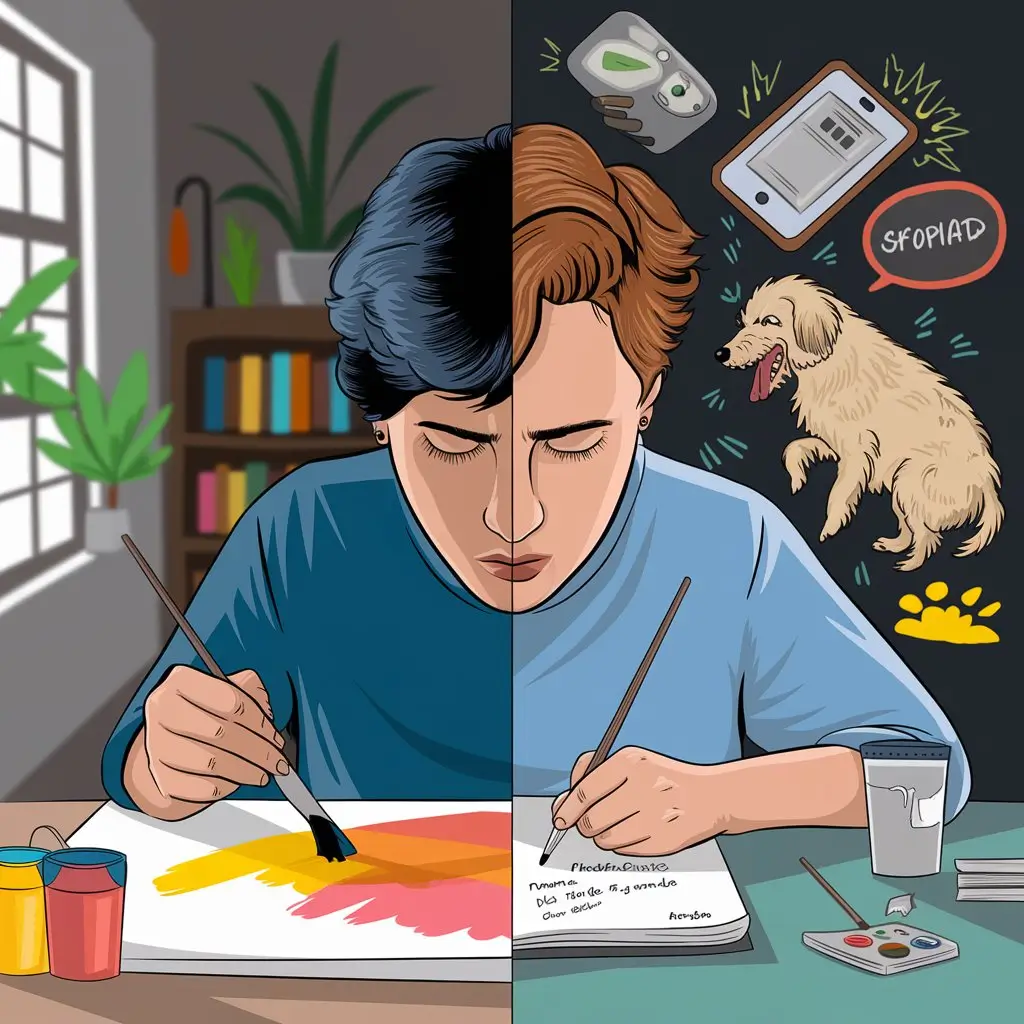
: A split image showing one side with a person intensely focused on a task (e.g., painting or writing) and the other side depicting the same person distracted by multiple stimuli (e.g., phone notifications, loud music). This visual can illustrate the dual nature of attention in ADHD.

Hyperactivity

While hyperactivity tends to decrease with age, some adults still experience restless feelings. Symptoms may include:

  • Restlessness: Adults may feel an inner restlessness that makes it difficult to relax. This can manifest as an inability to sit still during meetings or while watching a movie.
  • Excessive Talking: Some adults may find themselves speaking more than others in social situations, often interrupting or dominating conversations without intending to.
  • Impulsive Behavior: Impulsivity can lead to hasty decisions or actions without considering the consequences. This might include making unplanned purchases or taking risks without proper forethought.

Impulsivity

Impulsivity can significantly affect relationships and decision-making processes. Key indicators include:

  • Hasty Decisions: Adults may find themselves making quick decisions that lead to negative outcomes, such as changing jobs without a backup plan or engaging in risky behavior.
  • Interrupting Others: This symptom manifests as difficulty waiting for one’s turn in conversations, leading to strained relationships and social challenges.
  • Emotional Outbursts: Adults with ADHD may experience intense emotions and have difficulty regulating them, resulting in sudden outbursts of anger or frustration.

Variability of Symptoms

It’s essential to note that ADHD symptoms can vary widely among individuals. Some adults may primarily struggle with inattention, while others may experience significant hyperactivity or impulsivity. Additionally, the severity and impact of symptoms can change over time or in different environments, such as work versus home.

Co-occurring Conditions

Many adults with ADHD also deal with co-occurring mental health conditions, which can complicate the overall picture. Common co-occurring issues include:

  • Anxiety Disorders: Many adults with ADHD experience heightened anxiety, which can exacerbate focus and organization challenges.
  • Depression: Feelings of inadequacy or frustration from struggling with ADHD symptoms can lead to depressive symptoms.
  • Learning Disabilities: Some adults may have learning disabilities that further complicate their ability to manage tasks in work or academic settings.

The symptoms of ADHD show differences between people which hinders medical diagnosis because of inconsistent presentations.

Diagnosis of ADHD in Adults

Diagnosing ADHD in adults can be a complex process, often requiring a comprehensive assessment by a qualified professional. The diagnostic procedure for adult ADHD encompasses these essential elements which will be explored thoroughly.

Diagnostic Criteria

The Symptomatic and Measurable Manual of Mental Clutters (DSM-5) traces particular criteria for diagnosing ADHD. Key elements include:

  • History of Symptoms: To qualify for a diagnosis, individuals must demonstrate a persistent pattern of inattention and/or hyperactivity-impulsivity that has been present since childhood. Symptoms must have been evident before the age of 12, although they may have gone unrecognized.
  • Current Symptoms: Adults must exhibit symptoms that impact social, academic, or occupational functioning. Symptoms should be consistent and observable in multiple settings, such as work and home.
  • Exclusion of Other Conditions: The symptoms must not be better explained by another mental health disorder. Co-occurring conditions, such as anxiety or depression, should be evaluated to ensure they do not overshadow the ADHD diagnosis.

Assessment Process

The assessment process for ADHD in adults typically involves several steps:

  • Self-Assessment: Many individuals begin by completing self-assessment questionnaires that help identify ADHD symptoms. These tools can provide insight into how symptoms manifest in daily life.
  • Clinical Interview: A thorough clinical interview with a mental health professional is crucial. This interview often covers personal history, family history of ADHD, and specific behaviors that have affected the individual’s life.
  • Standardized Testing: In some cases, standardized ADHD assessments may be used. These may include cognitive tests that evaluate attention, executive function, and other related skills.
  • Collaboration with Others: Input from family members, partners, or close friends can provide valuable context about the individual’s behavior across different environments.

Challenges in Diagnosis

Several challenges can complicate the diagnosis of ADHD in adults:

  • Stigma and Misconceptions: Many adults may hesitate to seek help due to the stigma associated with mental health disorders. Misconceptions about ADHD being a childhood issue can also prevent individuals from recognizing their symptoms.
  • Overlapping Symptoms: Symptoms of ADHD can overlap with other mental health conditions, such as anxiety, depression, or bipolar disorder. This overlap can make it difficult for clinicians to arrive at an accurate diagnosis.
  • Lack of Awareness: Adults may not be aware that their difficulties with focus, organization, and impulsivity are related to ADHD. This lack of awareness can lead to years of unrecognized struggles.

Importance of Accurate Diagnosis

An accurate diagnosis of ADHD is essential for effective treatment. Without a proper diagnosis, individuals may struggle with their symptoms and experience significant challenges in their personal and professional lives.

  • Tailored Treatment Plans: A correct diagnosis allows for the development of a personalized treatment plan that may include therapy, medication, or lifestyle modifications tailored to the individual’s specific needs.
  • Improved Quality of Life: Recognizing and addressing ADHD can lead to improved functioning in various areas of life, enhancing overall well-being and reducing feelings of frustration or inadequacy.

Challenges Faced by Adults with ADHD

Grown-ups with ADHD frequently experience a extend of challenges that can essentially influence different perspectives of their lives. Understanding these challenges is significant for creating compelling adapting methodologies and looking for fitting bolster. Here are the primary difficulties faced by adults with ADHD:

Impact on Daily Life

The symptoms of ADHD can create substantial obstacles in everyday functioning:

  • Work Performance: Adults may struggle with staying focused on tasks, meeting deadlines, and organizing their workload. This can lead to decreased productivity, frequent mistakes, and potential job loss.
  • Time Management: Difficulty with time perception often results in chronic lateness or missed appointments. Adults with ADHD might underestimate how long tasks will take, leading to poor planning and execution.
  • Household Management: Keeping a tidy living space, maintaining schedules, and managing daily chores can be overwhelming. Disorganization can lead to clutter and a sense of chaos in the home environment.

Co-occurring Conditions

Many adults with ADHD also experience additional mental health conditions, complicating their overall health and well-being:

  • Anxiety Disorders: The challenges of managing ADHD symptoms can lead to heightened anxiety, creating a cycle where anxiety exacerbates ADHD symptoms.
  • Depression: Feelings of frustration and inadequacy due to struggles with ADHD can contribute to depressive symptoms. The constant effort to cope with daily challenges can be emotionally draining.
  • Learning Disabilities: Some adults may have undiagnosed learning disabilities that further hinder their ability to perform academically or professionally, resulting in additional stress and frustration.
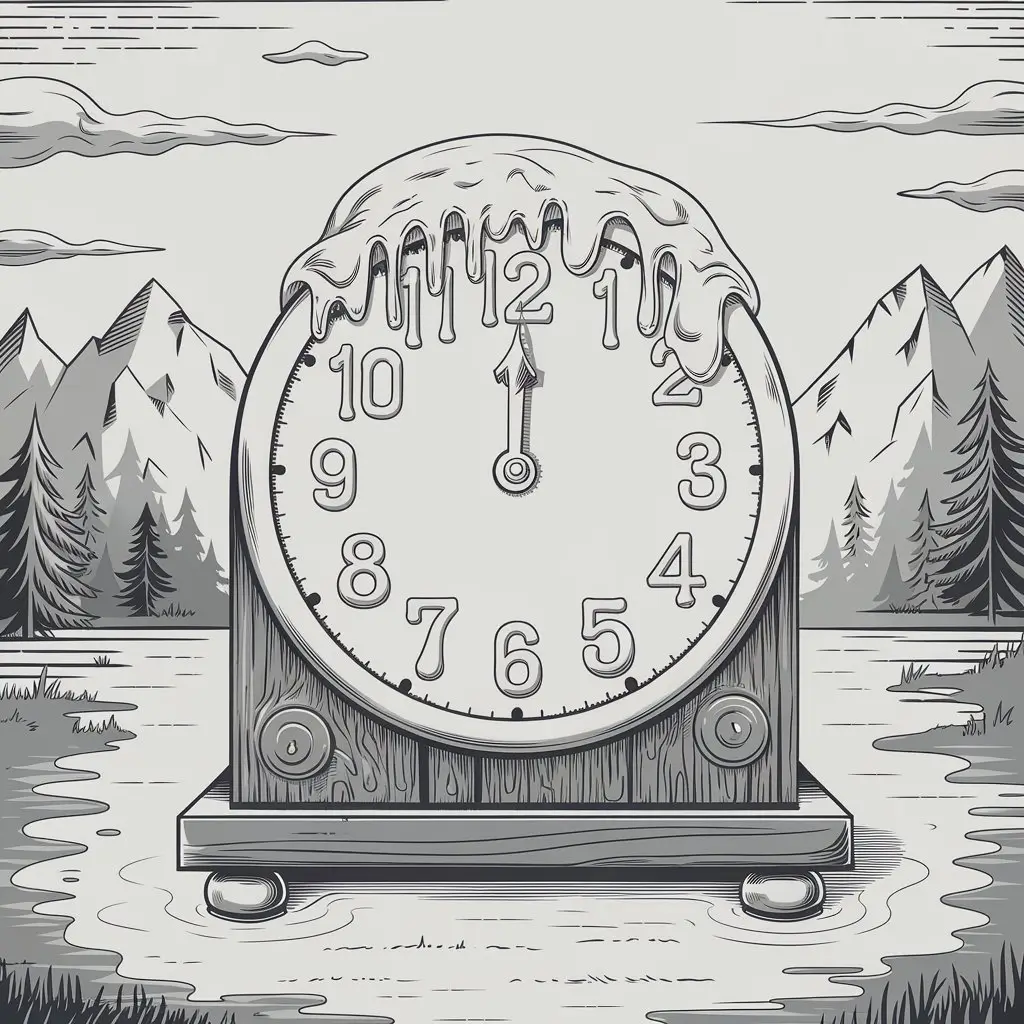
A surreal depiction of a clock with melting numbers, representing the concept of time perception often experienced by individuals with ADHD. This can illustrate the challenges of time management and focus.

Misunderstandings and Stigma

Societal misconceptions about ADHD can lead to a lack of understanding and support:

  • Stigma: Many adults face stigma related to mental health, which can discourage them from seeking help. Misunderstandings about ADHD being merely a childhood disorder can lead to feelings of isolation.
  • Judgment from Others: Friends, family, and coworkers may not understand the challenges associated with ADHD, leading to judgment or lack of support. This experience leads people to feel ashamed and deficient in their ability.

Relationship Struggles

ADHD can impact interpersonal relationships in various ways:

  • Communication Difficulties: Impulsivity and inattentiveness can lead to misunderstandings and conflicts in relationships. Adults with ADHD may interrupt conversations or forget important details, which can frustrate partners and friends.
  • Emotional Regulation: Adults with ADHD may struggle to manage their emotions, leading to outbursts or difficulty in handling conflicts. The appearance of depression puts pressure on relationships with family members, friends, co-workers, and others.
  • Dependence on Others: Some adults may rely heavily on partners or family members for organization and time management, which can create imbalances in relationships and feelings of inadequacy.

Financial Challenges

Managing finances can be particularly difficult for adults with ADHD:

  • Impulsive Spending: Impulsivity may lead to unplanned purchases or poor financial decisions, resulting in debt or financial instability.
  • Difficulty with Organization: Keeping track of bills, budgets, and financial obligations can be overwhelming, leading to missed payments and financial penalties.

Coping Strategies and Treatment Options

Managing ADHD in adults requires a multifaceted approach that combines therapeutic interventions, lifestyle changes, and support systems. Here’s an in-depth look at effective coping strategies and treatment options available for adults with ADHD.

Therapies and Counseling

Therapeutic interventions are crucial in helping adults with ADHD develop skills to manage their symptoms effectively.

  • CBT operates through a structured framework to assist patients in changing bad thinking patterns and undesirable conduct.d therapy that helps individuals identify and change negative thought patterns and behaviors. For adults with ADHD, CBT can provide practical strategies to improve organization, time management, and emotional regulation.
  • Coaching: ADHD coaching focuses on helping individuals set and achieve personal and professional goals. Coaches work collaboratively with clients to develop routines, enhance productivity, and tackle specific challenges posed by ADHD.
  • Mindfulness-Based Therapy: Mindfulness practices can help individuals with ADHD improve focus and reduce impulsivity. Mindfulness-based therapy teaches techniques for staying present and managing distractions, promoting a greater sense of control over one’s thoughts and actions.

Medication

Medication can be an effective component of an overall treatment plan for ADHD.

  • Stimulant Medications: Stimulants, such as methylphenidate (Ritalin) and amphetamines (Adderall), are the most commonly prescribed medications for ADHD. They work by increasing the levels of certain neurotransmitters in the brain, helping to improve focus and reduce impulsivity. Many adults experience significant improvements in their symptoms with proper medication management.
  • Non-Stimulant Medications: For those who may not respond well to stimulants or prefer non-stimulant options, medications like atomoxetine (Strattera) can be effective. Non-stimulant medications may help reduce symptoms without the same potential for abuse associated with stimulants.

Lifestyle Modifications

Incorporating specific lifestyle changes can enhance the management of ADHD symptoms:

  • Establishing Routines: Creating consistent daily routines can help individuals with ADHD manage their time and responsibilities more effectively. Setting specific times for tasks, such as work, exercise, and relaxation, can reduce chaos and improve focus.
  • Organizational Tools: Utilizing planners, digital apps, and to-do lists can help adults with ADHD stay organized and prioritize tasks. Color-coded systems and visual reminders can make it easier to manage responsibilities and deadlines.
  • Regular Physical Activity: Engaging in regular exercise has been shown to improve mood and cognitive function. Activities such as walking, yoga, or team sports can help reduce symptoms of ADHD and enhance overall well-being.

Support Systems

Building a strong support network is essential for adults managing ADHD:

  • Participation in support groups offers patients the chance to meet people who deal with related difficulties. Sharing experiences, strategies, and resources can provide encouragement and reduce feelings of isolation.
  • Family and Friends: Involving close family members and friends in the management process can foster understanding and support. Educating them about ADHD can help create a more supportive environment at home and in social situations.
  • Workplace Accommodations: Discussing potential accommodations with employers can make a significant difference in managing ADHD symptoms at work. Flexible work hours, a quieter workspace, or the use of organizational tools can enhance productivity and job satisfaction.

Mindfulness and Relaxation Techniques

Practicing mindfulness and relaxation techniques can help manage stress and improve focus:

  • Mindfulness Meditation: Mindfulness practices encourage individuals to stay present and focused, reducing distractions. Regular meditation can enhance self-awareness and emotional regulation, making it easier to manage daily challenges.
  • Deep Breathing Exercises: Simple breathing exercises can help calm the mind and reduce anxiety. Incorporating these techniques into daily routines can promote relaxation and improve concentration.

Success Stories and Real-Life Examples

Many adults have successfully managed their ADHD and found ways to thrive. Personal testimonials highlight the transformative power of diagnosis and treatment. For example, public figures like Michael Phelps and Simone Biles have openly discussed their ADHD, using their platforms to raise awareness and reduce stigma.

Moving Forward: Advocacy and Awareness

Raising awareness about adult ADHD is essential for fostering understanding and reducing stigma. Advocacy efforts by organizations and individuals aim to support adults with ADHD and promote open conversations about mental health. Encouraging discussions can help normalize the experiences of those living with ADHD, making it easier for individuals to seek help and support.

Conclusion

Understanding ADHD in adults is vital for creating a supportive environment for those affected by the condition. By recognizing the symptoms, challenges, and effective coping strategies, we can foster a more compassionate understanding of adult ADHD. If you suspect you have ADHD, don’t hesitate to seek help. Together, we can support one another in navigating the complexities of this condition.

PTSD: Understanding Symptoms and Effective Treatment Options

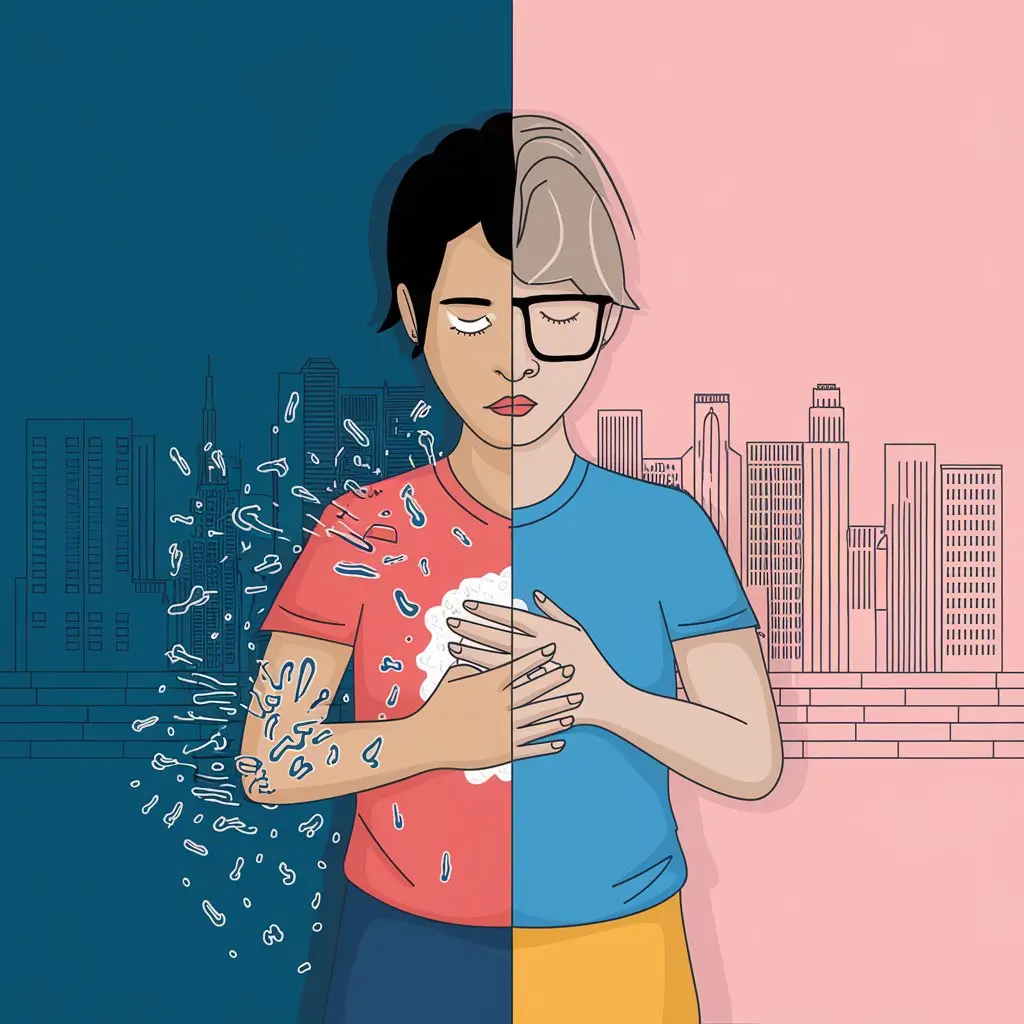
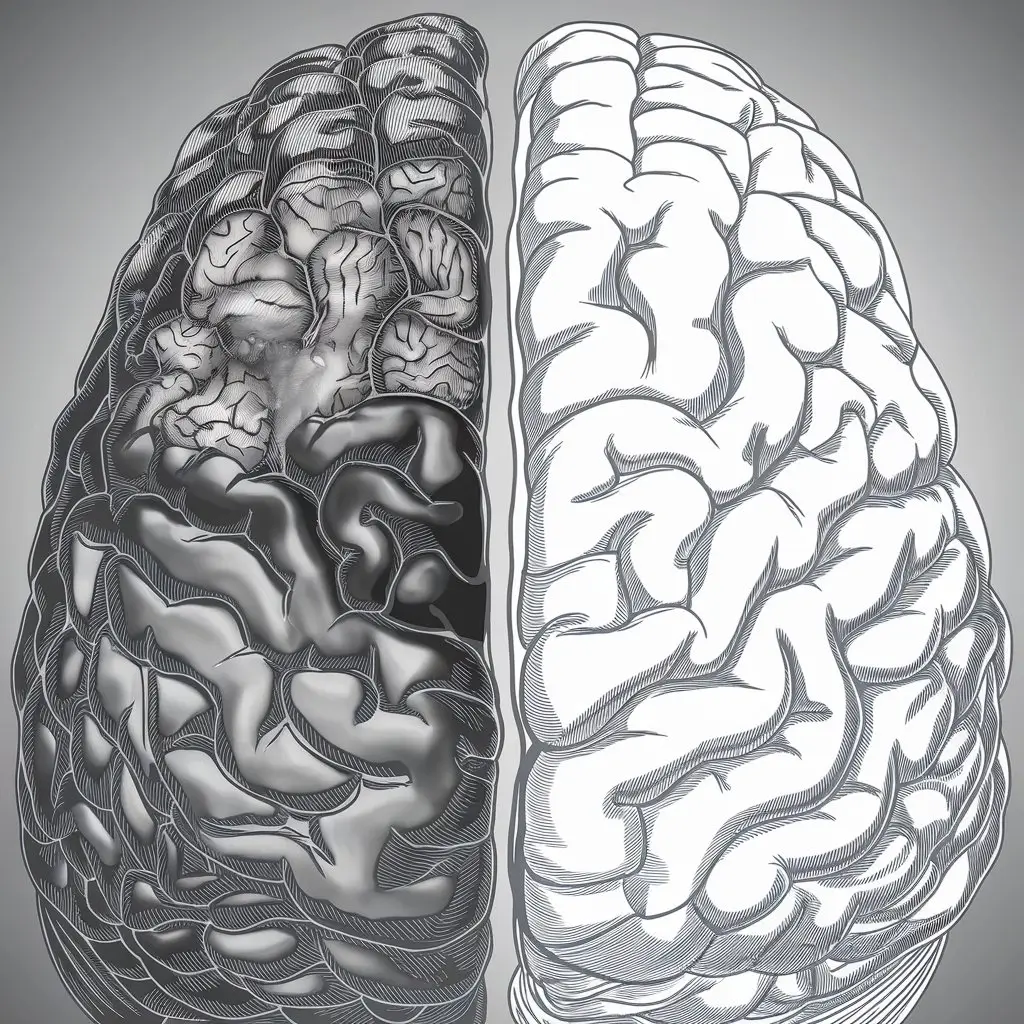
A detailed illustration of the brain highlighting areas affected by trauma and PTSD, visually explaining the neurological impact of traumatic experiences.

The mental health condition PTSD emerges after someone goes through or observes traumatic situations. Understanding PTSD is crucial, not only for those directly affected but also for families, friends, and society at large. This article aims to explore the nature of PTSD, its symptoms, causes, effects, and available treatment options.

What is PTSD?

PTSD is defined as a mental health disorder that occurs in people who have experienced or witnessed a traumatic event. According to the Diagnostic and Statistical Manual of Mental Disorders (DSM-5), PTSD is characterized by a range of symptoms that can significantly impair daily functioning. Common misconceptions about PTSD include the belief that it only affects military veterans or that it can be easily overcome. In reality, PTSD can arise from various types of trauma, including combat experiences, sexual assault, natural disasters, and accidents.

Symptoms of PTSD

The symptoms of PTSD fall into four primary categories which appear during the manifestation of this condition

Intrusive Thoughts and Memories

One of the hallmark symptoms of PTSD is the presence of intrusive thoughts and memories related to the traumatic event. These can include:

  1. Flashbacks: Individuals may experience vivid flashbacks that make them feel as though they are reliving the traumatic incident. This can be triggered by certain sights, sounds, or smells reminiscent of the event, leading to intense emotional distress.
  2. Nightmares: Many people with PTSD suffer from recurrent nightmares that revolve around the trauma or similar themes of fear and danger. These nightmares can disrupt sleep and lead to feelings of anxiety upon waking.
  3. Intrusive Thoughts: Unwanted and distressing thoughts about the traumatic event can invade daily life, causing significant emotional turmoil. These thoughts can be persistent and difficult to control, leading to heightened anxiety and distress.

Avoidance Behaviors

Individuals with PTSD often engage in avoidance behaviors to cope with the distress associated with their memories. This can manifest in several ways:

  1. Avoiding Reminders: People may go out of their way to avoid places, people, or activities that remind them of the trauma. This can severely limit their social interactions and daily activities.
  2. Emotional Numbing: Many individuals experience emotional numbing, where they feel detached from their emotions and struggle to connect with others. This can lead to a lack of interest in activities they once enjoyed and feelings of emptiness.
  3. Dissociation: Some individuals may experience dissociation, where they feel disconnected from their thoughts, feelings, or sense of identity. This can create a feeling of being detached from reality.

Negative Changes in Mood and Cognition

PTSD can lead to significant alterations in mood and cognitive functioning, impacting how individuals perceive themselves and the world around them:

  1. Negative Feelings: Individuals may experience persistent negative emotions such as sadness, guilt, or shame. They might also struggle with feelings of hopelessness about the future.
  2. Cognitive Distortions: PTSD can result in distorted beliefs about oneself or the world, such as feeling that one is to blame for the trauma or that the world is inherently dangerous. This can lead to increased feelings of isolation and despair.
  3. Memory Issues: Those with PTSD may have difficulty remembering details about the traumatic event or may struggle with general memory and concentration issues. This can affect their work, studies, and daily functioning.

Hyperarousal Symptoms

Hyperarousal symptoms are characterized by an exaggerated state of alertness, contributing to feelings of anxiety and tension:

  1. Increased Anxiety: Individuals may constantly feel on edge, making it difficult to relax or feel safe. This heightened state of anxiety can lead to irritability and difficulty managing stress.
  2. Irritability and Anger Outbursts: PTSD can lead to mood swings and increased irritability, often resulting in outbursts of anger that can strain relationships and create social difficulties.
  3. Sleep Disturbances: Many individuals with PTSD experience difficulties falling or staying asleep due to hypervigilance or nightmares. This can lead to chronic fatigue and exacerbate other symptoms of PTSD.
  4. Startle Response: People with PTSD often have an exaggerated startle response, reacting intensely to sudden noises or movements. This can create a sense of fear and anxiety in everyday situations.

Causes and Risk Factors

Understanding the causes and risk factors associated with PTSD is essential for prevention and early intervention.

Overview of Traumatic Events

PTSD can arise from a wide range of traumatic events. These experiences can be categorized into several types:

  1. Combat-Related Trauma: Military personnel are often exposed to life-threatening situations in combat zones, including direct combat, witnessing death, or experiencing severe injury. The intensity and unpredictability of these situations can lead to PTSD.
  2. Sexual Assault: Survivors of sexual violence, including rape and abuse, frequently develop PTSD due to the profound violation of personal safety and autonomy. The trauma associated with such experiences can have long-lasting psychological effects.
  3. Natural Disasters: Events such as hurricanes, earthquakes, and floods can lead to significant loss of life and property. Survivors may experience trauma from the chaos and destruction, leading to feelings of helplessness and fear.
  4. Accidents and Sudden Loss: Traumatic events can also include serious accidents (e.g., car crashes) or the unexpected loss of a loved one. These experiences can create feelings of shock and grief, contributing to the development of PTSD.

Individual Risk Factors

Certain individual characteristics can increase the likelihood of developing PTSD after exposure to trauma:

  1. Previous Trauma History: Individuals with a history of trauma, especially during childhood, are at a greater risk of developing PTSD. Early adverse experiences can alter brain development and coping mechanisms.
  2. Genetics and Family History: Research suggests that genetic factors may play a role in vulnerability to PTSD. Individuals with a family history of mental health disorders may be more susceptible to developing PTSD after trauma.
  3. Personality Traits: Certain personality traits, such as high levels of neuroticism or a tendency to avoid confronting difficult emotions, can increase the risk of developing PTSD. People who are more sensitive to stress may find it harder to cope with traumatic experiences.
  4. Pre-existing Mental Health Issues: Individuals with existing mental health conditions, such as anxiety or depression, are more likely to develop PTSD following a traumatic event. These pre-existing conditions can exacerbate the symptoms of PTSD.
An individual interacting with a therapy dog, showcasing the comforting and healing effects of animal-assisted therapy for those with PTSD.

Environmental Factors

Environmental circumstances can also significantly influence the development of PTSD:

  1. Lack of Support Systems: A strong support network is crucial for recovery from trauma. Individuals who lack supportive relationships or who are isolated may find it more challenging to cope and may be at higher risk for PTSD.
  2. Socioeconomic Status: Economic instability can exacerbate the effects of trauma. Individuals from lower socioeconomic backgrounds may face additional stressors, such as unemployment or lack of access to mental health resources, which can contribute to the development of PTSD.
  3. Cultural and Societal Influences: Cultural beliefs and societal attitudes toward trauma and mental health can affect how individuals process their experiences. Societies that stigmatize mental health issues may discourage individuals from seeking help, increasing the risk of developing PTSD.
  4. Ongoing Stressors: Experiencing additional stressors after a traumatic event, such as financial difficulties, relationship problems, or other life challenges, can hinder recovery and increase the likelihood of developing PTSD.

Effects of PTSD

The effects of PTSD extend beyond mental health and can impact various aspects of life.

Impact on Mental Health

PTSD can have profound effects on an individual’s mental health, often leading to the development of co-occurring disorders:

  1. Co-occurring Disorders: Many individuals with PTSD also experience other mental health conditions, such as depression, anxiety disorders, or substance use disorders. The interplay between these conditions can complicate treatment and exacerbate symptoms, creating a cycle of distress.
  2. Increased Risk of Suicide: Individuals with PTSD may be at a higher risk of suicidal thoughts and behaviors due to overwhelming emotional pain, feelings of hopelessness, and the inability to cope with their experiences. This underscores the necessity for timely intervention and support.
  3. Difficulty with Emotional Regulation: PTSD often results in challenges in managing emotions. Individuals may experience intense anger, sadness, or fear, which can lead to impulsive behaviors and difficulties in making decisions.

Impact on Physical Health

The stress associated with PTSD can manifest in various physical health issues, which may include:

  1. Chronic Pain Conditions: Many individuals with PTSD report chronic pain, including headaches, back pain, and other musculoskeletal issues. The connection between trauma and physical pain is well-documented, reflecting the mind-body relationship in health.
  2. Cardiovascular Issues: PTSD has been associated with an increased risk of cardiovascular diseases, including hypertension and heart disease. The chronic stress response can lead to inflammation and other physiological changes that impact heart health.
  3. Gastrointestinal Problems: Stress and anxiety can also affect the digestive system, leading to conditions such as irritable bowel syndrome (IBS), ulcers, and other gastrointestinal issues.
  4. Weakened Immune System: Chronic stress can compromise the immune system, making individuals more susceptible to infections and illnesses.

Effects on Relationships

PTSD can create significant challenges in interpersonal relationships, affecting how individuals connect with others:

  1. Strain on Family Dynamics: Family members may struggle to understand the changes in behavior and mood in a loved one with PTSD. This can lead to frustration, confusion, and feelings of helplessness, potentially resulting in conflict or estrangement.
  2. Challenges in Friendships: Individuals with PTSD may withdraw from social activities due to avoidance behaviors or emotional numbing. This isolation can lead to a loss of friendships and support networks, further exacerbating feelings of loneliness.
  3. Intimacy Issues: PTSD can impact romantic relationships, creating barriers to emotional and physical intimacy. Individuals may fear vulnerability or experience triggers that disrupt close connections.
  4. Parenting Challenges: For parents with PTSD, the disorder can affect their ability to engage with their children. Symptoms such as irritability, emotional numbing, or avoidance can hinder effective parenting and create a challenging home environment.

Impact on Daily Functioning

The symptoms of PTSD can severely affect daily functioning, making it difficult for individuals to maintain a sense of normalcy:

  1. Work Performance: Individuals with PTSD may struggle with concentration, memory, and motivation, leading to decreased work performance. Frequent absences due to mental health struggles can also affect job security and career advancement.
  2. Daily Activities and Self-Care: Routine tasks, such as shopping, cleaning, or even personal hygiene, can become overwhelming for individuals with PTSD. The emotional toll can lead to neglect of self-care, further impacting mental and physical health.
  3. Difficulty with Routine and Structure: Establishing and maintaining a daily routine can be challenging for those with PTSD. The unpredictability of symptoms may disrupt plans and create additional stress.
  4. Increased Reliance on Coping Mechanisms: Individuals may turn to unhealthy coping mechanisms, such as substance use, as a means of managing their symptoms. This can lead to further complications and a cycle of dependency.

Diagnosis and Assessment

Overview of the Diagnostic Process

The diagnostic process for PTSD typically involves several key components:

  1. Clinical Interviews: A qualified mental health professional conducts in-depth interviews with the individual to gather information about their symptoms, trauma history, and overall mental health. These interviews are designed to create a safe and supportive environment, allowing individuals to share their experiences openly.
  2. Standardized Assessments: Mental health professionals may use standardized diagnostic tools and questionnaires to assess PTSD symptoms. These tools can provide valuable insights into the severity and duration of symptoms, helping to establish a clear diagnosis. Commonly used assessments include:
    • The Clinician-Administered PTSD Scale (CAPS): This structured interview helps clinicians assess the presence and severity of PTSD symptoms.
    • The PTSD Checklist for DSM-5 (PCL-5): A self-report measure that evaluates the 20 symptoms of PTSD as defined by the DSM-5, allowing individuals to indicate the severity of their symptoms.
  3. Criteria from DSM-5: The Diagnostic and Statistical Manual of Mental Disorders, Fifth Edition (DSM-5), outlines specific criteria for diagnosing PTSD. To be diagnosed, individuals must meet several criteria, including exposure to a traumatic event, the presence of intrusive symptoms, avoidance behaviors, negative changes in mood and cognition, and hyperarousal symptoms lasting more than a month.

Importance of Professional Help

Seeking professional help for PTSD is crucial for several reasons:

  1. Accurate Diagnosis: A trained mental health professional can provide an accurate diagnosis by differentiating PTSD from other mental health conditions, such as anxiety disorders or depression. This distinction is vital for developing an effective treatment plan.
  2. Comprehensive Evaluation: Professionals can conduct a thorough evaluation, considering an individual’s complete history, including previous trauma, current stressors, and co-occurring mental health issues.
  3. A guaranteed environment set up by capable providers makes a contrast clients express their sentiments and experiences to counselors. This steady environment can offer assistance people feel approved and caught on, which is an basic portion of the mending handle. 

The Role of Self-Assessment Tools

In addition to professional evaluations, self-assessment tools can play a valuable role in recognizing PTSD symptoms:

  1. Self-Report Questionnaires: Individuals can use self-report questionnaires to assess their symptoms and gain insight into their mental health. While not a substitute for professional diagnosis, these tools can help individuals identify areas of concern and encourage them to seek help.
  2. Increased Awareness: Self-assessment tools can promote awareness of PTSD symptoms and encourage individuals to reflect on their experiences. This increased awareness can lead to early intervention and support.
  3. Tracking Progress: Self-assessment tools can also help individuals track their symptoms over time, providing valuable information about their mental health journey. This tracking can be beneficial for discussions with mental health professionals regarding treatment effectiveness.

Challenges in Diagnosis

Despite the importance of accurate diagnosis, several challenges can arise in the assessment process:

  1. Stigma and Fear: Individuals may hesitate to seek help due to fear of stigma or judgment associated with mental health disorders. This reluctance can delay diagnosis and treatment.
  2. Variability in Symptoms: PTSD symptoms can vary widely among individuals, making it challenging to recognize the disorder. Some individuals may exhibit symptoms that do not fit typical patterns, leading to misdiagnosis.
  3. Cultural Differences: Cultural beliefs and stigma surrounding mental health can influence how individuals perceive and report their symptoms. Mental health professionals should be culturally competent and sensitive to these factors during the assessment process.
  4. Comorbid Conditions: PTSD often coexists with other mental health conditions, such as depression, anxiety, or substance use disorders. The presence of these comorbid conditions can complicate the diagnostic process and require a more nuanced approach.
A split image showcasing a person before and after engaging in therapy, highlighting the positive changes in their emotional state and overall well-being.

Treatment Options

Psychotherapy Approaches

Psychotherapy functions as the primary foundation of treating PTSD through its form known as talk therapy. Several evidence-based therapeutic approaches have been shown to effectively reduce symptoms and promote healing:

  1. Cognitive Behavioral Therapy (CBT): CBT is one of the most widely used therapies for PTSD. It focuses on identifying and changing negative thought patterns and behaviors associated with trauma. Techniques within CBT may include:
    • Cognitive Restructuring: Helping individuals challenge and reframe distorted beliefs about the trauma.
    • Exposure Therapy: Gradually exposing individuals to trauma-related thoughts, feelings, and situations in a safe environment to reduce avoidance behaviors and anxiety.
  2. Eye Movement Desensitization and Reprocessing (EMDR): EMDR is a specialized thTwo-sided incitement strategies in eye development treatment permit patients to review traumatic recollections.  This approach can help reduce the emotional distress associated with memories and facilitate adaptive processing.
  3. Prolonged Exposure Therapy (PE): PE is a specific type of exposure therapy that helps individuals confront their trauma-related memories and feelings. It involves repeated retelling of the trauma story and gradual exposure to trauma reminders, allowing individuals to process their experiences and reduce avoidance behaviors.
  4. Narrative Exposure Therapy (NET): NET is a brief intervention that focuses on creating a detailed narrative of the individual’s life, including traumatic events. This approach helps individuals integrate their traumatic experiences into their life story, promoting healing and a sense of coherence.
  5. Group therapy creates a collaborative space for people with matching struggles to express themselves and gain from peer support. This collective healing experience can reduce feelings of isolation and promote a sense of community.

Medication Options

In addition to psychotherapy, medication can play a vital role in managing PTSD symptoms. Medications are often used to alleviate specific symptoms and may include:

  1. Antidepressants: Selective serotonin reuptake inhibitors (SSRIs) and serotonin-norepinephrine reuptake inhibitors (SNRIs) are commonly prescribed to help manage symptoms of PTSD, such as depression and anxiety. These medications can improve mood, reduce irritability, and enhance overall emotional stability.
  2. Anti-Anxiety Medications: Benzodiazepines may be prescribed for short-term relief of anxiety symptoms. Medical practitioners advise against long-term use of sedative medications because dependency develops as a side effect.
  3. Prazosin: This medication is sometimes used to target nightmares associated with PTSD. Prazosin can help reduce the frequency and intensity of nightmares, improving sleep quality.
  4. Other Medications: In some cases, other medications, such as mood stabilizers or antipsychotics, may be considered based on the individual’s specific symptoms and co-occurring conditions.

Alternative Therapies

In addition to traditional psychotherapy and medication, alternative therapies can provide valuable support for individuals with PTSD:

  1. Mindfulness and Meditation: Mindfulness practices, which involve being present in the moment and accepting thoughts and feelings without judgment, can help individuals manage anxiety and reduce stress. Mindfulness-based stress reduction (MBSR) programs are particularly beneficial for developing coping skills.
  2. Yoga and Physical Activity: Regular physical activity, including yoga, can help reduce symptoms of PTSD by promoting relaxation, improving mood, and enhancing overall well-being. Yoga, in particular, encourages body awareness and mindfulness, which can be therapeutic for individuals with trauma histories.
  3. Art and Music Therapy: Creative therapies, such as art and music therapy, provide individuals with alternative ways to express their feelings and process their experiences. These modalities can facilitate healing by allowing individuals to explore emotions in a safe and non-verbal manner.
  4. Animal-Assisted Therapy: Engaging with animals, such as therapy dogs, can provide comfort and emotional support for individuals with PTSD. Animal-assisted therapy can promote feelings of safety, reduce anxiety, and encourage social interaction.

Importance of a Tailored Treatment Plan

A personalized treatment plan is vital for effectively addressing the unique needs of each individual with PTSD:

  1. Comprehensive Assessment: A thorough assessment by a qualified mental health professional can help identify the specific symptoms and challenges an individual faces. This assessment is crucial for developing a targeted treatment approach.
  2. Collaborative Approach: Involving the individual in the treatment planning process ensures that their preferences and goals are taken into consideration. This collaborative approach fosters a sense of ownership over the recovery journey.
  3. Flexibility and Adaptability: Treatment plans should be flexible and adaptable to the individual’s progress and changing needs. Regular check-ins with mental health professionals can help assess the effectiveness of the treatment and make necessary adjustments.
  4. Integration of Multiple Approaches: Combining different therapeutic modalities, such as psychotherapy, medication, and alternative therapies, can enhance treatment effectiveness. An integrated approach allows individuals to address their symptoms from multiple angles, promoting holistic healing.

Coping Strategies and Support

In addition to professional treatment, various coping strategies can help individuals manage PTSD.

Self-Care Practices

Self-care is a critical component of managing PTSD. By prioritizing physical and emotional well-being, individuals can create a foundation for healing:

  1. Regular Exercise: Engaging in physical activity helps reduce stress and anxiety, improves mood, and promotes overall health. Activities such as walking, running, yoga, or dancing can release endorphins, which are natural mood lifters.
  2. Healthy Eating: A balanced diet can have a positive impact on mental health. Nutrient-rich foods, such as fruits, vegetables, whole grains, and lean proteins, can contribute to better energy levels and emotional stability. Staying hydrated is also essential for overall well-being.
  3. Adequate Sleep: Sleep disturbances are common in individuals with PTSD. Establishing a regular sleep routine, creating a calming bedtime environment, and practicing relaxation techniques can improve sleep quality. Limiting caffeine and screen time before bed can also be beneficial.
  4. Mindfulness and Relaxation Techniques: Mindfulness practices, such as meditation, deep breathing, and progressive muscle relaxation, can help individuals manage anxiety and promote a sense of calm. These techniques encourage individuals to focus on the present moment and reduce rumination on past traumatic events.
  5. Journaling: Writing about thoughts, feelings, and experiences can serve as a therapeutic outlet. Journaling can help individuals process their emotions, track their progress, and gain insights into their coping mechanisms.

Building a Support Network

A strong support network is vital for individuals coping with PTSD. Connecting with others can provide validation, understanding, and encouragement:

  1. Family and Friends: Open communication with trusted family members and friends can foster a supportive environment. Sharing experiences and feelings with loved ones can help reduce feelings of isolation and provide emotional support.
  2. Support Groups: Joining a support group for individuals with PTSD can create a sense of community and shared understanding. Hearing others’ experiences can help individuals realize they are not alone in their struggles and provide valuable coping strategies.
  3. Professional Support: Engaging with mental health professionals, such as therapists or counselors, is crucial for effective coping. These professionals can provide guidance, coping strategies, and therapeutic interventions tailored to individual needs.
  4. Online Communities: Online forums and social media groups can offer additional support and resources. These platforms enable persons to meet fellow challenge counterparts while exchanging lived experiences and survival techniques.

The Role of Education and Awareness in Recovery

Understanding PTSD and its effects is essential for recovery. Education can empower individuals and their support networks:

  1. Learning About PTSD: Gaining knowledge about PTSD symptoms, causes, and treatment options can help individuals better understand their experiences. This understanding can reduce feelings of shame or confusion and promote self-advocacy.
  2. Recognizing Triggers: Identifying personal triggers, situations, places, or people that evoke traumatic memories, can help individuals develop strategies to cope with these challenges. Awareness of triggers allows for proactive management and planning.
  3. Setting Realistic Goals: Establishing achievable goals for recovery can provide a sense of direction and accomplishment. Goals can be small and incremental, focusing on specific aspects of coping or daily functioning.
  4. Advocating for Mental Health: Raising awareness about PTSD and mental health can help reduce stigma and promote understanding in society. Individuals can advocate for themselves and others by sharing their stories and experiences.

Developing Healthy Coping Mechanisms

In addition to self-care and support, developing healthy coping mechanisms is vital for managing PTSD symptoms:

  1. Avoiding Substance Use: While some may turn to alcohol or drugs as a means of coping, these substances can exacerbate symptoms and lead to further complications. Finding alternative coping strategies is crucial for long-term recovery.
  2. Practicing Gratitude: Cultivating a gratitude practice can shift focus from negative experiences to positive aspects of life. Keeping a gratitude journal or regularly reflecting on things one is thankful for can enhance overall well-being.
  3. Engaging in Hobbies and Interests: Pursuing activities that bring joy and fulfillment can be a positive distraction from distressing thoughts. Engaging in hobbies, such as painting, gardening, or playing music, provides an outlet for expression and creativity.
  4. Establishing Routine: Creating a daily routine can provide structure and stability, which is beneficial for individuals dealing with PTSD. Routines can help individuals regain a sense of control over their lives and promote a sense of normalcy.

Conclusion

Understanding PTSD and its effects is vital for fostering empathy and support for those affected. It is crucial for individuals experiencing PTSD to seek help and for society to recognize the importance of mental health awareness. Recovery is possible with the right treatment and support, allowing individuals to reclaim their lives.

OCD: Understanding Symptoms and Effective Treatments

split image showing a person struggling with OCD on one side (e.g., engaging in compulsive behaviors) and the same person enjoying a fulfilling life on the other side. This can illustrate the contrast between living with OCD and finding relief through treatment.

Obsessive-Compulsive Disorder (OCD) is a common yet misunderstood mental health condition that affects millions of people worldwide. This article explores OCD by examining its symptoms, causes, and effective coping strategies.

What is OCD?

Obsessive-Compulsive Disorder (OCD) is a chronic mental health condition characterized by recurring, unwanted thoughts (obsessions) and repetitive behaviors or mental acts (compulsions). Individuals feel compelled to perform these behaviors, which can significantly disrupt daily life and hinder normal functioning in work, school, and personal relationships.

Understanding Obsessions

Obsessions are intrusive and distressing thoughts, images, or impulses that repeatedly enter a person’s mind. These thoughts often provoke intense anxiety or discomfort. Common obsessions include:

  1. Fear of Contamination: Individuals worry about germs, dirt, or harmful substances, leading to excessive cleaning or avoidance of specific places or people.
  2. Fear of Harming Others: Some people experience distressing thoughts about causing harm or injury, even if they have no intention of acting on these thoughts.
  3. Need for Symmetry or Order: Many individuals feel a strong compulsion to arrange items in a particular order or ensure that things are “just right.” The discomfort associated with disorder can lead to significant time spent organizing or rearranging belongings.
  4. Fear of Losing Control: This manifests as anxiety about acting inappropriately or engaging in impulsive behaviors that could have negative consequences.

Understanding Compulsions

Compulsions are repetitive actions or mental rituals that individuals perform in response to their obsessions.
The purpose of these behaviors is to decrease anxiety as well as stop a feared event from happening.

Common compulsions include:

  1. Excessive Cleaning or Handwashing: Individuals may wash their hands repeatedly or clean their surroundings to alleviate fears of contamination.
  2. Checking: Many people check locks, appliances, or personal belongings multiple times to ensure safety and prevent harm.
  3. Counting or Repeating: Some engage in counting items or repeating phrases or actions a certain number of times to relieve anxiety.
  4. Arranging Objects: Individuals may spend considerable time organizing items in a specific way, feeling distressed if things are out of place.

The Cycle of OCD

Obsessions and compulsions create a cycle that can be difficult to break. An intrusive thought (obsession) leads to heightened anxiety. To relieve that anxiety, the individual engages in a compulsion. While this may offer temporary relief, it reinforces the obsessions, perpetuating the cycle.

Variability in Experience

OCD manifests differently in each person. Some may have mild symptoms that occasionally interfere with daily life, while others experience severe symptoms that lead to significant impairment. The condition can also vary over time, with symptoms worsening during periods of stress or life changes.

Misconceptions About OCD

Despite its prevalence, many misunderstand OCD. Many people mistakenly associate it with being overly organized or having specific cleanliness preferences. However, the reality of OCD involves profound anxiety and distress that goes beyond mere quirks or habits.

Symptoms of OCD

OCD symptoms can significantly interfere with daily life and can be categorized into obsessions and compulsions. Understanding these symptoms is essential for recognizing OCD and seeking help.

Obsessions

Obsessions are persistent, intrusive thoughts, images, or urges that cause anxiety or discomfort. Common types of obsessions include:

  1. Fear of Contamination: Individuals may fear germs, dirt, or harmful substances, leading to excessive worry about cleanliness.
  2. Fear of Harming Others: Distressing thoughts about causing harm to oneself or others can be particularly troubling for many individuals.
  3. Need for Symmetry or Exactness: Some feel compelled to arrange items in a specific order, leading to time-consuming rituals.
  4. Fear of Losing Control: Individuals worry about losing control over their actions or thoughts, prompting compulsive behaviors to prevent this.
  5. Fear of Making a Mistake: Perfectionism can lead to obsessive thoughts about errors, resulting in excessive checking and reassurance-seeking.

Compulsions


People with obsessive compulsive disorder routinely perform repeated actions as well as mental events which result from their obsessions. These actions aim to reduce anxiety or prevent a feared event. Common compulsive behaviors include:

  1. Excessive Cleaning or Handwashing: Individuals may engage in repeated cleaning rituals to alleviate fears of contamination.
  2. Checking: Many people check multiple times to ensure safety, consuming significant time and leading to frustration.
  3. Counting or Repeating: Some have rituals involving counting objects or repeating actions a specified number of times.
  4. Arranging Objects: The need for order can lead to compulsive organizing, where individuals spend excessive time arranging items.
  5. Mental Compulsions: Some engage in mental rituals, such as silently counting or praying, to reduce anxiety or prevent harm.

Impact on Daily Life

OCD symptoms can disrupt an individual’s quality of life. The time spent on obsessions and compulsions can hinder performance in work, school, and relationships. Individuals may avoid situations that trigger their symptoms, leading to isolation.

Co-Occurring Conditions

OCD often co-occurs with other mental health disorders, such as anxiety disorders, depression, and ADHD. This overlap can complicate diagnosis and treatment, creating additional challenges for individuals seeking help.

Causes of OCD

The exact cause of OCD remains unclear, but researchers suggest that a combination of genetic, neurobiological, environmental, and psychological factors contributes to its development. Understanding these factors can provide insight into the disorder’s complexities.

Genetic Factors

Studies indicate that genetics significantly influence OCD development. Individuals with a family history of OCD or anxiety disorders are more likely to develop the condition. Certain genes may affect how the brain processes serotonin, a neurotransmitter involved in mood regulation.

Neurobiological Factors

Neurobiological research identifies several brain structures and pathways implicated in OCD:

  1. Serotonin Dysfunction: Abnormalities in serotonin levels often associate with OCD. Imbalances may contribute to persistent thoughts and compulsive behaviors.
  2. Brain Structures: Imaging studies show that areas such as the orbitofrontal cortex and anterior cingulate cortex may function differently in those with OCD.
  3. Neural Circuits: Disruptions in connections between the frontal cortex and deeper brain structures may influence how individuals process information and respond to anxiety.

Environmental Factors

Environmental factors also play a significant role in developing OCD. Potential triggers include:

  1. Stressful Life Events: Major life changes or traumatic experiences can trigger OCD onset or exacerbate existing symptoms.
  2. Infection and Illness: Research suggests a link between certain infections, especially streptococcal infections, and the onset of OCD symptoms in children.
  3. Childhood Trauma: Experiencing trauma, abuse, or neglect during childhood can increase the risk of developing OCD later in life.

Psychological Factors

Certain psychological traits and cognitive patterns may contribute to developing OCD:

  1. Perfectionism: Many individuals with OCD exhibit perfectionistic tendencies, leading to unrealistically high standards and a fear of mistakes.
  2. Intolerance of Uncertainty: Many struggle with uncertainty and find it challenging to tolerate ambiguous situations, leading to compulsive behaviors.
  3. Cognitive Distortions: Patterns like overestimating negative outcomes can reinforce OCD symptoms and contribute to the obsession-compulsion cycle.

Diagnosis of OCD

Diagnosing OCD involves a comprehensive assessment by a qualified mental health professional. This process ensures an accurate diagnosis and a tailored treatment plan.

Clinical Assessment

  1. Initial Evaluation: The diagnosis starts with an evaluation where a mental health professional gathers information about symptoms, medical history, and family history. This may involve discussions about the onset, duration, and frequency of obsessive thoughts and compulsive behaviors.
  2. Symptom Review: Clinicians use structured interviews to assess specific symptoms. They identify the nature of obsessions and compulsions, their impact on daily life, and any associated emotional distress.
  3. Functional Impairment: Evaluating how OCD symptoms interfere with daily activities is essential for diagnosis. Clinicians explore how symptoms affect work, relationships, and daily engagement.

Diagnostic Criteria

Mental health professionals refer to the Diagnostic and Statistical Manual of Mental Disorders (DSM-5) for diagnosing OCD. Key criteria include:

  1. Presence of Obsessions: Individuals must experience recurrent, intrusive thoughts that cause marked anxiety or distress.
  2. Presence of Compulsions: Individuals must engage in repetitive behaviors or mental acts in response to obsessions.
  3. Time-Consuming Nature: The obsessions and compulsions must consume significant time (more than one hour per day) or cause notable distress or impairment.
  4. Exclusion of Other Conditions: Symptoms must not result from substance use or another mental disorder.

Self-Reporting Tools

Various self-reporting tools and questionnaires can assist in diagnosing OCD. Common measures include:

  1. Yale-Brown Obsessive Compulsive Scale (Y-BOCS): This scale assesses OCD symptom severity and tracks changes over time.
  2. Obsessive-Compulsive Inventory (OCI): This self-report questionnaire evaluates the frequency and intensity of symptoms.
  3. Cambridge Compulsion Scale (CCS): This tool assesses compulsive behaviors and their impact on daily life.

Differential Diagnosis

It is vital for professionals to differentiate OCD from other mental health disorders with similar symptoms, such as generalized anxiety disorder or specific phobias. A thorough evaluation ensures accurate diagnosis and appropriate treatment.

Importance of Professional Evaluation

Self-diagnosis can lead to misunderstandings about the condition. Therefore, seeking professional evaluation is essential. Trained mental health professionals can provide comprehensive assessments that consider individuals’ unique experiences.

Follow-Up Assessment

Once diagnosed, follow-up assessments monitor treatment progress and make necessary adjustments. Regular check-ins with a mental health provider help ensure the treatment plan remains effective.

Treatment Options

Treating OCD effectively often requires a combination of therapeutic approaches tailored to individual needs. Primary treatment options include Cognitive Behavioral Therapy (CBT), medication, and support groups.

Cognitive Behavioral Therapy (CBT)

Cognitive Behavioral Therapy is one of the most effective treatments for OCD, particularly the subtype known as Exposure and Response Prevention (ERP).

  1. Exposure and Response Prevention (ERP): ERP gradually exposes individuals to situations or thoughts that trigger their obsessions while helping them resist compulsive behaviors. This controlled process allows individuals to confront their fears without resorting to compulsions, reducing anxiety over time.
  2. Cognitive Restructuring: This aspect of CBT focuses on identifying and challenging irrational thoughts that contribute to OCD. Individuals learn to reframe their thinking patterns, reducing the severity of obsessions and compulsions.
  3. Behavioral Techniques: Various strategies, such as relaxation techniques, mindfulness, and stress management, can complement ERP. These techniques help individuals manage anxiety and improve emotional well-being.

Medication

Medication can effectively complement a treatment plan for OCD, especially for those who do not respond adequately to therapy alone.

  1. Selective Serotonin Reuptake Inhibitors (SSRIs): SSRIs are the most commonly prescribed medications for OCD, including fluoxetine, fluvoxamine, sertraline, and escitalopram. They increase serotonin availability in the brain, alleviating anxiety and obsessive thoughts.
  2. Clomipramine: This tricyclic antidepressant also effectively treats OCD. It enhances serotonin levels similarly to SSRIs but may have different side effects, so it is considered when SSRIs are ineffective.
  3. Dosage and Duration: Finding the right dosage and duration for medication can take time. Collaboration between the individual and healthcare provider is crucial to monitor effectiveness and manage side effects.

Support Groups

Support groups provide valuable resources for individuals with OCD. These groups foster community and understanding, allowing individuals to share experiences and coping strategies.

  1. Peer Support: Connecting with others facing similar challenges can reduce feelings of isolation and stigma. Sharing personal stories fosters empathy and provides practical advice.
  2. Facilitated Groups: Some support groups are led by mental health professionals who guide discussions, offer resources, and introduce coping techniques. These groups can educate participants about OCD and its treatment.
  3. Online Communities: For those without access to in-person support, online communities provide platforms to connect with others, discuss experiences, and seek advice.

Alternative Therapies

In addition to conventional treatments, some individuals may find relief from OCD symptoms through alternative therapies. While these should not replace traditional treatments, they can serve as complementary approaches.

  1. Mindfulness and Meditation: Practicing mindfulness and meditation helps individuals develop awareness of their thoughts and feelings, reducing anxiety associated with obsessions. Techniques like deep breathing and visualization promote relaxation.
  2. Yoga and Exercise: Regular physical activity contributes to overall mental health by reducing stress and improving mood. Yoga promotes mindfulness, flexibility, and relaxation, benefiting individuals with OCD.
  3. Nutritional Approaches: A balanced diet rich in omega-3 fatty acids, antioxidants, and other nutrients may support mental health. While diet alone does not treat OCD, good nutritional habits contribute to overall well-being.

Importance of a Comprehensive Treatment Plan

Individuals with OCD should work closely with mental health professionals to develop a comprehensive treatment plan that addresses their unique needs. This collaborative approach ensures that all aspects of the disorder receive attention and that interventions are tailored to individual circumstances.

Ongoing Monitoring and Adjustment

OCD is a chronic condition that fluctuates in severity. Regular follow-ups with a mental health provider are essential for monitoring progress, adjusting treatment strategies, and addressing new challenges. Treatment plans may require modifications over time, especially during periods of increased stress or life changes.

Coping Strategies

Coping with OCD can be challenging, but various strategies help individuals manage symptoms and improve their quality of life. These techniques can complement professional treatment and empower individuals to navigate daily life more effectively.

Mindfulness and Relaxation Techniques

  1. Mindfulness Meditation: Practicing mindfulness involves focusing on the present moment without judgment. Mindfulness meditation allows individuals to observe intrusive thoughts without reacting, reducing the power of obsessions and promoting calm.
  2. Deep Breathing Exercises: Deep breathing techniques help alleviate anxiety and stress. Taking slow, deep breaths activates the body’s relaxation response, making it easier to manage feelings of panic.
  3. This method requires the individual to systematically tense and relax various muscle groups starting from the toes and ending at the forehead Progressive muscle relaxation reduces physical tension and promotes relaxation, making it easier to cope with anxiety.

Establishing a Routine

  1. Structured Daily Schedule: Creating a consistent daily routine provides stability and predictability. Regular times for meals, work, exercise, and relaxation help individuals feel more in control and reduce uncertainty.
  2. Setting Realistic Goals: Breaking larger tasks into smaller, achievable goals prevents feelings of overwhelm. Celebrating small successes boosts confidence and motivates tackling more significant challenges.
  3. Time Management Strategies: Utilizing planners or digital calendars helps individuals prioritize tasks and allocate time effectively, reducing stress related to deadlines.

Engaging in Physical Activity

  1. Regular Exercise: Engaging in physical activity reduces symptoms of anxiety and depression. Exercise releases endorphins, improving mood and overall well-being.
  2. Mind-Body Activities: Practices like yoga and tai chi combine physical movement with mindfulness and relaxation, helping individuals develop body awareness and reduce stress.

Building a Support System

  1. Connecting with Others: Building a strong support network is instrumental in managing OCD. Friends, family, or support groups provide understanding, encouragement, and community.
  2. Communicating Openly: Open communication with loved ones fosters understanding and support. Educating them about OCD helps them grasp what individuals experience and how to assist.
  3. Participating in Support Groups: Joining support groups, either in-person or online, provides a safe space to share experiences, coping strategies, and resources, fostering belonging and reducing isolation.

Limiting Triggers

  1. Identifying Triggers: Keeping a journal to track situations or thoughts that trigger OCD symptoms helps individuals become more aware of their patterns, allowing for proactive management.
  2. Creating a Safe Environment: Adjusting one’s living or working environment helps minimize triggers. Organizing spaces, avoiding specific situations that provoke anxiety, and creating designated relaxation areas can be beneficial.
  3. Practicing Self-Care: Prioritizing self-care is essential for managing OCD. Engaging in activities that bring joy, relaxation, or fulfillment, such as hobbies or reading, helps individuals recharge and maintain a positive outlook.

Seeking Professional Help

  1. Therapy and Counseling: Regular sessions with a mental health professional provide ongoing support and guidance. Therapy helps individuals develop coping skills, challenge irrational thoughts, and work through underlying issues.
  2. Medication Management: For some, medication effectively manages OCD symptoms. Regular check-ins with a healthcare provider help monitor medication effectiveness and make adjustments.

Practicing Patience and Self-Compassion

  1. Understanding the Nature of OCD: Recognizing that OCD is a chronic condition fosters patience. Progress may not always be linear, and setbacks can occur, reducing frustration and promoting self-care.
  2. Self-Compassion: Practicing self-compassion involves treating oneself with kindness, especially during difficult times. Acknowledging struggles and seeking help fosters resilience.

Utilizing Technology

  1. Mobile Apps: Various apps help individuals manage OCD symptoms, including tools for tracking thoughts, mindfulness exercises, and reminders for exposure tasks.
  2. Online Resources: Numerous websites and forums provide information, support, and coping strategies. Engaging with these resources offers additional insights and encouragement.

Conclusion

OCD is a complex and often debilitating condition. However, understanding its symptoms, causes, and available treatments empowers individuals to seek help and manage their experiences. By raising awareness and promoting education, we can create a more supportive environment for those affected by OCD. If you or someone you know struggles with OCD, reach out for professional assistance. You are not alone, and support is available.

Men with Bipolar Disorder: Breaking the Stigma Together

A man standing on a mountain peak, arms raised in triumph. The stunning landscape symbolizes overcoming challenges and achieving personal growth.

Bipolar disorder is a mental health condition that affects millions of individuals worldwide. Drastic emotional swings appear as the main characteristic of this condition, which combines both manic/hypomanic and depressive phases. While it affects both men and women, the experiences of men with bipolar disorder are often overshadowed by societal expectations and the stigma surrounding mental health. This article aims to shed light on the challenges men face with bipolar disorder, the stigma they encounter, and the importance of open conversations to foster understanding and support.

Understanding Bipolar Disorder

A patient with bipolar disorder experiences intense emotional shifts which alternates between mania or hypomania and depression as their main characteristic. Understanding this disorder is crucial, especially for men, as it helps in recognizing symptoms, seeking help, and reducing stigma.

What is Bipolar Disorder?

Bipolar disorder is classified into several types, each with distinct features:

  • Bipolar I Disorder: This type is characterized by manic episodes that last at least seven days or by manic symptoms that are so severe that immediate hospital care is needed. Depressive episodes are also common, lasting at least two weeks. Episodes of depression with mixed features (having symptoms of both mania and depression) are also possible.
  • Bipolar II Disorder: Individuals with Bipolar II experience a milder form of mood elevation known as hypomania, which does not include the severe symptoms of full-blown mania. However, these individuals still experience significant depressive episodes that can impact their daily functioning and quality of life.
  • Cyclothymic Disorder (Cyclothymia): Cyclothymia is a milder form of bipolar disorder, involving periods of hypomanic symptoms and periods of depressive symptoms lasting for at least two years (one year in children and adolescents). However, the symptoms do not meet the diagnostic requirements for a hypomanic episode and a depressive episode.
  • Other Specified and Unspecified Bipolar and Related Disorders: This category applies to symptoms that do not match the three categories listed above. These symptoms may still cause significant distress or impairment in social, occupational, or other areas of functioning.

Common Symptoms and Behaviors

Understanding the symptoms of bipolar disorder is essential for early identification and treatment. Key symptoms include:

  • Manic Symptoms:
    • Elevated mood: An exaggerated sense of well-being or euphoria.
    • Increased energy: Feeling unusually energetic or restless.
    • Sleep requirements decrease when people experience restfulness even after limited sleeping periods.
    • One symptom of mania is channeled discontinuous shifts between multiple concepts.
    • Impulsivity: Engaging in high-risk behaviors, such as spending sprees, reckless driving.
    • Grandiosity: An inflated self-esteem or sense of superiority.
  • Hypomanic Symptoms: Similar to manic symptoms but less severe, hypomania does not cause significant impairment in social or occupational functioning.
  • Depressive Symptoms:
    • Persistent feelings of sadness or hopelessness.
    • Loss of interest in previously enjoyed activities.
    • Changes in craving or weight (either misfortune or pick up).
    • Sleep disturbances: Insomnia or excessive sleeping.
    • Fatigue or loss of energy.
    • Difficulty concentrating or making decisions.
    • Thoughts of death or suicide.

Prevalence in Men

Bipolar disorder affects men and women, but it can present differently across genders. Research indicates that while the overall prevalence of bipolar disorder is similar in men and women, men may experience more severe manic episodes. Men are also more likely to face challenges in recognizing their symptoms and seeking help due to societal expectations surrounding masculinity.

Understanding these differences is vital for developing effective treatment plans and support systems tailored to men’s unique experiences with bipolar disorder.

The Importance of Awareness

Raising awareness about bipolar disorder is crucial for reducing stigma and encouraging those affected to seek help. Misconceptions about the disorder can lead to fear, misunderstanding, and discrimination. By educating the public about the reality of bipolar disorder, its symptoms, its impact, and the fact that it is a treatable condition, we can foster a more supportive environment for individuals living with this mental health challenge.

In summary, a comprehensive understanding of bipolar disorder including its types, symptoms, prevalence in men, and the importance of awareness serves as a foundation for breaking the stigma. This knowledge can empower men to recognize their symptoms, seek timely support, and engage in open discussions about their mental health.

The Stigma Surrounding Mental Health in Men

Societal Expectations of Masculinity

Traditional views of masculinity often dictate that men should be stoic, strong, and self-reliant. These societal norms can create barriers for men seeking help for mental health issues. Expressing vulnerability or admitting to having a mental health condition like bipolar disorder is frequently viewed as a weakness, leading many men to suffer in silence.

Consequences of Stigma

The stigma associated with mental health can have dire consequences for men with bipolar disorder. Many feel pressured to hide their condition, leading to isolation and worsening symptoms. The fear of being judged or misunderstood can prevent men from seeking the help they need, resulting in a cycle of untreated mental health issues that can affect all areas of their lives, including relationships and careers.

Personal Stories and Experiences

Voices of Men Living with Bipolar Disorder

Hearing the stories of men living with bipolar disorder can provide valuable insights into the daily challenges they face. For instance, John, a 35-year-old graphic designer, shares how his manic episodes led him to take on too many projects at once, only to crash into severe depression afterward. “I felt invincible during my highs, but when the lows hit, it was like falling into a bottomless pit,” he recounts.

Similarly, Michael, a 28-year-old teacher, talks about the difficulty of maintaining relationships. “My friends didn’t understand why I would suddenly disappear for weeks. I was afraid to tell them I was struggling,” he explains. These personal stories highlight the importance of breaking the stigma and encouraging open discussions about mental health.

The Role of Support Systems

Support systems play a vital role in the lives of men with bipolar disorder. Family, friends, and mental health professionals can provide the understanding and encouragement needed to navigate the challenges of the condition. Support groups specifically for men can also create safe spaces for sharing experiences and coping strategies.

Strategies for Breaking the Stigma

Breaking the stigma surrounding bipolar disorder, especially among men, requires a multifaceted approach. It involves fostering open conversations, promoting education and awareness, and encouraging advocacy and community engagement. Here are some key strategies:

Open Conversations

1. Encouraging Honest Dialogue:

  • Creating Safe Spaces: It’s vital to establish environments where men feel comfortable discussing their mental health. This can be achieved through support groups, online forums, or community events that prioritize confidentiality and understanding.
  • Promoting Vulnerability: Men are often socialized to suppress emotions. Encouraging them to share their struggles can help normalize these conversations. Sharing stories of personal experiences can foster empathy and understanding, making it easier for others to open up.

2. Role Models and Influencers:

  • Public Figures Sharing Their Stories: When well-known figures or celebrities discuss their experiences with bipolar disorder, it can have a significant impact. Their openness can inspire others to seek help and talk about their own mental health challenges.
  • Local Champions: Community leaders or respected individuals can also play a crucial role in breaking stigma. Their involvement in mental health advocacy can influence local perceptions and encourage others to engage in conversations about mental health.

Education and Awareness

1. Comprehensive Mental Health Education:

  • Workshops and Seminars: Organizing educational sessions in schools, workplaces, and community centers can help demystify bipolar disorder. These sessions should cover what bipolar disorder is, its symptoms, and treatment options.
  • Incorporating Mental Health into Curricula: Schools should integrate mental health education into their programs. Teaching students about mental health from an early age can foster a culture of understanding and acceptance.

2. Using Media Effectively:

  • Social Media Campaigns: Utilizing platforms like Instagram, Twitter, and Facebook to spread awareness can reach a broad audience. Campaigns can include infographics, personal stories, and facts about bipolar disorder to educate and engage the public.
  • Documentaries and Films: Visual media can be a powerful tool for storytelling. Documentaries that highlight the lives of men with bipolar disorder can provide viewers with insight and foster empathy.

Advocacy and Community Engagement

1. Involvement in Mental Health Organizations:

  • Joining or Supporting Nonprofits: Men can get involved with organizations focused on mental health awareness. This involvement can range from volunteer work to participating in fundraising events. Such actions not only help the cause but also encourage others to take mental health seriously.
  • Advocacy Training: Training programs can equip men with the skills to advocate for mental health policy changes. This can include lobbying for better mental health services or funding for research.

2. Creating Support Networks:

  • Peer Support Groups: Establishing peer-led groups can provide a sense of community and belonging. These groups allow men to share experiences and coping strategies, reducing feelings of isolation.
  • Mentorship Programs: Connecting men who have successfully managed their bipolar disorder with those currently struggling can provide invaluable support. Mentorship programs can foster hope and provide practical advice on navigating challenges.

Promoting Positive Masculinity

1. Redefining Masculinity:

  • Challenging Traditional Norms: Conversations about redefining masculinity can encourage men to embrace vulnerability, emotional expression, and mental health care as strengths rather than weaknesses.
  • Highlighting Emotional Intelligence: Promoting the idea that emotional intelligence is a vital aspect of masculinity can help men understand that seeking help is a courageous and responsible choice.

2. Encouraging Self-Care Practices:

  • Promoting Healthy Coping Mechanisms: Encouraging men to engage in self-care routines, such as exercise, meditation, and hobbies, can help them manage stress and improve their overall mental health.
  • Normalizing Therapy: Making therapy a common topic of discussion can help break down barriers. When men see therapy as a regular part of self-care, it becomes less stigmatized.

Seeking Help and Support

Seeking help is a crucial step in managing bipolar disorder, particularly for men who may feel societal pressure to appear strong and self-sufficient. Recognizing when to reach out for assistance can make a significant difference in one’s mental health journey. This section will explore the importance of seeking help, the signs that indicate professional intervention is needed, available resources, and the various treatment options that can support men living with bipolar disorder.

When to Seek Help

Recognizing the signs that professional help is needed can be challenging, especially for men who may have been conditioned to suppress their emotions or endure their struggles silently. However, there are several indicators that can signal the need for support:

  1. Persistent Mood Changes: If mood swings become more extreme or frequent, it may be time to seek help. This includes episodes of mania (high energy, decreased need for sleep, impulsivity) or depression (feelings of sadness, hopelessness, or loss of interest).
  2. Impact on Daily Life: When mood fluctuations begin to interfere with daily activities, such as work, relationships, or self-care, it’s essential to consider reaching out for support.
  3. Substance Use: Many individuals with bipolar disorder may turn to alcohol or drugs as a coping mechanism. If substance use becomes a way to manage symptoms, professional help is crucial.
  4. Thoughts of Self-Harm or Suicide: Any thoughts of self-harm or suicidal ideation are serious and require immediate attention. It is vital to reach out to a mental health professional or a crisis hotline in such situations.
  5. Difficulty Functioning: If feelings of anxiety, depression, or mania are overwhelming and making it difficult to function in everyday life, seeking help is important.

Resources Available for Men with Bipolar Disorder

There are numerous resources available to support men in their mental health journeys. These resources can provide information, connections to professionals, and community support:

  1. Mental Health Professionals: Psychiatrists, psychologists, and licensed therapists specialize in diagnosing and treating bipolar disorder. They can provide therapy, medication management, and personalized treatment plans.
  2. Support Groups: Joining a support group can help men connect with others who share similar experiences. These groups provide a safe space to discuss feelings, share coping strategies, and build a support network.
  3. Hotlines and Crisis Services: Many organizations offer 24/7 helplines for individuals in crisis. These services can provide immediate support and connect individuals with local resources.
  4. Online Resources: Websites, forums, and apps dedicated to mental health can offer valuable information, coping strategies, and communities for support. Some popular organizations include the National Alliance on Mental Illness (NAMI) and the Depression and Bipolar Support Alliance (DBSA).
  5. Educational Programs: Many communities offer workshops and seminars on mental health awareness. These programs aim to educate individuals about bipolar disorder, reduce stigma, and promote understanding.

Treatment Options

When it comes to managing bipolar disorder, a comprehensive treatment plan tailored to the individual is essential. Here are some common treatment options:

  1. Psychotherapy: Therapy can be a powerful tool in managing bipolar disorder. The therapy approach of CBT enables patients to recognize and transform their harmful thought patterns and unacceptable behaviors. Other therapeutic approaches, such as dialectical behavior therapy (DBT) and interpersonal therapy, can also be beneficial.
  2. Medication: A psychiatrist may prescribe mood stabilizers, antipsychotics, or antidepressants to help regulate mood and manage symptoms. It’s essential for individuals to work closely with their healthcare providers to find the right medication and dosage.
  3. Lifestyle Changes: Making positive lifestyle changes can significantly impact mood stability. Regular exercise, a balanced diet, and sufficient sleep are crucial for maintaining mental health. Additionally, practicing stress-reduction techniques, such as mindfulness and meditation, can enhance overall well-being.
  4. Routine and Structure: Establishing a daily routine can provide stability and predictability, which is particularly helpful for individuals with bipolar disorder. This includes regular sleep patterns, scheduled meals, and planned activities.
  5. Monitoring Symptoms: Keeping a mood diary or using apps designed for tracking mood changes can help individuals identify triggers and patterns in their moods.Learning about possible health consequences through Osteoarthritis becomes beneficial during discussions about treatment selections with healthcare providers.

The Importance of a Supportive Environment

Success rates among bipolar male patients are determined strongly by the support structure they receive. Loved ones can play a critical role in this process by:

  • Encouraging Open Communication: Friends and family should foster an open dialogue about mental health, allowing men to express their feelings without fear of judgment.
  • Being Patient and Understanding: Mental health challenges can be complex and may require time to navigate. Patience and empathy from loved ones can make a significant difference.
  • Educating Themselves: Family and friends can benefit from learning about bipolar disorder, which helps them understand what their loved one is experiencing and how best to support them.
  • Encouraging Professional Help: Supporters should encourage men to seek professional help when needed and offer to assist them in finding resources or attending appointments

Conclusion

The elimination of stigma related to bipolar disorder in men plays a key role in raising mental health knowledge across communities. The establishment of open discussions plus community education with advocacy work promotes an environment that better supports men who experience this condition. Support for help-seeking represents strength because it signals that a man is not on his own journey.

BPD: Strategies for Navigating Emotional Waves

A person standing on a beach, watching waves crash against the shore. The waves could be colored to represent different emotions (e.g., blue for sadness, red for anger, yellow for joy)

The Emotional Rollercoaster of BPD: How to Ride the Waves

Living with Borderline Personality Disorder (BPD) can feel like being on an emotional rollercoaster. One moment, you’re riding high on waves of joy and excitement, and the next, you’re plummeting into the depths of despair, anger, or fear. These intense emotional shifts can be overwhelming, exhausting, and even isolating. But here’s the good news: you’re not alone, and there are ways to navigate this rollercoaster with greater ease and resilience. In this article, we’ll explore what the BPD emotional rollercoaster feels like, why it happens, and most importantly, how you can ride the waves with grace and strength.

What Does the BPD Emotional Rollercoaster Feel Like?

The Intensity of Emotions

For individuals with BPD, emotions aren’t just feelings they’re experiences that take over the entire body and mind. Imagine turning the volume knob on your emotions all the way up. Joy feels euphoric, sadness feels crushing, and anger feels explosive. The high level of intensity represents simultaneously both an opportunity and a demanding situation. On one hand, it allows for deep empathy and passion. On the other, it can make everyday situations feel overwhelming.

For example, a minor disagreement with a loved one might trigger feelings of abandonment or rejection that feel life-threatening. Similarly, a small accomplishment might bring an overwhelming sense of pride and happiness. The key is to recognize that these intense emotions are a part of BPD and not a reflection of your worth or character.

Rapid Mood Shifts

One of the most exhausting aspects of BPD is the speed at which emotions can change. You might wake up feeling hopeful and energized, only to spiral into despair after a single triggering event. These rapid mood shifts can leave you feeling disoriented and drained, as if you’re constantly trying to catch your breath.

For instance, you might feel deeply connected to a friend during a conversation, but if they say something that feels dismissive, you could suddenly feel hurt, angry, or even worthless. These shifts aren’t a choice they’re a symptom of BPD. Understanding this can help you approach your emotions with more compassion and less self-judgment.

Emotional Triggers

Emotional triggers are events, words, or situations that provoke intense emotional reactions. For someone with BPD, triggers can be subtle and varied. Common triggers include:

  • Perceived rejection or abandonment
  • Criticism or judgment
  • Feelings of loneliness or isolation
  • Memories of past trauma

What makes these triggers particularly challenging is that they can be unpredictable. A seemingly harmless comment or situation might evoke a strong emotional response, leaving you feeling out of control. Recognizing your triggers is the first step toward managing them effectively.

Why Does BPD Create Such Intense Emotions?

The Role of Emotional Sensitivity

People with BPD are often described as “emotional sponges.” They absorb the emotions of others and are highly attuned to subtle changes in their environment. People with histrionic personality disorder face overwhelming experiences during their everyday interactions. For example, a friend’s tone of voice or a stranger’s facial expression might be interpreted as a sign of disapproval or rejection, even if that wasn’t the intention.

This sensitivity isn’t a flaw it’s a part of who you are. While it can make life more challenging, it also allows for deep empathy, creativity, and connection. The goal isn’t to eliminate this sensitivity but to learn how to navigate it in a way that serves you.

The Brain and BPD

Research suggests that individuals with BPD may have differences in brain structure and function, particularly in areas related to emotion regulation. For example:

  • The amygdala, which processes emotions, may be hyperactive, leading to intense emotional responses.
  • The prefrontal cortex, which helps regulate emotions, may be less active, making it harder to calm down after an emotional trigger.

These neurological differences don’t mean you’re broken or incapable of change. With the right tools and support, you can train your brain to respond to emotions in healthier ways.

The Impact of Trauma

Many individuals with BPD have a history of trauma, such as childhood abuse, neglect, or other adverse experiences. Trauma can heighten emotional sensitivity and make it harder to regulate emotions. It can also create a heightened sense of fear and mistrust, which can contribute to the intense emotional reactions seen in BPD.

Healing from trauma is a crucial part of managing BPD symptoms. While the journey may be difficult, it’s also deeply empowering. By addressing the root causes of your emotional pain, you can begin to build a more stable and fulfilling life.

Strategies for Riding the Emotional Waves

Grounding Techniques

The experience of being overwhelmed takes you away from the present moment but using grounding techniques can return you to the present. These exercises are designed to anchor you in reality and prevent emotional spirals. Here are a few to try:

  • The 5-4-3-2-1 Technique requires you to identify five visible items along with four touchable items and three objects that produce sound and two scents and one taste item.
  • Slow deep inhalations and exhalations should be practiced while focusing on the air passing through your body.
  • Physical Grounding: Press your feet firmly into the ground or hold onto a cold object, like an ice pack, to reconnect with your body.

Mindfulness and Emotional Awareness

Mindfulness is the practice of observing your thoughts and emotions without judgment. For individuals with BPD, mindfulness can be a powerful tool for managing intense emotions. Here’s how to get started:

  • Observe Your Emotions: Instead of trying to suppress or change your emotions, simply notice them. For example, you might say to yourself, “I’m feeling angry right now, and that’s okay.”
  • Practice Non-Judgment: Remind yourself that emotions are neither good nor bad they’re just information. Allow yourself to feel without labeling your emotions as “wrong” or “too much.”
  • Use a Mindfulness App: Apps like Calm or Headspace can guide you through mindfulness exercises tailored to emotional regulation.

Distraction Techniques

When emotions feel too intense to handle in the moment, distraction can be a helpful coping mechanism. The key is to choose healthy distractions that provide relief without causing harm. Here are some ideas:

  • Creative Outlets: Write, draw, paint, or play music to channel your emotions into something productive.
  • Physical Activity: Go for a walk, do yoga, or dance to release pent-up energy.
  • Engaging Activities: Watch a favorite movie, read a book, or play a game to shift your focus away from distressing emotions.

Self-Soothing Practices

Self-soothing involves comforting yourself in times of emotional distress. It’s about treating yourself with the same kindness and care you would offer a loved one. Here are some self-soothing ideas:

  • Create a Comforting Environment: Light a candle, wrap yourself in a soft blanket, or play calming music.
  • Engage Your Senses: Sip a warm cup of tea, take a bubble bath, or use essential oils to create a sensory experience that soothes your nerves.
  • Practice Positive Self-Talk: Remind yourself that you’re doing the best you can and that this moment will pass.

Building Emotional Resilience Over Time

The Power of Validation

Validation is the act of acknowledging and accepting your emotions as valid and understandable. For individuals with BPD, self-validation can be a game-changer. Here’s how to practice it:

  • Acknowledge Your Feelings: Instead of dismissing your emotions, name them. For example, “I’m feeling hurt because I felt ignored.”
  • Normalize Your Experience: Remind yourself that it’s okay to feel this way and that others in your situation might feel the same.
  • Be Kind to Yourself: Treat yourself with the same compassion you would offer a friend.

Developing a Support System

Having a strong support system can make a world of difference when navigating the emotional rollercoaster of BPD. Here’s how to build and maintain supportive relationships:

  • Communicate Your Needs: Let your loved ones know how they can support you during difficult moments.
  • Set Boundaries: Protect your emotional well-being by setting clear boundaries with people who may trigger or invalidate you.
  • Seek Community: Join a support group or online community for individuals with BPD to connect with others who understand your experiences.

Therapy and Professional Help

Therapy is one of the most effective tools for managing BPD symptoms. Here are some therapeutic approaches that can help:

  • Dialectical Behavior Therapy (DBT): DBT is specifically designed for individuals with BPD and focuses on skills like emotional regulation, distress tolerance, and interpersonal effectiveness.
  • Cognitive Behavioral Therapy (CBT): CBT helps you identify and challenge negative thought patterns that contribute to emotional distress.
  • Trauma-Informed Therapy: If you have a history of trauma, working with a trauma-informed therapist can help you heal and build resilience.

Embracing the Journey: Finding Strength in the Chaos

Reframing the Emotional Rollercoaster

While the emotional intensity of BPD can be challenging, it also comes with unique strengths. Many individuals with BPD are deeply empathetic, creative, and passionate. By reframing your emotional experiences as a source of strength, you can begin to see yourself in a more positive light.

Celebrating Small Wins

Overcoming Borderline Personality Disorder takes a never-ending journey instead of a final endpoint. Celebrate every small victory, whether it’s using a grounding technique during a moment of distress or reaching out to a friend for support. These small wins add up over time and contribute to lasting change.

Hope for the Future

Living with BPD can feel like an uphill battle, but there is hope. With the right tools, support, and self-compassion, you can learn to ride the emotional waves with greater ease and build a life that feels fulfilling and meaningful.

Conclusion

The emotional rollercoaster of BPD can be intense and unpredictable, but it doesn’t have to define your life. By understanding your emotions, practicing self-compassion, and using effective coping strategies, you can navigate the ups and downs with greater resilience and grace. Remember, you’re not alone on this journey, and there is always hope for a brighter future. Take it one wave at a time, and celebrate every step forward.

Therapy Types: Find the Right Approach for Your Mental Health

An inviting therapy room with cozy chairs, a warm color palette, indoor plants, and serene artwork designed to promote comfort and relaxation.

Therapy has become an essential part of mental health and wellness, offering individuals tools and support to navigate life’s challenges. With so many therapy types available, it can be overwhelming to determine which one suits your needs. This article will explore various therapy types in detail, helping you make an informed decision for your mental well-being.

What Are Therapy Types and Why Do They Matter?

Therapy types refer to the different approaches and methodologies used by mental health professionals to address a wide range of emotional, psychological, and behavioural issues. These methods vary significantly, catering to diverse needs and preferences.

Understanding therapy types is crucial because:

  • It empowers you to make choices tailored to your unique situation.
  • Different therapy types target specific conditions or goals.
  • Choosing the right therapy type can significantly enhance your chances of success and personal growth.

Common Therapy Types Explained

Let’s explore some of the most popular and widely used therapy types to understand their methodologies and benefits better.

Cognitive Behavioral Therapy (CBT)

Cognitive Behavioral Therapy (CBT) is one of the most well-researched therapy types, focusing on identifying and changing negative thought patterns that influence behaviour.

  • How It Works: CBT involves recognizing harmful thoughts and replacing them with healthier, more constructive ones.
  • Who It’s For: Commonly used to treat anxiety, depression, OCD, and phobias.
  • Techniques Used: Examples include thought challenging, exposure therapy, and structured problem-solving exercises.

Dialectical Behavior Therapy (DBT)

Dialectical Behavior Therapy (DBT) is a modified form of CBT designed to help individuals manage intense emotions and improve interpersonal relationships.

  • How It Differs from CBT: DBT emphasizes mindfulness and acceptance, along with behavioural changes.
  • Focus Areas: Emotion regulation, distress tolerance, and interpersonal effectiveness.
  • Who Benefits Most: People with borderline personality disorder, chronic stress, or those prone to emotional outbursts.

Psychodynamic Therapy

Psychodynamic therapy dives into the unconscious mind to explore unresolved conflicts and past experiences.

  • Core Principles: This therapy type believes that early life events significantly shape current behaviour and emotions.
  • Benefits: Promotes self-awareness and emotional growth over time.
  • Who It’s Ideal For: Individuals seeking to understand deep-rooted emotional issues or long-term personal development.

Humanistic Therapy (Including Client-Centered Therapy)

Humanistic therapy is built on the belief in human potential and self-actualization.

  • Key Features: Focus on self-acceptance, personal growth, and achieving one’s full potential.
  • Techniques Used: Therapists employ active listening, empathy, and unconditional positive regard.
  • Best For: Those dealing with low self-esteem, existential crises, or major life transitions.

Art and Creative Therapy

Art and creative therapies use artistic expression as a medium for emotional healing.

  • What It Entails: Activities like drawing, painting, music, or dance to process and express emotions.
  • Unique Benefits: Helps individuals communicate feelings they may struggle to articulate verbally.
  • Who Can Benefit: People coping with trauma, stress, or communication barriers.

Specialized Therapy Types for Specific Needs

Family Therapy

Family therapy addresses the dynamics within a family system to improve relationships and resolve conflicts.

  • Focus Areas: Communication, understanding roles, and addressing issues like addiction or mental illness within the family.
  • Benefits: Strengthens familial bonds and fosters a supportive environment.
  • Ideal Situations: Families dealing with divorce, grief, or intergenerational conflict.

Couples Therapy

Couples therapy focuses on improving relationships by addressing issues like communication breakdowns and unresolved conflicts.

  • Techniques Used: Exercises that encourage active listening, empathy, and constructive dialogue.
  • Who It Helps: Partners facing challenges such as infidelity, lack of intimacy, or differing life goals.

Group Therapy

Group therapy involves multiple participants sharing experiences under the guidance of a therapist.

  • How It Works: Provides a supportive environment where individuals can learn from others facing similar challenges.
  • Common Applications: Grief counselling, addiction recovery, or managing chronic illnesses.
  • Benefits: Reduces feelings of isolation and fosters a sense of community.

Trauma-Focused Therapy

Trauma-focused therapies are designed to address and heal the impact of traumatic experiences.

  • Examples: EMDR (Eye Movement Desensitization and Reprocessing) and trauma-focused CBT.
  • Key Focus: Processing trauma safely and developing coping strategies.
  • Who It Helps: Survivors of abuse, accidents, or other life-altering events.

Holistic and Alternative Therapy Types

Holistic therapies integrate mind, body, and spirit to promote overall well-being.

  • Examples: Mindfulness-based therapies, yoga, acupuncture, and meditation.
  • Benefits: Enhances mental health through physical relaxation and stress reduction.
  • Who It’s Best For: Individuals seeking a complementary approach to traditional therapy.

How to Decide Which Therapy Type Is Right for You

Choosing the right therapy type can feel daunting. Here are some factors to consider:

  1. Your Goals: Identify what you hope to achieve, whether it’s emotional healing, relationship improvement, or stress reduction.
  2. Your Comfort Level: Consider whether you’re comfortable with group settings, creative activities, or deep emotional exploration.
  3. Budget and Accessibility: Some therapy types may be more affordable or widely available than others.
  4. Consult a Professional: A licensed therapist can guide you toward the best approach based on your needs.
  5. Trial and Error: It’s okay to try different therapy types to find what works best for you.

Frequently Asked Questions About Therapy Types

How much does therapy cost?

Therapy costs vary depending on the type, location, and provider. Many therapists offer sliding scales or accept insurance. Online platforms may provide more affordable options.

How long does it take to see results?

Results depend on the individual and the therapy type. While some people notice improvements within a few sessions, others may require months or years for significant progress.

Can you combine different therapy types?

Yes, combining therapy types can be beneficial. For instance, someone might attend CBT sessions while also practising mindfulness-based techniques.

Final Thoughts on Therapy Types

Exploring different therapy types is a vital step toward improving mental health and personal growth. Whether you’re seeking to overcome specific challenges or enhance your overall well-being, there’s a therapy type suited to your needs.

Remember, seeking therapy is a sign of strength and self-awareness. If you’re unsure where to begin, consult a licensed professional who can help guide you on your journey. Don’t hesitate to take that first step toward a healthier, happier you.

Bipolar Disorder: Symptoms, Treatment, Support

An artistic representation of the mood spectrum in bipolar disorder, showcasing the highs (mania) and lows (depression) with gradient colors. This can visually illustrate the emotional fluctuations that individuals experience.

Bipolar disorder is a complex mental health condition characterized by extreme mood swings, including emotional highs (mania or hypomania) and lows (depression). Understanding the nuances of this disorder is essential for reducing stigma and fostering compassion for those affected.

The Spectrum of Bipolar Disorder

Types: Bipolar I, Bipolar II, Cyclothymic

Bipolar disorder is not a one-size-fits-all condition; it encompasses various types. Bipolar I is defined by manic episodes that last at least seven days, often followed by depressive episodes that can last for weeks or months. Individuals may experience severe disruptions in their daily lives, including difficulties in work and personal relationships.

Bipolar II involves a milder form of the disorder, where individuals experience hypomanic episodes, less severe than full manic episodes, coupled with major depressive episodes. This often leads to significant impairment in daily functioning and can be challenging to diagnose since hypomania may be perceived as heightened productivity rather than a symptom of a disorder.

Cyclothymic disorder features periods of hypomania and mild depression over two years or more, but the symptoms do not meet the criteria for a full manic or depressive episode. Although these fluctuations may seem less severe, they can still disrupt daily life and contribute to emotional distress.

Unique Manifestations in Individuals

Every individual’s experience with bipolar disorder varies widely and is influenced by genetics, environment, and personal history. Factors such as family history of mental health conditions, stress levels, and co-occurring disorders can affect how the disorder manifests and how severe it becomes. For some, manic episodes may be characterized by euphoria and hyperactivity, while others may experience irritability or impulsive behaviour.

Living with Bipolar Disorder

Personal Stories

Hearing from those who live with bipolar disorder provides valuable insights. Many individuals share their journeys, detailing the complexities of daily life and the impact of mood swings on their personal and professional relationships. These stories often highlight the importance of resilience and the different strategies people use to cope with their symptoms, illustrating that recovery is possible.

The Impact on Relationships

Bipolar disorder can significantly affect relationships with partners, family, and friends. The unpredictability of mood swings can lead to misunderstandings and conflicts, making it essential for loved ones to educate themselves about the disorder. Open communication is crucial; sharing feelings and discussing triggers can help strengthen these relationships and foster a supportive environment.

Coping Strategies

Effective coping strategies are vital for managing bipolar disorder. These can include medication, therapy, and lifestyle changes. Medications such as mood stabilizers and antipsychotics help regulate mood and reduce the frequency of episodes. Therapy, particularly cognitive behavioural therapy (CBT), can assist individuals in recognizing and changing negative thought patterns.

Lifestyle changes, such as maintaining a consistent sleep schedule, regular exercise, and practising mindfulness, can also be beneficial. Mindfulness practices, including meditation and yoga, help individuals become more aware of their thoughts and emotions, improving overall emotional regulation.

Health and Lifestyle

The Role of Nutrition and Lifestyle

Research suggests that nutrition and lifestyle choices play a vital role in mood stability. A balanced diet of omega-3 fatty acids, whole grains, and vegetables may positively influence mood and brain health. Regular physical activity can also help reduce anxiety and depressive symptoms, while adequate sleep is crucial for overall mental well-being.

The Intersection of Bipolar Disorder and Substance Use

Substance use can complicate bipolar disorder, often leading to a dual diagnosis. Individuals may turn to drugs or alcohol to cope with their symptoms, which can worsen mood swings and hinder recovery. Addressing substance use is vital for effective treatment and often requires specialized interventions, such as integrated treatment programs.

Creative Expression and Mental Health

Creativity and Bipolar Disorder

There is a notable link between creativity and bipolar disorder. Many artists, writers, and musicians have shared their experiences, suggesting that their creative processes are influenced by their emotional highs and lows. Some individuals report that periods of mania fuel their creativity, while depressive episodes may inspire deeper and more reflective artistic expressions.

Support Systems

Importance of Support Networks

Support from family, friends, and mental health professionals is crucial for those living with bipolar disorder. Understanding and empathy from loved ones can make a significant difference in the recovery journey. Support groups and community resources also provide a platform for sharing experiences, reducing feelings of isolation.

Technology and Mental Health

Advancements in technology have created new avenues for support. Mobile apps for mood tracking allow individuals to monitor their emotional states, helping them recognize patterns and triggers. Online communities provide a space for individuals to connect, share experiences, and seek advice from others facing similar challenges.

Special Considerations

Bipolar Disorder in Adolescents

Bipolar disorder can manifest in adolescence, presenting unique challenges. Early detection and appropriate treatment are vital for managing symptoms and supporting young individuals. Parents and educators should be aware of the signs, such as extreme mood swings and changes in behaviour, to facilitate timely intervention.

Gender Differences in Bipolar Disorder

Research indicates potential differences in how bipolar disorder manifests in men and women. Women may experience more depressive episodes and rapid cycling, while men might exhibit more manic episodes. Understanding these differences is essential for tailored treatment approaches, ensuring that both genders receive appropriate care.

Treatment Innovations

New Medications and Therapies

Recent advancements in medication and therapy have improved outcomes for many individuals with bipolar disorder. New mood stabilizers and antipsychotics are being developed to enhance efficacy and reduce side effects. Ongoing research continues to explore innovative treatments, such as neurostimulation techniques.

The Role of Therapy

Therapeutic approaches, such as Cognitive Behavioral Therapy (CBT) and Dialectical Behavior Therapy (DBT), have proven effective in helping individuals manage symptoms, develop coping strategies, and improve emotional regulation. Therapists often work with clients to create personalized treatment plans tailored to their unique needs and circumstances.

Addressing Stigma

Stigma and Mental Health

The stigma surrounding bipolar disorder can lead to misunderstanding and isolation. Education and awareness campaigns are essential for combating this stigma and promoting acceptance. By sharing accurate information and personal stories, society can foster a more supportive environment for those living with bipolar disorder, encouraging individuals to seek help without fear of judgment.

In conclusion, understanding bipolar disorder requires a multifaceted approach that considers its various types, individual experiences, and the importance of support systems. By fostering empathy and awareness, we can contribute to a more informed society, ultimately improving the lives of those affected by this complex condition.