You didn’t plan to spend another hour on your phone. You only meant to check the news. But somehow, you’re still scrolling, half an hour later, eyes glazed, heart heavy, brain buzzing. You close the app, but you don’t feel better. You feel worse. Sound familiar? Welcome to the world of doomscrolling. It’s not just a habit. It’s a psychological trap that drains your energy, hijacks your attention, and messes with your peace of mind. But here’s the good news: you can break the cycle. This guide will help you understand the problem, recognize your patterns, and learn how to stop doomscrolling and reclaim your mind.
What Is Doomscrolling?
Understanding the Habit
Doomscrolling is the act of continuously consuming negative or distressing news online. It’s a behavior where you keep scrolling, hoping to find clarity or closure, but instead, you sink deeper into anxiety and helplessness.
Unlike casual browsing, doomscrolling is a compulsive behavior. You’re not scrolling for fun; you’re reacting to fear, worry, or stress. This often happens late at night, during breaks, or whenever you’re looking for distraction.
Why It’s Not “Just Scrolling”
You might think you’re just trying to stay informed, but doomscrolling has a very different impact on your brain. Instead of learning or relaxing, you end up:
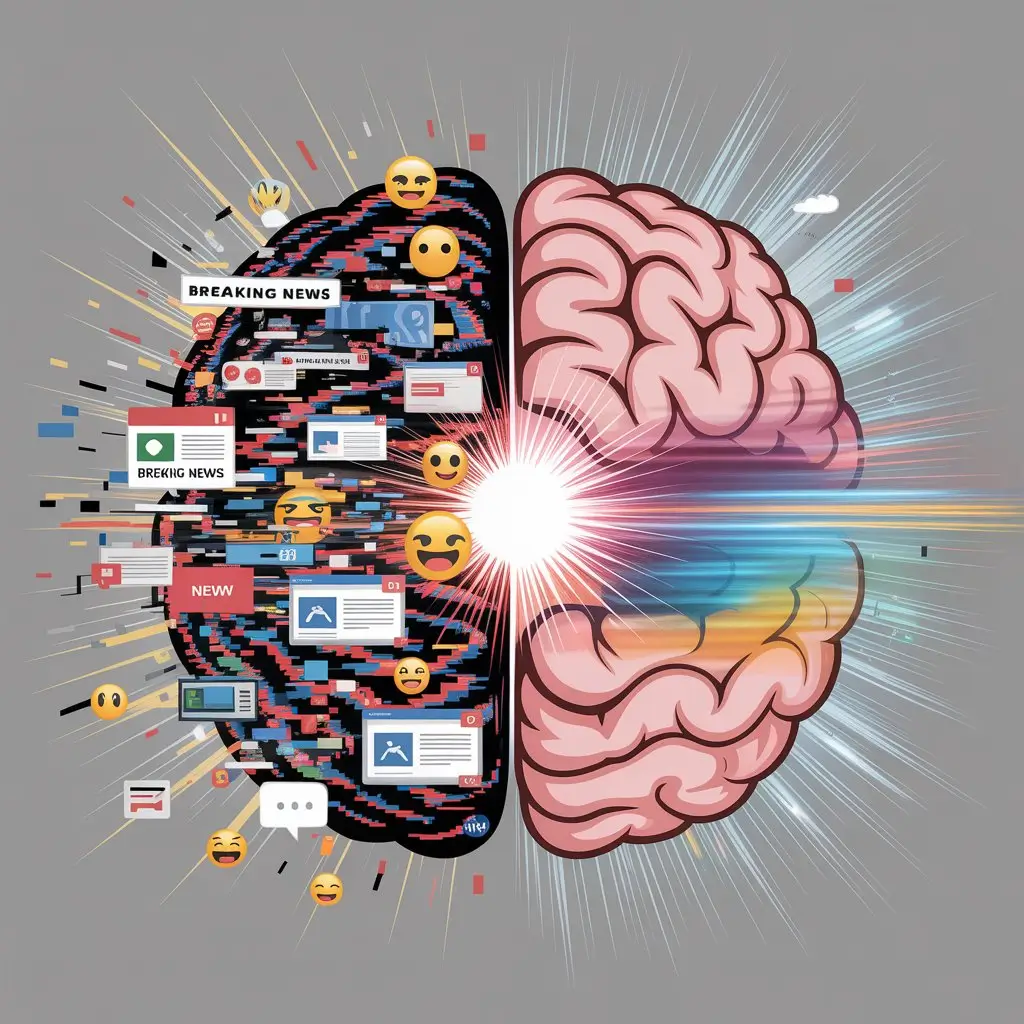
Your brain is wired to pay attention to threats. That’s how humans survived for thousands of years. Negative headlines, disturbing images, and controversial posts activate your amygdala, the part of your brain responsible for detecting danger.
Each time you scroll, your brain gets a little hit of dopamine, the reward chemical, especially when you see something new or shocking. This creates a loop:
You feel anxious or bored
You scroll to distract yourself
You find something disturbing
You keep scrolling to “find something better”
The cycle continues
Algorithms Aren’t on Your Side
Social media and news platforms are designed to keep you engaged. The more you scroll, the more they feed you similar content. That means once you click on one upsetting story, you’re more likely to see ten more just like it.
Emotional Triggers That Keep You Hooked
Uncertainty (e.g., global crises, political chaos)
A need for control or information
A desire to feel connected or aware
The Effects of Doomscrolling on Your Mind and Body
Psychological Impacts
When you’re constantly consuming bad news, your brain goes into stress mode. This affects your mental and emotional health by:
Increasing your risk of anxiety and depression
Making it harder to concentrate or complete tasks
Creating a sense of hopelessness or doom
Physical Consequences
Poor sleep quality due to screen exposure before bed
Eye strain, headaches, and tension in your neck or shoulders
Sedentary behavior that affects your posture and energy levels
A study from the University of California found that people who spent more time on news apps during crises reported higher levels of distress and physical symptoms like fatigue.
How to Stop Doomscrolling and Reclaim Your Mind
Breaking the habit won’t happen overnight, but with awareness and intention, you can take back control of your attention.
1. Acknowledge the Habit
Start by noticing when and why you doomscroll. Ask yourself:
What am I feeling before I pick up my phone?
What am I hoping to find?
How do I feel afterward?
2. Set Screen Boundaries
Limit news and social media to set times (e.g., once in the morning and once in the evening)
Use app timers or digital wellness tools to restrict usage
Turn off notifications for non-essential apps
3. Create Tech-Free Zones
Keep your phone out of your bedroom
Avoid screens during meals or family time
Designate at least one hour per day as phone-free
4. Replace the Habit with Better Ones
Journal your thoughts or emotions instead of scrolling
Go for a walk or do light exercise when you feel anxious
Listen to music, podcasts, or audiobooks that uplift you
5. Practice Mindfulness
Simple breathing exercises or meditation can ground you and reduce the urge to check your phone.
Healthy Digital Habits That Stick
Creating lasting change means forming new habits that serve you.
Daily Digital Hygiene
Start your day without screens for the first 30 minutes
Use apps like Forest or Freedom to stay focused
Curate your social feed to include more positive, balanced content
Evening Rituals
Dim your screen or use blue-light blockers after sunset
Read a physical book or write in a gratitude journal before bed
Use a real alarm clock instead of your phone
5-Day Mind Reboot Plan
Day
Action Step
Goal
Day 1
Track your scrolling patterns
Awareness
Day 2
Turn off push notifications
Reduce distractions
Day 3
Set phone-free hours
Create intentional breaks
Day 4
Replace one scroll session with a walk
Reset your nervous system
Day 5
Reflect on how you feel (journal entry)
Reinforce positive change
Tools and Apps to Help You Stop Doomscrolling
Freedom – blocks distracting sites across devices
AppBlock – allows scheduled screen breaks
Forest – motivates you to stay off your phone by growing a virtual tree
Insight Timer – free meditation and mindfulness tools
FAQ: Stop Doomscrolling and Reclaim Your Mind
What is doomscrolling, and how do I know if I’m doing it?
Doomscrolling is the habit of endlessly scrolling through negative or distressing content, especially online news or social media. If you often feel worse after being online, or find it hard to stop even when you’re not enjoying it, you may be doomscrolling.
Can doomscrolling really impact my mental health?
Yes. Studies show that exposure to a constant stream of bad news can lead to increased anxiety, depression, and emotional fatigue.
How long does it take to break the habit?
Most habits take 21–66 days to change, but even small adjustments can help you feel better within a week.
Should I quit social media completely?
Not necessarily. Instead, set healthy boundaries, mute toxic accounts, and follow pages that inspire or educate you.
Final Thoughts: Your Attention Is Worth Protecting
In a world where fear-based content is constantly fighting for your attention, choosing what you consume becomes a radical act of self-care. Doomscrolling may feel like you’re staying informed, but in reality, it’s feeding your anxiety.
Reclaiming your mind doesn’t mean disconnecting entirely. It means choosing your input with intention, protecting your peace, and making space for joy, clarity, and calm.
You don’t need to doomscroll to care about the world. You just need to care about your mind, too.
Ready to take the first step? Try the 5-Day Mind Reboot Challenge and let your brain breathe again. ➤
Mental health plays a crucial role in our lives, and most individuals struggle with finding a stable provider of support. Sometimes, people are left alone between visits due to the long waiting time, short supply of treatment specialists, and mental illness-related stigma. Recently, AI has intervened to chip in and fill this gap. Mental health chatbots using AI provide an alternative path to immediate mental support on-demand conversationally. This paper discusses how such digital companions are transforming the field of mental health care by assisting patients between therapy visits and serving as an aid, a source of comfort, and a provider of practical advice on handling everyday challenges.
Mental Health Care Gap
Although more people are becoming aware of mental health, getting the appropriate care in time has been a major challenge globally. Most individuals experience a huge waiting list to meet skilled therapists or psychiatrists, and some of them wait months or even weeks before receiving assistance. The gap exists not only in this case but in the majority of cases; it is significantly larger in the rural regions and underprivileged communities where mental health professionals do not exist, or there is a shortage. Recent reports show that in some countries, as many as 90 percent of individuals who have severe mental conditions do not get any care, which is a major global shortcoming.
These differences are even enhanced further by socio-economic aspects. Less educated and low-income populations have a hard time accessing or paying for relevant mental healthcare care, and this situation leads to a chain of unmet needs and further deteriorating conditions. Even in workplaces where greater provision of mental health is provided to the employees, they are unable to fully use or access such services because of systemic trends or stigma.
Such a consistent lack means that many people are susceptible at a time when they are not receiving therapy or the ability to access professional support. It strongly emphasizes the necessity of novel solutions that can offer persistent, approachable assistance and contribute to closing the gap between conventional treatment and daily mental health.
What are AI mental health chatbots?
Artificial intelligence has invaded the field of technology, developing new tools that will help in promoting mental health. AI mental health chatbots have proven to have high potential. These chatbots are computer programs that utilize sophisticated algorithms to mimic a conversation with a human being. NLP allows them to comprehend and react to the users’ messages in real-time, giving them a certain level of connectedness and a feeling that they are not alone.
Such apps are widely used, and the most popular are the ones called Woebot, Wysa, and Replika. These apps are focused on providing emotional check-in, mood tracking, and therapeutic approaches, like cognitive behavioral therapy (CBT). Such chatbots provide coping strategy options to users that train them to cope with stress, anxiety, and depression through exercises based on individual needs.
In contrast to traditional therapy, AI chatbots can be used 24/7, so a person can talk to them whenever they need to narrate or receive any advice. Although they are not a substitute for professional attention, they will be a welcome addition to the phases when people cannot rely on human assistance, and, as such, they will assist users to adopt resilient characteristics and keep mental health intact in between the attendance of therapy sessions.
The advantages of using AI Chatbots between Sessions of Therapy
The AI mental health chatbots have become a useful resource that benefits people by providing 24/7 assistance to those working through mental wellness issues between scheduled visits with a traditional therapist. Studies indicate that these chatbots are capable of relieving symptoms of depression and anxiety and that they can do it safely and speedily since they are available at all hours of the day when human therapists are unavailable. According to a recent meta-analysis of 18 randomized controlled trials (with over 3,400 participants, the AI-based chatbots have shown significant gains in depression and anxiety symptoms, particularly incidents occurring after approximately eight weeks of using the corresponding tools14.
Availability is one of the main strengths of AI chatbots since users might contact them whenever they feel disturbed or require advice. This urgency makes it easier to eliminate the essence of isolation and to give support in times of trouble or indecision. Also, chatbots can use evidence-based methods (like cognitive behavioral therapy (CBT), mindfulness exercises, or mood tracking), which help users train to engage in coping strategies regularly and can boost emotional resilience.
The other important advantage is personalization. With time, AI chatbots can analyze users’ input, adjust their responses, and customize interventions to individual needs, increasing engagement and effectiveness. This science-based method helps users stay motivated and maintain mental wellness practices between sessions.
Although AI chatbots are not an alternative to professional therapy, they are a feasible add-on, as they consist of gaps in care, particularly in regions with scarce mental care resources or when the waiting times are long. Their capacity to provide scalable and cost-effective support is what makes them interesting entrants into the mental health care ecosystem.
It should be mentioned, however, that certain research indicates that positive outcomes of chatbot interventions might decrease once an intervention is over. Therefore, it is necessary to continue using chatbots or incorporate them with other traditional forms of care to make interventions effective.
Ethical and Hurdles of AI Mental Health Chatbots
Along with the benefits, AI mental health chatbots also possess significant limitations and ethical concerns that should not be overlooked. One of such bigger issues is their inability to empathize with fellow humans. In contrast to therapists who present human communication and emotional intelligence, chatbots are based on algorithms and fail to comprehend the nature of human feelings. This may curtail their performance, particularly on intricate or critical mental complications.
Another major problem is the threat of improper diagnosis or recommendation. AI chatbots’ work is based on predefined answers and feedback training files, which can miss the context details and focus on individual variations of mental health in a person. This may be used incorrectly, which may result in inaccurate diagnosis/advice, which is detrimental when users base their diagnosis on the tool alone despite the lack of professional supervision.
Data security and privacy also play a major part. As chatbots have access to sensitive personal information, it is necessary to guarantee a high level of encryption and clear data processing policies to keep users’ trust and preserve confidentiality.
Also, the possibility of over-dependence on technologies to the extent that users replace professional therapy with chatbots is a barrier as it postpones and prevents the usage of clinical help. There are also problems linked with accessibility since, to use chatbots properly, a person must have internet access and certain digital literacy, which not everyone has.
Ethical implementation of AI chatbots requires effective communication of their functionality and boundaries, incorporation of human resources, and continuous research to enhance security and success. Finding a middle ground between innovation and caution will do wonders for utilizing AI’s potential and not undermining the quality of mental health care.
The Integrated Future Complementary as opposed to Replacement
AI mental health chatbots do not aim to substitute human professionals engaged in providing mental care but to assist professionals in improving mental care delivery in so-called blended care models. Such models mix the power of AI tools and the experience of humans to help offer more seamless and individual assistance.
One of the major communication strategies being employed to integrate chatbot AI is providing between-session support. More and more therapists also prescribe using certain chatbots to reinforce treatment methods between visits and assist patients in practicing coping mechanisms and monitoring their moods on the fly. Such sustained interactions may enhance the treatment and ensure that patients are still attached to it.
Waiting list management is also involved in AI. Chatbots, like Wysa, are being used in countries with long waiting lists for mental health services, such as Australia and the UK. Chatbots offer evidence-based support in the lead-up to conventional therapy. Preliminary evidence indicates that the practice has the potential to improve the severity of symptoms prior to the start of professional treatment.
Moreover, with the data obtained through communication with a chatbot, clinicians will be able to learn more about patients’ symptom patterns and progress, which will help them focus on them during face-to-face sessions. The supplementation of assessment and monitoring enables the therapist to make effective changes to treatment plans.
With stepped care, an AI chatbot may be implemented for the initial intervention, and a professional human intervention needs to start when more complicated symptoms or conditions are present. The method aids in optimum resource usage, and patients will be accorded the best possible care.
In general, it can be said that future mental health care will be based on the synergy between the power of AI and the presence of human therapists. Chatbots can reach more people, thus expanding the levels of care and access to it without diminishing the importance of the human connection that the human therapist brings about.
Future of AI mental health chatbots: trends and innovations in 2025
By the time we enter the year 2025, AI mental health chatbots will be advanced and more complex and deployed within the larger mental health care ecosystem. Among these trends is an increase in hybrid human-AI well-being chatbots used in Egyptian schools, places of employment, and healthcare. The chatbots offer 24-hour and non-judgmental services as users can discuss their worries or rehearse a challenging dialogue in a secure, anxiety-free space. An example can be found in the platforms of Germany (Clare&me) and the UK (Limbic Care), which provide constant emotional support and refer clients to intuitive resources if necessary1.
The other good trend is using AI chatbots as clinical decision-support tools. Mental care providers are increasingly hedging on AI to speed up office duties, evaluate client information, and help diagnose, releasing them to concentrate on dumb care. With an increasing share of psychiatrists and psychologists using AI tools, such as ChatGPT, to answer clinical questions, write documentation, and communicate with clients, the trend is toward an AI-enhanced mental health care practice2.
Customization is also on the rise, with conversation or chatbots learning to change their responses depending on how the mood is monitored in real-time, the context, and the user’s actions. Adaptive personalization will help make the AI assistance seem more empathetic and relatable, enhancing interest and treatment compliance. Future chatbots will likely be able to detect mental problems early by analyzing the speech patterns, social media activity, and physiological data provided by the wearable, which will allow timely intervention before the issues become severe56.
Although these positive trends emerge, scholars make the point that ethical safeguards are necessary regarding privacy, data discrimination, and chatbot therapy weaknesses. Other possible undocumented effects, including loneliness or increased reliance, have been identified through studies, and thus, equal integration of chatbot use with human care cannot be underemphasized1.
What is in store in the future? AI chatbots will prove to be strategic partners in mental health, providing reliable digital companions that enhance therapy, track progress, and provide crisis-sensitive support. They will increasingly democratize access and allow care to reach further distances, and they will provide a framework where AI and human clinicians will cooperate to provide more effective and customized mental health care in the future46.
Conclusion
It is important to adopt AI chatbots to improve mental health and wellness.
AI mental chatbots are quickly reshaping the ways of providing care, providing available, tailored, and instant support to people who conflict with their mental health. This technology will become more advanced in 2025, and chatbots are becoming useful companions who can fill the time patches between therapy sessions, eliminate a sense of loneliness, and give people helpful means of coping.
Although they are not a substitute for human therapists, AI chatbots supplement conventional care by offering round-the-clock support, anticipating and identifying problems at an early stage, and continuously monitoring a user. The inclusion of AI in mental health care has the potential to reach more people, particularly underserved groups with limited access, long waiting times, or feelings of discrimination.
Nevertheless, the success of AI in mental health in the future will be determined by how these issues, such as privacy, ethical application, and the use/inclusion of chatbots in a balanced system based on a human-centered approach to care, can be solved. AI chatbots can be beneficial tools that safeguard and support mental health when designed and developed purposefully and in collaboration with other parties such as technologists, clinicians, and people.
In conclusion, adopting AI-based mental health solutions should be seen as an encouraging way to achieve the dream of a more inclusive, accessible, and successful mental healthcare environment where technology and human care are mutually beneficial in promoting the well-being of all.
Meditation has gained popularity as a means through which most individuals seek peace and relaxation in their stressful daily careers. Meditation traditionally implies sitting down to silence the mind and pay attention to the present, but it is not always clear how to begin doing it and remain motivated. The modern invention of artificial intelligence (AI) is now transforming the practice of meditation, which will become even more individual and easy to adhere to. With AI, meditation apps and tools may become capable of learning our moods, likes, dislikes and progress to provide us with guidance specific to our individual and unique needs. The paper will discuss how AI transforms the meditation process, making it accessible and modern to more people.
AI and Meditation: The Point of Intersection
The so-called artificial intelligence, or AI, is a computer system that can learn, change, and carry out tasks that typically involve human thought. Regarding meditation, AI employs machine learning and sensors to know how individuals meditate and what they should do to enhance their meditation. Conventional meditation may sometimes be challenging because it may need discipline and self-reflectivity, which may be hard to come by through personal efforts. The support that AI can provide is stereotyped to specific habits and feelings of a particular person.
For example, AI can examine the information about your meditation practice, including the duration of meditations or the level of collected calmness, and tell you how to improve your practice. It can also be used to measure your heart rate or breathing so it knows when you might need additional assistance or a different mode of meditation. This technology, along with mindfulness, is a new form of connecting people with meditation in a way that suits their lifestyle and will keep them motivated. In the following sections, we will consider how AI can help to make meditation more personal, offer feedback in real-time, and even play the role of a virtual coach to help your mindfulness practice.
AI-Driven Personal Guided Meditations
The fact that AI is making meditation personal is one of the most significant changes it can bring. No two personalities are the same, and something another person likes to relax with may not work in your case either. AI will be able to learn your moods, habits and how you react to various meditations. It uses this information to plan guided meditation that best suits you.
Suppose you are anxious; in that case, AI could recommend relaxing exercises with certain breathing techniques or mindfulness. If you are more concerned with achieving sound sleep, it might recommend meditations that you can do before you go to sleep so that you relax. The individualized style would also make meditation truly fascinating and productive, and maintaining the same practice regularly would be less difficult.
A lot of meditation apps have lately incorporated AI into their programming to change the duration, accents, and forms of meditation according to your activity and responses. This means that you will be provided with a customized experience with each visit and not a one-fits-all session. AI allows you to customize your meditation, thus making the practice friendlier and easier for everyone to master.
Biometric and Emotional 24/7 Feedback
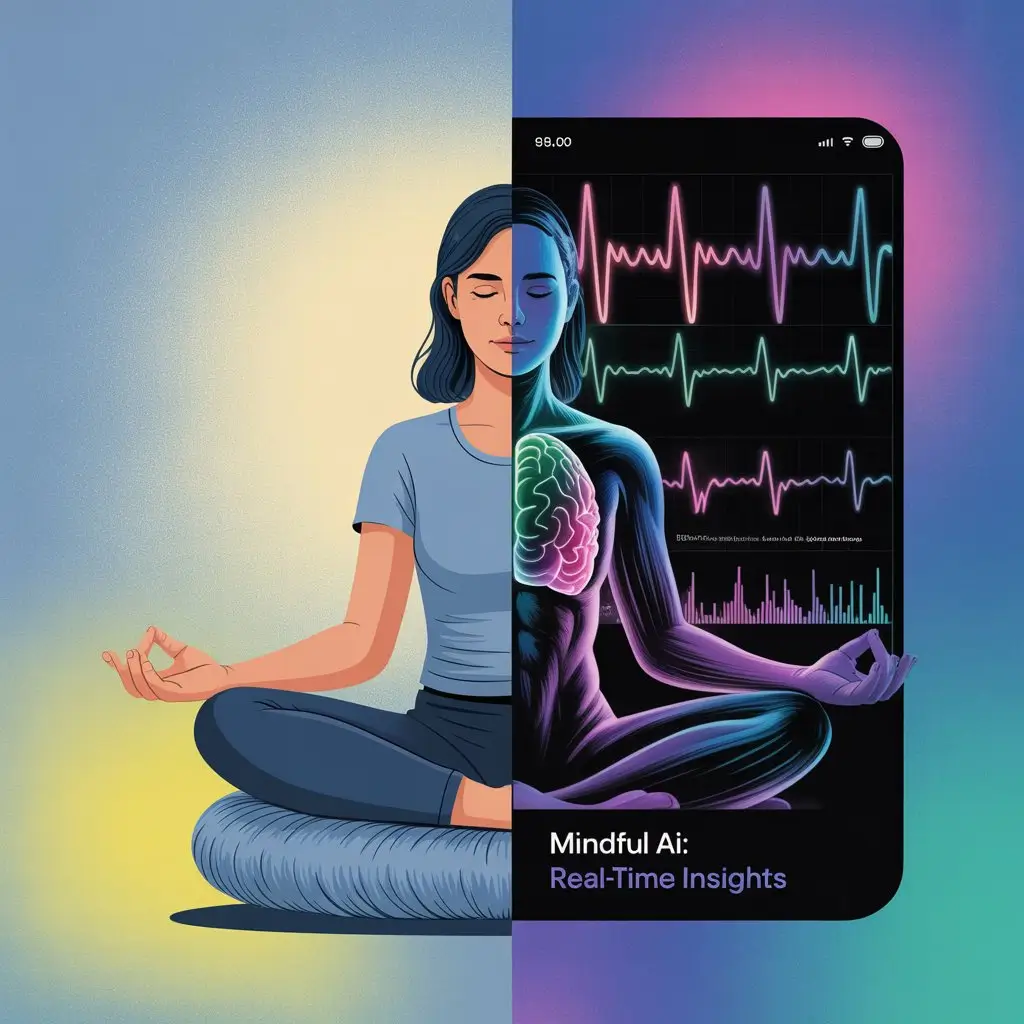
Another thrilling aspect of AI-enhancing meditation is real-time feedback based on bio-data and emotions. Smartwatches and even headbands can detect the rate of your heart, your breathing, and even your brain activity when you are meditating. AI reads through this data immediately to determine what is happening within your body and mind.
In this case, suppose that your heart is beating rapidly or you are breathing at shallow rates; the AI may advise slow breathing or change your meditation method to ensure that you are relaxed in a better position. There are even applications that sense when your thoughts are drifting and promptly help you get your thoughts focused back once again, without breaking the continuity of your practice.
This in-time feedback enhances meditation’s interaction and efficiency. Rather than blindly trying to figure out whether or not you are doing well, you receive clear and individual feedback that simply helps you keep your head in order. In the long run, this may result in enhanced mindfulness, less stressful situations, and healthier well-being.
Meditation via Artificial Intelligence Content creation
Meditation content creation using AI is also changing. Historically, meditation teachers or other professionals make recordings of their guided meditations and audio sessions, which requires time and constrains the resources available. This means that now AI can do the work of creating meditation scripts, relaxing music, and guided meditations automatically and thus more readily come up with new and different meditations.
To illustrate, AI can generate customized meditation stories or imaginations, depending on what you want to hear or see. Make tranquillizing background music that relaxes you or concentrates on it. This technology enables people to do meditation more freely without needing hours of recording or editing.
AI contributes to the expansion of meditation globally as it makes the process of content creation quicker and not limited by time. You may be looking to do a 5-minute breathing exercise or a deep relaxation session—what is important is getting the correct content when you need it.
Virtual Mindfulness Coach as AI
Artificial intelligence does more than produce content and monitor your progress; it even periodically pops up as a virtual coach to assist in your meditation. These AI-based coaches can be accessed at any time and provide some signals of inspiration, motivation, and advice on being consistent with your practice.
Beginners can start with basic meditation exercises explained by the AI coach and recommended practices. Veteran meditators can suggest new methodologies or change your sessions depending on your mood and improvement. Other AI coaches can also provide conversational functionality so you can discuss your issues or emotions and get a heartfelt response that would help you keep your mind on track toward the goals.
Personalized assistance, as well as the feeling that meditation is a more interactive practice that the help of AI coaches can enhance, facilitates the development of a routine. They also contribute to the mediation between traditional meditation courses and individual practice, where the assistant is not only friendly but can suit your needs at any time of the day one wants. This strategy assists an increasing number of people in enjoying the fruits of mindfulness in their lives.
Novation is proving to be a fresh gateway for users and teachers in the meditation fraternity.
Neuroscience and Artificial Intelligence(AI) powered Meditation Knowledge
Artificial intelligence will also assist us in closing the gap on how meditation works in the brain and body. With brain scans, heart rate monitors, and other sensors, AI can give answers to the question of how meditation techniques alter brain activity and positively affect mental health.
For example, AI may monitor changes in attention, anxiety levels, or emotional control and determine that meditation is physiologically effective and through brain activity patterns. This scientific understanding makes meditation practices more narrowed down, to be precise.
In addition, this knowledge can be employed in creating meditation programs that will effectively reinforce certain aspects of brain functionality or understand how to maintain mental well-being in an individualized fashion through AI. In this combination of neuroscience and AI, new opportunities are becoming available to optimize the meditation process to characterize the relaxation habit as an effective mental health enhancement and personal growth method.
Moral and Logistic Reasons
Even as AI presents some thrilling possibilities for meditation, it has some significant ethical and practical concerns. Privacy is one of the serious issues. As AI gathers sensitive information such as heart rates, brain activity, emotional states, etc., it is important to make sure that this information is stored safely and used responsibly. There ought to be transparency in what users do with their data and its applications.
The second is the compromise between the newer, technologically advanced world and the ancient values of meditation. To some extent, meditation is all about being in the moment and not thinking about anything besides distractions, but overusing AI tools may induce a level of dependency or hinder the personal aspect and self-reflection of meditation. You should not think of AI as a replacement for inner awareness but as a friendly assistant.
Moreover, AI systems can be biased according to the bias in the data that they are trained and, therefore, may negatively influence the quality of serving different groups of humans. Software creators should be more diligent in ensuring drug-free meditation concepts are all-inclusive.
With reasonable solutions to these challenges, we can take advantage of AI’s positive effects on meditation without intruding on privacy, tradition, and fairness.
New Directions and Creations
AI will continue to influence the future of meditation in thrilling ways as we advance into the year 2025 and beyond. The most significant new trend is the widespread uptick of highly customizable, even bespoke, meditation apps, which respond to your state of mind, ambitions, and even your physiology, such as your heart rate or stress levels. Such intelligent applications can tell when you may require a situation of relaxation and present corresponding workouts whenever demanded, explaining why mindfulness can be integrated much more easily into active, contemporary lifestyles16.
Another helpful tool is Virtual Reality (VR), which develops immersive situations that take the user to a calm place, enhancing the relaxation process and concentration. Without being limited to combinations of content, VR meditation experiences can be tuned in dynamic difficulty based on your mood and taste1 plus AI. Meditation programs powered by AI are part of corporate wellness programs that are being introduced into workplaces. Such programs can tailor stress management applications, real-time feedback, and evidence-based information to assist workers and managers in creating healthier, more productive cultures5.
In the future, AI meditation will become even more interactive and empathetic, being a new version of a personal coach in your pocket, which is aware of your emotional needs and continues to assist you. Nevertheless, it must be borne in mind that, in the evolution of such technologies, a balance between the application of AI and the human aspect of connection needs to be maintained to ensure that meditation remains a very intimate and heartfelt practice4.
On the whole, the future of meditation is the combination of the ancient tradition of mindfulness wisdom with the newest technology of AI, and thus, meditation will become more accessible, productive, and capable of adapting to all people.
Conclusion
Artificial intelligence is slowly evolving meditation practice in a compelling and stimulating manner. AI enables individuals of any experience level to create and develop mindfulness practices that suit their needs by providing personalized guidance, real-time feedback, and simple access to a high level of diversity in meditation content. The effect of this technology also expands our knowledge of the impacts of meditation on the brain and body and creates more avenues of mental well-being.
Simultaneously, we want to strike a balance between these innovations and privacy, ethical treatment of information, and the very nature of meditation as an individual, inward experience. In the future, it is safe to expect that AI and meditation will also expand into each other to combine ancient knowledge and cutting-edge technology to provide mindfulness to everyone as effectively as possible.
We are fortunate to adopt these new tools, as we can use them to introduce some tranquillity and clarity to our hectic lives and make our lives grounded and more pace-friendly in a rushed world.
Life is full of changes, and transitions are a natural part of the human experience. Whether it’s starting a new job, moving to a new city, ending a relationship, or becoming a parent, these changes can evoke a wide range of emotions, including excitement, anxiety, and uncertainty. Coping with life transitions is essential for maintaining mental well-being and can lead to personal growth and resilience. In this article, we will explore strategies to help navigate these transitions effectively.
Understanding Life Transitions
Life transitions are significant changes that alter our circumstances and can impact our emotional and psychological well-being. Understanding these transitions is crucial for effective coping and personal growth. They can be categorized into two main types: planned transitions and unplanned transitions.
Planned Transitions
Planned transitions are those changes that we anticipate and prepare for. These events often align with societal milestones and personal goals. Examples include:
Graduation: Completing education and entering the workforce is a major transition. It can bring excitement about new opportunities but also anxiety about job prospects and adult responsibilities.
Marriage: The decision to marry involves not only emotional commitment but also practical considerations, such as merging finances and establishing a shared life.
Parenthood: Becoming a parent is a profound transition that brings immense joy but also significant challenges, including sleepless nights and the responsibility of caring for a new life.
Retirement: Leaving the workforce can be both liberating and unsettling. While it offers freedom, it may also lead to feelings of loss of identity and purpose.
Although these transitions are planned, they can still evoke a complex mix of emotions. Anticipation of change can create stress, as individuals may question their readiness or the implications of the transition on their lives.
Unplanned Transitions
Unplanned transitions occur unexpectedly and can be particularly disruptive. These changes can arise from various circumstances, such as:
Job Loss: Losing a job can trigger feelings of insecurity and inadequacy. It may lead to financial strain and uncertainty about the future.
Divorce or Relationship Breakup: The end of a significant relationship can bring about profound grief, loneliness, and uncertainty, requiring individuals to reassess their lives and identities.
Illness or Injury: A sudden health crisis can drastically change one’s lifestyle and future plans. Coping with physical limitations or the emotional impact of illness can be overwhelming.
Death of a Loved One: Grieving the loss of someone close can be one of the most challenging transitions. It often requires individuals to navigate feelings of sadness, anger, and confusion.
Unplanned transitions can feel like a loss of control, leading to heightened anxiety and emotional turmoil. The sudden nature of these changes may leave individuals feeling unprepared and unsure of how to move forward.
Common Features of Life Transitions
Despite the differences between planned and unplanned transitions, several common features often emerge:
Adjustment Period: Transitions typically require an adjustment period during which individuals adapt to new circumstances. This period can vary in length and intensity depending on the nature of the change.
Identity Reassessment: Transitions often prompt individuals to reevaluate their identities. For example, moving from being a student to a professional or from being single to married involves shifts in self-perception and roles.
Emotional Rollercoaster: Both planned and unplanned transitions can elicit a wide range of emotions, from excitement to fear. It’s normal to experience conflicting feelings as individuals navigate the complexities of change.
Opportunity for Growth: While challenging, transitions can also present opportunities for personal growth and development. They often encourage individuals to step outside their comfort zones, fostering resilience and new skills.
Common Emotional Responses
Life transitions evoke a wide array of emotional responses, and understanding these feelings is essential for navigating change effectively. Each individual’s reaction can vary significantly based on personal circumstances, resilience, and support systems. Here are some common emotional responses that people experience during life transitions:
1. Anxiety
Anxiety is one of the most prevalent emotional responses to life transitions. The uncertainty associated with change, whether it’s starting a new job, moving to a different city, or ending a long-term relationship, can trigger feelings of worry and fear. Common sources of anxiety during transitions include:
Fear of the Unknown: The unpredictability of what lies ahead can lead to anxiety about potential outcomes. Questions about whether one will succeed in a new role or how relationships will change can create a sense of dread.
Pressure to Perform: Transitions often come with expectations, either self-imposed or from external sources. The pressure to excel in a new job or meet new social obligations can heighten feelings of anxiety.
Overthinking: Individuals may find themselves ruminating on worst-case scenarios, amplifying their anxiety and making it harder to focus on the present.
2. Sadness
Sadness is a natural response to change, particularly when it involves loss. Transitions often require letting go of the familiar, which can evoke feelings of grief. This sadness can manifest in several ways:
Loss of Identity: Changes, such as retiring or becoming a parent, can lead to a profound sense of loss regarding one’s previous identity. Individuals may mourn the aspects of their lives that are changing or disappearing.
Nostalgia: Reflecting on past experiences can bring about feelings of longing for what once was. This nostalgia can be bittersweet, as individuals may reminisce about happier times while grappling with the reality of change.
Grief for Unmet Expectations: Transitions may not unfold as anticipated, leading to disappointment and sadness over lost dreams or unfulfilled aspirations.
3. Excitement
Despite the challenges associated with transitions, they can also bring excitement and hope. This positive emotional response often arises from the potential for new experiences and opportunities:
New Beginnings: Transitions often signal the start of something fresh. For instance, starting a new job can bring excitement about meeting new colleagues and tackling new challenges.
Personal Growth: Embracing change can lead to self-discovery and personal development. The thrill of stepping outside one’s comfort zone can be invigorating and motivating.
Optimism for the Future: The prospect of new opportunities can foster a sense of hope and optimism, encouraging individuals to envision a brighter future.
4. Confusion
Confusion is a common emotional response during transitions, particularly when individuals face multiple changes simultaneously or are unsure about how to navigate their new circumstances:
Overwhelm: The sheer volume of changes can be overwhelming, leading to difficulty in processing emotions and making decisions. Individuals may feel lost, not knowing which direction to take.
Identity Crisis: As individuals reassess their identities in light of new roles or circumstances, they may experience confusion about who they are and what they want moving forward.
Difficulty in Decision-Making: Uncertainty during transitions can lead to paralysis in decision-making. Individuals may struggle to determine the best course of action, causing frustration and further confusion.
5. Relief
In some cases, transitions can also bring a sense of relief, particularly when individuals are moving away from negative situations:
Ending Toxic Relationships: Leaving a challenging or unhealthy relationship can provide a sense of relief and freedom, allowing individuals to reclaim their happiness.
Escaping Unfulfilling Jobs: Transitioning from a job that no longer serves one’s goals can lead to relief and renewed motivation, paving the way for new opportunities.
Closure: Some transitions mark the end of a chapter, providing closure that can be emotionally liberating and allow individuals to move forward.
Recognizing and Accepting Emotions
It’s crucial to recognize that experiencing a mix of these emotions is entirely normal during life transitions. Accepting these feelings rather than suppressing them can lead to healthier coping mechanisms. Acknowledging and validating one’s emotional responses can foster self-compassion and facilitate the healing process.
Strategies for Coping
Navigating life transitions can be challenging, but employing effective coping strategies can help ease the process and promote resilience. Here are several strategies that individuals can adopt to cope with the emotional and psychological challenges that arise during transitions:
1. Acknowledge Your Feelings
Recognizing and validating your emotions is the first step in coping with transitions. Allow yourself to feel whatever you are experiencing, whether it’s anxiety, sadness, excitement, or confusion. Here are some ways to acknowledge your feelings:
Journaling: Writing down your thoughts and emotions can provide a safe space to express what you’re going through. Journaling helps clarify feelings and can reveal patterns in your emotional responses.
Talking it Out: Sharing your feelings with a trusted friend or family member can provide emotional relief. Sometimes, vocalizing your thoughts can help you gain perspective and feel less isolated.
Mindfulness Practices: Engaging in mindfulness techniques, such as meditation or deep breathing, can help you become more aware of your emotions without judgment, allowing you to process them more effectively.
2. Seek Support
During alterations in life people find tremendous value in receiving support from others. Building a robust support network can provide comfort, reassurance, and practical assistance. Here are some ways to seek support:
Contact your nearest relatives and friends for support. They can offer emotional support, practical help, or simply a listening ear.
Support Groups: Consider joining a support group related to your specific transition (e.g., divorce support, job loss support). These groups provide a sense of community and shared experience.
Professional Help: If feelings of anxiety or depression become overwhelming, seeking help from a mental health professional can provide coping strategies tailored to your needs.
3. Establish a Routine
Creating a daily routine can provide structure and stability during periods of uncertainty. A routine can help ground you and give you a sense of normalcy. Here are some tips for establishing a routine:
Daily Schedule: Outline a daily schedule that includes time for work, self-care, and leisure activities. This organization system helps both time management and controls senseless mental chaos.
Incorporate Self-Care: Make time for self-care activities, such as exercise, hobbies, or relaxation techniques. Prioritizing self-care is essential for maintaining mental health during transitions.
Set Regular Check-Ins: Schedule regular check-ins with yourself to assess how you’re feeling and make necessary adjustments to your routine.
During transitions, it’s easy to feel overwhelmed by factors outside your control. Focusing on what you can influence can empower you and reduce feelings of helplessness:
Identify Actionable Steps: Break down the transition into manageable parts and identify specific actions you can take. For example, if you’re starting a new job, research the company, connect with future colleagues, or set goals for your first month.
Practice Problem-Solving: When faced with challenges, brainstorm potential solutions. This proactive approach can help you feel more in control and less anxious.
Limit Exposure to Negativity: Reduce exposure to negative influences, whether they are people, media, or environments. Surround yourself with positivity and encouragement.
5. Practice Mindfulness
Mindfulness practices can help ground you in the present moment, reducing anxiety and promoting emotional regulation. Here are a few ways to consolidate mindfulness into your everyday life:
Dedicate yourself to a brief daily period for engaging in meditation practices. Devote your attention to your breathing while viewing your thoughts without placing any judgment on them.
Perform deep breathing exercises which assist in reducing nervous system tension. Breathe through your nose for a few seconds while holding in your breath before releasing it out of your mouth.
Mindful Movement: Activities like yoga, tai chi, or even walking can be practiced mindfully. Focus on the sensations of movement and your surroundings to enhance your connection to the present.
6. Embrace Flexibility
Flexibility is crucial during transitions, as plans may change and unexpected challenges may arise. Cultivating a flexible mindset can help you adapt more easily:
Stay Open to Change: Accept that change is a part of life, and be willing to adjust your expectations and plans as needed. Embracing uncertainty can lead to new opportunities.
Reframe Challenges: Instead of viewing obstacles as setbacks, try to see them as opportunities for growth. Reframing challenges can foster resilience and a positive outlook.
Practice Self-Compassion: Be kind to yourself during difficult times. Acknowledge that it’s okay to struggle and that you’re doing your best in a challenging situation.
7. Reflect on Past Transitions
Reflecting on previous transitions can provide valuable insights into your resilience and coping abilities. Consider the following:
Identify Strengths: Think about the strengths and skills you used to navigate past transitions successfully. Recognizing your abilities can boost your confidence in handling current challenges.
Learn from Experience: Reflect on what worked and what didn’t during past transitions. Use these lessons to inform your approach to current changes.
Celebrate Progress: Acknowledge how far you’ve come since previous transitions. Celebrating small victories can foster a sense of accomplishment and motivation.
8. Set Realistic Goals
Setting achievable goals can provide direction and purpose during transitions. Here’s how to establish meaningful goals:
Break Goals into Smaller Steps: Instead of overwhelming yourself with large goals, break them down into smaller, manageable tasks. This approach makes it easier to track progress and stay motivated.
Prioritize Goals: Determine which goals are most important to you during this transition period. Focus on a few key objectives rather than spreading yourself too thin.
Be Flexible with Goals: Understand that goals may need to be adjusted as circumstances change. Being adaptable allows you to remain focused while still accommodating new realities.
9. Seek Professional Help
If you find that coping with a life transition is becoming increasingly difficult, seeking professional help can be a vital step:
Therapy: A mental health professional can provide support, coping strategies, and a safe space to discuss your feelings. Therapy can help you gain insights into your emotional responses and develop effective coping mechanisms.
Workshops and Seminars: Many organizations offer workshops on coping with life transitions. These can provide valuable tools and connect you with others going through similar experiences.
Online Resources: Explore online platforms that offer mental health resources, including therapy options, articles, and support communities.
Conclusion
Coping with life transitions can be challenging, but with the right strategies and support, you can navigate these changes successfully. Remember that it’s normal to experience a range of emotions during transitions, and seeking help is a sign of strength. By acknowledging your feelings, establishing routines, and focusing on what you can control, you can turn these challenging times into opportunities for growth and resilience. Embrace the journey, and know that you have the strength to adapt and thrive.
Living a wholehearted life is about embracing authenticity, vulnerability, and connection. It involves cultivating a mindset that values personal growth, emotional resilience, and mental wellness. In today’s fast-paced world, prioritizing mental health is crucial for overall well-being. This article explores the concept of living wholeheartedly, its impact on mental health, and practical steps to foster this way of living.
The Concept of Wholehearted Living
Wholehearted living is a transformative approach to life that emphasizes embracing one’s true self and cultivating a meaningful existence. Coined by researcher and author Brené Brown, the concept encourages individuals to engage with their lives fully, navigating the complexities of human emotions and relationships with openness and courage. At its core, wholehearted living is about authenticity, vulnerability, and the pursuit of connection, making it a vital framework for improving mental health and overall well-being.
Understanding Wholeheartedness
Wholeheartedness encompasses a mindset that prioritizes emotional depth and genuine experiences over superficiality and perfectionism. It invites individuals to step away from societal pressures to conform and instead embrace their unique qualities, flaws, and stories. This journey is not merely about personal fulfillment; it also fosters a sense of belonging and community, as people who live wholeheartedly are more likely to connect deeply with others.
The Four Pillars of Wholehearted Living
Brené Brown identifies four key components that underpin wholehearted living:
Courage: Courage is the foundation of wholehearted living. It involves the ability to face fears, take risks, and step into the unknown. This kind of bravery encourages individuals to pursue their passions and dreams, even when faced with potential failure or rejection. Courageous living is about standing up for one’s beliefs and values, which ultimately leads to a more authentic and fulfilling life.
Compassion: Compassion, both for oneself and others, is essential in wholehearted living. Practicing self-compassion allows individuals to recognize their struggles without harsh self-judgment. This kindness extends to others as well, fostering a supportive environment where emotional vulnerabilities can be shared openly. Compassionate individuals create spaces for healing and understanding, which are crucial for mental well-being.
Connection: Genuine connections with others are at the heart of wholehearted living. Building relationships based on trust, empathy, and vulnerability enables individuals to feel seen and understood. These connections provide emotional support during challenging times and celebrate joys during happier moments. Wholehearted individuals prioritize meaningful relationships over superficial interactions, enriching their lives and enhancing their mental health.
Vulnerability: Embracing vulnerability is perhaps the most challenging aspect of wholehearted living. It involves the willingness to be open and honest about one’s feelings, fears, and experiences. Vulnerability is not a sign of weakness; rather, it is a powerful source of strength that fosters deeper connections and personal growth. By allowing themselves to be vulnerable, individuals create opportunities for authentic interactions and can cultivate resilience in the face of adversity.
The Importance of Authenticity
At the heart of wholehearted living is the pursuit of authenticity. This means living in alignment with one’s values, beliefs, and true self rather than conforming to external expectations. Authenticity fosters a sense of belonging and empowerment, as individuals learn to express their thoughts and emotions freely. When people embrace their authentic selves, they can better navigate life’s challenges, leading to improved mental health outcomes.
Wholehearted Living as a Journey
It’s important to recognize that living wholeheartedly is not a destination but a continuous journey. This process involves self-reflection, personal growth, and a commitment to nurturing one’s emotional well-being. Individuals may encounter obstacles along the way, such as fear of judgment or past traumas, but embracing the journey allows for healing and transformation. Each step taken toward wholehearted living contributes to a richer, more fulfilling life, enhancing mental health and wellness.
The Impact of Wholehearted Living on Mental Health
Wholehearted living profoundly influences mental health, fostering resilience, emotional well-being, and a sense of purpose. By embracing authenticity, vulnerability, and connection, individuals can experience significant improvements in their mental health. Here, we explore the various ways in which wholehearted living impacts mental health and wellness.
1. Improved Emotional Resilience
Wholehearted living encourages individuals to confront their emotions rather than suppress them. This practice builds emotional resilience, which is the ability to adapt and recover from challenging situations. When people allow themselves to feel and process their emotions, whether joy, sadness, anger, or fear, they develop a better understanding of their emotional landscape. This understanding enables them to cope more effectively with life’s ups and downs, reducing the likelihood of experiencing mental health issues such as anxiety and depression.
Emotional resilience also encourages a growth mindset, where individuals view challenges as opportunities for learning and growth. This shift in perspective can transform the way they approach difficulties, fostering a proactive attitude toward problem-solving and emotional management.
2. Enhanced Self-Acceptance
Wholehearted living promotes self-acceptance by encouraging individuals to embrace their imperfections and vulnerabilities. This acceptance is crucial for mental health, as it reduces self-criticism and fosters a positive self-image. When individuals learn to appreciate themselves as they are, they are less likely to fall into the trap of comparison and perfectionism, which can lead to feelings of inadequacy and low self-esteem.
Furthermore, self-acceptance allows individuals to appreciate their unique qualities and experiences, contributing to a sense of identity and belonging. This affirmation of self can lead to greater overall life satisfaction and mental well-being.
3. Stronger Relationships
Wholehearted living emphasizes the importance of authentic connections with others. By practicing vulnerability and compassion, individuals can cultivate deeper, more meaningful relationships. Strong social support is a critical factor in mental health; it provides comfort during tough times, reduces feelings of isolation, and fosters a sense of belonging.
Research shows that individuals with strong social connections are less likely to experience mental health issues and more likely to report higher levels of happiness and life satisfaction. These relationships serve as a buffer against stress and anxiety, allowing individuals to navigate challenges more effectively.
4. Increased Life Satisfaction
Living wholeheartedly aligns individuals with their core values and passions, leading to increased life satisfaction. When people engage in activities and relationships that resonate with their authentic selves, they experience a greater sense of fulfillment and purpose. This alignment contributes to overall mental wellness, as individuals feel more in control of their lives and decisions.
Moreover, the pursuit of meaningful goals, whether personal, professional, or communal, enhances motivation and enthusiasm for life. This sense of purpose is a protective factor against mental health issues, as it fosters resilience and a positive outlook.
5. Reduced Anxiety and Stress
Embracing vulnerability and authenticity can significantly reduce anxiety and stress levels. When individuals allow themselves to be open about their fears and struggles, they create a supportive environment where they can share their experiences without judgment. This openness can alleviate the pressure to appear perfect and can reduce performance anxiety, social anxiety, and general feelings of overwhelm.
Additionally, the practice of self-compassion, an integral aspect of wholehearted living, can help individuals respond to stressful situations with kindness rather than self-criticism. This shift in mindset promotes a healthier response to stress, leading to improved emotional regulation and overall mental health.
6. Greater Emotional Awareness
Wholehearted living encourages individuals to develop a deeper awareness of their emotions and triggers. This emotional intelligence allows for better self-regulation and decision-making. By understanding their emotional responses, individuals can identify patterns that may contribute to mental health challenges and take proactive steps to address them.
Enhanced emotional awareness also facilitates healthier communication in relationships, as individuals can express their feelings more clearly and empathetically. This improved communication leads to stronger connections and greater mutual understanding, further supporting mental well-being..
Practical Steps to Live Wholeheartedly
Living a wholehearted life is a dynamic journey that requires intentionality and practice. Here are several practical steps individuals can take to embrace wholehearted living, fostering deeper connections, enhancing mental health, and cultivating a more fulfilling life.
1. Practice Self-Compassion
Self-compassion is a cornerstone of wholehearted living. It involves treating oneself with the same kindness and understanding that one would offer a friend in times of struggle. Here are ways to cultivate self-compassion:
Acknowledge Your Struggles: Recognize when you’re facing difficulties, and allow yourself to feel those emotions without judgment. Understanding that everyone experiences hardships can help normalize your feelings.
You should practice positive self-dialogue by fighting off unhelpful thinking patterns while introducing encouraging statements. Replace unproductive thoughts with self-affirming messages by stating “I am dedicated to my best efforts thus their value is enough.”
Practice Mindfulness: Mindfulness helps you stay present and aware of your thoughts and feelings without becoming overwhelmed by them. Techniques such as meditation or deep breathing can enhance your ability to respond to yourself with kindness.
2. Embrace Vulnerability
Embracing vulnerability is crucial for authentic living. Here are some steps to help you become more comfortable with vulnerability:
Share Your Story: Open up about your experiences, fears, and dreams with trusted friends or family. Sharing personal stories fosters connections and helps others feel less alone in their struggles.
Take Small Risks: Start by taking small steps outside your comfort zone. This could be expressing your opinions in a group, trying a new hobby, or asking for help when you need it. Each small act of vulnerability builds courage over time.
Accept Imperfection: Understand that everyone has flaws and makes mistakes. Allow yourself to be human, recognizing that vulnerability is a strength that leads to deeper connections and personal growth.
Establishing healthy boundaries is essential for maintaining emotional well-being and living wholeheartedly. Here are ways to create and uphold boundaries:
Identify Your Limits: Reflect on areas of your life where you feel overwhelmed or exhausted. Recognizing these limits will help you determine where to set boundaries.
Communicate Clearly: When setting boundaries, communicate your needs assertively and clearly. Use “I” statements to express how certain behaviors affect you, such as “I need some time to recharge after work.”
Prioritize Your Well-Being: Remember that it’s okay to say no to commitments that drain your energy or don’t align with your values. Prioritizing self-care is not selfish; it’s a necessary component of living wholeheartedly.
The practice of appreciation leads to attitude shifts which improve your health outcomes. A person can embed gratitude within their daily existence through these proven techniques:
You should journal down your gratitude list every day for a few minutes. This could range from simple pleasures to significant achievements. Reflecting on these positives can elevate your mood.
Express Appreciation: Take time to thank those in your life who support or inspire you. Whether through a handwritten note, a text, or a face-to-face conversation, expressing gratitude strengthens relationships.
Focus on the Present: Engage in mindfulness practices that help you appreciate the present moment. Whether it’s enjoying a cup of tea or taking a walk in nature, savor these experiences to enrich your sense of gratitude.
5. Engage in Mindfulness
Mindfulness is a powerful tool for fostering emotional well-being and enhancing self-awareness. Here are practical ways to incorporate mindfulness into your life:
Reflection: Set aside some minutes each day for contemplation. Center on your breath or hone guided contemplations to developmindfulness and nearness.
Mindful Activities: Engage in everyday activities mindfully, such as eating, walking, or even washing dishes. Pay attention to the sensations, sounds, and smells, allowing yourself to fully experience the moment.
Limit Distractions: Reduce distractions by setting aside technology during certain times of the day. Create tech-free zones to foster deeper connections with yourself and others.
6. Seek Support
Building a support network is vital for wholehearted living. Here’s how to seek and build meaningful connections:
Reach Out to Trusted Individuals: Don’t hesitate to share your feelings and experiences with friends, family, or mentors. Opening up can foster deeper connections and help you feel supported.
Join Support Groups or Communities: Engage with groups that share your interests or struggles. Whether online or in person, these communities can provide encouragement and understanding.
Consider Professional Help: If you find it challenging to navigate your emotions or experiences, seeking the guidance of a mental health professional can be beneficial. Therapy can provide tools and strategies for living wholeheartedly.
Conclusion
Living a wholehearted life is a powerful approach to enhancing mental health and wellness. By embracing courage, compassion, and connection, individuals can cultivate resilience, improve relationships, and increase life satisfaction. The journey toward wholehearted living is ongoing, but each step taken contributes to a more fulfilling and authentic existence. Prioritizing mental health through this lens not only benefits individuals but also creates a ripple effect, fostering a more compassionate and connected community.
Chronic emptiness is a pervasive feeling that many individuals experience at some point in their lives. It can manifest as a sense of hollowness, disconnection, or a lack of purpose, often leading to significant emotional and psychological distress. Understanding and addressing this feeling is crucial for improving overall mental well-being and reclaiming a fulfilling life.
Understanding Chronic Emptiness
Understanding chronic emptiness is crucial for recognizing its impact on mental health and taking effective steps toward healing. This section delves into the definition, characteristics, and underlying causes of chronic emptiness, providing a comprehensive overview.
What is Chronic Emptiness?
Definition and Characteristics: Chronic emptiness is a persistent feeling of emotional void or disconnection that extends beyond temporary feelings of sadness or boredom. It can manifest as a sense of hollowness, numbness, or an overwhelming lack of purpose. Individuals may feel as though they are merely going through the motions of life without experiencing any genuine joy or fulfillment.
Common Misconceptions: Many people conflate chronic emptiness with depression or loneliness, but it is a distinct emotional experience. While it can coexist with these conditions, chronic emptiness has its own unique characteristics and should be understood as a separate issue that requires specific attention.
Causes of Chronic Emptiness
Emotional Trauma and Past Experiences: Chronic emptiness can often be rooted in unresolved emotional trauma or difficult past experiences. Events such as loss, abuse, or significant life changes can leave lasting scars, leading individuals to feel disconnected from themselves and others.
Relationship Issues: Difficulties in personal relationships can exacerbate feelings of emptiness. Whether it’s a lack of meaningful connections, conflicts with loved ones, or feelings of isolation, relationship issues can contribute to a pervasive sense of disconnection and loneliness.
Mental Health Conditions: Chronic emptiness is frequently associated with various mental health conditions, such as depression, anxiety, or borderline personality disorder. These conditions can create a cycle where feelings of emptiness amplify emotional distress, making it harder to break free from the cycle.
Existential Questions: Many individuals grapple with existential questions about their purpose and identity, especially during times of change or crisis. These inquiries can intensify feelings of emptiness, as individuals may feel lost or uncertain about their place in the world.
Recognizing the Signs
Recognizing the signs of chronic emptiness is the first step toward addressing and coping with these feelings. Understanding both emotional and behavioral indicators can help individuals identify their experiences and seek appropriate support.
Emotional Indicators
Chronic emptiness often manifests in various emotional symptoms that can be subtle yet persistent. Here are some key emotional indicators to watch for:
Persistent Sadness: Individuals may experience a constant sense of sadness or heaviness that doesn’t seem to lift. This sadness can feel overwhelming and is often accompanied by feelings of hopelessness.
Numbness or Disconnection: A hallmark of chronic emptiness is the feeling of emotional numbness. People may feel disconnected from their emotions, as if they are watching their lives unfold from a distance. This disconnection can lead to difficulties in forming meaningful relationships and experiencing joy.
Lack of Interest: Once-enjoyed activities may no longer hold any appeal. This disinterest can extend to hobbies, social events, or even self-care routines, leading to further isolation and despair.
Feelings of Worthlessness: Individuals may struggle with low self-esteem and feelings of worthlessness. This can lead to negative self-talk and a belief that they do not deserve happiness or fulfillment.
Existential Questions: Chronic emptiness may prompt individuals to grapple with deeper existential questions, such as “What is the purpose of my life?” or “Do I matter?” Such questions have a tendency to increase emotional confusion and despair.
Behavioral Indicators
In addition to emotional signs, various behavioral changes can signal chronic emptiness. Recognizing these indicators is crucial for understanding one’s mental health:
Withdrawal from Social Interactions: People experiencing chronic emptiness may withdraw from friends, family, and social gatherings. This isolation can be a coping mechanism, as they may feel too drained or uninterested to engage with others.
Changes in Routine: A noticeable shift in daily routines, such as neglecting personal hygiene, skipping meals, or disrupting sleep patterns, can indicate emotional distress. These changes often reflect a lack of motivation and energy.
Decreased Productivity: Chronic emptiness can lead to decreased motivation in both personal and professional settings. Individuals may find it challenging to focus on tasks, meet deadlines, or maintain their usual level of productivity.
Increased Substance Use: Some individuals may turn to alcohol, drugs, or other substances as a way to cope with feelings of emptiness. This can create a harmful cycle, as substance use may initially provide temporary relief but ultimately exacerbates feelings of isolation and despair.
Engagement in Risky Behaviors: In some cases, individuals may engage in risky or self-destructive behaviors as a way to escape their feelings of emptiness. This can include impulsive spending, reckless driving, or unhealthy relationships.
Coping Strategies
Coping with chronic emptiness requires a multifaceted approach that addresses emotional, social, and behavioral aspects of life. Implementing effective coping strategies can empower individuals to reclaim their sense of purpose and connection. Here are several key strategies to consider:
Self-Reflection and Awareness
Journaling: Writing about your thoughts and feelings can be an incredibly powerful tool for self-reflection. Journaling allows you to articulate your experiences and helps you identify patterns in your emotions. It can also serve as a safe space to express feelings that may be difficult to voice. Consider setting aside regular time each day or week to reflect on your thoughts, emotions, and experiences.
Being mindful means staying present at each moment without passing any judgments. Techniques such as meditation, deep breathing exercises, or yoga can help cultivate a greater awareness of your thoughts and feelings. Mindfulness can reduce anxiety and foster a sense of connection to oneself, allowing individuals to confront feelings of emptiness head-on.
Setting Goals: Creating personal goals, whether short-term or long-term, can provide a sense of direction and purpose. Start with small, achievable goals that align with your values and interests. As you accomplish these goals, you may find a renewed sense of motivation and fulfillment.
Building Connections
Social Support: One of the most effective ways to combat feelings of emptiness is to strengthen your connections with others. Reach out to friends or family members, even if it’s just a simple message or call. Engaging in meaningful conversations and sharing experiences can help alleviate feelings of isolation.
Join Clubs or Groups: Participating in clubs, organizations, or community groups that align with your interests can help you meet new people and build connections. Whether it’s a book club, a sports team, or a volunteer organization, shared interests can foster camaraderie and belonging.
Seek Out Supportive Environments: Surrounding yourself with positive, uplifting individuals can have a profound effect on your emotional state. Identify people who inspire you and make you feel valued, and prioritize spending time with them.
Engaging in Meaningful Activities
Discover Hobbies: Exploring new hobbies or rekindling old ones can be a great way to find joy and fulfillment. Activities such as painting, gardening, or cooking not only provide a creative outlet but also offer a sense of accomplishment.
Volunteer Work: Helping others can create a sense of purpose and connection. Volunteering for local charities or community organizations can provide opportunities for social interaction and personal growth. It also shifts the focus from oneself to the needs of others, which can be incredibly fulfilling.
Physical Activity: Regular exercise has been shown to improve mood and reduce feelings of emptiness. Whether it’s going for a walk, joining a gym, or participating in group fitness classes, physical activity releases endorphins that enhance feelings of well-being.
Professional Help
Therapy: Seeking therapy can be an essential step for those struggling with chronic emptiness. The guidance along with support and personalized coping strategies that you need can be obtained from a mental health professional. Different therapeutic approaches, such as Cognitive Behavioral Therapy (CBT) and Dialectical Behavior Therapy (DBT), can help address the root causes of emptiness and teach effective coping mechanisms.
Support Groups: Participating in support groups can provide a sense of community and shared understanding. Hearing others’ stories and experiences can help normalize feelings of emptiness and offer new perspectives on coping strategies.
Medication: In some cases, medication may be necessary to manage underlying mental health conditions contributing to feelings of emptiness. Consulting with a healthcare provider can help determine if this is an appropriate option.
Mindfulness and Emotional Regulation
Mindfulness and emotional regulation are powerful tools for managing feelings of chronic emptiness. By cultivating awareness and learning to navigate emotions effectively, individuals can enhance their emotional resilience and overall well-being.
Practicing Mindfulness
Mindfulness Meditation: Mindfulness meditation involves focusing on the present moment while acknowledging thoughts and feelings without judgment. Practicing this technique regularly can help individuals become more aware of their emotional states, making it easier to identify feelings of emptiness as they arise. You should make your workouts brief to begin with before extending the lengths of your workouts as you achieve better comfort with running.
Breathing Exercises: Simple breathing exercises can ground you in the present moment. Techniques such as deep diaphragmatic breathing or counting breaths can reduce anxiety and create a sense of calm. When feelings of emptiness emerge, taking a few moments to focus on your breath can help center your thoughts.
Body Scan: This mindfulness technique involves mentally scanning your body from head to toe, paying attention to any sensations or areas of tension. By connecting with your physical self, you may gain insights into how emotional states manifest in the body, promoting greater awareness and acceptance.
Emotional Regulation Strategies
Identifying and Labeling Emotions: One of the first steps in emotional regulation is recognizing and naming your feelings. Keeping an emotion journal can help you articulate what you’re experiencing, making it easier to process and manage those emotions effectively.
Coping Mechanisms: Developing healthy coping mechanisms is vital for emotional regulation. Techniques such as grounding exercises, focusing on your surroundings or engaging with your senses, can help redirect attention away from negative emotions. Other strategies include positive affirmations or visualizations that foster feelings of safety and comfort.
Practicing Self-Compassion: Embracing self-compassion involves treating yourself with kindness and understanding, especially during difficult moments. Acknowledging that it’s okay to feel empty or lost can alleviate the pressure to “fix” these feelings immediately. Practicing self-compassion encourages a more nurturing relationship with yourself, fostering resilience over time.
Lifestyle Changes to Combat Emptiness
Making intentional lifestyle changes can have a profound impact on managing feelings of chronic emptiness. By adopting healthier habits and creating a supportive environment, individuals can foster a sense of fulfillment and connection in their lives.
Healthy Routines
Regular Exercise: Engaging in physical activity is not only beneficial for physical health but also for mental well-being. Exercise releases endorphins, which can boost mood and reduce feelings of emptiness. Aim for at least 30 minutes of moderate exercise most days of the week, whether it’s walking, dancing, or participating in group classes.
Adequate Sleep: Quality sleep is crucial for emotional regulation and overall health. Establishing a consistent sleep schedule, creating a calming bedtime routine, and optimizing your sleep environment can improve both the quantity and quality of sleep, helping to alleviate feelings of emptiness.
Balanced Nutrition: A well-balanced diet can influence mood and energy levels. Incorporating nutrient-rich foods, such as fruits, vegetables, whole grains, and lean proteins, can provide the necessary fuel for both body and mind. Staying hydrated is also essential for maintaining energy and focus.
Limiting Negative Influences
Reducing Negative Media Exposure: Consuming excessive negative or distressing media can contribute to feelings of emptiness and anxiety. Consider curating your media consumption by following positive influences, engaging with uplifting content, and limiting time spent on social media platforms that foster comparison.
Setting Boundaries: Establishing boundaries with toxic relationships and environments is crucial for emotional well-being. Learn to recognize relationships that drain your energy and make a conscious effort to distance yourself from negativity. Surround yourself with people who uplift and inspire you.
Creating a Positive Environment: Your physical space can significantly affect your mental state. Decluttering your living area, adding personal touches that bring you joy, and fostering a calming atmosphere can create a more supportive environment that encourages positive feelings.
Creating a Supportive Environment
Creating a supportive environment is essential for combating chronic emptiness and fostering emotional well-being. Surrounding yourself with positivity and nurturing connections can significantly enhance your mental health and sense of belonging.
Surrounding Yourself with Positivity
Positive Relationships: Building and maintaining relationships with supportive, uplifting individuals is crucial. Seek out friends and family members who encourage you and share similar values. Engage in meaningful conversations and activities that foster connection and joy.
Cultivating a Positive Mindset: Surrounding yourself with positivity also means nurturing a positive mindset. Practice gratitude by regularly acknowledging the things you appreciate in your life, no matter how small. This can shift your focus from feelings of emptiness to recognition of the good around you.
Engaging in Uplifting Activities: Participate in activities that inspire and energize you. This could include attending workshops, joining community groups, or engaging in creative pursuits. Surrounding yourself with positive experiences can help diminish feelings of emptiness and cultivate a sense of fulfillment.
Seeking Community
Joining Support Groups: Connecting with others who share similar experiences can provide a sense of belonging and understanding. Support groups, whether in-person or online, offer a space to share feelings, gain insights, and receive encouragement from those who empathize with your struggles.
Participating in Group Activities: Engaging in group activities, such as classes, clubs, or recreational sports, can help build connections and reduce feelings of isolation. These shared experiences create opportunities for social interaction and foster a sense of camaraderie.
Volunteering: Contributing to your community through volunteer work can enhance feelings of connection and purpose. Helping others not only benefits those in need but also provides a rewarding sense of accomplishment and belonging.
Conclusion
Addressing chronic emptiness is vital for reclaiming a fulfilling life. By implementing coping strategies such as self-reflection, building connections, and seeking professional help, individuals can begin to navigate their feelings of emptiness. Remember, seeking help is a sign of strength, and taking the first step towards healing can lead to a more meaningful existence.
Body image is a complex and multifaceted issue that plays a significant role in our overall well-being. In today’s world, media representation has a profound influence on how we perceive our bodies. This article explores how toxic social media perpetuates narrow beauty standards, leading to body dissatisfaction. However, it also highlights mindfulness practices that can help counteract these negative effects, allowing us to embrace our bodies as they are.
The Impact of Media Representation on Body Image
Overview of Traditional Media vs. Social Media
Media representation has long been a powerful force in shaping societal perceptions of beauty and body image. Traditional media, including television, magazines, and advertisements, has historically set the standards for attractiveness, often promoting a narrow range of body types. These platforms typically showcase idealized images that reinforce specific beauty norms, presenting them as the benchmark for desirability. For many, these images create a skewed perception of what is considered “normal” or “acceptable.”
With the advent of social media, the landscape has shifted dramatically. Platforms like Instagram, TikTok, and Snapchat have democratized content creation, enabling individuals to share their lives and bodies with a global audience. While this can be empowering, it also means that unrealistic beauty standards are amplified. Social media has created a space where edited images, filtered selfies, and curated lifestyles dominate the narrative. Unlike traditional media, which often presents polished content through a commercial lens, social media allows for a more personal connection, yet it frequently perpetuates the same harmful ideals.
Analysis of Beauty Standards in Media
The beauty standards portrayed in both traditional and social media are deeply ingrained and often reflect societal biases. These standards typically prioritize attributes such as thinness, youth, and certain racial or ethnic features, marginalizing those who do not fit this mold. For example, the “ideal” body type has historically been depicted as slim, with an hourglass figure being celebrated in various forms of media. This narrow definition excludes a vast array of body shapes and sizes, leading many individuals to feel inadequate or unworthy.
Moreover, the representation of bodies in media is often devoid of diversity. When people of various sizes, abilities, and backgrounds are underrepresented or misrepresented, it sends a message that only certain bodies are valid. This can lead to feelings of alienation among those who don’t see themselves reflected in the media. As a result, individuals may internalize the idea that they must conform to these unrealistic standards to be accepted or valued.
The Concept of the “Perfect” Body
The concept of the “perfect” body is not just a fleeting trend; it’s a pervasive narrative that influences self-esteem and body image. The portrayal of perfection in media can create a sense of urgency among individuals to attain an unattainable ideal. Many people feel pressured to diet, exercise, or even undergo cosmetic procedures to align themselves with these standards.
Research has shown that exposure to idealized body images can lead to body dissatisfaction, particularly among young women. Studies indicate that women who consume media featuring thin and attractive models are more likely to experience negative body image and engage in unhealthy behaviors to achieve similar looks. This cycle of comparison can lead to a range of mental health issues, including anxiety, depression, and eating disorders.
The Role of Social Media in Shaping Body Image
Social media amplifies the impact of beauty standards by facilitating constant comparison. Unlike traditional media, which is often consumed passively, social media encourages active engagement. Users frequently compare themselves to influencers and peers, leading to a distorted perception of reality. The curated lives presented on these platforms can create a false sense of normalcy, where followers may feel compelled to live up to these idealized images.
Moreover, the algorithms that govern social media feeds often prioritize content that garners high engagement, which typically includes images that conform to prevailing beauty standards. This means that users are regularly exposed to similar types of content, reinforcing the notion that only specific body types are worthy of admiration. As a result, individuals may feel that their own bodies do not measure up, leading to further dissatisfaction and self-criticism.
The Psychological Effects of Media Representation
The psychological impact of media representation extends beyond mere dissatisfaction; it can lead to profound mental health challenges. Individuals who internalize societal beauty standards may develop a negative self-image, characterized by feelings of shame and unworthiness. This negative self-perception can manifest in various ways, including disordered eating patterns, low self-esteem, and social withdrawal.
Furthermore, the relentless pursuit of the “perfect” body can create an unhealthy relationship with food and exercise. Many individuals may engage in restrictive dieting or excessive exercise in an attempt to conform to societal ideals, which can lead to a cycle of binging and purging, ultimately exacerbating body image issues.
The Toxicity of Social Media
The Prevalence of Edited and Curated Images
In the digital age, the prevalence of filters and photo-editing apps has transformed how we present ourselves online. Platforms such as Instagram and Snapchat offer an array of tools that allow users to enhance their images, often creating an unrealistic portrayal of beauty. While these tools can be fun and creative, they also contribute to a culture of perfection that is unattainable for most people.
Many users find themselves scrolling through feeds filled with flawless skin, toned bodies, and perfect lighting, leading to inevitable comparisons. This constant exposure to edited images cultivates a belief that such appearances are the norm. As a result, individuals may feel pressured to conform to these ideals, which can trigger feelings of inadequacy and self-doubt. The reality is that many of these images are not just enhanced but are often staged and carefully curated, creating a distorted perception of beauty.
In this context, it’s essential to remember that “comparison is the thief of joy.” Recognizing that these images are not reflective of everyday life can help mitigate their impact on self-esteem.
The Role of Influencers and Their Impact on Body Image
Social media influencers have significant sway over their followers, often shaping beauty standards and lifestyle aspirations. Many influencers promote specific body types, fashion trends, and beauty products, creating a narrow definition of what is considered desirable. This can be particularly harmful for young and impressionable audiences who may feel compelled to emulate these figures, leading to unhealthy behaviors such as extreme dieting or over-exercising.
Moreover, the influencer culture often prioritizes aesthetics over authenticity. Many influencers curate their content to highlight only the best aspects of their lives, leading followers to believe that everyone else is living a picture-perfect existence. This can create a sense of isolation and alienation for those who struggle to meet these standards. As actress and body positivity advocate Jameela Jamil states, “We are all human. We are all flawed. We are all beautiful.”
The Effects of Body Shaming and Negative Comments
Body shaming has become an unfortunate byproduct of social media, with individuals often facing harsh criticism for their appearance. Whether it’s negative comments on a post or public ridicule, the impact of body shaming can be devastating.
High-profile cases of body shaming serve as reminders of how pervasive this issue is. Celebrities and public figures are not immune; they often become targets for criticism, leading to significant mental health struggles. The emotional toll can manifest in various ways, including anxiety, depression, and disordered eating.
Social media platforms can amplify these feelings, as the anonymity of the internet allows individuals to express negativity without accountability. This creates a toxic environment where bullying can thrive. It’s crucial to recognize that behind every comment is a real person with feelings. The importance of kindness and empathy in online interactions cannot be overstated.
The Pressure to Conform
The culture of social media not only promotes specific beauty standards but also creates pressure to conform to these ideals. Users may feel compelled to modify their appearance or behavior to fit in with what is deemed acceptable or trendy. This pressure can lead to a cycle of dissatisfaction, where individuals constantly chase an elusive ideal rather than embracing their unique qualities.
Additionally, the rise of viral challenges and trends can further exacerbate this pressure. Whether it’s a fitness challenge or a beauty trend, these movements often promote a singular image of health and beauty that may not be attainable or healthy for everyone.
Mindfulness Practices for Enhancing Body Positivity
Introduction to Mindfulness and Its Benefits
Mindfulness requires full engagement in the present moment as people learn to observe without passing any judgment. It encourages a deep awareness of our thoughts, feelings, and bodily sensations. By cultivating mindfulness, we can develop a more compassionate relationship with ourselves, which is especially important in a world that often promotes body dissatisfaction. The benefits of mindfulness extend beyond mere relaxation; they include improved mental health, reduced anxiety, and, crucially, a more positive body image.
When we practice mindfulness, we learn to observe our thoughts and feelings about our bodies without automatically accepting them as truths. This creates space for self-acceptance and fosters resilience against the negative influences of social media and societal standards. As we become more aware of our inner dialogue, we can challenge harmful beliefs and replace them with affirming thoughts.
Mindfulness Techniques to Improve Body Positivity
Body Scans and Self-Awareness Exercises: One effective mindfulness practice is the body scan, which encourages individuals to connect with their physical selves in a non-judgmental way. This technique involves lying down comfortably and focusing on each part of the body, starting from the toes and moving up to the head. As you focus on each area, take note of any sensations, tension, or discomfort without trying to change anything. This practice fosters a sense of appreciation for what your body does rather than how it looks.
Journaling About Body Image and Feelings: Journaling can be a powerful tool for self-reflection and emotional processing. Set aside time each day to write about your thoughts and feelings regarding your body. When evaluating your body you should reflect on what you appreciate about your physical self today or “How do I feel when I compare myself to others?” This practice can help you identify patterns in your thinking, challenge negative beliefs, and cultivate gratitude for your unique attributes. As you write, allow yourself to express both the positive and the negative, understanding that all feelings are valid.
Positive Affirmations and Self-Compassion Practices: Incorporating positive affirmations into your daily routine can significantly shift your mindset. Start each day by looking in the mirror and reciting affirmations that resonate with you, such as “I am worthy of love and respect” or “My body is strong and capable.” Over time, these affirmations can help rewire your brain to focus on self-acceptance rather than self-criticism. Additionally, practicing self-compassion, treating yourself with the same kindness you would offer a friend, can mitigate feelings of inadequacy. Remind yourself that everyone struggles with self-doubt and that you are not alone in your journey.
Creating a Healthy Media Diet
Curating your social media feeds is another essential aspect of practicing mindfulness. Being intentional about the content you consume can make a significant difference in your mental well-being. Start by unfollowing accounts that trigger negative feelings about your body or self-worth. Instead, seek out body-positive influencers and communities that celebrate diversity and authenticity.
Consider setting boundaries around your social media use. For example, designate specific times for checking your feed, rather than mindlessly scrolling throughout the day. This mindful approach can help you avoid falling into the traps of comparison and dissatisfaction. By surrounding yourself with uplifting content, you can reshape your perception of beauty and reinforce positive self-image.
Mindful Movement and Physical Activity
Incorporating mindful movement into your routine can also enhance body positivity. Activities like yoga, tai chi, or even a gentle walk can help you connect with your body lovingly and respectfully. Focus on how your body feels during these activities rather than on how it looks. Pay attention to your breath, the sensations in your muscles, and the rhythm of your movements. This practice can foster a sense of appreciation for your body’s capabilities, promoting a healthier relationship with physical activity.
Conclusion
The negative effects of media representation on body image cannot be overstated. Toxic social media can create unrealistic standards that lead to body dissatisfaction. However, by incorporating mindfulness practices into our lives, we can cultivate a healthier and more positive relationship with our bodies. Remember, “You are more than a collection of your insecurities.” Embrace your unique beauty, and let go of the need to conform to society’s narrow definitions.
In an era where social media dominates our daily interactions, the paradox of connection and isolation has never been more pronounced. While platforms like Facebook, Instagram, and Twitter allow us to stay in touch with friends and family across the globe, they can also contribute to feelings of loneliness and disconnection. This article explores how social media serves as both a tool for connection and a catalyst for social isolation, highlighting the complexities of our online interactions.
Understanding Social Isolation
Definition of Social Isolation
Social isolation refers to a lack of social connections and meaningful relationships, which can lead to feelings of loneliness.
Differentiating Isolation and Loneliness
It’s important to differentiate between social isolation and loneliness; while isolation is a physical state, loneliness is an emotional experience.
Statistics on Loneliness
According to recent studies, a significant portion of the population reports feeling lonely, emphasizing the need for a deeper understanding of this issue.
The Rise of Social Media
The advent of social media has fundamentally transformed communication in the 21st century. Emerging in the early 2000s, platforms like Friendster and MySpace set the stage for a new era of digital interactions, allowing users to create profiles, share content, and connect with others online. However, it was Facebook’s launch in 2004 that truly revolutionized the landscape, introducing a model that emphasized user engagement and connectivity on an unprecedented scale.
Evolution of Communication
As social media evolved, so did the ways in which people connected. Initially, these platforms were primarily used for maintaining friendships and family ties. However, as the number of users increased, social media became a space for diverse interactions, including professional networking, activism, and social advocacy. Platforms like LinkedIn emerged to cater specifically to professional growth, while others like Twitter became essential for real-time news and updates.
The rapid development of mobile technology further fueled the rise of social media. Smartphones made it possible to access social networks anytime and anywhere, leading to an explosion in usage. Users can now share their thoughts, experiences, and activities instantly, creating a continuous stream of content that shapes public discourse and personal relationships.
Current Usage Trends
The worldwide user base of social media platforms currently exceeds billions of people. According to recent statistics, over 4.5 billion people are actively engaged on various social media sites, with users spending an average of nearly three hours per day scrolling through feeds, liking posts, and sharing updates. This significant engagement indicates not only the popularity of social media but also its profound influence on how we communicate and perceive the world.
Moreover, the demographic landscape of social media users is diverse. While younger generations, such as Millennials and Gen Z, are often considered the primary users of platforms like Instagram and TikTok, older demographics are increasingly adopting these technologies to stay connected. This cross-generational usage has led to the creation of content that appeals to various age groups, further expanding the reach and impact of social media.
Positive Aspects of Social Media
While there are challenges associated with social media, it is essential to recognize its positive contributions. Social media has democratized information dissemination, enabling users to share their voices and experiences. This has been particularly significant for marginalized communities, who can find support and solidarity through online platforms. Additionally, social media has become a powerful tool for social change, with movements like #MeToo and Black Lives Matter gaining momentum through online advocacy.
Furthermore, social media has facilitated the growth of global connections. People can now maintain friendships across borders, share cultural experiences, and collaborate on projects without geographical limitations. This interconnectedness fosters a sense of belonging and community that transcends traditional boundaries.
Challenges and Considerations
Despite these benefits, the rise of social media raises important questions about its impact on mental health and social well-being. The constant stream of information and the pressure to present a curated version of oneself can lead to anxiety, depression, and feelings of inadequacy. Users may find themselves comparing their lives to the highlight reels of others, which can exacerbate feelings of loneliness and disconnection.
Moreover, the algorithms that govern social media platforms often prioritize content that generates high engagement, leading to the proliferation of sensationalized or polarized information. This can create echo chambers where users are exposed primarily to viewpoints that align with their own, stifling meaningful dialogue and encouraging divisiveness.
Social Media as a Tool for Connection
In an increasingly interconnected world, social media serves as a powerful tool for fostering communication and building relationships. Its ability to break down geographical barriers and facilitate interactions has transformed how we connect with friends, family, and even strangers. This section explores the various ways social media enhances connections, promotes community, and supports mental health.
Facilitating Communication
One of the most significant advantages of social media is its capacity to facilitate communication in ways that were previously unimaginable. Users can instantly share updates, photos, and thoughts with their network, making it easier to keep in touch regardless of physical distance. Platforms like Facebook and Instagram enable real-time sharing, allowing friends and family to celebrate milestones, offer support during difficult times, and maintain a sense of presence in each other’s lives.
Moreover, social media allows for diverse forms of interaction. Beyond text-based posts, users can engage through comments, likes, shares, and direct messaging, creating a dynamic and interactive communication environment. Video calls on platforms like Zoom or WhatsApp further enhance this connectivity, allowing users to have face-to-face conversations even when miles apart. This flexibility in communication helps maintain relationships that might otherwise fade due to distance.
Building Communities
Social media has also become a vital space for building communities around shared interests, identities, and causes. These online communities can range from hobbyist groups and professional networks to support forums for individuals facing similar challenges. For example, platforms like Reddit and Facebook host groups where users can discuss topics ranging from gardening to mental health, creating a sense of belonging among members.
These communities provide essential support networks that may not exist offline, particularly for individuals in marginalized or isolated populations. For instance, LGBTQ+ individuals, people with disabilities, and mental health advocates often find solace and validation within online groups where they can share experiences and seek advice. This sense of community can alleviate feelings of isolation and foster empowerment, enabling individuals to express themselves authentically.
Promoting Mental Health Awareness
Social media serves as a significant platform for promoting mental health awareness and advocacy. Many organizations and individuals use these platforms to share resources, tips, and personal stories related to mental health. Campaigns such as #MentalHealthAwareness and #EndTheStigma encourage open conversations about mental health issues, helping to destigmatize seeking help and support.
Additionally, social media can provide access to valuable information and resources. Users can discover mental health professionals, support groups, and educational content that can help them navigate their challenges. By raising awareness and providing resources, social media can empower individuals to take charge of their mental health and seek assistance when needed.
Facilitating Activism and Social Change
Beyond personal connections, social media has emerged as a powerful tool for activism and social change. Movements like Black Lives Matter and climate change activism have gained traction through social media, mobilizing supporters and raising awareness on a global scale. These platforms allow individuals to share information, organize events, and advocate for change, creating a collective voice that can influence public policy and societal norms.
The ability to connect with like-minded individuals and organizations through social media amplifies the impact of grassroots movements. Users can easily share petitions, fundraising campaigns, and educational content, fostering a sense of solidarity and collective action. This interconnectedness is crucial for driving meaningful change in society and creating a more inclusive community.
The Paradox of Online Interactions
While social media offers numerous benefits in terms of connectivity and community building, it also presents a paradox: the very platforms that enable us to connect can also lead to feelings of isolation and disconnection. This section delves into the complexities of online interactions, exploring how superficial connections, the phenomenon of Fear of Missing Out (FOMO), and the impact of idealized representations contribute to this paradox.
Superficial Connections
One of the most significant drawbacks of social media is the prevalence of superficial connections. Many users accumulate large numbers of “friends” or followers, but these online relationships often lack depth and authenticity. While it’s easy to click “like” on a post or send a quick message, these interactions rarely translate into meaningful relationships.
Research indicates that while social media can facilitate initial connections, it may not support the development of deeper, more fulfilling relationships. For instance, users may find themselves engaging in brief exchanges that lack emotional resonance, leading to a sense of emptiness. This superficiality can foster feelings of loneliness, as individuals may crave more substantial connections that social media cannot provide.
The Impact of FOMO
The phenomenon of Fear of Missing Out (FOMO) is another critical aspect of the paradox of online interactions. With the constant barrage of updates showcasing friends’ activities, achievements, and experiences, users may feel a heightened sense of anxiety and inadequacy. FOMO can manifest as a compulsive need to stay connected and informed, leading individuals to compare their lives to the curated experiences of others.
This comparison often results in feelings of exclusion and loneliness. Users may perceive that others are living more fulfilling lives, which can exacerbate their own feelings of isolation. The psychological impact of FOMO is profound, as it can lead to anxiety, depression, and a diminished sense of self-worth. Instead of fostering genuine connections, social media can inadvertently create a cycle of comparison and discontent.
Idealized Representations
Social media platforms are often characterized by idealized representations of life. Users curate their profiles to highlight positive experiences, achievements, and attractive aspects of their lives, creating a polished image that may not reflect reality. This tendency to present an idealized version of oneself can deepen the disconnect between online personas and real-life experiences.
When individuals consume this curated content, they may develop unrealistic expectations about their own lives. This can lead to feelings of inadequacy, as they compare their everyday struggles to the highlight reels of others. The pressure to maintain a perfect online image can also contribute to stress and anxiety, further isolating individuals from authentic connections.
Echo Chambers and Polarization
The algorithms that govern social media platforms often exacerbate the paradox of online interactions by creating echo chambers. These algorithms prioritize content that aligns with users’ existing beliefs and preferences, limiting exposure to diverse perspectives. As a result, individuals may find themselves surrounded by like-minded individuals, reinforcing their viewpoints while alienating those with different opinions.
This polarization can lead to a breakdown in meaningful dialogue and understanding, making it challenging to engage in constructive conversations about important issues. The lack of diverse interactions can contribute to feelings of isolation, as users may feel disconnected from broader societal discussions and experiences.
The Dark Side of Social Media
While social media has revolutionized communication and connectivity, it is not without its darker aspects. These issues can significantly impact users’ mental health and overall well-being. This section explores the pervasive problems of cyberbullying, the culture of comparison, and information overload, all of which contribute to the negative consequences of social media use.
Cyberbullying and Harassment
One of the most alarming consequences of social media is the rise of cyberbullying and harassment. The anonymity afforded by online platforms can embolden individuals to engage in harmful behavior they might not exhibit in face-to-face interactions. Victims of cyberbullying may face relentless harassment through comments, messages, or even public posts, leading to severe emotional distress.
Research has shown that victims of cyberbullying are at a higher risk for mental health issues, including anxiety, depression, and suicidal thoughts. The constant nature of online interactions means that victims may feel trapped, with no safe space to escape the harassment. Unlike traditional bullying, which may have clear boundaries, cyberbullying can follow individuals into their homes, making it difficult to find relief.
Moreover, the consequences of cyberbullying can extend beyond the individual to impact communities and social networks. Witnessing or being aware of bullying can create a toxic environment, leading to a culture of fear and distrust among users. This can further isolate victims, making it harder for them to seek help or support.
The Comparison Culture
Another significant issue stemming from social media is the pervasive culture of comparison. Users are constantly exposed to carefully curated images and narratives that showcase the highlights of others’ lives, whether it’s exotic vacations, career successes, or seemingly perfect personal relationships. This exposure can lead individuals to engage in unhealthy comparisons, resulting in feelings of inadequacy and low self-esteem.
The pressure to measure up to these idealized standards can be overwhelming. Many users begin to feel that their lives are not as fulfilling or exciting as those portrayed online, which can exacerbate feelings of loneliness and disconnection. This cycle of comparison can lead to a distorted self-image, where individuals feel compelled to present a facade of perfection in their own online profiles, perpetuating the very culture that causes them distress.
Additionally, this comparison culture can contribute to mental health issues such as anxiety and depression. Studies have shown that heavy social media users are more likely to report symptoms of these conditions, particularly among young people who are still developing their identities. The constant need for validation through likes and comments can create an unhealthy reliance on social media for self-worth.
Information Overload
In an age of constant connectivity, information overload has become a prevalent issue. Social media platforms bombard users with a vast array of content, from news articles and memes to advertisements and personal updates. This overwhelming influx can lead to cognitive fatigue and anxiety, as individuals struggle to process and respond to the sheer volume of information.
The impact of information overload is particularly pronounced during crises or significant events, such as natural disasters or political upheavals. Users may feel compelled to stay updated, leading to excessive scrolling and engagement with distressing content. This can contribute to heightened levels of anxiety and a sense of helplessness, as individuals are constantly reminded of the world’s problems without a clear path to effect change.
Moreover, the prevalence of misinformation and sensationalized content can further complicate users’ ability to discern credible information. The spread of false information can lead to confusion, fear, and mistrust, making it challenging to engage in constructive discussions about important issues. This environment can alienate users from their social networks, as differing opinions and misinformation create divisions rather than fostering understanding.
Coping with Social Isolation in the Digital Age
Mindful Social Media Use
To combat social isolation in today’s digital landscape, it is crucial to practice mindful social media use.
Encouraging Offline Interactions
Setting boundaries around screen time and being intentional about online interactions can enhance the quality of connections.
Developing Digital Literacy
Furthermore, developing digital literacy is essential; individuals should critically evaluate the content they consume and engage with online.
Conclusion
The dual role of social media in fostering connection and isolation is a complex issue that warrants attention. While these platforms provide opportunities for communication and community-building, they can also contribute to feelings of loneliness and disconnection. By reflecting on our social media habits and seeking a balance between online and offline interactions, we can enhance our mental well-being and cultivate deeper connections with those around us.
Seasonal depression, formally known as Seasonal Affective Disorder (SAD), is a type of depression that occurs at certain times of the year, commonly during the fall and winter months when daylight hours are shorter. Recognizing and addressing seasonal depression is crucial for maintaining mental well-being. This article will explore the causes, symptoms, diagnosis, treatment options, and coping strategies for individuals affected by this condition.
What is Seasonal Depression?
Seasonal Affective Disorder (SAD) is a type of depression that occurs at specific times of the year, most commonly in the fall and winter months when daylight hours are shorter. This condition is characterized by a cyclical pattern of depressive episodes that coincide with changes in the seasons. For many individuals, the onset of symptoms typically begins in late autumn, peaks during the winter months, and resolves in the spring as the days grow longer and brighter.
Understanding the Mechanism of SAD
The exact cause of Seasonal Affective Disorder is not fully understood, but researchers believe it is related to changes in light exposure. During the fall and winter, the reduced amount of natural sunlight can disrupt the body’s internal clock, or circadian rhythms, which regulate sleep-wake cycles and mood. This disruption can lead to imbalances in neurotransmitters, particularly serotonin, which is known to play a vital role in regulating mood. Lower levels of serotonin have been linked to feelings of depression, anxiety, and irritability.
Additionally, the production of melatonin, a hormone that regulates sleep patterns, can be affected by changes in light exposure. In darker months, the body may produce melatonin in excess, leading to increased feelings of tiredness and lethargy.
Prevalence and Statistics
Seasonal Affective Disorder is more common than many might realize. Studies estimate that approximately 1-3% of the population in temperate climates experiences SAD, with variations depending on geographic location. People living in northern latitudes, where winter days are significantly shorter, are at a higher risk. For instance, the prevalence of SAD can be as high as 10% in regions like Alaska, compared to just 1% in areas closer to the equator.
Women are more likely to be affected by SAD than men, with some estimates suggesting a ratio of 4:1. However, men often experience more severe symptoms, which can lead to a higher likelihood of seeking treatment.
Historical Context
The concept of seasonal-related mood changes has been recognized for decades, but it was not until the 1980s that Seasonal Affective Disorder was formally identified and named. Research by Dr. Norman Rosenthal and his colleagues highlighted the connection between light exposure and mood, leading to increased awareness of the disorder and its symptoms. Since then, SAD has been studied more extensively, with numerous clinical trials exploring effective treatment options.
Seasonal Patterns
SAD is typically categorized into two types based on the seasons in which symptoms occur:
Winter SAD: This is the most common form, characterized by symptoms that arise in the fall and winter months. Individuals may experience increased sleep, weight gain, and social withdrawal during this time.
Summer SAD: Less common, this form occurs in the summer months and may be associated with symptoms such as insomnia, weight loss, and heightened anxiety. The reasons for summer SAD are less understood, but it may be related to increased heat and humidity or changes in routine.
Recognizing the Impact
Understanding Seasonal Affective Disorder is essential for recognizing the challenges faced by those affected by this condition. People experiencing symptoms face substantial difficulties in carrying out their everyday routine besides developing problems in social relationships which reduce their life quality. Early recognition and intervention are key to managing symptoms effectively and improving well-being during seasonal changes.
Causes of Seasonal Depression
Seasonal Affective Disorder (SAD) is influenced by a combination of biological, psychological, and environmental factors. Understanding these causes is essential for recognizing how they contribute to the onset of symptoms during specific seasons.
Biological Factors
Light Exposure: One of the most significant biological factors is the lack of sunlight during the fall and winter months. This reduced exposure can alter the body’s circadian rhythms, which regulate sleep-wake cycles and various hormonal processes. When natural light decreases, it can disrupt the production of serotonin, a neurotransmitter that plays a crucial role in mood regulation. Lower serotonin levels are associated with feelings of depression and increased irritability.
Melatonin Production: Melatonin is a hormone that helps regulate sleep patterns. During darker months, the body may produce melatonin in greater quantities, leading to increased sleepiness and fatigue. This overproduction can further exacerbate feelings of lethargy and depression, as individuals may find it challenging to maintain energy levels and motivation.
Genetic Predisposition: Research suggests that genetic factors may play a role in susceptibility to SAD. Individuals with a family history of mood disorders are more likely to experience seasonal depression, indicating that certain genetic markers could influence how the body responds to changes in light and mood regulation.
Psychological Factors
Pre-existing Conditions: Individuals with a history of depression or other mental health disorders may be more vulnerable to developing SAD. The cyclical nature of seasonal depression can compound existing issues, making it crucial for those with prior diagnoses to be aware of potential seasonal triggers.
Cognitive Patterns: Certain cognitive styles, such as negative thinking or pessimism, can increase the likelihood of developing SAD. Individuals who typically view situations through a negative lens may be more prone to experiencing depressive episodes when faced with seasonal changes.
Stress and Coping Mechanisms: The ability to cope with stress plays a significant role in mental health. Those with inadequate coping strategies may find it harder to manage the emotional impact of seasonal changes, leading to increased vulnerability to SAD.
Environmental Factors
Geographic Location: The prevalence of SAD is often correlated with geographic location. Individuals living in northern latitudes, where winter days are shorter and darker, report higher rates of seasonal depression compared to those in sunnier, warmer climates. This geographic disparity highlights the critical role that daylight exposure plays in mood regulation.
Lifestyle Influences: Seasonal changes can also affect lifestyle factors such as physical activity and social interaction. During the winter months, people may be less inclined to engage in outdoor activities, leading to decreased exercise and increased feelings of isolation. This decline in physical movement and social engagement can contribute to symptoms of depression.
Seasonal Routines: Changes in daily routines during different seasons can impact mental health. For example, the holidays may bring additional stressors, while the lack of social activities in the winter can lead to feelings of loneliness. These shifts can exacerbate the symptoms of SAD, creating a cycle of negative emotions.
Symptoms of Seasonal Depression
The symptoms of Seasonal Affective Disorder (SAD) can vary in intensity and manifestation, often depending on the individual and the season in which symptoms occur. Understanding these symptoms is crucial for early recognition and effective management of the disorder.
Emotional Symptoms
Persistent Sadness: One of the hallmark signs of SAD is a pervasive feeling of sadness or a low mood that lasts throughout the day. This emotional state can hinder daily functioning and diminish overall quality of life.
Irritability: Individuals with SAD may experience heightened irritability, leading to frustration and mood swings. This irritability can strain relationships with family, friends, and colleagues.
Feelings of Hopelessness: Many people with SAD report feelings of hopelessness or helplessness. They may perceive their situation as unchangeable, which can further exacerbate depressive symptoms.
Anxiety: Alongside sadness, individuals may experience increased anxiety, especially regarding social situations or responsibilities. This anxiety can manifest as a constant worry about the future or the inability to relax.
Physical Symptoms
Fatigue and Low Energy: A common physical symptom of SAD is persistent fatigue. Individuals may feel drained of energy, making it challenging to engage in daily activities or maintain productivity.
Changes in Sleep Patterns: Sleep disturbances are prevalent in those with SAD. Some individuals may experience hypersomnia (excessive sleeping), while others may struggle with insomnia (difficulty falling or staying asleep). These disruptions can lead to further feelings of tiredness and low energy.
Changes in Appetite: Seasonal depression often leads to significant changes in eating habits. Many individuals experience cravings for carbohydrates and may overeat, leading to weight gain. Conversely, some may lose their appetite, resulting in weight loss.
Physical Aches and Pains: Some individuals report experiencing unexplained physical discomfort, such as headaches, muscle tension, or general aches and pains. These physical symptoms can be closely tied to emotional distress and can compound feelings of discomfort.
Behavioral Symptoms
Withdrawal from Social Activities: A tendency to withdraw from social interactions is common in individuals with SAD. They may avoid gatherings, decline invitations, and isolate themselves, which can exacerbate feelings of loneliness.
Decline in Interest: Individuals may lose interest in activities they once found enjoyable, such as hobbies, sports, or socializing. This disinterest can lead to a cycle of isolation and increased depressive symptoms.
Difficulty Concentrating: Many people with SAD report challenges in maintaining focus or concentration. This cognitive impairment can impact work performance and day-to-day tasks, leading to frustration and a sense of inadequacy.
Cognitive Symptoms
Negative Thought Patterns: Individuals may fall into patterns of negative thinking, often anticipating failure or expecting negative outcomes in various aspects of their lives. These cognitive distortions can contribute to feelings of hopelessness and despair.
Difficulty Making Decisions: SAD can impair decision-making abilities, leading to indecisiveness and second-guessing. This difficulty can create additional stress in both personal and professional contexts.
Memory Issues: Some individuals may experience memory problems, such as difficulty recalling information or remembering important dates. This cognitive decline can be distressing and may further contribute to feelings of inadequacy.
Diagnosis and Treatment
Diagnosing and treating Seasonal Affective Disorder (SAD) involves a comprehensive approach that combines clinical evaluation, therapeutic interventions, and lifestyle modifications. Understanding the diagnostic process and available treatment options is essential for effective management of this condition.
How Seasonal Depression is Diagnosed
Clinical Assessments: The diagnosis of SAD typically begins with a thorough clinical assessment by a mental health professional. This may include a detailed interview about the individual’s symptoms, medical history, and family history of mood disorders. The clinician will inquire about the timing and duration of symptoms, particularly their seasonal patterns.
Questionnaires and Screening Tools: Standardized questionnaires, such as the Seasonal Pattern Assessment Questionnaire (SPAQ) or the Beck Depression Inventory, may be utilized to assess the severity of depressive symptoms and their correlation with seasonal changes. These tools help clinicians gather objective data regarding the individual’s mood patterns.
Differentiating from Other Disorders: It is crucial to differentiate SAD from other mental health disorders, such as major depressive disorder or bipolar disorder. This differentiation ensures that individuals receive the most appropriate treatment. Mental health professionals will consider the specific seasonal nature of the symptoms, their duration, and any co-occurring mental health issues.
Physical Examinations: In some cases, healthcare providers may conduct physical examinations or lab tests to rule out other medical conditions that could contribute to depressive symptoms, such as thyroid dysfunction or vitamin deficiencies.
Treatment Options
Light Therapy (Phototherapy): Light therapy is one of the most common and effective treatments for SAD. This involves exposure to a light box that emits bright light, mimicking natural sunlight. Typically used for 20-60 minutes each day, light therapy has been shown to help regulate circadian rhythms and improve mood by increasing serotonin levels. It is essential for individuals to use a light box specifically designed for SAD to ensure safety and efficacy.
Individuals with SAD achieve the best results from Cognitive Behavioral Therapy applied through psychotherapy sessions. Through CBT patients gain the capability to identify and modify depression-related negative thought patterns and behavioral patterns. Therapy sessions may help individuals develop coping strategies, improve problem-solving skills, and enhance emotional resilience. Group therapy or support groups can also provide a valuable sense of community and shared experience.
Medication: In some cases, healthcare providers may prescribe antidepressants, particularly selective serotonin reuptake inhibitors (SSRIs), to help manage symptoms of SAD. These medications can help increase serotonin levels in the brain, alleviating feelings of depression and anxiety. It is essential for individuals to discuss the potential benefits and side effects of medication with their healthcare provider to determine the best course of action.
Lifestyle Changes: Incorporating healthy lifestyle changes can significantly improve symptoms of SAD. Regular physical activity, such as aerobic exercise or outdoor activities, has been shown to boost mood and alleviate depressive symptoms. Additionally, maintaining a balanced diet rich in omega-3 fatty acids, vitamins, and minerals can support overall mental health.
Mindfulness and Relaxation Techniques: Practices such as mindfulness meditation, yoga, and deep breathing exercises can help individuals manage stress and promote emotional well-being. These techniques encourage individuals to stay present and reduce anxiety, which can be particularly beneficial during challenging seasonal transitions.
Vitamin D Supplementation: Some studies suggest that low levels of vitamin D may be linked to increased depressive symptoms. Individuals living in areas with limited sunlight during the winter months may benefit from vitamin D supplementation. It is advisable to consult a healthcare provider before starting any supplementation to determine appropriate dosages.
Coping Strategies for Seasonal Depression
Managing Seasonal Affective Disorder (SAD) effectively requires a proactive approach that includes various coping strategies. These strategies can help individuals mitigate symptoms, enhance their mood, and maintain a sense of well-being during challenging seasonal transitions.
Practical Tips for Managing Symptoms
Establish a Routine: Creating a structured daily routine can provide stability and predictability, which are essential for mental health. Setting regular wake-up and sleep times, along with scheduled meals and activities, can help regulate the body’s internal clock and improve mood.
Engage in Physical Activity: Regular exercise has been shown to be a powerful tool in combating depression. It is important to perform at least 30 minutes of moderate exercise daily during most days in a week. Endorphins together with serotonin levels increase through activities such as walking, jogging, cycling and yoga which enhances total mood quality.
Outdoor exposure during daytime hours remains important for every possible occasion. Exposure to natural sunlight, even on cloudy days, can help improve mood and regulate circadian rhythms. Consider taking walks during lunch breaks or engaging in outdoor activities on weekends.
Practice Good Sleep Hygiene: Prioritize sleep by establishing a calming bedtime routine, maintaining a comfortable sleep environment, and avoiding screens before bed. Aim for 7-9 hours of quality sleep each night, as proper rest is vital for mental health.
Stay Hydrated and Eat Well: A balanced diet rich in fruits, vegetables, whole grains, and lean proteins can support overall health and enhance mood. Hydration is important because dehydration causes both fatigue and irritability. Consuming omega-3 fatty acids found in fish as well as nuts and seeds might reduce depressive symptoms.
Importance of Social Support
A strong emotional state requires regular contact with friends and family. Regularly reach out to loved ones through phone calls, texts, or video chats. Socializing, even in small doses, can combat feelings of isolation and loneliness.
Join Support Groups: Participating in support groups, either in-person or online, can provide a sense of community and understanding. Sharing experiences with others who understand the challenges of SAD can foster a sense of belonging and reduce feelings of isolation.
Engage in Group Activities: Consider participating in group activities such as exercise classes, book clubs, or hobby groups. Being part of a community can enhance motivation and provide opportunities for social interaction, which is vital for mental health.
Mindfulness and Self-Care Practices
Mindfulness and Meditation: Practicing mindfulness techniques, such as meditation or deep breathing exercises, can help individuals manage stress and improve mood. Mindfulness encourages a focus on the present moment, reducing anxiety and negative thought patterns.
Journaling: Keeping a journal can be a therapeutic way to process emotions and reflect on thoughts. Writing about daily experiences, feelings, and gratitude can foster a positive mindset and provide an outlet for self-expression.
Engage in Hobbies: Pursuing hobbies and interests can provide a sense of fulfillment and joy. Engaging in creative activities, such as painting, crafting, or playing music, can serve as a productive distraction from negative thoughts and feelings.
Practice Relaxation Techniques: Incorporate relaxation techniques such as yoga, tai chi, or progressive muscle relaxation into your routine. These practices can help reduce stress, enhance emotional resilience, and promote overall well-being.
Utilize Professional Support
Seek Therapy: If symptoms of SAD become overwhelming, consider seeking professional help from a therapist or counselor. Therapy can provide a safe space to explore feelings, develop coping strategies, and work through challenges.
Consult a Healthcare Provider: If lifestyle changes and coping strategies are insufficient, consult a healthcare provider about potential treatment options, including light therapy or medication. Professional guidance can help tailor a treatment plan that meets individual needs.
Conclusion
Seasonal depression is a significant mental health concern that affects many individuals, particularly during the winter months. Understanding the causes and symptoms is vital for recognizing the disorder. It is essential to seek help and implement coping strategies to navigate this challenging time. By addressing seasonal depression proactively, individuals can work toward healthier, more fulfilling lives.
In a world where our lives are just a tap away, social media has woven itself into the fabric of our daily existence. It shapes our connections, colors our conversations, and plays a pivotal role in how we see ourselves. But beneath the surface of likes and shares lies a more insidious reality: a breeding ground for unrealistic expectations. This article dives into the paradox of social media, how it fuels relentless comparisons, curates picture-perfect lives, and distorts our understanding of success, leaving many feeling stuck and inadequate on their own unique journeys. Join us as we unravel the impact of this digital landscape on our self-perception and well-being.
The Role of Social Media in Shaping Self-Perception
Social media platforms have transformed the way we communicate, share information, and perceive ourselves. With billions of users worldwide, these platforms are not just tools for connection; they have become powerful influencers of self-identity and self-worth. Understanding how social media shapes self-perception involves examining the mechanisms behind these platforms and the psychological effects they can produce.
Overview of How Social Media Platforms Operate
At the core of social media’s influence is its algorithm-driven architecture. Platforms like Instagram, Facebook, and TikTok use sophisticated algorithms to curate content that users are most likely to engage with. This means that what we see is often tailored to our interests, but it also skews our understanding of reality. The content that gains traction typically highlights success, beauty, and happiness, reinforcing a narrow definition of what is considered desirable or valuable.
This algorithmic curation creates a feedback loop wherein users are more likely to engage with content that aligns with popular trends or ideals. As a result, individuals may find themselves repeatedly exposed to images of perfection, be it in lifestyle, appearance, or achievements, leading to a warped sense of what constitutes a ‘normal’ life.
The Psychological Impact of Constant Exposure
The psychological ramifications of this constant exposure to curated content can be significant. When users scroll through their feeds, they often encounter a barrage of idealized lifestyles that can lead to feelings of inadequacy. Research has shown that frequent exposure to such content can heighten feelings of loneliness, anxiety, and depression. Comparisons become inevitable, and many individuals start to feel that they are falling short in their personal or professional lives.
Moreover, the phenomenon of “social comparison theory” plays a crucial role here. Every person evaluates their social and personal value through comparisons to other individuals according to this theory. In a digital landscape filled with curated highlights, users may find themselves in a constant state of evaluation, leading to a diminished sense of self-worth.
The Disconnect Between Online Portrayals and Real-Life Experiences
The curated nature of social media also fosters a disconnect between online portrayals and real life. Users often share only their best moments, which can create a misleading narrative about what life is truly like. This selective sharing can result in a false sense of reality, where followers are led to believe that their peers are living perfect lives, free from struggles and setbacks.
This disconnect can be particularly damaging for younger audiences, who are still developing their identities and self-concepts. When they see peers or influencers enjoying seemingly effortless success, it can lead to feelings of inadequacy and a belief that they, too, should be achieving similar milestones. This pressure can stifle authentic self-expression, as individuals may feel compelled to conform to the standards they see online.
The Role of Feedback Mechanisms
Social media platforms also employ feedback mechanisms, such as likes, comments, and shares, which further influence users’ self-perception. The pursuit of validation through these metrics can lead individuals to tie their self-worth to their online presence. A post that receives a high number of likes may boost confidence temporarily, while a lack of engagement can lead to feelings of rejection or inadequacy.
This reliance on external validation can be particularly harmful, as it encourages users to seek approval from their peers rather than cultivating intrinsic self-worth. Over time, this can create a cycle where individuals become increasingly dependent on social media for validation, further distorting their self-perception.
Unrealistic Expectations Created by Social Media
The Phenomenon of “Highlight Reels”
One of the most significant aspects of social media is the prevalence of “highlight reels.” Users typically share only the most exciting, glamorous, or successful moments of their lives, creating a polished narrative that often omits the everyday struggles and challenges faced behind the scenes. This selective sharing leads to an unrealistic portrayal of life, where followers may feel as though everyone else is living a perfect existence.
For instance, a user may post a stunning vacation photo, showcasing a beautiful beach sunset, while neglecting to mention the stressful travel experience or the effort it took to get there. These highlights can create a skewed perception of reality, leading individuals to believe that they should also be experiencing constant joy and success. The result is a culture where people feel pressured to present their own lives in a similarly idealized manner, often at the expense of authenticity.
The Impact of Influencers and Celebrities
Influencers and celebrities play a crucial role in perpetuating unrealistic expectations on social media. Often, they are seen as aspirational figures, embodying the ideals of beauty, success, and lifestyle that many people aspire to achieve. However, the curated lives they present are frequently enhanced by professional styling, editing, and sponsorships, creating an illusion that is far from reality.
The influence of these figures can be particularly pronounced among younger audiences, who may look to them as role models. When these individuals consistently showcase flawless appearances, luxurious lifestyles, and seemingly effortless achievements, it can set a benchmark that feels unattainable. This pressure to emulate such standards can lead to feelings of inadequacy, as followers may feel that they are not measuring up to the ideals presented by those they admire.
Moreover, the marketing strategies employed by influencers often blur the lines between authenticity and promotion. Sponsored posts may not be clearly labeled as such, leading followers to believe that the lifestyles being portrayed are genuine and relatable. This lack of transparency can further contribute to unrealistic expectations, as individuals may assume that achieving a similar lifestyle is feasible without recognizing the behind-the-scenes efforts and privileges that often accompany it.
The Role of Filters and Editing
The use of filters, editing apps, and Photoshop has become commonplace in social media content creation. These tools allow users to enhance their images, smoothing skin, whitening teeth, and altering body shapes to conform to societal beauty standards. While these enhancements can be fun and creative, they contribute to a culture where unrealistic beauty standards are normalized.
As a result, individuals may begin to internalize these altered images as the standard of beauty, leading to dissatisfaction with their own appearances. This can result in a range of negative outcomes, including body image issues, eating disorders, and a general sense of self-loathing. The pressure to look a certain way can also lead to harmful behaviors, such as excessive dieting or cosmetic procedures, as individuals strive to meet the ideals set forth by social media.
The Psychological Implications of Unrealistic Expectations
The cumulative effect of these unrealistic expectations can be psychologically damaging. Individuals may develop a chronic sense of dissatisfaction with their lives, feeling as though they are perpetually falling short of the standards set by their peers and influencers. This can lead to anxiety, depression, and a host of other mental health issues.
Moreover, the constant pursuit of an idealized lifestyle can create a cycle of overachievement and burnout. Individuals may push themselves to the limit, trying to keep up with the perceptions of success they see online, only to find themselves exhausted and unfulfilled. This cycle can lead to a disconnection from one’s true self and values, as the pursuit of external validation takes precedence over genuine personal growth and fulfillment.
Feelings of Stagnation and Inadequacy
The Psychological Effects of Comparison
The act of comparing oneself to others is a natural human tendency, but social media amplifies this behavior to an unhealthy extent. When individuals scroll through their feeds, they are bombarded with images and narratives that highlight the accomplishments of peers, influencers, and celebrities. This constant exposure can lead to a distorted perspective on one’s own life, making it difficult to appreciate personal achievements.
Psychological research supports the notion that social comparison can significantly impact self-esteem. When individuals evaluate their lives against the seemingly perfect lives of others, they may start to feel inadequate, believing that they are not living up to societal expectations. This can lead to a pervasive sense of inferiority, as they internalize the idea that their worth is contingent on their ability to meet these external benchmarks of success.
The Cycle of Feeling Left Behind
The cycle of feeling left behind becomes a self-perpetuating loop. As individuals witness their peers achieving milestones, be it career advancements, relationship successes, or personal accomplishments, they may experience envy or frustration. This emotional response can trigger a sense of urgency to catch up, leading to increased pressure to achieve similar results.
However, this pressure often backfires. Instead of motivating individuals to take positive action, it can result in paralysis or burnout. The fear of falling short can become so overwhelming that individuals may avoid setting goals altogether, leading to a stagnation that reinforces feelings of inadequacy. In this way, the very act of comparing oneself to others can create a barrier to personal progress, as individuals wrestle with self-doubt and anxiety.
The Impact on Mental Health: Anxiety and Depression
The psychological toll of feeling stagnant and inadequate can manifest in various mental health challenges, including anxiety and depression. As individuals grapple with their perceived failures, they may develop feelings of hopelessness, leading to a decline in overall well-being. The constant cycle of comparison can create a toxic environment where individuals feel trapped in their own lives, unable to break free from the weight of their insecurities.
Research has shown that high levels of social media use are correlated with increased rates of anxiety and depression. This connection is particularly concerning among younger populations, who are still developing their identities and coping mechanisms. The pressure to conform to unrealistic expectations can exacerbate feelings of isolation and loneliness, further compounding mental health issues.
The Role of Social Media in Perpetuating Stagnation
Social media can also contribute to a sense of stagnation by fostering a culture of instant gratification. The immediacy of likes, shares, and comments can create an illusion of progress, reinforcing the idea that success is easily attainable. However, this short-term validation can lead to long-term dissatisfaction, as individuals may find themselves chasing fleeting moments of approval rather than engaging in meaningful personal growth.
Additionally, the emphasis on appearance and lifestyle over substance can lead individuals to prioritize superficial achievements, such as gaining followers or likes, rather than pursuing deeper, more fulfilling goals. This focus on external metrics can create a disconnect from personal values and aspirations, leaving individuals feeling unfulfilled and stagnant.
Strategies for Overcoming Feelings of Stagnation and Inadequacy
To combat feelings of stagnation and inadequacy, individuals can adopt several strategies:
Practicing Self-Compassion: Learning to treat oneself with kindness and understanding can help mitigate feelings of inadequacy. Recognizing that everyone has struggles and that it’s okay to not be perfect can foster a healthier self-image.
Setting Personal Goals: Rather than measuring success against the achievements of others, individuals can focus on setting personal, achievable goals that align with their values and aspirations. Celebrating small victories can help build momentum and counter feelings of stagnation.
Limiting Social Media Use: Reducing time spent on social media can help alleviate the constant pressure to compare oneself to others. Engaging in offline activities, such as hobbies or spending time with loved ones, can provide a sense of fulfillment that isn’t tied to online validation.
Seeking Professional Support: For those struggling with persistent feelings of inadequacy, reaching out to a mental health professional can provide valuable tools and insights for coping with these emotions.
Strategies for Mitigating Negative Effects
Mindful Consumption of Social Media
Setting Limits on Usage: One of the most effective ways to reduce the negative impact of social media is to set clear boundaries around usage. Individuals can establish specific times for social media engagement, limiting their exposure to curated content. For instance, using apps that track and limit screen time can help encourage healthier habits. By reducing overall consumption, individuals can decrease the likelihood of encountering triggering content that fosters feelings of inadequacy.
Curating Feeds: Another important aspect of mindful consumption is the intentional curation of social media feeds. Users can unfollow accounts that promote unrealistic standards or evoke negative feelings and instead follow those that inspire positivity and authenticity. Engaging with content that reflects diverse experiences can provide a more balanced perspective, making it easier to appreciate one’s own journey.
Practicing Digital Detoxes: Taking regular breaks from social media can provide a much-needed respite from the pressures of comparison. Whether it’s a day, a weekend, or even longer, a digital detox allows individuals to reconnect with themselves and their immediate surroundings. During this time, focusing on hobbies, spending time with loved ones, or engaging in self-care activities can promote mental well-being.
Fostering Self-Compassion
Recognizing Personal Achievements: Practicing self-compassion involves acknowledging one’s own accomplishments, regardless of how small they may seem. Keeping a journal to document daily successes and moments of gratitude can help individuals shift their focus from what they perceive as failures to what they have achieved. This practice encourages a mindset of appreciation and reinforces the idea that personal growth is a journey, not a race.
Engaging in Positive Self-Talk: The narratives we tell ourselves play a crucial role in shaping self-perception. Engaging in positive self-talk, affirming one’s worth and capabilities, can counteract feelings of inadequacy. Instead of criticizing oneself for not measuring up to others, individuals can remind themselves of their unique qualities and strengths. Techniques such as affirmations or visualization exercises can be helpful in cultivating a more compassionate self-view.
Practicing Mindfulness: Mindfulness practices, such as meditation or deep breathing exercises, can help individuals stay grounded in the present moment and reduce anxiety related to comparisons. Mindfulness encourages a non-judgmental awareness of thoughts and feelings, allowing individuals to observe their self-perception without becoming overwhelmed by negative emotions. Regular mindfulness practice can foster a greater sense of acceptance and peace.
Building a Support Network
Connecting with Friends and Family: Building strong, supportive relationships is vital for cultivating a sense of belonging and self-worth. Individuals can reach out to friends and family members who uplift and encourage them, sharing experiences and feelings openly. This support network can provide reassurance and perspective, reminding individuals that they are not alone in their struggles.
Joining Community Groups: Engaging in community groups or clubs that align with personal interests can provide opportunities for connection and support. Whether it’s a book club, sports team, or hobby group, these interactions can foster a sense of belonging and help individuals focus on shared experiences rather than comparisons with others online.
Seeking Professional Help: For individuals struggling with persistent feelings of inadequacy or mental health issues, seeking support from a mental health professional can be invaluable. Therapists and counselors can provide coping strategies, tools for self-reflection, and a safe space to explore emotions. Professional guidance can help individuals develop healthier perspectives and navigate the challenges posed by social media.
Emphasizing Personal Growth and Goal Setting
Setting Personal Goals: Instead of measuring success against the achievements of others, individuals can focus on setting personal, achievable goals that align with their values. Whether these goals are related to career, relationships, or personal development, breaking them down into smaller, manageable steps can promote a sense of progress and accomplishment.
Celebrating Small Victories: Acknowledging and celebrating small milestones along the way can help build momentum and reinforce a positive self-image. Individuals can create a reward system for themselves, treating themselves to something special when they achieve a goal or complete a task. This practice encourages a focus on progress rather than perfection.
Engaging in Lifelong Learning: Embracing a mindset of lifelong learning can also combat feelings of stagnation. Pursuing new skills, hobbies, or educational opportunities can help individuals feel more engaged and fulfilled. This focus on personal development fosters a sense of purpose and can shift the emphasis away from external comparisons.
Conclusion
In conclusion, social media profoundly impacts self-perception, often creating an illusion of progress that can lead to feelings of stagnation and inadequacy. By understanding the dynamics of social media and its effects, individuals can cultivate a healthier relationship with these platforms. Emphasizing personal growth and self-acceptance is vital to navigating the complexities of the digital age. Ultimately, focusing on one’s unique journey can empower individuals to embrace their progress, free from the constraints of comparison.