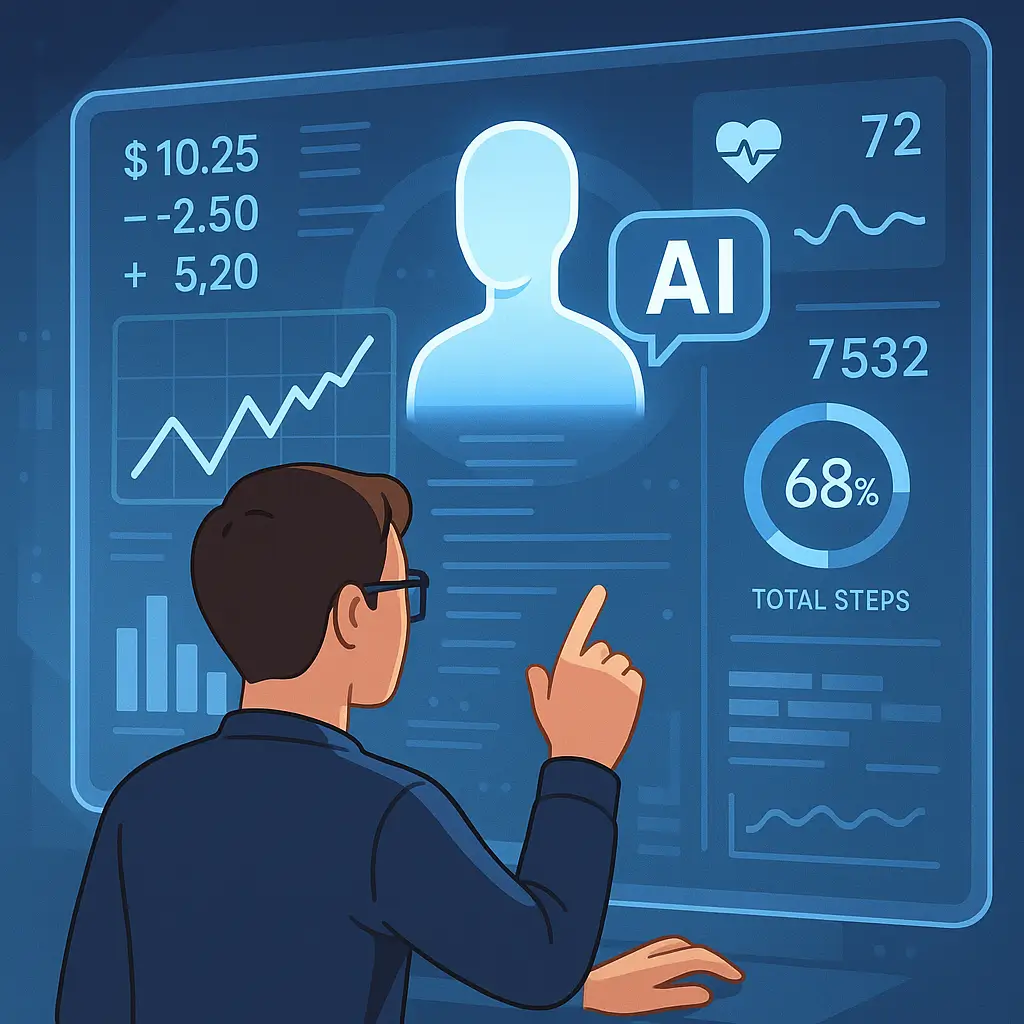

Journaling made easy: How AI transforms your practice

A split image showing traditional journaling on one side and AI-enhanced digital journaling on the other.

Keeping a journal is a tried and tested, albeit effective, method of comprehending ourselves, dealing with emotions, and going after personal goals. Writing thoughts down is effective for many people, as it helps them unclog their minds and remember how they have progressed over certain periods. However, it can be a challenging and overwhelming experience to adhere to a journaling routine or not know what to write. Artificial intelligence (AI) can make a practical difference here. With sensitive questions and personal guidance, AI can help transform journaling into a more focused experience. In this article, we will examine what AI can do to help you draft a self-improvement journal capable of helping you track your growth and increase your self-awareness more than conventional Journaling could.

The History of Journaling as Self-Improvement

Traditional Journaling is more than just a fad.

Journaling is an ancient practice that helps us identify our thoughts and feelings. Handwriting allows us to take time and concentrate, which may enhance our memory and understanding of our lives. Most individuals discover that writing their emotions on paper calms them and makes them feel psychologically clearer, making it easier to deal with daily demands and overwhelming emotions.

Most people show journaling as a one-way conversation we have with ourselves, unlike when talking to others; journalists can write freely and speak their opinions without interruption and fear of judgment. It is a healthy place that allows us to tame painful emotions and consider our lives in our own time. With time, one may refer to previous journal notes to find patterns and learnings that can be used as personal development guides and support better decision-making15.

Studies have found that Journaling is helpful for emotional well-being. It decreases anxiety rates, increases self-consciousness, and elevates mood. It can even result in reduced sick days and healthy living in general. Although it occasionally arouses unpleasant emotions, the long-term effect of Journaling makes it an effective method of self-improvement and therapeutic healing246.

To conclude, traditional journalism is still an excellent way to connect with ourselves, our inner reality, and how we travel towards a better life.

Making AI a game changer in Journaling

Though basic Journaling is very useful, there are some pitfalls, such as sticking to it, which might be hard, or deciding what to write. That is where artificial intelligence (AI) will come as a useful friend. With the emergence of AI, new opportunities are in place to provide personalized guidance, which makes Journaling easier, more engaging, and more effective.

When using AI, you are no longer subjected to the blank page and are unsure where to begin. Smart apps based on AI can provide considerate prompts depending on the current mood, objectives, or previous entries, making you revel in your thoughts in greater depth. After some time, AI begins learning about your writing habits and can tell you things that may be difficult to find yourself.

AI can make journaling more than a person writes; it is a tool that helps people review the past and grow. It will make you want to stick to the routine, monitor your evolution, and become more self-conscious. By so doing, AI is transforming how we journal and making it a more effective exercise to enhance our existence.

A person writing in a journal with a smartphone or tablet displaying AI-generated prompts.

The Direction AI Can Give Your Journaling Experience

The first step

A golden rule in using smart prompts encourages a person to engage in further self-discovery.

A major aid that AI can bring to your journaling habit is to provide intelligent prompts that capitalize on your personal experiences and objectives. Artificial intelligence will not leave you with nothing to say; instead, it prompts you to think of ideas and asks intelligent questions to help you feel more intensively about your emotions, issues, and success. These prompts vary according to your mood, what you have previously written, or particular areas in which you wish to improve, so your journaling experience is more valuable.

For example, when you feel anxious, AI may encourage you to investigate the cause of stress or propose some relaxation methods to practice. If you are developing yourself, it may pose questions that can make you set the objective or point out your advancements. This individualized solution can assist you in discovering things that you would have overlooked when using generic Journaling, and it can make your writing an effective, potent method of self-discovery and emotional understanding123.

Responsive Education and Customized Knowledge

AI will not simply provide blank prompts; it will start learning based on what you write and progressively get better at knowing what you write, think, and feel as time passes. This neural learning enables the AI to deliver personalized information as you continue keeping a journal. This information becomes more precise and useful as you continue journaling. Analyzing your writing, AI can reveal some patterns, emotional triggers, or habits you are unaware of.

For example, AI can notice that some situations frequently make you stressed and will point them out and recommend how to deal with them. It can also sum up your progress, demonstrating how your mood or state of mind has benefited for weeks or months. Such individualized feedback will help you better understand your mental and emotional status so your Journaling becomes more about self-development and self-improvement rather than a collection of thoughts.

Monitoring and developing Consistency

One of the greatest setbacks in Journaling is consistency and actual progress experienced after some time. AI can assist you by reminding you to write periodically, and it should not be an issue to check your progress. Rather than journaling being an activity you can get out of your way, AI makes it a regular practice in which you transition to improvement.

The AI tools will pleasantly remind you so that you can write and have a habit of writing every day or every week. They also note your entries, pointing at the worst or the best moments of your life or your evolutional mood and attitude. Not only is it easy to see how you have grown, but it also pinpoints the areas of growth, the difficulties you have encountered, and what trends you are developing as a person.

With AI, Journaling becomes an everyday habit that provides definite feedback and motivates you. Such regular support may turn journaling into a long-term solution to self-development and emotional wellness.

Essential Details about AI-Based Journaling Apps

Guided Thoughts and Timely Reflections

Among them, AI journaling apps can distinguish from the systems of personal prompts that make writing simpler and more significant. Rather than staring at an empty page, the users are met with inquisitive, individual questions, which make them focus more on their emotional development, goals, and everyday life adventures. These prompts evolve with time depending on what you are writing, and this aids in discovering new things and remaining glad about journaling135.

Guided journaling programs Many apps also offer structured journaling programs or journaling programs over several days that help with specific improvement goals: CYookiebyaplus GuidedJournalingApp Such a direction will contribute to the regularity of such experienced and novice journalers and enter the zone of learning more about personal growth and development35.

These prompt systems generally convert journaling as an exercise of record-keeping into a more interactive and insightful activity that helps with emotional clarity and self-awareness125.

item Analysis and Pattern Recognition

The other strong aspect of AI journaling apps is the possibility of examining your mood and detecting a pattern in your writing. Enjoying happiness, stress, or feeling sad means showing emotions in how you use words and tone, which AI can identify as time passes. This will make you more conscious of your emotional swings even when they are not realized in your day-to-day activities.

AI also recognizes common themes or stimuli in your journal entries. To give an example, it may be observed that there are specific situations or thoughts when anxiety or frustration may appear regularly. Pointing at these patterns, AI makes you more aware of how you feel and makes you willing to work on underlying problems.

This habit of mood monitoring and pattern detection makes the journal useful for monitoring your mental state and personal development. It also contains information about a healthier lifestyle and a balanced emotional life.

Greater Accessibility and User Friendliness

AI journaling app helps simplify journaling for all people and makes the process enjoyable. Most have an easy-to-use interface that you can use easily to begin writing without formal technical complications. These apps usually have various modes of inputting your thoughts, which can be typed out, or they can use voice dictation or even attach photos or other media to enhance your entries.

Such features as tagging, bookmarking, and Search options enable you to sort your journal and readily revisit it, commonly helping you trace your progress or locate a particular reflection. Also, many apps offer the possibility of setting personalized reminders to make journaling a habit so you can develop one quickly.

The user experience also entails privacy and security. Popular AI journaling applications have high-security settings and provide such services as PIN codes or biometric locks, which help save your thoughts. With this ease, flexibility, and safety, we will feel safe and comfortable with self-reflection, and you will feel engaged and motivated during your journaling life167.

Icons or illustrations symbolizing AI, such as a robot or neural network, combined with writing tools like pens or notebooks.

The Advantages of Journaling with AI

Working with Journaling Disadvantages

Journaling is not easy for people since one may need to know what to write about, be motivated, or maintain a habit. AI-assisted Journaling can remove these barriers due to its simplification and enhanced interest in the process. For example, you can express your ideas using AI, as it can capture your thoughts textually or in voice; hence, you need not worry about the start or structure of the thoughts or how to structure them13.

AI can also give you personal prompts and other recommendations based on your previous entries and mood so that you can overcome writer’s block and your thoughts can return to your mood26. This advice makes journaling new and contemporary; most people are encouraged to write continuously. Also, AI tools remind you to keep pleasant notes gently and monitor your progress so you can develop a consistent practice of journal keeping without being overwhelmed13.

AI journaling helps eliminate cognitive overload and minimize the time people need to spend on self-reflection. It lets people sort out their thoughts automatically and gain valuable insights that can be further transformed into actionable hacks15. This care transforms the journaling practice into an achievable one that would make you a better and more effective person who can better control your emotions.

Enhancement of Self-knowledge and Emotion Clarification

AI-assisted Journaling is more like simple writing; it helps you get to know yourself better. By analyzing your entries, AI can reveal patterns in your thoughts and feelings that you are unaware of. It may reveal secret feelings, stressful issues, or delightful situations that set you in a mood.

With the help of AI, you get space to think about the harder emotions and look more candidly at what you have experienced. This advanced self-knowledge might make you aware of your own more emotional or sentimental range and help you understand what or who is significant to you and who or what may be holding you in bondage. The procedure facilitates shadow work, where the difficult sides of your personality are exposed in a well-regulated manner.

Finally, AI makes your journal a mirror in which you see your inner world best to make balanced decisions and develop yourself better regarding mental health.

Promoting a Coherent Development of Self

The AI-enabled diary also motivates you to begin your writing process and ensures you make a significant step in your journals. With AI-based prompts, Journaling can become an everyday routine: many users can keep a habit by seeing new messages regularly and having the opportunity to write down the specific experience. This follows through directly to actual improvements in your mental health and development, termed personal growth.

Emotional awareness, stress management, and general well-being also experience a great boost after regular Journaling with the help of AI, as shown in the studies and the user’s experience. To illustrate, the Rosebud and Resonance apps provide real-time support and target recommendations that assist the user in identifying patterns, coping with anxiety, and growing resilient. Users claim they are less stressed, more concentrated, and can handle situations reserved by facing them regularly using AI instructions.

With support for constant reflection and providing specific feedback, AI journaling tools will serve as a personal coach to keep you motivated and involved in your self-improvement process. The continual habit eventually delves deeper, bringing healthier habits and greater emotional stability.

Conclusion

AI is changing journalism’s face to simplify, more individualized, and revelatory. It removes the most frequent obstacles, such as writer’s block, and makes journaling a tool of self-discovery as the user dives deep within their thoughts. To everyone interested in personal development, the experience of using AI-powered journaling applications can be beneficial in guiding and supporting the person. Not merely a device, AI becomes a partner in your quest for self-discovery and provides you with the chance of permanent emotional insight and development.

AI-Powered Coaching: 5 ways to build resilience and adaptability

A person wearing VR goggles surrounded by digital elements like data graphs and coaching icons, illustrating immersive AI-powered coaching for personal growth.

In today’s fast-changing world, life can often feel overwhelming and unpredictable. Whether dealing with unexpected challenges or adapting to new situations, being resilient and flexible is more important than ever. But building these skills isn’t always easy, and many people struggle to find the right support. That’s where artificial intelligence, or AI, comes in. With technological advances, AI-powered coaching is a helpful tool that can guide us personally, anytime and anywhere. This new kind of coaching can offer tailored advice and encouragement to help us become stronger and more adaptable in facing life’s ups and downs. In this article, we’ll explore how AI is changing the way we build resilience and adaptability, making self-help more accessible and effective for everyone

Understanding Resilience and Adaptability

Life is full of surprises. Sometimes things go exactly as planned, but often, unexpected events can shake us up. How we respond to these moments makes a big difference in our happiness and success. The ability to be resilient and adapt are two helpful skills that can help us to deal with the scattered cards of life.

What is Resilience?

Resilience refers to the ability to recover from tragedies that occur. It is similar to stretching a rubber band, which can be pulled but will return to its normal shape. Resilience helps you not to give up when you experience stress, failure, or setbacks. Ins, you learn the lesson of the experience and pass it on. It is an attribute that will be able to protect your sanity and avoid quitting when the working process gets tough.

What is Adaptability?

Adaptability has to do with the aspect of being open and flexible to change. It means adjusting your thoughts, feelings, or actions when situations shift. For example, if your job changes or you move to a new city, adaptability helps you find new ways to succeed and feel comfortable. It enables you to remain composed and reason even when things around you are unpredictable.

Why Are These Skills Important?

In today’s fast-paced world, change happens quickly. Technology, work, and social life are always evolving. People who are resilient and adaptable can handle stress better, solve problems more easily, and take advantage of new opportunities. These skills also improve relationships and boost confidence.

Building resilience and adaptability is a journey, not something you’re born with. The good news is that with the right tools and practice, anyone can grow stronger in these areas. In the next chapters, we’ll look at how AI-powered coaching can support you on this journey, offering personalized help to build these essential life skills.

The Role of AI in Personalized Coaching

Just imagine, you have a coach who really knows you, your powers and weaknesses, and who supports you any time you need it. That’s what AI-powered personalized coaching aims to do. Thanks to advances in technology, artificial intelligence (AI) is becoming a helpful guide for people looking to improve their resilience and adaptability.

What Is AI-Powered Coaching?

AI-powered coaching uses smart computer programs to offer advice, encouragement, and exercises tailored just for you. Unlike traditional coaching, which usually happens face-to-face or over the phone, AI coaching is available 24/7 through apps or websites. It gets smarter with every answer you give, it records your progress and adapts to your needs.

How Does It Work?

These AI coaches gather information about you, like your habits, moods, and goals, through simple questions or by analyzing your interactions. Then, they use this data to create a personalized plan that fits your unique situation. For example, if you’re feeling stressed, the AI might suggest quick breathing exercises or helpful tips to stay calm. If you want to become more adaptable, it might offer challenges that encourage you to try new things step by step.

Why Is AI Coaching Effective?

AI coaching offers one of the greatest advantages of being consistent. Life can get busy, and sometimes it’s hard to stay focused on personal growth. AI coaches send reminders, celebrate your wins, and gently nudge you when you need motivation. Plus, because it’s available anytime, you can get help exactly when you need it, whether it’s early morning or late at night.

Examples in Action

There are already many AI coaching apps designed to help people build resilience and adaptability. Some use chatbots that talk with you like a friend, while others offer daily exercises and track your mood over time. These tools are becoming more popular because they make self-help easier and more accessible for everyone.

In the next chapter, we’ll explore the specific features of AI coaching that make it a powerful tool for personal growth. You’ll see how technology can work alongside your efforts to help you become stronger and more flexible in facing life’s challenges.

Key Features of AI-Powered Resilience and Adaptability Coaching

A person using a laptop or phone, interacting with an AI-powered coaching chatbot that offers empathetic support, shown through gentle smiley faces and heart icons to convey emotional care.

AI-powered coaching is more than just a helpful app on your phone. It offers a range of features designed to support your personal growth in ways that feel natural and easy to follow. Let’s take a closer look at some of the key tools and benefits that make AI coaching a great partner for building resilience and adaptability.

Personalized Goal-Setting and Progress Tracking

One of the most useful features of AI coaching is its ability to help you set clear, realistic goals. Instead of generic advice, the AI creates a plan tailored to your needs and lifestyle. It breaks big goals into smaller, manageable steps, making progress feel achievable. Plus, it keeps track of how you’re doing and celebrates your successes, which can boost your confidence and keep you motivated.

Immediate, Actionable Feedback

When you’re trying to build new habits or skills, quick feedback is important. AI coaches can respond instantly to your input, offering tips and encouragement right when you need it. For example, if you report feeling overwhelmed, the AI might suggest a simple breathing exercise or a short break. This kind of real-time support helps you stay on track and handle challenges as they come.

Data-Driven Insights

AI uses data to understand your behavior and mood patterns over time. By analyzing this information, it can spot areas where you might struggle and suggest ways to improve. For example, if the AI notices you tend to feel stressed on certain days, it might recommend specific strategies to prepare for those moments. This personalized insight helps you become more aware of your habits and how to change them.

Consistency and Accountability

The process of building resilience and adaptability is long, and it needs regular care. AI coaching comes in handy since the assistant will shoot you a reminder or a check-in message to keep you in line. It will rather be more of a caring mentor who will push you to keep going even when you feel no motivation. This reinforcement consistently contributes to the creation of permanent habits.

Emotional Support and Mindset Coaching

Beyond practical advice, AI coaching can also help you build a positive mindset. Some AI tools use friendly chatbots that listen and respond with empathy, providing emotional support when you need it. They can help you reframe negative thoughts, boost your self-belief, and encourage a growth mindset, believing that you can improve with effort.

Together, these features create a powerful system that adapts to your unique journey. AI coaching doesn’t replace human connection, but it offers a convenient, personalized way to practice resilience and adaptability every day. In the next chapter, we’ll explore how these features come to life in practical ways you can use to improve your daily life.

Practical Applications and Benefits

Using AI-powered coaching to build resilience and adaptability isn’t just a nice idea, it can make a real difference in your daily life. This technology offers practical tools and support that fit easily into your routine, helping you grow stronger and more flexible step by step. Let’s explore some ways AI coaching can be used and the benefits it brings.

Daily Micro-Activities for Building Resilience

One of the best things about AI coaching is that it breaks down big goals into small, easy tasks. These daily micro-activities might include a short breathing exercise, a quick reflection on a positive experience, or a simple challenge to try something new. Doing these little things regularly helps build your resilience over time without feeling overwhelmed.

Real-Time Stress Management

Life can throw unexpected stress your way, and sometimes you need help right away. AI chatbots are available 24/7 to listen and offer calming techniques or encouraging words whenever you feel anxious or overwhelmed. Having this kind of instant support can make stressful moments easier to handle.

Setting a Resilient Vision and SMART Goals

AI coaching helps you create a clear vision of the kind of person you want to become, someone who can bounce back from setbacks and adapt to change. It guides you in setting SMART goals (Specific, Measurable, Achievable, Relevant, Time-bound) that keep you focused and motivated. The benefit of this ordered process is that personal development becomes easier and worthwhile.

Improving Leadership and Change Management Skills

Resilience and adaptability are not just personal traits, they are also important for leaders and professionals. AI coaching can help you develop skills to manage change at work, communicate better, and lead with confidence. By practising these skills through AI-guided exercises, you become better prepared to face challenges in your career.

Benefits You Can Feel

  • More Confidence: As you meet your goals and handle challenges, your self-belief grows.
  • Better Stress Control: Learning quick ways to calm yourself helps reduce anxiety.
  • Greater Flexibility: You become more open to new ideas and ways of doing things.
  • Improved Focus: Regular check-ins keep you on track and motivated.
  • Accessible Support: AI coaching is available anytime, fitting into your busy life.

By using AI coaching tools, you get a personal guide that helps you practice resilience and adaptability every day. This steady support makes it easier to face life’s ups and downs with strength and grace. In the next chapter, we’ll look at some challenges and important ethical questions to keep in mind when using AI for self-help.

Challenges and Ethical Considerations

A bright, optimistic illustration of a person stepping forward on a glowing path made of digital circuits, symbolizing growth and progress supported by AI-powered coaching technology.

While AI-powered coaching offers many exciting benefits, it’s important to understand that it’s not perfect. Like any tool, it comes with challenges and ethical questions that we should think about before fully trusting it with our personal growth.

Balancing Instant Help with Long-Term Growth

A potential problem with AI coaching is overappropriation of quick fixes. Since AI is capable of offering immediate guidance or reassurance, it is tempting to think that it will bring a quick fix. However, resilience and adaptability cannot be achieved quickly or easily. AI should be treated as an assistive, rather than a magical tool. The process of growth occurs gradually and occasionally growth may involve some discomfort.

Privacy and Data Security

AI coaching apps collect personal information about your feelings, habits, and goals. This data helps the AI give better advice, but it also raises questions about privacy. How is your information stored? Who can see it? It’s important to choose trustworthy apps that protect your data and keep it safe from misuse. Always read privacy policies and be cautious about sharing sensitive details.

Avoiding Bias and Ensuring Fairness

AI systems learn from data, and if that data is biased, the advice they give might not be fair or accurate for everyone. For example, an AI coach trained mostly on one group of people might not understand the needs of others. Developers need to work hard to make AI coaching inclusive and respectful of different backgrounds, cultures, and experiences.

The Importance of Human Connection

AI coaching can be very helpful, but it doesn’t replace the value of real human support. Friends, family, and professional coaches offer empathy, understanding, and connection that AI cannot fully provide. It’s important to use AI as a supplement to, not a substitute for, human relationships and expert help when needed.

Being Mindful Users

As users, we need to be thoughtful about how we use AI coaching. It’s a tool to support us, but we should stay aware of our feelings and needs. If something doesn’t feel right, or if we’re struggling deeply, reaching out to a human professional is always a good step.

By keeping these challenges and ethical issues in mind, we can use AI coaching wisely and safely. In the next chapter, we’ll explore exciting future possibilities for AI in helping us grow stronger and more adaptable in an ever-changing world.

Future Trends and Opportunities

The world of AI-powered coaching is growing fast, and the future looks full of exciting possibilities. As technology improves, AI will become an even better partner in helping us build resilience and adaptability. Let’s explore some of the trends and opportunities that lie ahead.

More Immersive Experiences with Virtual Reality

One of the most promising developments is the combination of AI with virtual reality (VR). Imagine putting on VR glasses and entering a safe, virtual space where you can practice handling stressful situations or new challenges. This kind of immersive coaching can make learning resilience and adaptability feel more real and engaging. It allows you to try out different responses and build confidence before facing similar situations in real life.

Smarter and More Personalized Support

As AI learns more about each person, it will be able to offer even more tailored advice. Future AI coaches might understand your emotions better by using voice tone or facial expressions, making their support feel more human. They could also predict when you might need extra help and reach out before problems get worse.

Expanding Access to Coaching Worldwide

AI coaching has the potential to bring personal development support to people everywhere, even in places where human coaches are hard to find. This can help reduce barriers like cost, location, or stigma around asking for help. More people will have the chance to build resilience and adaptability, improving their lives and communities.

Combining AI with Other Wellness Tools

In the future, AI coaching might work together with other health and wellness technologies, like fitness trackers or meditation apps. This integrated approach can give a fuller picture of your well-being and offer support that fits your whole lifestyle.

Encouraging Lifelong Learning and Growth

As AI coaching becomes more common, it can encourage a mindset of lifelong learning. Instead of seeing personal growth as a one-time goal, people can get ongoing support to adapt and grow through every stage of life. This can make us all better prepared for whatever the future has in store.

Staying Responsible and Ethical

With these exciting opportunities come responsibilities. Developers and users will need to keep focusing on privacy, fairness, and the balance between technology and human connection. When done right, AI coaching can be a powerful tool that respects and supports each person’s unique journey.

The future of AI-powered coaching is bright, offering new ways to help us become stronger, more flexible, and ready for life’s challenges. By embracing these innovations thoughtfully, we can unlock our full potential in a complex world.

Conclusion

Building resilience and adaptability is more important than ever in today’s fast-changing world. These skills help us handle stress, face challenges, and grow through life’s ups and downs. Thanks to advances in technology, AI-powered personalized coaching is becoming a valuable tool to support us on this journey.

AI coaching offers tailored guidance, real-time feedback, and consistent encouragement that fits into our busy lives. While it’s not a perfect solution and comes with challenges like privacy and the need for human connection, it opens up new possibilities for personal growth that were not available before.

Looking ahead, then, it seems clear that AI coaching is only going to get better and more available, assisting more individuals in developing the strength and flexibility they require to succeed. By using AI thoughtfully and combining it with our efforts and support from others, we can unlock our potential and face life’s changes with confidence and hope.

Artificial intelligence with advanced reasoning in personal decisions

Introduction

In recent years, artificial intelligence with advanced reasoning has evolved at a dizzying pace, transforming multiple aspects of our daily lives. From virtual assistants that answer questions to generative tools that create text, images, and music, AI has become an increasingly present ally. However, beyond these well-known applications, this new generation of artificial intelligence with advanced reasoning promises to revolutionize the way we make complex decisions in our personal lives.

Unlike traditional artificial intelligence, which is limited to processing information and generating pattern-based responses, this technology can analyze multiple variables, deduce consequences, and offer much more in-depth personalized recommendations. This advancement opens the door to more meaningful personal growth, allowing us to face complex challenges with greater clarity, confidence, and effectiveness.

Here, we’ll discuss advanced reasoning artificial intelligence, how it can benefit our choices in finance, healthcare, career and emotional management and what obstacles it creates when used in our daily lives. We’ll also find out how to make sure we’re ready to take advantage of this technology’s potential for improving ourselves over the next few years.

What is AI with advanced reasoning?

AI with advanced reasoning represents a significant evolution from the traditional and generative AI we know today. While conventional AI typically relies on pattern recognition and generating responses from large volumes of data, AI with advanced reasoning incorporates human-like cognitive capabilities to analyze, infer, and make complex decisions.

Main features

  • Multidimensional analysis capability: This AI can evaluate multiple variables and scenarios simultaneously, considering factors ranging from quantitative data to qualitative or emotional aspects.
  • Logical and deductive reasoning: Not only does he answer questions, but he can infer causes, consequences, and relationships between elements, allowing him to offer more in-depth and personalized solutions.
  • Contextual learning: Learns and adapts its recommendations based on the user’s specific context, goals, and changing circumstances.
  • Autonomy in decision-making: Can execute complex processes without constant supervision, acting as a true “copilot” in personal and professional life.

Differences with generative and traditional AI

Generative AI, such as models that create text, images, or music, relies on learned patterns to produce new content, but it doesn’t necessarily understand the deeper meaning or implications of its responses. Traditional AI, on the other hand, is limited to specific tasks and predefined responses.

In contrast, AI with advanced reasoning combines data processing with cognitive skills that simulate human thought, enabling much richer and more useful interaction for complex decision-making.

Current examples

Although this technology is still under development, existing systems are beginning to demonstrate these capabilities, such as autonomous agents that can manage complex projects, financial analysis platforms that simulate different economic scenarios, or personal assistants that integrate emotional data to offer personalized advice.

Practical applications in personal decision-making

Artificial intelligence with advanced reasoning has enormous potential to transform how we approach complex decisions in our daily lives. Below, we explore some key areas where this technology can make a significant difference:

1. Long-term financial planning

Making sound financial decisions involves analyzing multiple variables: income, expenses, investments, risks, personal goals, and market changes. AI with advanced reasoning can simulate different economic scenarios, assess risks, and offer personalized recommendations to optimize savings, investments, and debt management, adapting to your changing goals and circumstances.

2. Emotional management and conflict resolution

Decisions that involve emotions are often the most difficult. This AI can help you evaluate options by considering not only the facts, but also the potential emotional repercussions for you and the people involved. This way, you can make more balanced and informed decisions, improving your personal relationships and emotional well-being.

3. Career choice and continuing education

In an ever-changing world of work, choosing the right career or deciding which skills to develop is a challenge. Advanced AI can analyze your interests, competencies, market trends, and future opportunities to recommend career and training paths that maximize your growth and personal satisfaction.

4. Health and well-being

Deciding on healthy habits, medical treatments, or lifestyle changes requires considering multiple factors. AI can integrate medical data, habits, medical history, and preferences to offer personalized plans that optimize your physical and mental well-being, making it easier to adhere to healthy choices.

Challenges and ethical considerations

The advancement of artificial intelligence with advanced reasoning opens up great opportunities for personal growth, but also poses significant ethical challenges that cannot be ignored. Integrating these technologies into complex personal decision-making requires a thorough analysis of their implications and limitations.

Responsibility and human autonomy

One of the key challenges is determining who bears responsibility when an AI-assisted decision results in error or harm . As systems become more autonomous, human control over crucial decisions may be lost, raising the need to establish clear accountability and oversight mechanisms to avoid negative consequences .

Biases and discrimination

AI learns from historical data, so it can reproduce and amplify existing biases, undermining the fairness and equity of its recommendations. This can negatively impact sensitive personal decisions, from health to career, if adequate controls aren’t in place to mitigate these biases .

Transparency and explainability

For people to trust AI, it is essential that systems are transparent and their reasoning processes are explainable. Opacity in how recommendations are generated makes critical evaluation and informed decision-making difficult, which can erode trust in these technologies .

Privacy and data protection

Using AI with advanced reasoning involves processing large amounts of sensitive personal data. Ensuring the privacy and security of this information is essential to prevent abuse and protect users’ fundamental rights.

Balance between efficiency and humanity

While AI can increase decision-making efficiency, it’s crucial to maintain empathy, moral judgment, and human understanding as core elements. Technology should be a tool that enhances our autonomy, not replaces it.

How to get ready to use AI along with advanced reasoning in your daily living

The arrival of artificial intelligence with advanced reasoning represents an unprecedented opportunity to enhance our personal growth and improve complex decision-making. However, to take full advantage of these emerging tools, it is essential to prepare properly and develop certain skills and habits.

Basic training in AI concepts and logical reasoning

Understanding the fundamentals of how AI with advanced reasoning works is the first step to using it effectively. This includes becoming familiar with concepts such as reasoning models, machine learning, algorithmic biases, and the limits of the technology. There are accessible courses, webinars, and resources that can help build this knowledge base.

Development of critical thinking and evaluation of recommendations

Although AI can offer sophisticated analysis, it’s essential to maintain a critical attitude toward its suggestions. Learning to evaluate the logic, consistency, and applicability of recommendations will allow you to make more informed decisions and avoid blindly relying on the technology.

Sustain a proper harmony between human insight and the analysis provided by computers

AI should be a tool that complements, not replaces, your judgment. Cultivating intuition, empathy, and reflection remains key for decisions that involve unique values, emotions, and contexts.

Experiment with emerging tools

There are currently models and platforms that incorporate advanced reasoning capabilities, such as recent developments from OpenAI (o1 and o3 models) and Google Gemini 2.5. Testing these technologies in specific areas of your life, such as finance, health, or career development, can help you become familiar with their potential and limitations.

Be attentive to ethics and privacy

When using AI that processes sensitive personal data, it’s important to educate yourself about privacy policies and ensure the tools you choose meet ethical and legal standards. Protecting your information is key to safe and responsible integration.

Conclusion

Artificial intelligence with advanced reasoning is emerging as a revolutionary tool that can profoundly transform the way we make complex personal decisions. Unlike traditional AI, these new technologies offer multidimensional analysis, logical reasoning, and personalized recommendations that can help us better plan our finances, manage emotions, choose careers, or improve our health and well-being.

However, this potential comes with significant ethical and practical challenges, such as the need to preserve our autonomy, avoid algorithmic bias, ensure transparency, and protect our privacy. AI should be seen as a complement that enhances our judgment, not as an absolute substitute.

Preparing to integrate these technologies into our lives involves acquiring basic knowledge about AI, developing critical thinking, and maintaining a healthy balance between human intuition and technological analysis. Only then can we take full advantage of their benefits, making more informed, conscious decisions aligned with our values ​​and goals.

Ultimately, AI with advanced reasoning not only promises to be an invaluable ally for personal growth, but also invites us to reflect on how we want technology to influence our lives. The key will be to use it responsibly, ethically, and always in line with human judgment.

Micro-Habits: Simple Steps for Lasting Change in Your Life

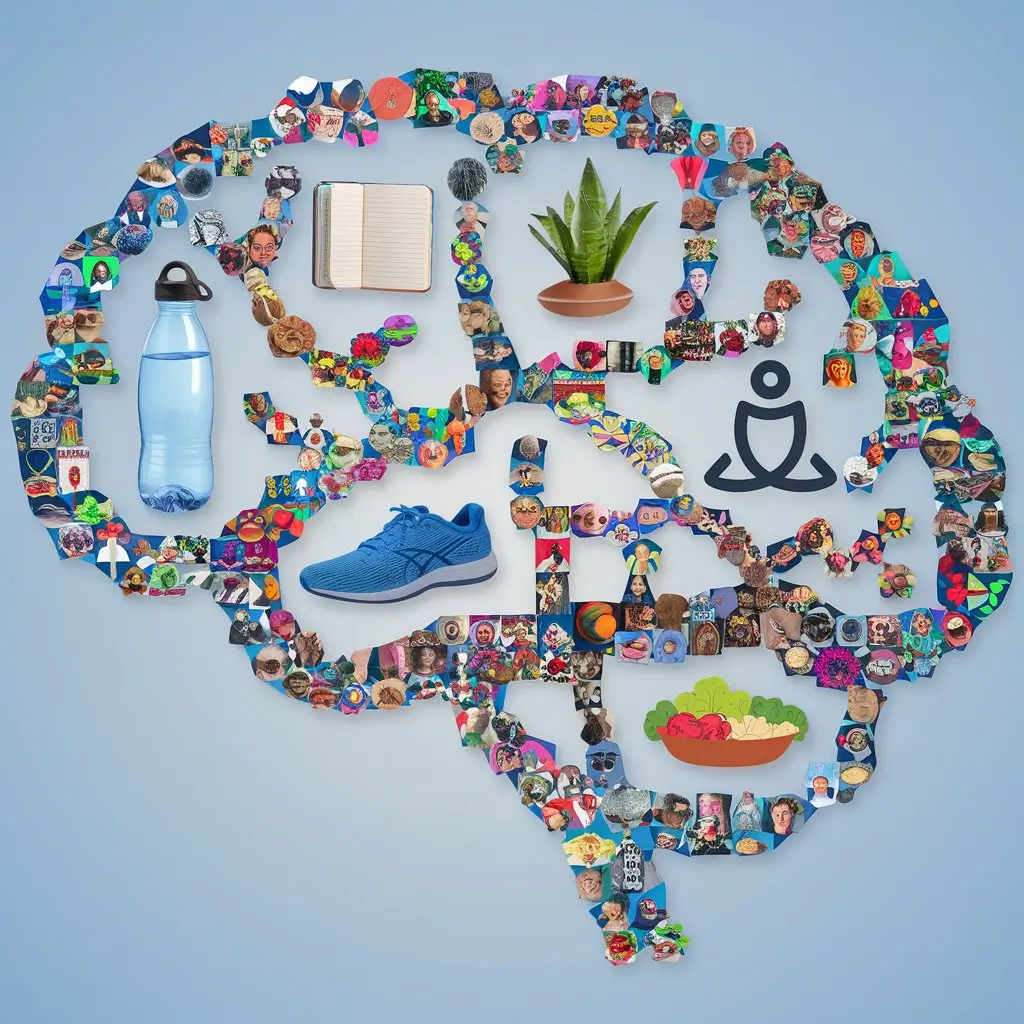
A colorful mosaic made up of small images representing various micro-habits (like a water bottle, a journal, a pair of running shoes). The mosaic should form a larger image, such as a heart or a brain, symbolizing the cumulative impact of these habits on well-being.

In the hustle and bustle of modern life, the idea of making significant changes can often feel overwhelming. However, small actions, known as micro-habits, can lead to substantial improvements in our lives. Micro-habits are tiny, actionable behaviors that are easy to implement and sustain, making them a powerful tool for personal development. This article will explore examples of micro-habits and provide practical strategies for incorporating them into your daily routine.

What are Micro-Habits?

Micro-habits are the tiny, seemingly insignificant actions we can take that require minimal effort but can lead to significant improvements over time. These micro-habits are designed to be easily integrated into our daily routines, making them accessible for anyone looking to enhance their life without feeling overwhelmed.

Explanation of Micro-Habits

  1. Small, Actionable Behaviors: Micro-habits focus on small actions that can be completed in a minute or less. For instance, instead of committing to a 30-minute workout, a micro-habit might be doing a set of 10 push-ups or taking a 1-minute stretch break. This simplicity makes it easier to start and maintain these habits without the pressure of larger commitments.
  2. Easy to Implement and Sustain: Because micro-habits are small, they can be easily woven into your existing routine. They don’t demand significant time or energy, making it less likely for individuals to feel discouraged or give up. This ease of implementation is one of the key reasons they are so effective.

Difference Between Micro-Habits and Larger Habits

Micro-habits differ from larger habits in several key ways:

  1. Scalability: Larger habits often require extensive planning and dedication. In contrast, micro-habits are scalable; you can start with one small action and gradually increase its complexity or frequency as you gain confidence.
  2. Immediate Gratification: Micro-habits can provide immediate feelings of accomplishment. Completing a small task generates a sense of success, which can motivate individuals to continue building on those small wins over time.
  3. Lower Resistance: The psychological barrier to starting a micro-habit is significantly lower than that of a larger habit. When faced with the prospect of a major lifestyle change, many people experience anxiety or resistance. Micro-habits, however, are less intimidating and encourage action rather than inaction.

Benefits of Adopting Micro-Habits

  1. Simplicity: The beauty of micro-habits lies in their simplicity. They can be as effortless as taking a moment to breathe deeply or writing down one positive thought. This simplicity allows individuals to integrate them seamlessly into their lives without feeling burdened.
  2. Immediate Impact: Micro-habits often yield quick results. For example, drinking a glass of water in the morning can immediately hydrate your body and kickstart your metabolism. These small victories can boost motivation and reinforce the desire to continue making positive changes.
  3. Foundation for Larger Changes: Micro-habits can serve as stepping stones toward larger lifestyle modifications. For instance, someone who starts by walking for five minutes a day may gradually increase their activity level, eventually leading to a more robust exercise routine. This gradual approach reduces the risk of burnout and enhances long-term sustainability.
  4. Enhanced Focus on Process Over Outcome: Micro-habits shift the focus from lofty goals to the daily actions that lead to those goals. Rather than obsessing over the end result, individuals learn to appreciate the journey, fostering a growth mindset that values progress over perfection.
  5. Building Momentum: As individuals successfully incorporate micro-habits into their lives, they create a sense of momentum. This can lead to a snowball effect, where the success of small habits encourages the adoption of more significant changes, creating a positive feedback loop of growth and development.

Examples of Micro-Habits

Micro-habits can be applied across various aspects of life, from health and productivity to mindfulness and relationships. Here are some practical examples of micro-habits that you can easily incorporate into your daily routine:

Health and Fitness

  1. Drinking a Glass of Water First Thing in the Morning: Starting your day with hydration can jumpstart your metabolism, improve digestion, and enhance energy levels. This strategy works as an efficient method which advances total health benefits.
  2. Taking a 5-Minute Walk After Meals: Instead of sitting immediately after eating, a brief walk can aid digestion and help regulate blood sugar levels. It’s a great way to incorporate physical activity into your day without dedicating much time.
  3. Doing One Minute of Stretching Each Day: Taking just a minute to stretch can relieve tension and improve flexibility. It can be as simple as reaching for your toes or doing a few shoulder rolls, making it easy to fit into your schedule.

Productivity

  1. Writing Down One Task to Accomplish Each Morning: This micro-habit helps you prioritize your day and creates a sense of direction. By focusing on a single task, you can enhance your productivity without feeling overwhelmed by a long to-do list.
  2. Setting a Timer for 10 Minutes of Focused Work: Using the Pomodoro technique, you can break your work into manageable intervals. Committing to just 10 minutes of focused work can help you overcome procrastination and build momentum.
  3. Organizing Your Workspace for 5 Minutes: A clutter-free environment can significantly boost focus and productivity. Spending just a few minutes tidying up your desk can create a more conducive space for work and creativity.
A person starting their day by drinking a glass of water at sunrise. The scene should convey freshness and vitality, with light streaming in through a window.

Mindfulness and Mental Well-Being

  1. Practicing Deep Breathing for 1 Minute: Taking a moment to focus on your breath can reduce stress and enhance mental clarity. Deep breathing exercises can be done anywhere and require minimal time, making them an excellent micro-habit for mindfulness.
  2. Journaling One Positive Thought Daily: Writing down a positive thought or gratitude each day can shift your mindset toward positivity. It encourages you to focus on the good in your life, enhancing overall well-being and happiness.
  3. Meditating for 2 Minutes Before Bed: A brief meditation session can help calm your mind and prepare you for sleep. Incorporating this micro-habit into your nightly routine can improve sleep quality and promote relaxation.

Relationships

  1. Sending a Quick Message to Check In on a Friend: A simple text or message to ask how someone is doing can strengthen relationships and show that you care. This micro-habit fosters connection and can brighten someone’s day.
  2. Complimenting Someone Once a Day: Offering a genuine compliment can uplift others and create a positive atmosphere. It takes only a moment but can significantly impact both the giver and receiver’s mood.
  3. Practicing Active Listening in Conversations: Focus on truly hearing what others are saying rather than preparing your response. This micro-habit enhances communication and strengthens relationships by showing respect and understanding.

Financial Habits

  1. Saving $1 a Day: This micro-habit can gradually build your savings without requiring a significant financial commitment. By saving a small amount daily, you can develop a habit of saving that can lead to larger financial goals.
  2. Reviewing One Expense Daily: Taking the time to reflect on a single expense each day can increase your financial awareness. It helps you understand your spending habits and encourages more mindful financial decisions.
  3. Setting Aside Change in a Jar: Collecting spare change can add up over time. This simple act of saving can teach you the value of small contributions while creating a visual representation of your progress.

How to Incorporate Micro-Habits into Daily Life

Integrating micro-habits into your daily routine can be an effective way to foster positive change without feeling overwhelmed. Here are practical strategies to help you successfully incorporate these small actions into your life:

Start Small

  1. Choose One or Two Micro-Habits: Instead of trying to overhaul your entire routine at once, select one or two micro-habits that resonate with you. This focused approach allows you to dedicate your energy and attention to establishing those habits before adding more.
  2. Gradually Increase Complexity: Once you feel comfortable with your initial micro-habits, you can gradually increase their complexity or frequency. For instance, if you start with a 5-minute walk, you might eventually aim for a 10-minute walk or incorporate additional exercises.

Use Triggers

  1. Associate Micro-Habits with Existing Routines: Identify existing habits in your daily life that can serve as triggers for your new micro-habits. For example, if you want to practice deep breathing, you might do it right after brushing your teeth each morning. This association makes it easier to remember and perform the new habit.
  2. Set Reminders or Alarms: Utilize technology to your advantage by setting reminders or alarms on your phone. A simple notification can prompt you to engage in your chosen micro-habit at designated times throughout the day.

Track Progress

  1. Use a Habit Tracker or Journal: Keeping a record of your micro-habits can help you monitor your progress and stay motivated. The tracking system can be either an app on your device or you may utilize a bullet journal to mark your daily progress toward your micro-habit completion.
  2. Each small achievement should receive praise regardless of its magnitude. Each successful completion of a micro-habit should lead to celebration because it strengthens the behavior while increasing your motivation. The accomplishment can be recognized through small rewards like your preferred coffee drink coupled with sharing the news with your close friends.

Stay Consistent

  1. Commit to Daily Practice: Consistency is key when it comes to forming habits. Make a commitment to practice your micro-habit daily, even if it’s just for a minute. Over time, this consistency will help solidify the habit in your routine.
  2. Be Patient and Flexible with Setbacks: Understand that setbacks are a natural part of the habit formation process. Missing a couple of days should not result in self-criticism. Instead, reflect on what led to the setback and adjust your approach if necessary. Flexibility will help you maintain a positive mindset and keep moving forward.

Adjust as Needed

  1. Evaluate Effectiveness and Enjoyment: Regularly assess how your micro-habits are working for you. Are they helping you achieve your goals? Do you enjoy them? If a particular micro-habit feels burdensome or ineffective, don’t hesitate to adjust it or swap it out for something that better suits your lifestyle and preferences.
  2. Modify Micro-Habits to Fit Personal Preferences: Personalization is crucial when it comes to habit formation. If you find that a micro-habit isn’t fitting well into your life, consider modifying it. For example, if you want to practice gratitude but find journaling tedious, try expressing your gratitude verbally to a friend instead.

Create a Supportive Environment

  1. Surround Yourself with Supportive People: Share your goals with friends or family members who can encourage and support your efforts. Having a support system can provide motivation and accountability as you work to incorporate micro-habits into your life.
  2. Optimize Your Environment: Arrange your physical space to make it easier to practice your micro-habits. For instance, if you want to drink more water, keep a water bottle on your desk or set it by your bedside to remind you to hydrate.

Overcoming Challenges

While incorporating micro-habits into your daily life can be rewarding, it’s not without its challenges. Understanding these obstacles and developing strategies to overcome them can significantly enhance your success in forming lasting habits. Here are common challenges you might face and practical solutions to address them:

Common Obstacles

  1. Lack of Time: In our busy lives, finding time for new habits can feel impossible. Many people believe they need large blocks of time to make meaningful changes, which can lead to frustration and abandonment of their goals.
  2. Forgetfulness: With so many responsibilities and distractions, it’s easy to forget to practice a new micro-habit. People may start with good intentions but struggle to remember to follow through consistently.
  3. Motivational Slumps: Initial enthusiasm for new habits often wanes over time. As the novelty wears off, it can become increasingly difficult to stay motivated, leading to procrastination or complete abandonment of the habit.
  4. Self-Doubt: Many individuals struggle with negative self-talk and self-doubt, questioning their ability to maintain new habits. This internal dialogue can create mental barriers that hinder progress.
  5. Perfectionism: The desire to execute habits perfectly can lead to disappointment and frustration. If individuals miss a day or don’t perform a habit perfectly, they may feel like they’ve failed altogether.

Strategies to Overcome These Challenges

  1. Time Management Techniques:
    • Prioritize Your Day: Start by identifying your most important tasks and allocating time for your micro-habits accordingly. Use tools like calendars or planners to schedule dedicated time slots for these small actions.
    • Incorporate Habits into Existing Routines: Find ways to integrate micro-habits into your daily activities. For example, if you want to stretch more, do it while watching TV or during a work break. This creates a seamless blend of old habits and new practices.
  2. Use Reminders and Alarms:
    • Set Up Notifications: Utilize your smartphone or other digital devices to set reminders for your micro-habits. A gentle nudge can serve as a prompt to engage in the behavior you want to establish.
    • Visual Cues: Place sticky notes or visual reminders in strategic locations (e.g., on your bathroom mirror or computer screen) to keep your goals at the forefront of your mind.
  3. Build a Support System:
    • Accountability Partners: Share your goals with friends, family, or colleagues who can help keep you accountable. Regular check-ins can provide motivation and encouragement.
    • Join a Community: Consider joining online forums or local groups focused on personal development. Engaging with others who share similar goals can boost your motivation and provide support.
  4. Cultivate a Growth Mindset:
    • Back your habits by accepting that failure happens frequently during habit creation. Realize that success from growth matters more than the pursuit of flawlessness. Small achievements should be recognized while unanticipated problems become opportunities to learn.
    • Practice Self-Compassion: Be kind to yourself when you encounter obstacles. Remind yourself that forming new habits takes time and that it’s okay to stumble along the way.
  5. Adjust Expectations:
    • Start Small and Be Realistic: Set achievable goals that align with your current lifestyle. If your initial micro-habit proves too challenging, don’t hesitate to scale it back to ensure it remains manageable.
    • Reassess and Adapt: Regularly evaluate your micro-habits to determine their effectiveness and relevance. If something isn’t working, be open to modifying or replacing it with a different habit that better suits your life.

Conclusion

Micro-habits offer a powerful way to create meaningful change in your life. By incorporating small, manageable actions into your daily routine, you can foster personal growth and well-being over time. Start with a few micro-habits today, and watch how these small changes can lead to significant transformations in your life.

Zone Mastery: Unlocking Flow for Peak Performance

A split image showing a person feeling overwhelmed by a complex task on one side and the same person confidently tackling the task on the other, representing the journey from challenge to mastery. Collaborative Flow

The term “zone,” often referred to as the flow state, describes a mental state where individuals experience complete immersion in an activity. This state is characterized by intense focus, heightened creativity, and a deep sense of satisfaction. Understanding what being in the zone feels like and its significance is essential for personal and professional growth.

Understanding the “Zone”

Characteristics of the Flow State

Being in the zone encompasses several defining characteristics that distinguish it from ordinary states of focus:

  • Deep Focus and Concentration: When individuals enter the zone, they experience a level of concentration that is often described as complete absorption in the task at hand. Distractions fade away, and their attention narrows to the activity, allowing for maximum productivity. This intense focus is what often leads to breakthroughs in performance, as individuals can push their limits without the usual interruptions of daily life.
  • Loss of Self-Consciousness: In the flow state, people often lose their sense of self-awareness. Instead of being preoccupied with thoughts about how they are performing or how they are perceived by others, they become entirely immersed in the moment. This loss of self-consciousness enables them to express themselves more freely and creatively, as they are no longer hindered by fear of judgment or failure.
  • Distorted Sense of Time: One of the most fascinating aspects of being in the zone is the alteration of time perception. Hours can seem to pass by in mere minutes, or vice versa. This distortion occurs because the brain is so engaged in the activity that it doesn’t register the usual markers of time. This experience can lead to a sense of timelessness, where the focus on the task overshadows the external world.
  • Intrinsic Motivation and Enjoyment: The flow state is intrinsically rewarding. Individuals often engage in these activities for their own sake rather than for external rewards. This intrinsic motivation fuels a desire to continue the activity, creating a positive feedback loop that reinforces the flow experience. The enjoyment derived from the process itself can lead to longer periods of engagement and deeper levels of mastery.

Psychological and Physiological Aspects

Understanding the psychological and physiological mechanisms behind the flow state provides insight into why it is such a powerful experience:

  • Brain Activity During Flow: Research has shown that when individuals are in the zone, specific brain regions become highly active. Notably, the prefrontal cortex, associated with self-reflection and critical thinking, often shows decreased activity. This reduction allows for a more spontaneous and creative thought process, free from the constraints of rational judgment.
  • Dopamine Release: The flow state is associated with increased levels of dopamine, a neurotransmitter linked to pleasure and reward. This boost in dopamine not only enhances mood but also improves focus and motivation. As individuals engage in tasks that induce flow, the brain’s reward system reinforces the behavior, making it more likely that they will seek out similar experiences in the future.
  • Connection to Peak Performance and Creativity: Flow is frequently linked with peak performance across various domains, including sports, arts, and professional work. Athletes often describe moments of flow as when they perform at their best, achieving results that seem almost effortless. Similarly, artists and writers experience heightened creativity during flow, leading to innovative ideas and expressions that might not emerge in a more distracted state.

Contextual Manifestations of the Flow State

The experience of being in the zone can manifest differently depending on the context:

  • In Sports: Athletes frequently enter the zone during competitions, where their focus sharpens, and they experience a heightened sense of control and performance. This state allows them to react instinctively to situations, often leading to personal bests and exceptional performances.
  • In Creative Pursuits: Artists, musicians, and writers often find themselves in the zone when they are deeply engaged in their craft. For instance, a painter may lose track of time while applying brush to canvas, fully absorbed in the colors and textures. This immersion often leads to innovative works that reflect their true creative potential.
  • In Professional Settings: Professionals in high-pressure environments can also experience flow. When working on challenging projects that align with their skills and interests, they may find themselves fully engaged, producing high-quality work efficiently and effectively.

What Being in the “Zone” Feels Like

Personal Experiences

The sensation of being in the zone is often accompanied by profound personal anecdotes that illustrate how transformative this experience can be.

  • Athletes frequently share stories of moments during competitions when everything clicks. For example, a runner might describe the feeling of “floating” over the ground, where each stride feels effortless, and the rhythm of their breath and movement sync perfectly with the beat of their heart. This seamless integration of mind and body allows them to achieve new personal records, often without conscious thought.
  • Artists may recount times when they lose themselves in their work, forgetting the world around them. A painter might describe the moment when their brush glides across the canvas, colors blending effortlessly as if guided by an unseen force. In these moments, the artist feels a connection to their craft that transcends mere technique, allowing for a deeper expression of creativity.
  • Professionals in high-stakes environments, such as software developers or writers, often experience flow when they are deeply involved in problem-solving or creative tasks. They might describe a sudden clarity of thought, where solutions seem to emerge effortlessly, as if the ideas are flowing through them rather than being actively generated.

Sensory Experiences

Being in the zone heightens sensory awareness, making the experience more vivid and engaging:

  • Visual Perception: Many report that colors appear more vibrant and details become sharper. An athlete may notice the subtle shifts in their opponent’s movements, giving them a competitive edge, while an artist might see the nuances in light and shadow that inspire their next brushstroke.
  • Auditory Sensation: Sounds may become more pronounced and meaningful. A musician in the zone might hear every note ringing with clarity, allowing them to improvise seamlessly alongside their bandmates. In a professional setting, the hum of background noise fades, leaving only the sound of typing or the clicking of a mouse, creating a focused auditory environment.
  • Kinesthetic Awareness: Individuals often report an extraordinary sense of body awareness when in the zone. Athletes feel a heightened connection to their physical movements, allowing for instinctive reactions that enhance performance. A dancer may experience a fluidity in their body, executing complex movements with grace and precision.
A joyful moment of a person celebrating a small achievement, such as crossing off a task on a checklist or raising their arms in victory, representing the importance of recognizing progress.

Emotional State

The emotional landscape of being in the zone is characterized by a series of positive feelings that contribute to the overall experience:

  • Sense of Peace and Contentment: Many people describe a profound sense of calm that washes over them when they enter the flow state. This emotional tranquility creates a space where anxiety and stress dissipate, allowing for a singular focus on the task. It’s a feeling of being fully present, where worries about the past or future fade away.
  • Exhilaration and Joy: As individuals engage in activities that bring them into the zone, they often experience bursts of exhilaration. This joy stems from the intrinsic satisfaction of the task itself, rather than any external rewards. The sheer pleasure of being absorbed in a creative or athletic endeavor can evoke feelings of happiness and fulfillment.
  • Accomplishment and Mastery: When individuals emerge from the zone, they often feel a sense of accomplishment. This feeling is not merely about having completed a task but is rooted in the mastery they experienced during the flow. It reinforces their confidence in their abilities and motivates them to seek out similar experiences in the future.

The Aftermath of Flow

The experience of being in the zone can leave a lasting impact even after the moment has passed:

  • Increased Motivation: Many individuals find that the satisfaction derived from flow experiences propels them to pursue activities that foster similar states. This motivation can lead to deeper engagement in hobbies, sports, or professional projects, contributing to ongoing personal growth.
  • Reflection and Insight: After experiencing flow, individuals often reflect on their performance and the insights gained during the process. This reflection can enhance their understanding of their strengths and areas for improvement, leading to better strategies for achieving flow in the future.
  • Renewed Energy and Focus: The flow state can act as a rejuvenating experience, leaving individuals feeling energized and more focused when they return to their regular activities. This renewed sense of purpose can enhance productivity and creativity in various aspects of life.

Benefits of Being in the “Zone”

Enhanced Performance

One of the most notable benefits of being in the zone is the marked improvement in performance across various domains:

  • Peak Performance in Sports: Athletes often report that their best performances occur when they are in the zone. During these moments, they experience heightened coordination, faster reaction times, and a deeper understanding of their sport. For instance, a basketball player may find themselves making difficult shots with ease or anticipating the movements of opponents, leading to a significant advantage during competition.
  • Increased Productivity in Work: Professionals who enter the flow state often complete tasks more efficiently and with higher quality. When fully engaged, individuals can produce work that exceeds their usual standards, whether it’s crafting a compelling presentation, writing an impactful report, or solving complex problems. This boost in productivity can lead to achieving goals faster and meeting deadlines with less stress.
  • Improved Creativity: Being in the zone enhances creative output. Artists, writers, and innovators find that their best ideas often emerge during flow experiences. This state allows for free-flowing thoughts and connections between seemingly unrelated concepts, leading to innovative solutions and artistic breakthroughs. For example, a novelist might discover new plot twists or character developments while deeply engrossed in writing.

Personal Growth and Development

The benefits of being in the zone extend to personal growth, helping individuals develop their skills and expand their potential:

  • Skill Mastery: Flow experiences are closely linked to skill development. Engaging in activities that induce flow allows individuals to practice and refine their skills in a focused manner. As they push their boundaries, they acquire new competencies and improve existing ones, leading to mastery over time. This mastery not only enhances performance but also builds confidence in one’s abilities.
  • Resilience and Adaptability: Experiencing the zone often involves facing challenges that require quick thinking and adaptability. Overcoming these challenges in a flow state can foster resilience, teaching individuals how to navigate obstacles and adapt their strategies effectively. This resilience can carry over into other areas of life, enabling individuals to handle stress and adversity more gracefully.
  • Increased Self-Awareness: Flow experiences provide valuable insights into personal strengths, weaknesses, and preferences. After a period of immersion in a task, individuals often reflect on their performance, gaining a deeper understanding of themselves. This self-awareness can guide future choices, helping individuals align their activities with their passions and strengths, ultimately leading to greater fulfillment.

Increased Creativity and Innovation

The flow state is a powerful catalyst for creativity and innovation, with several specific benefits:

  • Enhanced Problem-Solving Abilities: When in the zone, individuals often approach problems from unique angles, leading to novel solutions. The relaxed state of mind associated with flow allows for divergent thinking, where individuals can generate a variety of ideas without the constraints of conventional thought patterns. This can be particularly beneficial in fields that require creative problem-solving, such as technology, design, and the arts.
  • Collaboration and Team Dynamics: In team settings, flow can enhance collaboration. When team members are collectively immersed in a task, they can achieve a higher level of synergy, where ideas flow freely among them. This collaborative flow state can lead to more innovative solutions and a stronger sense of camaraderie, as team members feel more connected to one another and motivated to contribute.
  • Sustained Engagement and Motivation: The intrinsic rewards of experiencing flow foster sustained engagement in activities. This engagement can lead to a continuous cycle of creativity, where individuals are motivated to explore new ideas and push their creative boundaries. The joy derived from being in the zone encourages individuals to seek out similar experiences, further enhancing their creative capabilities.

Improved Mental Health and Well-Being

Beyond performance and growth, being in the zone can have significant positive effects on mental health and overall well-being:

  • Reduction of Stress and Anxiety: Flow experiences provide a break from the pressures of daily life. When individuals are fully immersed in an activity, they often experience a temporary escape from stressors and worries. This mental reprieve can lead to reduced anxiety levels and improved emotional regulation, contributing to better mental health.
  • Increased Life Satisfaction: Engaging in activities that induce flow contributes to overall life satisfaction. Individuals who regularly experience flow often report higher levels of happiness and fulfillment, as these moments provide a sense of purpose and achievement. This satisfaction can enhance overall well-being and encourage individuals to pursue more activities that bring them joy.
  • Enhanced Quality of Life: Ultimately, the benefits of being in the zone contribute to a higher quality of life. By fostering personal growth, enhancing performance, and promoting mental well-being, flow experiences enrich individuals’ lives. This holistic improvement can lead to greater fulfillment in both personal and professional endeavors.

How to Achieve the “Zone”

Setting the Right Environment

Creating an environment conducive to flow is essential for minimizing distractions and enhancing focus:

  • Minimize Distractions: The first step in achieving flow is to eliminate external distractions. This can include turning off notifications on devices, closing unnecessary tabs on a computer, and finding a quiet space where interruptions are minimized. A clutter-free workspace can also help create a more serene environment, allowing for deeper concentration.
  • Personalize Your Space: Tailoring your environment to suit your preferences can enhance comfort and focus. This might involve adjusting lighting to a level that feels right, using calming colors, or incorporating elements that inspire creativity, such as artwork or plants. A personalized space can evoke positive emotions and enhance motivation, making it easier to enter the flow state.
  • Create Routine and Rituals: Establishing a pre-work routine can signal to your brain that it’s time to focus. This could involve a short meditation session, a few minutes of deep breathing, or even a specific playlist that you listen to when you want to concentrate. Consistent rituals can help condition your mind to enter the zone more easily.

Establishing Clear Goals

Setting specific and achievable goals is crucial for facilitating flow:

  • Define Clear Objectives: Having well-defined, attainable goals gives you a clear target to aim for, which can enhance focus and motivation. Instead of vague objectives like “work on a project,” specify what you want to accomplish, such as “complete the first draft of the report by noon.” Clear goals create a sense of purpose and direction, making it easier to immerse yourself in the task.
  • Break Tasks into Manageable Steps: Large tasks can feel overwhelming and may hinder your ability to enter the zone. Break them down into smaller, more manageable steps. This approach allows you to focus on one task at a time, providing a sense of accomplishment as you complete each step, which can motivate you to continue.
  • Align Goals with Interests: Engaging in tasks that align with your interests and passions can naturally enhance motivation. When you care about what you’re doing, it’s easier to become immersed in the activity. Seek opportunities that resonate with your values and interests to increase the likelihood of entering the flow state.
A person sitting at a desk with digital devices around them, looking determined while blocking out distractions with headphones or a "Do Not Disturb" sign, illustrating focus amidst chaos.

Balancing Challenge and Skill

Finding the right balance between challenge and skill level is crucial for achieving flow:

  • Assess Your Skill Level: Understand your current skill level in relation to the task at hand. If the challenge is too great and exceeds your abilities, you may feel anxious or overwhelmed. Conversely, if the task is too easy, you may become bored. The key is to find a sweet spot where the challenge is just right, demanding enough to keep you engaged but not so difficult that it causes stress.
  • Gradually Increase Challenge: As you develop your skills, gradually increase the difficulty of the tasks you take on. This progression keeps the experience fresh and engaging, allowing you to continue entering the zone as you become more adept. For instance, if you’re a writer, challenge yourself to write longer pieces or explore new genres to keep your work stimulating.
  • Utilize Feedback: Seek constructive feedback on your performance to help gauge your skill level and understand areas for improvement. Feedback can provide insights that allow you to adjust your approach, ensuring that you remain in the optimal challenge zone.

Practicing Mindfulness and Focus

Mindfulness techniques can significantly enhance your ability to concentrate and enter the zone:

  • Mindfulness Meditation: Regular mindfulness meditation practice can improve your ability to focus and stay present. Even a few minutes of meditation each day can help train your mind to reduce distractions and enhance concentration, making it easier to enter flow states during tasks.
  • Deep Breathing Exercises: Incorporating deep breathing techniques can help calm your mind and body, preparing you for focused work. Practicing deep, slow breaths can reduce anxiety and help you center your thoughts, facilitating a smoother transition into the zone.
  • Engage in Active Listening: When collaborating with others or engaging in discussions, practice active listening. This technique enhances your ability to focus not only on your tasks but also on your interactions, fostering a more engaged and present mindset.

Embracing Challenges and Learning Opportunities

Finally, embracing challenges and viewing them as opportunities for growth can set the stage for flow:

  • Adopt a Growth Mindset: Cultivating a growth mindset, believing that your abilities can improve with effort, can enhance your resilience and willingness to face challenges. This mindset encourages you to take on new tasks and learn from failures, increasing the likelihood of experiencing flow during the process.
  • Seek Out New Experiences: Engaging in novel activities can stimulate your brain and encourage flow experiences. Trying new hobbies, learning new skills, or exploring unfamiliar environments can provide fresh challenges that stimulate your mind and creativity.
  • Reflect on Your Experiences: After completing a task, take time to reflect on the experience. Consider what aspects of the activity allowed you to enter the zone and what factors contributed to your focus. This reflection can help you identify strategies that work for you and encourage you to replicate them in future endeavors.

Overcoming Barriers to the “Zone”

Identifying Common Distractions

Understanding the types of distractions that can impede flow is the first step in overcoming them:

  • Internal Distractions: These include thoughts, feelings, and self-doubt that can disrupt focus. Examples are anxiety about performance, fear of failure, or wandering thoughts about unrelated topics. Internal distractions can be particularly challenging because they stem from within and can be difficult to control.
  • External Distractions: External factors such as noise, interruptions from colleagues, or digital notifications can break concentration. In today’s hyper-connected world, the constant ping of messages and alerts can easily divert attention away from the task at hand.
  • Environmental Factors: The physical workspace can also impact one’s ability to achieve flow. Cluttered or chaotic environments can create mental noise, making it hard to concentrate. Similarly, uncomfortable seating or poor lighting can lead to physical discomfort, which can distract from focus.

Strategies for Minimizing Disruptions

Addressing distractions involves both proactive and reactive strategies:

  • Your focused work needs its own distinct area which should act as your workspace. Designate an area that is distraction-free and well-equipped to meet work requirements since this workspace provides your brain an internal signal to focus on work.
  • Setting boundaries requires you to share with others that you need consistent focus time. The creation of defined boundaries prevents colleagues and family members along with friends from interrupting your work sessions. Place a “do not disturb” visual sign when you need focused work time.
  • Set Specific Time Blocks: Use time management techniques, such as the Pomodoro Technique, where you work for a set period (e.g., 25 minutes) followed by a short break. This structured approach can help maintain focus while providing scheduled moments to recharge, reducing the likelihood of burnout.
  • Limit Digital Distractions: Turn off non-essential notifications on your devices to minimize interruptions. Consider using apps or features that block distracting websites and apps during focused work sessions. By creating a digital environment conducive to concentration, you can enhance your ability to enter the flow state.

Addressing Internal Distractions

Overcoming internal distractions requires self-awareness and intentional practices:

  • Practice Mindfulness: Mindfulness techniques can help you become more aware of your thoughts and feelings without judgment. Regular mindfulness meditation can train your mind to recognize when distractions arise, allowing you to gently redirect your focus back to the task. Techniques like mindful breathing can also help ground you when anxiety or self-doubt creeps in.
  • Challenge Negative Thoughts: Learn to identify and challenge negative or anxious thoughts that can disrupt your focus. Cognitive restructuring techniques can help you reframe these thoughts into more positive and constructive ones. For instance, instead of thinking, “I’m not good enough to complete this task,” replace it with, “I have the skills to tackle this challenge.”
  • Visualization Techniques: Visualizing success can help combat self-doubt and anxiety. Take a moment to picture yourself successfully completing the task at hand. This mental rehearsal can enhance confidence and increase motivation, helping you overcome internal barriers.

Creating a Supportive Environment

The right physical and social environment can significantly impact your ability to achieve flow:

  • Optimize Your Workspace: Make adjustments to your physical environment to enhance comfort and focus. This might involve adding ergonomic furniture, ensuring adequate lighting, and reducing clutter. A well-organized and aesthetically pleasing workspace can create a conducive atmosphere for concentration.
  • Surround Yourself with Supportive People: Engage with individuals who encourage and support your goals. A positive social environment can enhance motivation and create a sense of accountability. Collaborating with like-minded individuals can also foster a shared flow experience, where collective engagement enhances creativity and problem-solving.
  • Incorporate Breaks and Downtime: Recognize the importance of rest and rejuvenation. Taking regular breaks can prevent mental fatigue and help maintain high levels of focus when you return to work. Incorporate activities that promote relaxation, such as stretching, walking, or engaging in a brief mindfulness practice.

Embracing a Growth Mindset

Cultivating a growth mindset can help you navigate and overcome barriers to the zone:

  • View Challenges as Opportunities: Embrace challenges as chances for growth rather than obstacles. This mindset encourages resilience and fosters a willingness to push through difficulties, making it easier to enter the flow state even when faced with adversity.
  • Celebrate Progress: Acknowledge and celebrate small wins along the way. Recognizing your progress can boost motivation and reinforce positive behaviors that facilitate flow. This practice encourages a sense of accomplishment, making it easier to tackle future challenges.
  • Reflect and Learn: After encountering barriers, take time to reflect on your experiences. Consider what strategies worked, what didn’t, and how you can adapt your approach in the future. This reflective practice can enhance self-awareness and equip you with the tools needed to navigate similar obstacles going forward.

Conclusion

Being in the zone is a powerful experience characterized by deep focus, intrinsic motivation, and a sense of fulfillment. Understanding what it feels like and how to achieve it is essential for personal growth. By cultivating flow experiences, individuals can unlock their full potential, enhancing performance, creativity, and overall well-being.

Change is Inevitable: Strategies for Navigating Life’s Shifts.

A pair of footprints leading along a sandy beach, symbolizing the journey of life and the steps we take through various transitions.

Change is an inevitable part of life. Whether it’s a new job, a relocation, or a shift in personal relationships, change can often bring feelings of uncertainty and fear. However, embracing change is essential for personal growth and can be viewed as an opportunity for new beginnings. This article will explore how to shift your perspective on change, the benefits of embracing it, and practical steps you can take to navigate through transitions positively.

Understanding Change

Change is a fundamental aspect of life that encompasses any alteration in our circumstances or environment. It can manifest in various forms, including:

  1. Personal Change: This type of change affects individuals on a personal level. Examples include changes in health, family dynamics, or lifestyle choices. Personal change can arise from significant life events, such as marriage, divorce, becoming a parent, or experiencing a loss. Each of these events can profoundly impact one’s identity and everyday life.
  2. Professional Change: Changes in the workplace often involve job transitions, promotions, or shifts in career paths. This could also include changes in organizational structure, such as mergers or layoffs. Professional change can challenge employees to adapt to new roles, responsibilities, or workplace cultures, pushing them to grow and develop new skills.
  3. Societal Change: This encompasses broader shifts within communities or societies, including cultural changes, technological advancements, and political developments. Societal change can be influenced by factors such as globalization, social movements, and advancements in technology, which can reshape how we interact and live.

The Psychology of Change

The psychology of change refers to how individuals perceive, react to, and cope with change. Human reactions to change can be complex and multifaceted, often encompassing a range of emotions:

  1. Fear and Anxiety: One of the most common responses to change is fear. This fear can stem from the uncertainty of the unknown and worries about potential negative outcomes. People often feel anxious about their ability to adapt and succeed in new situations, leading to resistance to change.
  2. Resistance: Resistance to change is a natural reaction, as many individuals prefer the comfort of familiar routines and environments. This resistance can manifest in various ways, such as procrastination, denial, or outright refusal to engage with the change. Understanding this resistance is essential for managing transitions effectively.
  3. Acceptance and Adaptation: While fear and resistance are common, many individuals eventually move toward acceptance. Acceptance involves recognizing the inevitability of change and finding ways to adapt positively. This shift often requires a conscious effort to embrace new possibilities and view change as an opportunity for growth.
  4. The Fight-or-Flight Response: The fight-or-flight response is a biological reaction to perceived threats. When faced with change, individuals may experience physiological responses, such as increased heart rate, heightened stress levels, and a surge of adrenaline. Recognizing this response can help individuals manage their reactions more effectively, allowing them to make conscious choices rather than instinctive ones.

The Role of Change in Life

Change plays a significant role in shaping our experiences and perspectives. It can lead to profound personal transformation, pushing individuals to reassess their values, priorities, and goals. The following points highlight the importance of change in life:

  1. Catalyst for Growth: Many people find that significant changes often serve as catalysts for personal growth. These moments of transition can prompt self-reflection and lead to the pursuit of new interests, skills, or relationships.
  2. Encouraging Resilience: Navigating change helps build resilience. Each time we encounter change and successfully adapt, we strengthen our ability to handle future challenges. This resilience doesn’t just apply to change; it spills over into other areas of life, fostering a more robust and adaptable mindset.
  3. Expanding Perspectives: Change can broaden our horizons and expose us to new ideas, cultures, and ways of thinking. This exposure can enhance our understanding of the world, fostering empathy and compassion for others’ experiences.
  4. Life’s Natural Rhythm: Change is a natural rhythm of life. Just as seasons change, so do our circumstances. Understanding and accepting this rhythm can foster a sense of peace and acceptance, allowing us to flow with the changes rather than resist them.

The Benefits of Embracing Change

Embracing change can lead to significant advantages in various aspects of life. While the initial response to change may often be fear or resistance, recognizing the benefits can shift that perspective, encouraging a more proactive and positive approach. Below are some of the key benefits of embracing change:

Personal Growth

  1. Development of New Skills: Change often presents opportunities to learn and acquire new skills. For example, transitioning to a new job may require mastering new technologies or adapting to different workflows. This continuous learning helps individuals become more versatile and competitive in their fields.
  2. Increased Resilience: Facing change fosters resilience, the ability to bounce back from setbacks and challenges. Each experience of navigating change strengthens our capacity to handle future difficulties, making us more robust individuals. Over time, we develop a mindset that views obstacles as opportunities for growth rather than insurmountable barriers.
  3. Heightened Self-Awareness: Engaging with change often prompts self-reflection. As we confront new situations, we gain insights into our values, strengths, and areas for improvement. This heightened self-awareness can lead to a clearer understanding of our goals and aspirations, guiding us toward more fulfilling paths.

New Opportunities

  1. Career Advancements: Change can open doors to professional opportunities that we might not have otherwise considered. For instance, a company restructuring may lead to new roles that align better with an individual’s skills and interests. Embracing change in the workplace can lead to promotions, lateral moves to more satisfying positions, or even entirely new career paths.
  2. Building New Relationships: Change often leads to new social environments, whether it’s moving to a new city, starting a new job, or joining a different community. These transitions provide opportunities to meet new people and establish meaningful relationships. Building a diverse network can enhance both personal and professional lives, offering support, collaboration, and friendship.
  3. Exploring New Interests: Embracing change can spark curiosity and inspire individuals to explore new hobbies, interests, or passions. A change in routine or environment often encourages people to step outside their comfort zones and try new activities, leading to a richer and more fulfilling life.

Improved Adaptability

  1. Becoming More Flexible: Regularly engaging with change helps individuals become more adaptable. As we learn to navigate different situations, we develop a greater ability to adjust our plans and expectations. This flexibility can lead to a more relaxed approach to life, reducing stress and anxiety associated with uncertainty.
  2. Enhancing Problem-Solving Abilities: Embracing change often requires creative problem-solving. When faced with new challenges, individuals must think critically and develop innovative solutions. This enhanced problem-solving ability not only helps in professional contexts but also equips individuals to handle personal challenges more effectively.
  3. Greater Openness to Future Changes: The more we practice embracing change, the more comfortable we become with the idea of future changes. This openness can lead to a more adventurous spirit, encouraging individuals to pursue new experiences and opportunities with enthusiasm rather than apprehension.
A close-up of a butterfly breaking free from its cocoon, representing personal transformation and the beauty of embracing change.

Broader Perspective

  1. Expanding Worldviews: Change often exposes us to new ideas, cultures, and experiences. Whether through travel, new friendships, or different work environments, these experiences can broaden our perspectives and enhance our understanding of the world. This expanded worldview fosters empathy, helping us appreciate diverse viewpoints and lifestyles.
  2. Encouraging Innovation: Embracing change encourages a mindset that values innovation and creativity. When individuals are open to change, they are more likely to challenge the status quo and seek out new solutions. This spirit of innovation can lead to personal breakthroughs and significant contributions in professional settings.
  3. Strengthening Community Connections: Change often necessitates collaboration and teamwork. As individuals navigate transitions together, they tend to form stronger bonds and connections within their communities. This sense of community can lead to increased support and resources, enhancing overall well-being.

Enhanced Life Satisfaction

  1. Fostering a Sense of Purpose: Embracing change can lead to the discovery of new passions and purposes. As individuals explore new paths and opportunities, they may find deeper fulfillment in their personal and professional lives. This sense of purpose contributes to overall life satisfaction and happiness.
  2. Creating a Dynamic Life: A life characterized by change and growth is often more vibrant and engaging. Embracing change allows individuals to live with intention and curiosity, leading to a richer, more varied life experience. This dynamism can cultivate a sense of adventure and excitement, making life feel more meaningful.
  3. Building Lasting Memories: Change often brings about memorable experiences. Whether it’s starting a new job, moving to a new city, or embarking on a new relationship, these transitions create stories that shape our lives. Embracing change can lead to a treasure trove of memories that enrich our personal narratives.

Changing Your Perspective

Changing how we perceive and respond to change is crucial for embracing it positively. Our mindset greatly influences our capacity to adapt and thrive in new situations. Here are several strategies to help shift your perspective and view change as an opportunity for growth and renewal.

Shifting from Fear to Curiosity

  1. Recognizing Fear as a Natural Response: Fear is a universal emotion that arises when faced with the unknown. Acknowledging that it’s natural to feel apprehensive about change can help reduce its power over us. Instead of allowing fear to control our actions, we can choose to approach it with curiosity.
  2. Cultivating a Curious Mindset: Adopting a curious mindset involves asking questions and seeking to understand the new circumstances we face. Rather than fixating on what could go wrong, we can explore what opportunities might arise. For example, instead of worrying about the challenges of a new job, consider what skills you might learn and how you could grow professionally.
  3. Embracing the Unknown: The unknown can be intimidating, but it is also where possibilities lie. Embracing uncertainty means recognizing that while we cannot predict the future, we can influence it through our choices and actions. This shift in perspective can transform our experience of change from daunting to exciting.

Finding the Silver Lining

  1. Identifying Positives in Difficult Situations: In every change, there are potential positives, even in seemingly challenging circumstances. Adopting a habit of looking for the silver linings can help us maintain a positive outlook. For instance, losing a job may feel devastating initially, but it might also present an opportunity to pursue a long-desired career or passion.
  2. Practicing Gratitude: Gratitude is a powerful tool for shifting our focus from negative aspects to positive ones. By regularly acknowledging the things we are thankful for, we cultivate a mindset that appreciates what we have, even during times of change. Keep a gratitude journal where you note down things you appreciate daily, especially in the context of change.
  3. Reframing Challenges as Opportunities: Instead of viewing challenges as obstacles, consider reframing them as opportunities for learning and growth. This perspective fosters resilience and encourages proactive problem-solving. For example, if a relationship changes, it might be an opportunity to develop deeper connections with other people or to focus on self-improvement.

Visualizing New Beginnings

  1. Setting New Goals: Change often provides the perfect impetus to reassess our goals and aspirations. Take time to reflect on what you truly want to achieve moving forward. Setting clear, actionable goals can help you channel your energy into constructive pursuits rather than dwelling on the past.
  2. People use vision boards as visual displays to express their goals alongside their dreams and aspirations. By collecting images, quotes, and symbols that resonate with your desired future, you can create a powerful reminder of what you aim to achieve. This tangible representation can motivate you to embrace change and take steps toward your new beginnings.
  3. Practicing Visualization Techniques: Visualization can be a powerful tool in changing your perspective. Spend time envisioning your future after the change. Imagine yourself succeeding, adapting, and thriving in the new situation. This mental practice can increase your confidence and make the prospect of change feel less intimidating.

Embracing a Growth Mindset

  1. Understanding the Growth Mindset: A growth mindset, a concept popularized by psychologist Carol Dweck, is the belief that abilities and intelligence can be developed through dedication and hard work. Embracing this mindset encourages resilience in the face of challenges and fosters a love for learning.
  2. Viewing Failures as Learning Experiences: Rather than fearing failure, individuals with a growth mindset view setbacks as valuable learning opportunities. Every error gives you an opportunity to develop and advance your skills. This perspective encourages experimentation and innovation, essential for navigating change effectively.
  3. Surrounding Yourself with Positive Influences: Seek out people who embody a growth mindset and embrace change positively. Their attitudes and behaviors can inspire and motivate you to adopt a similar outlook. Engage in conversations about change, share experiences, and support one another through transitions.

Accepting Impermanence

  1. Understanding the Nature of Change: Accepting that change is a natural part of life helps foster a sense of peace. Everything is temporary, and recognizing that both good and bad times will pass can make it easier to navigate transitions. This acceptance can reduce anxiety and promote a more balanced perspective.
  2. Practicing Mindfulness: Mindfulness encourages living in the present moment and accepting it without judgment. By practicing mindfulness, you can learn to observe your thoughts and feelings about change without becoming overwhelmed by them. This practice fosters a greater sense of calm and helps you respond to change with clarity.
  3. Embracing the Journey: Life is a continuous journey filled with changes and transitions. Embracing the journey rather than fixating solely on the destination allows us to appreciate the experiences and lessons learned along the way. Each change can enrich our lives, contributing to our personal narrative and growth.

Practical Steps to Embrace Change

Embracing new circumstances effectively requires actionable strategies that can help individuals navigate transitions with confidence and resilience. Here are several practical steps to facilitate this process:

Acknowledge Your Feelings

Recognizing Emotional Responses: The first step is to acknowledge and validate your feelings. It’s normal to experience a range of emotions, such as fear, sadness, excitement, or confusion. Allowing yourself to feel these emotions is crucial; suppressing them can lead to increased anxiety and resistance.

Journaling for Reflection: Keeping a journal can be an effective way to process your emotions. Write down your thoughts and feelings about the experiences you are undergoing. Reflecting on these emotions helps clarify your thoughts and can provide insights into how you truly feel about the transition.

Talking About Your Feelings: Sharing your feelings with trusted friends or family members can offer relief and perspective. Verbalizing your concerns helps you process them and may lead to valuable advice or support from others who have faced similar situations.

A majestic old tree with fresh green leaves sprouting, symbolizing wisdom gained through experience and the continual process of renewal.

Seek Support

Building a Support Network: Surround yourself with individuals who can provide encouragement and understanding during times of transition. The support network consists of friends and family along with work colleagues and members from support groups. When you interact with others this connects you to people who reduce your feelings of loneliness and creates a feeling of belongingness.

Professional Help: If you find it challenging to cope with new circumstances, consider seeking the guidance of a mental health professional. Therapists or counselors can provide valuable coping strategies and emotional support tailored to your unique situation.

Online Communities: In today’s digital age, online communities offer a wealth of resources and support. Joining forums or social media groups focused on personal growth can connect you with others who share similar experiences and challenges.

Take Small Steps

Breaking Down Transitions: Embracing new circumstances can feel overwhelming, especially when they involve significant life events. Break the experience down into smaller, manageable steps. Focus on what you can control and take gradual actions toward your goals.

Setting Achievable Goals: Establish clear, achievable objectives related to the situation you are experiencing. Use the SMART criteria (Specific, Measurable, Achievable, Relevant, Time-bound) to define these goals. Setting milestones can provide a sense of direction and accomplishment as you navigate the transition.

Whatever progress you achieve should be acknowledged and celebrated regardless of its size. Recognizing your achievements can boost motivation and reinforce positive behaviors. This practice helps cultivate a sense of agency and encourages you to keep moving forward.

Practice Self-Care

Prioritizing Your Well-Being: New circumstances can be emotionally and physically draining. Prioritize self-care by engaging in activities that promote relaxation and well-being, such as exercise, meditation, or hobbies that bring you joy. Taking care of yourself helps build resilience and prepares you to face challenges more effectively.

Maintaining a Routine: Establishing a routine can provide a sense of stability during times of transition. While it’s essential to remain flexible, having a structured daily routine helps ground you and creates a sense of normalcy amid uncertainty.

Mindfulness and Stress Management: Incorporate mindfulness techniques such as meditation, deep breathing, or yoga into your daily routine. These practices can help reduce stress and enhance your ability to remain present, allowing you to navigate the new circumstances with greater clarity and calmness.

Embrace a Learning Mindset

Viewing Transitions as Learning Opportunities: Approach new situations with a mindset of curiosity and a desire to learn. Each experience offers lessons that can enhance your personal and professional growth. Ask yourself what skills or insights you can gain from the situation.

Seeking Feedback: Be open to feedback from others during times of transition. Constructive criticism can provide valuable insights and help you identify areas for improvement. Embracing feedback fosters a culture of continuous learning and adaptation.

Staying Open to New Experiences: Embrace the unknown by remaining open to new opportunities and experiences. Stepping outside your comfort zone can lead to personal growth and unexpected rewards. Challenge yourself to try new things, whether it’s taking a class, exploring a new hobby, or meeting new people.

Reflect and Reassess

Regular Reflection: Set aside time for regular reflection on your experiences and feelings concerning the transitions. This practice can help you gain perspective, assess your progress, and make necessary adjustments to your approach.

Reassessing Goals and Strategies: As you navigate new circumstances, be willing to reassess your goals and strategies. Flexibility is crucial; if something isn’t working, don’t hesitate to adjust your plans. Being adaptable allows you to respond effectively to new challenges and opportunities.

Learning from the Experience: After a period of adjustment, reflect on what you learned from the experience. Consider how you handled the situation, what worked well, and what you might do differently next time. This reflection will prepare you for future transitions and help you grow as an individual.

Real-Life Examples

Real-life examples of individuals and groups who have embraced change can provide valuable insights and inspiration. These stories demonstrate how navigating change can lead to growth, new opportunities, and resilience. Here are several compelling examples across various contexts:

Personal Stories of Embracing Change

  1. Career Transition: Consider the story of Maria, a corporate lawyer who spent over a decade in a prestigious firm. After experiencing burnout and dissatisfaction, she decided to pursue her passion for social justice. Maria left her secure job and took a leap of faith by enrolling in a nonprofit organization focused on legal aid for underprivileged communities. While the transition was challenging, Maria’s decision led her to a fulfilling career that aligned with her values. She discovered new skills in advocacy and public speaking, ultimately finding a renewed sense of purpose.
  2. Health Transformation: John, a middle-aged man, faced a wake-up call when he was diagnosed with high blood pressure. Initially resistant to change, he eventually recognized the need to improve his health. John embraced a new lifestyle by adopting a balanced diet and incorporating regular exercise into his routine. Through this journey, he not only reversed his health issues but also discovered a passion for fitness. John’s story illustrates how embracing change can lead to significant personal transformation and a healthier life.
  3. Navigating Loss: After losing her spouse, Linda found herself struggling with grief and loneliness. Initially overwhelmed, she decided to honor her late husband’s memory by initiating a community support group for others facing similar losses. This decision not only helped Linda process her grief but also created a network of support that enriched her life and the lives of others. Her story showcases how individuals can turn painful change into an opportunity for connection and healing.

Historical or Cultural Examples

  1. The Civil Rights Movement: The Civil Rights Movement in the United States is a powerful example of societal change driven by individuals willing to embrace and advocate for transformation. Leaders like Martin Luther King Jr. and Rosa Parks faced immense challenges and resistance, yet their commitment to change sparked a national movement. This period in history demonstrates that embracing change can lead to significant progress in social justice and equality, inspiring generations to continue the fight for civil rights.
  2. Technological Advancements: The rapid evolution of technology provides numerous examples of how societies adapt to change. The rise of the internet and digital communication has transformed how people connect, work, and access information. Companies that embraced this change, like Amazon and Netflix, not only survived but thrived by innovating and adapting their business models. These examples highlight the importance of embracing technological change to stay relevant and competitive.
  3. Global Environmental Movements: As awareness of climate change has grown, individuals and organizations worldwide have embraced change to promote sustainability. Activists like Greta Thunberg have inspired millions, urging governments and corporations to adopt eco-friendly practices. This movement illustrates how collective action and a willingness to change can lead to significant shifts in public policy and environmental awareness, demonstrating the power of grassroots efforts in driving societal change.

Lessons Learned from Their Experiences

  1. Resilience in Adversity: Each of these examples underscores the importance of resilience. Whether it’s navigating a career transition, coping with loss, or advocating for social change, the ability to bounce back and adapt is crucial. The individuals who embraced change often faced setbacks but used these experiences as learning opportunities to grow stronger.
  2. The Power of Community: Many stories emphasize the value of community support. Whether forming support groups after personal loss or rallying together for social justice, individuals often find strength in shared experiences. Building a supportive network can significantly enhance one’s ability to embrace change.
  3. Purpose and Passion: Embracing change often leads to a renewed sense of purpose. The stories of Maria, John, and Linda illustrate how pursuing passions and aligning actions with personal values can create fulfilling lives. When individuals engage in meaningful pursuits, they are more likely to navigate change with enthusiasm and resilience.

Inspiration for Future Changes

  1. Empowering Others: The examples discussed serve as powerful reminders that change can be a catalyst for inspiration. When individuals share their stories of transformation, they empower others to embrace their own journeys. This ripple effect can create a culture of resilience and adaptability, encouraging others to view change as an opportunity rather than a threat.
  2. Innovative Solutions: Historical examples of societal change highlight the importance of innovation in addressing challenges. As individuals and communities face new circumstances, the willingness to think creatively and adapt solutions can lead to positive outcomes. Embracing change encourages out-of-the-box thinking and problem-solving.
  3. A Legacy of Change: Finally, these stories illustrate that embracing change can create a lasting legacy. Whether it’s through personal transformation or significant societal progress, the impact of change can inspire future generations. Embracing change today not only shapes our own lives but also contributes to the ongoing evolution of society.

Conclusion

In conclusion, embracing change is a vital skill that can lead to personal growth and new beginnings. By understanding change, recognizing its benefits, and actively shifting our perspectives, we can navigate transitions with confidence. The next time you face change, embrace it with an open heart and mind, knowing that it is an opportunity for growth and a chance to start anew.

Boredom: Releasing Creativity’s True Power

: A person sitting at a desk, staring blankly at a wall, with doodles and sketches surrounding them, illustrating the contrast between boredom and creativity.

In a world that glorifies busyness and productivity, the idea of doing nothing often carries a negative connotation. We are conditioned to equate our worth with our output, leading us to fill every minute with tasks and obligations. However, this relentless pursuit of productivity can stifle our creativity and personal growth. Rest and downtime, often dismissed as unproductive, are actually vital for our well-being and innovation. This article explores the untapped power of doing nothing, illustrating why rest and boredom are essential for creativity and growth, and how we can schedule downtime without feeling unproductive.

Understanding the Concept of Doing Nothing

Doing nothing is often misunderstood in our fast-paced, achievement-oriented society. When we think of “doing nothing,” we might picture idleness or laziness, leading to feelings of guilt or shame. However, this perspective overlooks the profound benefits that rest and stillness can offer.

Redefining “Doing Nothing”

To truly understand the value of doing nothing, we must first redefine what it means. Doing nothing isn’t about being inactive; rather, it’s about creating space for our minds to wander, reflect, and rejuvenate. It involves stepping away from structured tasks and allowing ourselves to simply be. This state of mind can lead to moments of clarity, inspiration, and creativity that are often missed in the busyness of daily life.

Historical Perspectives on Rest and Leisure

Throughout history, various cultures have recognized the importance of leisure and downtime. Ancient Greeks valued the concept of “scholé,” which referred to free time devoted to contemplation and intellectual pursuits. Similarly, many Eastern philosophies emphasize mindfulness and the art of stillness, teaching that rest can lead to deeper understanding and insight.

In contrast, modern industrialized societies have shifted towards a relentless focus on productivity. This cultural shift has led to an undervaluation of rest, viewing it as a luxury rather than a necessity. By revisiting historical perspectives, we can gain insight into the essential role that rest has played in human creativity and development.

Current Societal Views on Productivity

In today’s world, we are bombarded with messages that equate busyness with success. Social media platforms often showcase individuals who are constantly achieving, working, and grinding. This glorification of the hustle can create an environment where taking a break feels like a betrayal of our ambitions. The pressure to be perpetually productive can lead to burnout, anxiety, and a lack of fulfillment.

However, the narrative is beginning to shift. Many thought leaders and wellness advocates are championing the idea that rest is a crucial component of sustained success. They argue that allowing ourselves to step back and recharge can lead to greater clarity, creativity, and overall productivity in the long run.

The Psychological Impacts of Doing Nothing

From a psychological perspective, doing nothing can be incredibly beneficial. It provides an opportunity for introspection and self-discovery. When we allow our minds to wander, we engage in a natural process of problem-solving and idea generation. This mental space can lead to new insights, allowing us to connect disparate thoughts and concepts in innovative ways.

Moreover, taking time to do nothing can reduce stress levels. In a constant state of busyness, our bodies remain in a heightened state of stress response. By intentionally embracing downtime, we can activate the body’s relaxation response, promoting better mental health and emotional resilience.

Embracing the Value of Stillness

To truly harness the power of doing nothing, we must embrace stillness as a valuable practice. This can involve setting aside time for meditation, enjoying a quiet moment in nature, or simply sitting with our thoughts without the distractions of technology. By cultivating a practice of stillness, we open ourselves to the myriad benefits of rest, including increased creativity, enhanced problem-solving abilities, and a deeper connection to ourselves and our surroundings.

The Science Behind Rest and Boredom

The scientific understanding of rest and boredom reveals their profound impact on our cognitive functions and overall well-being. In an age where productivity is often prioritized over mental health, recognizing the biological and psychological underpinnings of these states can help us appreciate their value.

How the Brain Functions During Downtime

When we engage in activities that require little to no mental effort, such as daydreaming or simply sitting in silence, our brains enter a unique mode of operation. This state is often associated with the Default Mode Network (DMN), a network of brain regions that becomes active when we are not focused on the external environment. The DMN plays a crucial role in self-referential thought, memory consolidation, and creative thinking.

Research suggests that during downtime, the DMN facilitates connections between different ideas, allowing for a more integrative thought process. This is when our minds are free to wander, leading to insights and creative solutions that may not emerge during structured tasks. The ability of our brains to make these connections underscores the importance of allowing ourselves moments of stillness and rest.

Research Studies Linking Boredom with Creativity and Problem-Solving

Numerous studies have highlighted the connection between boredom and enhanced creativity. One notable study conducted by researchers at the University of Central Lancashire found that participants who were bored performed better on creative tasks than those who were not. When individuals are bored, they are more likely to seek out new ideas and solutions to alleviate their discomfort, often leading to innovative thinking.

Another study published in the journal Psychological Science indicated that boredom could prompt people to engage in imaginative tasks. Participants who completed a monotonous task were more likely to generate creative ideas afterward than those who engaged in a stimulating activity. This research supports the notion that boredom can be a powerful motivator for creativity and exploration.

The Physiological Benefits of Rest

Beyond its cognitive benefits, rest also has significant physiological advantages. When we take breaks or allow ourselves to relax, our bodies can recover from the physical and mental toll of continuous activity. This recovery is essential for maintaining optimal health and functioning.

  1. Stress Reduction: Chronic stress can lead to numerous health problems, including anxiety, depression, and cardiovascular issues. Resting allows the body to activate its relaxation response, which counteracts the fight-or-flight response triggered by stress. This activation lowers cortisol levels, reduces muscle tension, and promotes a sense of calm.
  2. Improved Focus and Productivity: Contrary to the belief that constant work leads to greater output, studies have shown that regular breaks can enhance focus and productivity. For example, the Pomodoro Technique, where individuals work for 25 minutes followed by a 5-minute break, has been shown to improve concentration and efficiency. By allowing our brains to rest, we return to tasks with renewed energy and clarity.
  3. Enhanced Memory and Learning: Sleep and rest play critical roles in memory consolidation. During sleep, the brain processes and organizes information acquired throughout the day, reinforcing learning and enhancing recall. Even short periods of rest can improve cognitive performance, underscoring the necessity of downtime for effective learning.

The Emotional and Psychological Benefits of Boredom

Boredom, often perceived as a negative experience, can foster emotional resilience and self-reflection. When faced with boredom, individuals are prompted to confront their thoughts and feelings, leading to greater self-awareness. This introspection can help identify personal goals, values, and passions, ultimately contributing to personal growth.

Additionally, boredom can encourage individuals to explore new activities or hobbies, facilitating the development of new skills and interests. In a way, it serves as a catalyst for change, pushing us out of our comfort zones and prompting us to seek new experiences.

Implications for Personal Growth and Creativity

Understanding the science behind rest and boredom highlights their critical roles in fostering creativity and personal growth. By creating a culture that values downtime and embraces moments of stillness, we can unlock our potential for innovative thinking and self-discovery.

Encouraging practices such as mindfulness, reflection, and unstructured play can help individuals tap into the creative reservoirs that lie dormant during periods of constant activity. Recognizing that rest and boredom are not merely indulgences but essential components of a healthy, productive life can lead to transformative changes in how we approach work, creativity, and well-being.

The Role of Boredom in Creativity

Boredom is often dismissed as a negative experience, but it serves as a vital catalyst for creativity. Understanding how boredom fuels creative thinking can shift our perception of this seemingly undesirable state into a valuable opportunity for innovation and growth.

Boredom as a Catalyst for Imagination

When individuals experience boredom, they often find themselves in a mental state that encourages the exploration of new ideas. Boredom can trigger a craving for stimulation, prompting the brain to seek out novel experiences, thoughts, or activities. This search for engagement can lead to imaginative thinking and problem-solving.

In essence, boredom acts as a blank canvas for the mind. With fewer external distractions and demands on attention, individuals are free to explore their thoughts and feelings more deeply. This unstructured mental space allows for the formation of new connections, ideas, and perspectives that might not emerge in more stimulating environments.

The Neuroscience of Boredom and Creativity

Neuroscientific research has shed light on how boredom influences the brain’s creative processes. When bored, the brain engages in what is known as “divergent thinking,” a thought process that generates multiple solutions to a problem or multiple ideas related to a single theme. This contrasts with “convergent thinking,” which focuses on finding a single correct answer.

Studies using brain imaging have shown that during boredom, the brain’s DMN becomes more active. This network, associated with spontaneous thought and imagination, enables individuals to make unexpected connections and generate innovative ideas. The resulting creative output often reflects a unique blend of personal experiences and insights that arise from the boredom-induced mental exploration.

Historical Examples of Creatives Embracing Boredom

Many renowned artists, writers, and thinkers have acknowledged the role of boredom in their creative processes. For instance, Albert Einstein famously said, “Creativity is the residue of time wasted.” His ability to embrace downtime and allow his mind to wander contributed significantly to his groundbreaking theories in physics.

Similarly, author Neil Gaiman has spoken about the importance of boredom in fostering creativity. He encourages young writers to embrace moments of inactivity, suggesting that these times can lead to fantastic ideas and narratives. These examples illustrate that some of the most innovative minds have recognized boredom as a valuable aspect of their creative journeys.

Boredom and the Drive for Innovation

Boredom often creates a sense of restlessness, which can motivate individuals to take action and explore new avenues. This drive for novelty can lead to experimentation and risk-taking, essential components of the creative process. When faced with boredom, individuals may feel compelled to try new activities, explore different perspectives, or engage in creative projects they might not have otherwise considered.

Moreover, in group settings, boredom can spark collaboration and idea-sharing. When teams experience a lull in activity, they may engage in brainstorming sessions or creative discussions, leading to innovative solutions and projects. This collective exploration of ideas can foster a culture of creativity and collaboration that benefits everyone involved.

A split image: one half shows a person looking bored, and the other half shows a vibrant explosion of colors and imagination, representing the release of creativity.

Practical Strategies to Harness Boredom for Creativity

To fully leverage the benefits of boredom, individuals can adopt specific strategies to encourage creative thinking during periods of inactivity:

  1. Mindful Reflection: Allow yourself to sit in silence and reflect on your thoughts without distractions. This practice can lead to new insights and creative connections.
  2. Engage in Daydreaming: Give yourself permission to daydream. Let your mind wander, and observe where it takes you. This can lead to unexpected ideas and solutions.
  3. Try Unstructured Activities: Engage in hobbies or activities that allow for free exploration, such as doodling, journaling, or playing with materials without a specific goal in mind.
  4. Limit Distractions: Reduce reliance on technology and constant stimulation. Create opportunities for boredom by disconnecting from screens, allowing your mind to fill the void with creativity.
  5. Collaborate with Others: Use moments of shared boredom as opportunities for brainstorming sessions or creative discussions with others. Collective boredom can lead to collaborative innovation.

Conclusion: Embracing Boredom as a Creative Tool

Recognizing the role of boredom in creativity invites us to shift our perception of this state from a negative experience to a valuable tool for innovation. By embracing boredom, we can unlock new dimensions of creative thinking and problem-solving.

Scheduling Downtime Without Feeling Unproductive

In a society that often glorifies busyness, scheduling downtime can feel counterintuitive or even guilt-inducing. However, incorporating intentional breaks and moments of rest into our daily routines is essential for maintaining creativity, productivity, and overall well-being. Here are several strategies to help you embrace downtime without the nagging feeling of being unproductive.

Reframing the Concept of Productivity

To effectively schedule downtime, it’s crucial to redefine what productivity means. Traditionally, productivity has been associated with constant activity and output. However, true productivity encompasses both work and rest. Acknowledge that taking breaks can enhance your performance and creativity, leading to more effective work when you return to your tasks.

Consider adopting a mindset where you view downtime as an investment in your productivity rather than a loss of time. By shifting your perspective, you can appreciate the value of rest and see it as a necessary component of a balanced and productive life.

Strategies for Incorporating Downtime into a Busy Schedule

  1. Time-Blocking for Rest: One effective method to ensure you incorporate downtime is time-blocking. Allocate specific blocks of time in your calendar dedicated solely to rest. For instance, you might schedule a 15-minute break every hour or set aside longer periods for relaxation during lunch. Treat these blocks as non-negotiable appointments, just like you would for meetings or deadlines.
  2. Use the Pomodoro Technique: The Pomodoro Technique encourages working in focused bursts followed by short breaks. Focused work requires 25 minutes, whereas breaks need 5 minutes, according to this methodology. The session requires four cycles before a longer break of 15-30 minutes should be taken. This method not only helps maintain focus but also ensures that you regularly incorporate downtime into your routine.
  3. Create Rituals Around Downtime: Establishing rituals around your downtime can make it more enjoyable and meaningful. This could involve activities such as taking a walk, practicing mindfulness, or enjoying a cup of tea. By creating a routine around your breaks, you can look forward to these moments of relaxation and view them as essential parts of your day.
  4. Prioritize Self-Care Activities: Identify activities that rejuvenate you, whether it’s reading, meditating, gardening, or engaging in a creative hobby. Schedule these self-care activities into your week, treating them as important commitments. Prioritizing self-care helps reinforce the idea that downtime is not only acceptable but vital for your well-being.

Setting Boundaries Around Work Hours

To ensure that you have enough downtime, it’s essential to establish clear boundaries around your work hours. This might involve:

  1. Designating Work-Free Zones: Create specific times when you will not engage in work-related activities. You can set your work notifications to off during evenings and establish weekends entirely without work commitments. By creating these boundaries, you allow yourself the freedom to engage in rest and leisure without the guilt of unfinished tasks.
  2. Communicating Boundaries: If you work in a team or collaborative environment, communicate your downtime boundaries to colleagues and supervisors. Let them know your availability and when you will be focusing on rest. This transparency can help others respect your time and create a supportive culture around work-life balance.
  3. Using Technology Mindfully: While technology can enhance productivity, it can also blur the lines between work and rest. Consider using apps that track your work hours and remind you to take breaks. Additionally, set boundaries around technology use outside of work hours to ensure you have uninterrupted downtime.

Activities That Promote Relaxation and Creativity

Incorporating specific activities during your downtime can enhance its effectiveness and help you recharge. Some ideas include:

  1. Mindfulness Practices: Engage in mindfulness exercises such as meditation, deep breathing, or yoga. These activities can help center your mind, reduce stress, and promote relaxation.
  2. Nature Walks: Spending time in nature has been shown to reduce stress and enhance creativity. Consider taking a walk in a nearby park or spending time in your garden. The tranquility of nature can provide a refreshing break from the hustle of daily life.
  3. Creative Hobbies: Engaging in creative pursuits, like painting, writing, or playing an instrument, can serve as both relaxation and a way to stimulate your imagination. Schedule time for these activities, allowing your creative instincts to flourish during downtime.

Overcoming Guilt Associated with Downtime

It’s common to feel guilty about taking breaks, especially in a culture that prioritizes constant activity. Here are some strategies to overcome this guilt:

  1. Practice Self-Compassion: Remind yourself that everyone needs rest. Allowing yourself to take a break is a sign of self-awareness and self-care. You deserve the same compassion from yourself that you would provide to a close companion.
  2. Keep a Journal: Writing about your experiences with downtime can help you reflect on its benefits. Document moments when you felt recharged or inspired after taking breaks. This practice reinforces the positive impact of rest on your creativity and productivity.
  3. Celebrate Your Downtime: Acknowledge and celebrate the time you dedicate to rest. Consider creating a reward system for yourself, where you treat your downtime as an achievement. This shift in mindset can help you recognize rest as a valuable and necessary part of your life.

Overcoming Guilt Associated with Downtime

Understanding the Roots of Guilt

To effectively combat guilt, it’s important to understand its origins. The societal pressure to be constantly productive often leads to feelings of inadequacy when we take breaks. This pressure can stem from various sources, including workplace expectations, cultural norms, and even personal beliefs. Recognizing that these feelings are common and often unfounded is the first step toward overcoming them.

  1. Cultural Conditioning: Many cultures equate busyness with success and worth. This conditioning can create an internal narrative that suggests taking time off is selfish or wasteful. Acknowledging this cultural context helps us see that these beliefs are not universal truths.
  2. Comparative Mindset: Social media often showcases the achievements of others, further fueling feelings of guilt. When we compare our downtime to others’ productivity, we may feel inadequate. Understanding that everyone has their own rhythm and that rest is essential for all can help alleviate this guilt.

Reframing the Narrative Around Downtime

Changing the way we perceive downtime is crucial for overcoming guilt. Instead of viewing rest as a lack of productivity, we can reframe it as a vital component of a balanced life.

  1. Emphasizing Self-Care: Recognize that taking time for yourself is an act of self-care. Just as we prioritize physical health, mental and emotional well-being require attention. Treating downtime as a necessary part of your self-care routine can help shift your mindset.
  2. Valuing Quality Over Quantity: Focus on the quality of your work rather than the quantity of hours spent working. Taking breaks can enhance your focus and creativity, leading to more effective and meaningful output. Remind yourself that productive work often stems from well-rested, clear-headed individuals.
  3. Recognizing the Benefits of Downtime: Keep a journal to document the positive effects of taking breaks. Reflect on times when rest led to increased creativity, better problem-solving, or improved mood. By regularly acknowledging these benefits, you can reinforce the value of downtime in your life.

Practicing Self-Compassion

Self-compassion is crucial in overcoming guilt associated with downtime. Treating yourself with kindness and understanding can help alleviate feelings of inadequacy when you take breaks.

  1. Positive Self-Talk: Challenge negative thoughts when they arise. Replace self-critical statements with affirmations that emphasize the importance of rest. For example, instead of thinking, “I should be working,” remind yourself, “Taking a break will help me be more productive later.”
  2. Embracing Imperfection: Accept that no one is perfect and that everyone needs downtime. Acknowledge that taking breaks is a natural part of being human. Embracing your imperfections can foster a more compassionate view of yourself.
  3. Seeking Support: Share your feelings of guilt with trusted friends or colleagues. Discussing these emotions can help you realize you’re not alone in experiencing them. Others may offer insights or strategies that have worked for them, providing both comfort and practical solutions.

Setting Realistic Expectations

Overcoming guilt can also involve setting realistic expectations for yourself regarding productivity and downtime.

  1. Create a Balanced Schedule: Develop a schedule that incorporates both work and rest. By intentionally allocating time for breaks, you can normalize downtime and reduce feelings of guilt. Make sure to communicate this balance to others to set mutual expectations.
  2. Limit Work Hours: Consider establishing clear work hours and sticking to them. By creating boundaries, you reinforce the idea that you deserve time to rest and recharge. This practice can help you avoid the temptation to work beyond designated hours, which often leads to burnout.
  3. Celebrate Your Accomplishments: Regularly take stock of your achievements, no matter how small. Celebrate the completion of tasks and projects, and recognize that taking breaks is part of a productive cycle. Acknowledging your successes can help you feel more justified in taking time off.
A cluttered desk filled with half-finished projects, empty coffee cups, and scattered papers, showcasing the chaos that can stem from boredom.

Embracing the Power of Play

Engaging in playful activities can also help alleviate guilt associated with downtime.

  1. Incorporate Fun into Your Downtime: Choose leisure activities that bring you joy and fulfillment. Whether it’s playing a game, pursuing a hobby, or spending time with loved ones, these activities can reinforce the idea that downtime is valuable and enjoyable.
  2. Encourage a Playful Mindset: Try to approach downtime with a sense of curiosity and playfulness. Allow yourself to explore new interests without the pressure of producing tangible outcomes. This mindset shift can help you enjoy downtime without guilt.
  3. Model Healthy Downtime for Others: By embracing downtime and demonstrating its value, you can inspire others to do the same. Sharing your experiences with friends, family, or colleagues can create a supportive environment where rest is normalized and celebrated.

Real-Life Applications and Success Stories

As society increasingly recognizes the importance of rest and downtime, many individuals and organizations are incorporating these principles into their daily practices. The following examples illustrate how embracing downtime can lead to remarkable creativity, innovation, and overall success.

Creative Companies Embracing Downtime

  1. Google’s “20% Time” Policy:
    One of the most famous examples comes from Google, which introduced the “20% time” policy. This initiative allows employees to dedicate 20% of their workweek to projects of their choice, even if they aren’t directly related to their primary job functions. Through this policy the company developed successful products including Gmail and Google News. By encouraging employees to pursue their interests and passions, Google fosters a culture of innovation and creativity, demonstrating the power of giving employees time to explore and rest.
  2. The “No Meeting Fridays” Initiative:
    Several tech companies, including Asana and Basecamp, have adopted “No Meeting Fridays.” This policy allows employees to focus on deep work without the interruptions of meetings. By providing dedicated time for uninterrupted work, these companies enable their teams to engage in thoughtful reflection and creative problem-solving. Employees report feeling more productive and less stressed, showcasing how scheduled downtime can enhance overall output.

Successful Individuals Who Prioritize Downtime

  1. Ariana Huffington:
    After experiencing burnout during her career, Arianna Huffington, co-founder of The Huffington Post, became an advocate for the importance of sleep and downtime. She founded Thrive Global, a company aimed at promoting wellness and well-being in the workplace. Huffington emphasizes that taking breaks and prioritizing rest not only enhances productivity but also improves mental health. Her personal journey illustrates how embracing downtime can lead to transformative changes in both personal and professional life.
  2. Bill Gates’ Think Weeks:
    Bill Gates, co-founder of Microsoft, is known for his practice of “Think Weeks,” where he retreats to a secluded location for a week each year to read, think, and reflect. During these weeks, he disconnects from work and technology, allowing his mind to wander and generate new ideas. Gates attributes much of his innovative thinking to this dedicated downtime, highlighting how unplugging from daily responsibilities can foster creativity and strategic thinking.

Artists and Writers Finding Inspiration Through Boredom

  1. J.K. Rowling and the Birth of Harry Potter:
    J.K. Rowling conceived the idea for the Harry Potter series during a long train journey where she had little else to occupy her mind. This period of boredom allowed her imagination to roam freely, ultimately leading to one of the most successful book series in history. Rowling’s experience emphasizes how moments of rest and inactivity can serve as fertile ground for creativity and storytelling.
  2. David Bowie’s Creative Breaks:
    Music legend David Bowie often took breaks from writing and recording to engage in other creative pursuits, including painting and acting. Bowie believed that stepping away from music allowed him to gain new perspectives and inspiration. His willingness to embrace downtime contributed to his innovative approach to art, resulting in a diverse and influential body of work.

Education and the Importance of Downtime for Students

  1. Schools Implementing Recess and Unstructured Play:
    Many educational institutions are recognizing the value of downtime for students. Schools that prioritize recess and unstructured playtime report improved student focus, creativity, and social skills. Research indicates that regular breaks enhance cognitive functioning, leading to better academic performance. These findings underscore the importance of allowing children time to rest and play, fostering a love for learning and exploration.
  2. Mindfulness Programs in Schools:
    Some schools are introducing mindfulness programs that incorporate meditation and relaxation techniques into the curriculum. These programs help students learn to manage stress, improve focus, and enhance emotional well-being. By promoting downtime and mindfulness, educators are equipping students with tools to thrive academically and personally.

The Broader Impact of Downtime on Society

  1. Workplace Wellness Initiatives:
    Many organizations are implementing wellness programs that emphasize the importance of downtime, mental health, and work-life balance. These initiatives often include flexible work hours, mental health days, and resources for stress management. Companies that prioritize employee well-being report higher levels of job satisfaction, reduced burnout, and increased productivity, showcasing the broader societal benefits of valuing downtime.
  2. Cultural Shifts Toward Balance:
    As more individuals share their stories of success through rest and downtime, a cultural shift is occurring. People are increasingly advocating for work-life balance and challenging the notion that constant productivity is a measure of success. This shift is fostering a more inclusive and supportive environment where rest is recognized as essential for personal and professional growth.

Conclusion

The importance of rest and boredom cannot be overstated. They are vital for fostering creativity, enhancing problem-solving skills, and promoting overall well-being. By embracing the power of doing nothing, we can unlock new levels of creativity and personal growth. Start by scheduling downtime in your daily routine and observe how it transforms your approach to life and work.

Perfectionism: How to Embrace Imperfection for Growth

A beautifully cracked ceramic pot with vibrant flowers blooming from it. This image symbolizes the beauty of imperfections and how they can still bring joy and life.

Perfectionism is a prevalent issue in today’s fast-paced, achievement-oriented society. Many people strive for perfection in their personal and professional lives, believing that it will lead to success and fulfillment. However, this relentless pursuit can stifle personal growth and well-being. In this article, we’ll explore the signs that indicate you may be trapped in perfectionism and provide actionable steps to embrace imperfection and enjoy the process of life.

Understanding Perfectionism

Definition of Perfectionism

Perfectionism is a multifaceted concept that goes beyond merely wanting to do well; it encompasses a belief system that equates self-worth with the achievement of perfection. It manifests in various forms:

  • Individuals holding Self-Oriented Perfectionism aim to establish unreasonably demanding personal objectives. Individuals with self-oriented perfectionism often believe that anything less than perfect is unacceptable. They may push themselves to extreme lengths to achieve their goals, leading to burnout and dissatisfaction.
  • Socially Prescribed Perfectionism: This form arises from the perceived expectations of others. Individuals may feel that they must meet the standards set by society, family, or peers to be valued or accepted. This external pressure can create a constant state of anxiety and fear of judgment.
  • Other-Oriented Perfectionism: Here, individuals impose their high standards on others. They may be highly critical of friends, family, or colleagues, expecting them to meet unrealistic expectations. This can strain relationships and lead to conflict, as others may feel inadequate or resentful.

The Psychological Impact of Perfectionism

The pursuit of perfection can have profound psychological effects. Mankind has benefits from the desire to achieve excellence but perfectionism results in negative effects:

  • Anxiety along with stress levels run high among people who strive for perfection. The fear of failure can be paralyzing, leading to chronic stress. This anxiety often manifests physically, contributing to issues such as insomnia, headaches, and digestive problems.
  • Low Self-Esteem: Despite achieving successes, perfectionists may struggle with low self-esteem. They often focus on their perceived shortcomings rather than celebrating their accomplishments. This cycle of self-criticism can erode self-worth over time.
  • The unrelenting drive for perfectionary results in both mental and physical fatigue which is known as burnout. Perfectionists may find themselves drained, unable to enjoy their achievements or the process of working toward their goals.
  • People who wish to deliver flawless work sometimes put off their tasks because of this strange paradox. Fear of unmet high standards prevents people from beginning work since they doubt their ability to achieve flawless results. The process starts with hiding activities which results in later feeling sorry about it.
  • Impaired Relationships: Perfectionism can strain personal and professional relationships. The unrealistic expectations placed on oneself and others can lead to conflicts, resentment, and isolation. Friends and family may feel pressured to meet these standards, causing further tension.

The Role of Childhood and Environment

Perfectionism often has its roots in childhood experiences. Social norms and cultural aspects together with family expectations help create perfectionist behaviors in people. For instance:

  • A person who enters an achievement-oriented household environment learns to believe that their worth depends on their performance levels in life. People whose minds develop this way will face perfectionism as a life-long struggle.
  • Cultural background influences people to value achievement and success so they tend to embrace perfectionist thinking patterns. The combination of academic success demands with competitive environments creates a perfect environment for perfectionism to flourish.
  • Permission through social media platforms enables individuals to develop perfectionist behaviors because of how it aggravates their need for perfection and approval.cies. Constant exposure to curated highlights of others’ lives can lead to feelings of inadequacy and the belief that one must always present a perfect image.

Recognizing the Spectrum of Perfectionism

It’s important to understand that perfectionism exists on a spectrum. While some individuals may exhibit extreme perfectionist behaviors, others may display milder tendencies. The position you take on the perfectionism spectrum helps you locate specific life domains affected by your perfectionist tendencies so you can start your change journey.

Signs You’re Trapped in Perfectionism

Identifying signs of perfectionism trap starts the process of change. You can display perfectionism by exhibiting various behaviors which frequently impact both your psychological condition and job performance as well as personal relationships. The following list provides evidence when perfectionist patterns control your thinking process:

Overly Critical of Oneself and Others

One of the most telling signs of perfectionism is a harsh inner critic. People who fit the category of perfectionists create unachievable benchmarks which trigger endless negative self-evaluation in cases where these targets remain unmet. Perfectionists tend to apply their critical evaluations to others, expecting exceptional performance from their friends, family members, and colleagues. People create feelings of inadequacy and resentment through their practice of overly critical self-evaluation together with negative evaluations of others.

Procrastination

Ironically, the desire for perfection can lead to procrastination. The fear of not meeting high standards can make starting tasks seem daunting. Individuals with strict personal expectations will delay starting projects because they wish to reach perfect end results. People who delay tasks because they measure their standards extraordinarily high usually experience intense stress and anxiety which intensifies their cycle of procrastination together with perfectionism.

Difficulty Making Decisions

Perfectionists often struggle with decision-making, fearing that any choice they make could lead to failure or disappointment. This paralysis by analysis can lead to overthinking, as they weigh every option and its potential pitfalls. The desire to make the “perfect” choice can cause significant delays and missed opportunities, leaving them feeling stuck.

Constant Comparison with Others

People who strive for perfection feel inadequate toward others because they continually compare their achievements. The problems are worsened with social media because users share staged pictures which create false images of their actual lives. This constant comparison can erode self-esteem and foster feelings of jealousy and frustration, making it difficult to appreciate one’s own achievements and journey.

The All-or-Nothing Mindset

An all-or-nothing mindset is a hallmark of perfectionism. Perfectionists often view situations in black-and-white terms, believing that if they can’t do something perfectly, it’s not worth doing at all. This thinking can lead to missed opportunities and a reluctance to engage in activities that could bring joy or fulfillment, as they fear falling short of their own standards.

Fear of Failure

A pervasive fear of failure is a significant indicator of perfectionism. Perfectionists often see failure as a reflection of their worth, leading to an overwhelming desire to avoid it at all costs. This fear can create a paralyzing effect, preventing individuals from taking risks or trying new things. The thought of making mistakes can overshadow the enjoyment of experiences, leaving them feeling anxious and unfulfilled.

Inability to Accept Compliments

Perfectionists often struggle to accept praise or compliments gracefully. They may dismiss positive feedback or attribute their successes to luck rather than recognizing their hard work or talent. This inability to internalize success can perpetuate feelings of inadequacy and reinforce the belief that they must continue to strive for perfection to be worthy of recognition.

Burnout and Exhaustion

Due to the relentless pursuit of perfection, many perfectionists experience burnout. The constant pressure to perform at an exceptional level can lead to emotional and physical exhaustion. This state of burnout can manifest in various ways, including irritability, fatigue, and a lack of motivation. Over time, burnout can severely impact mental health and overall well-being.

Impaired Relationships

The high standards and expectations associated with perfectionism can strain relationships. Friends and family may feel pressured to meet these unrealistic expectations, leading to misunderstandings and conflict. Perfectionists may also struggle to be vulnerable, fearing that showing imperfections will lead to rejection or judgment. Building authentic relationships with others becomes difficult due to this habit.

How Perfectionism Holds You Back

Perfectionism can have profound implications on various aspects of life, often hindering personal growth, professional development, and relationships. Understanding how perfectionism holds you back is crucial for initiating change and fostering a healthier mindset. Here are some of the key ways that perfectionism can impede progress in your life:

Impact on Personal Growth

Stagnation in Development

Perfectionists often find themselves stuck in a cycle of inaction. The fear of not achieving flawless results can prevent them from pursuing new experiences or challenges. Personal inertia affects different life domains equally from professional growth to personal interests and growth projects. When perfectionists avoid stepping out of their comfort zones, they miss valuable opportunities for learning and growth.

A sequence of images showing a seed sprouting through rocky soil, illustrating the struggle and beauty of growth despite imperfections.

Fear of Failure

Perfectionism produces such intense fear about failure that it creates total paralysis in those who suffer from it. Perfectionists view failure as related to their personal worth so they completely avoid taking any risks. Intense fear about failure stops people from participating in new activities as they limit their ability to advance their potential. As perfectionists avoid certain situations they develop feelings of regret about all the unexplored possibilities and unrealized opportunities.

Reluctance to Seek Help

Perfectionists may struggle to ask for help or guidance, believing that they should be able to handle everything on their own. This reluctance can lead to feelings of isolation, as they may feel that seeking assistance is a sign of weakness. Furthermore, by not collaborating with others, they miss out on valuable insights and support that could enhance their growth and development.

Impact on Professional Life

Reduced Productivity

Ironically, perfectionism can lead to reduced productivity. The preoccupation with achieving flawless results can result in excessive time spent on tasks, often leading to diminishing returns. Perfectionists may find themselves caught in a cycle of overanalyzing and obsessing over details, resulting in missed deadlines and increased stress. This can ultimately harm their professional reputation and career advancement.

Impaired Innovation

Workers in professional environments experience blocked creative potential and reduced innovation because of perfectionism. The fear of producing imperfect work can prevent individuals from brainstorming or experimenting with new ideas. This risk-averse mindset can hinder collaboration, as perfectionists may be reluctant to share their ideas for fear of criticism. In dynamic work environments, this can limit the potential for growth and progress.

Strained Work Relationships

Perfectionists often impose their high standards on colleagues, leading to tension and conflict in the workplace. This can create an uncomfortable environment where team members feel pressured to meet unrealistic expectations. Additionally, perfectionists may struggle to accept constructive criticism, viewing it as a personal attack rather than an opportunity for growth. This defensiveness can hinder collaborative efforts and damage professional relationships.

Impact on Relationships

Unrealistic Expectations

When someone fosters perfectionistic tendencies they tend to create improbable requirements in their relationship with others. People with perfectionist tendencies create identical demanding standards for all those in their life group such as family and friends. Such unrealistic expectations produce spaces where people become dissatisfied because they feel inadequate based on what others expect from them. Relationships eventually break down because of unachievable expectations that develop over time.

Difficulty with Vulnerability

Perfectionists often struggle to show vulnerability, fearing that doing so will expose their flaws and lead to rejection. This reluctance can prevent them from forming deep, meaningful connections with others. Relationships thrive on authenticity and openness, and the inability to be vulnerable can create emotional distance, leaving perfectionists feeling isolated and disconnected.

Communication Breakdown

High standards and critical tendencies can lead to communication breakdowns in relationships. Perfectionists may express frustration or disappointment when others don’t meet their expectations, leading to misunderstandings and hurt feelings. Over time, this can create a toxic cycle of blame and defensiveness, making it difficult for relationships to thrive.

Impact on Mental Health

Increased Anxiety and Stress

The constant pressure to achieve perfection can lead to heightened anxiety and chronic stress. Being a perfectionist often results in continuous anxiety because the individual doubts their ability to meet their high standards. This anxiety can manifest in various physical and emotional symptoms, including insomnia, irritability, and difficulty concentrating.

Depression and Burnout

Over time, the relentless pursuit of perfection can lead to burnout and depression. The emotional toll of striving for unattainable standards can drain individuals of their motivation and joy. When perfectionists feel overwhelmed by their own expectations, they may withdraw from activities and relationships that once brought them happiness, further exacerbating feelings of isolation and despair.

Steps to Embrace Imperfection

Embracing imperfection is a transformative journey that can lead to greater self-acceptance, personal growth, and improved relationships. Here are several actionable steps to help you break free from the constraints of perfectionism and learn to appreciate the beauty of imperfection.

Acknowledge Your Perfectionism

Self-Reflection

The first step toward embracing imperfection is recognizing and acknowledging your perfectionist tendencies. Take time for self-reflection to identify the areas of your life where you impose unrealistic standards. A journal serves as a useful device for structural development. Write down your thoughts, feelings, and experiences related to perfectionism. This practice can provide clarity and help you understand the underlying beliefs driving your perfectionist behaviors.

Identify Triggers

Identify specific situations that trigger your perfectionist tendencies. It could be work-related tasks, social situations, or personal projects. Understanding what triggers your perfectionism allows you to prepare yourself mentally and emotionally for these challenges. Once you recognize your triggers, you can develop strategies to cope with them more effectively.

Shift Your Mindset

Challenge Negative Thoughts

Perfectionism often stems from negative thought patterns that reinforce the belief that you must be perfect to be worthy. Challenge these thoughts by questioning their validity. Consider if your thoughts match real circumstances and serve to help you. Consider reframing negative thoughts to more constructive ones. For example, instead of thinking, “I must get an A on this project,” try, “I will do my best, and that’s enough.”

Practice Gratitude

Through thankful thinking, you can transition your attention from things that are missing to what you possess. Regularly reflecting on the positive aspects of your life can foster a sense of contentment. Consider maintaining a gratitude journal where you jot down things you appreciate about yourself, your accomplishments, and the people in your life. This practice can help you recognize that perfection isn’t necessary for happiness.

Set Realistic Goals

Break Down Tasks

Setting realistic and achievable goals is crucial in combating perfectionism. Break down larger tasks into smaller, manageable steps. This approach can make daunting projects feel less overwhelming and more attainable. It also allows you to celebrate small victories along the way, reinforcing a sense of accomplishment without the pressure of perfection.

Embrace Flexibility

Allow yourself to be flexible with your goals and expectations. Understand that it’s okay to adjust your plans as needed. Life is unpredictable, and adapting to changes is a vital skill. By embracing flexibility, you can reduce the pressure you place on yourself and create a more enjoyable experience in pursuing your goals.

A partially completed puzzle with a few missing pieces, symbolizing the idea that wholeness does not require perfection.

Celebrate Progress, Not Perfection

Acknowledge Achievements

Change your mind from seeking flawless results to honoring any measurable advancement. Acknowledge and celebrate every step you take toward your goals, no matter how small. Recognizing your efforts can reinforce a sense of accomplishment and motivate you to continue moving forward. You should make a visual representation of your achievements through charts and checklists to remember your advances.

Redefine Success

Redefine what success means to you. Instead of viewing success as achieving a flawless outcome, consider it as the willingness to try, learn, and grow. Changing your point of view enables you to value both the transformational process and the important knowledge gained while you walk away from solely focusing on the final destination.

Practice Mindfulness and Self-Compassion

Mindfulness Techniques

Practicing mindfulness throughout your day enables you to identify your thoughts and emotions without developing any judgments about them. Techniques such as meditation, deep breathing, and mindfulness exercises can ground you in the present moment. These practices can also help you observe your perfectionist tendencies and detach from the need for perfection.

Cultivate Self-Compassion

People practicing self-compassion show themselves kindness and understanding throughout their challenging moments along with their failures. Instead of criticizing yourself for not being perfect, practice self-affirmation. Remind yourself that everyone makes mistakes and that imperfection is a part of the human experience. Engage in self-compassion exercises, such as writing a letter to yourself as you would to a friend in a similar situation.

Find Joy in Imperfection

Embrace Authenticity

Allow yourself to be authentic and vulnerable. Recognize that sharing your imperfections can foster deeper connections with others. Vulnerability creates opportunities for empathy and understanding, enhancing your relationships. By embracing your true self, you can inspire others to do the same, creating a supportive environment where everyone feels valued for who they are.

Engage in Playfulness

Make playfulness a part of your daily life through action which lacks purpose but brings you pure pleasure. Whether it’s painting, dancing, or playing a sport, allow yourself to enjoy the process without the pressure of perfection. Embracing playfulness can help you rediscover the joy in activities you once loved and reduce the weight of expectations.

Enjoying the Process

Accepting imperfection goes beyond defeating perfectionism to produce happiness within the process of growth. By enjoying the process you become capable of recognizing important small instances throughout life which create meaningful experiences. Establishing this mindset demands following these various methods.

Finding Joy in Imperfection

Embrace the Beauty of Flaws

Recognizing that flaws and imperfections are part of what makes life interesting can help shift your perspective. Your weaknesses should be recognized as platforms for self-improvement and progress. For instance, a cooking mishap may lead to a unique dish that becomes a new favorite. By embracing the beauty of imperfections, you can learn to enjoy the unexpected twists and turns of life.

Celebrate Authenticity

Being authentic involves embracing your true self, including your quirks and imperfections. Allow yourself to express your individuality without the pressure to conform to external standards. Celebrate what makes you unique, whether it’s a hobby, a personal style, or a particular way of thinking. This celebration of authenticity can foster genuine connections with others, as they are drawn to your openness and vulnerability.

Shifting Focus from Outcomes to Experiences

Set Process-Oriented Goals

Instead of solely focusing on achieving specific outcomes, consider setting process-oriented goals that emphasize the experience itself. For example, if you enjoy painting, set a goal to dedicate time each week to painting, regardless of the end result. This shift in focus allows you to enjoy the act of creating without the pressure of producing a perfect piece of art.

Reflect on the Journey

Devote mental energy toward examining your life events and understanding each lesson you acquired through those experiences. Using a journal for reflective purposes can provide effective results. Note down your thoughts with your emotions and learned insights from different experiences. Journey appreciation through this practice enables you to see your accomplishments and the growth you have achieved since the start because it decouples success from perfect achievement.

Cultivating a Supportive Environment

Surround Yourself with Positive Influences

Surround yourself with people who encourage and support you in your journey. Positive influences can help create an environment that values growth and learning over perfection. Seek out friends, family, or communities that share similar values, and engage in open discussions about the challenges and triumphs of embracing imperfection.

Engage in Collaborative Activities

Participating in collaborative activities can help shift the focus from individual performance to shared experiences. Whether it’s joining a group class, engaging in team sports, or collaborating on projects, these activities foster camaraderie and support. The shared goal of enjoying the process can create a sense of belonging and reduce the pressure to be perfect.

Creating Rituals of Joy

Establish Meaningful Routines

Incorporating rituals and routines into your daily life can help you find joy in the ordinary. Whether it’s taking a morning walk, enjoying a cup of tea, or practicing a creative hobby, these rituals can ground you and enhance your overall well-being. Establish routines that allow you to savor the moment and appreciate the small joys in life.

Celebrate Small Wins

Establishing daily practices which include rituals will help you discover happiness within everyday situations. The daily practices of walking in the morning along with drinking tea and performing creative hobbies work together to stabilize you and improve your total well-being. Regular routines should be established which let you remain present in the moment while noticing the everyday pleasures.

Embracing Playfulness

Allow Yourself to Be Playful

Incorporating playfulness into your life can help you enjoy the process more fully. Lock in in exercises that bring you bliss and start your imagination, whether it’s playing a melodic instrument, drawing, or investigating nature.  Allow yourself to play without the pressure of achieving a specific outcome. This sense of play can rejuvenate your spirit and reignite your passion for various pursuits.

Explore New Experiences

Step exterior your comfort zone and investigate unused exercises or leisure activities that intrigued you. Attempting modern things can revive your sense of ponder and energy. Whether it’s taking a move course, learning a modern dialect, or testing with a diverse cooking fashion, modern encounters can broaden your skylines and improve your life

Conclusion

Breaking the perfectionism habit involves self-awareness together with mental evolution and concrete solutions. Your personal growth alongside improved relationships can develop through better acceptance of imperfection together with recognition of your perfectionist behaviors. Help yourself achieve more satisfaction by using your experiences as well as strategies in the comments to create a supportive community regarding this fundamental topic.