You know the feeling all too well. Your alarm goes off, and you groggily hit snooze, once, twice, maybe even five times, while your brain protests every second. You finally roll out of bed, only to find yourself rushing, skipping breakfast, and feeling completely unprepared for the day. If this sounds familiar, don’t worry, you’re not alone. Many high school students struggle with mornings, especially if they naturally stay up late.
But here’s the good news: a well-structured morning routine can completely transform how you start your day. It can reduce stress, boost your focus, and even enhance your academic performance. In this article, you’ll discover the best morning routine for high school students who hate waking up early, complete with actionable steps, tips, and even energizing breakfast ideas.
Why a Morning Routine Matters for High School Students
You might wonder: why bother with a morning routine? The truth is, starting your day intentionally has a ripple effect that can touch every part of your life.
Improves Focus, Mood, and Academic Performance
A consistent routine helps train your mind to shift from sleep to active mode smoothly. Research shows that teens with structured mornings tend to be more focused in class and complete tasks more efficiently. By dedicating time to yourself before school, you set the tone for productivity and reduce the chaos of rushing around.
Helps Manage Stress and Anxiety
Mornings are a crucial window for mental clarity. When you wake up and immediately face a pile of tasks or a frantic schedule, your stress levels spike. A structured routine allows you to manage your anxiety and approach the day calmly, instead of feeling overwhelmed from the first bell.
Sets a Productive Tone for the Entire Day
Even small habits, like drinking water, stretching, or journaling, signal to your brain that the day is starting on a positive note. Over time, this consistency fosters better time management, stronger focus, and more confidence in your abilities.
Morning Routines and Mental Health
Having a predictable morning routine supports mental health in several ways:
Morning Routines and Academic Success
Early focus hours are particularly valuable for high school students. Studies suggest that students who engage in morning planning or reading before school performance on tests. Starting the day with structure can directly impact your academic success.
Challenges for Teens Who Hate Waking Up Early
Understanding why mornings feel impossible for some teens is the first step to overcoming the struggle.
Biological Factors
Your natural sleep-wake cycle, or circadian rhythm, shifts during adolescence, making it harder to fall asleep early and wake up early. This isn’t laziness, it’s biology. Respecting your sleep needs while adjusting gradually is key.
Common Mistakes
Many teens unintentionally sabotage their mornings:
Staying up late scrolling on your phone or watching shows.
Skipping breakfast or grabbing unhealthy snacks.
Rushing without a plan, which increases stress and lowers energy.
Tips to Overcome These Challenges:
Set a strict bedtime and minimize screen time 30 minutes before sleep.
Prepare school items the night before.
Keep a consistent wake-up time, even on weekends.
Step-by-Step Morning Routine for Night-Owls
Here’s a practical, step-by-step morning routine designed for teens who hate waking up early. Each step takes into account your need for gradual adjustment and energy.
Step 1: Gradual Wake-Up Adjustment
If mornings feel impossible, don’t force an abrupt change.
Start by waking up just 10–15 minutes earlier than usual.
Gradually move your wake-up time earlier over a few weeks.
Use a natural light alarm or music you enjoy to make waking up easier.
Step 2: Hydrate Immediately
Your body loses water while you sleep, so start the day by drinking a glass of water.
Benefits:
Rehydrates your system and kickstarts metabolism.
Helps you feel more alert.
Supports digestion and energy levels throughout the morning.
Step 3: Quick Stretch or Movement
Physical activity, even for 5–10 minutes, can shake off grogginess.
Stretch your arms, legs, and back.
Do light exercises such as jumping jacks, yoga, or a short walk.
Improves circulation and boosts mood.
Step 4: Energizing Breakfast
Breakfast is non-negotiable for energy and concentration. Here’s a simple table of quick, nutritious breakfast options:
Recipe Name
Ingredients
Prep Time
Notes
Peanut Butter Toast
Bread, Peanut Butter, Banana
5 min
High protein + fiber
Yogurt Parfait
Yogurt, Granola, Berries
5 min
Quick and nutritious
Smoothie Energy Boost
Banana, Spinach, Milk, Honey
5 min
Can be made ahead
These options are designed to be fast, tasty, and packed with nutrients that fuel your brain and body.
Step 5: Morning Mindset
Take 5 minutes to set your intentions for the day.
Journal your thoughts or write a short to-do list.
Practice affirmations to boost confidence.
Try a 5-minute meditation to reduce stress and improve focus.
Tips for Making the Routine Stick
Consistency is key, but building a routine takes effort. Here are tips to make it stick:
Prepare your school bag, clothes, and breakfast ingredients the night before.
Place your alarm across the room to avoid hitting snooze.
Avoid screens for at least 30 minutes after waking to prevent distraction.
Tracking Progress
Use a habit tracker or app to monitor your routine.
Reward yourself for consistency, even small wins, to reinforce positive behavior.
FAQ – Morning Routine for High School Students Who Hate Waking Up Early
Q1: How can I wake up early if I’m a night owl? Gradually adjust your wake-up time, maintain a consistent bedtime, and minimize screen exposure before sleep. Small steps lead to sustainable results.
Q2: What’s the best breakfast for energy? Opt for protein-rich, nutrient-dense options like peanut butter toast, yogurt parfait, or smoothies. These fuel your brain and stabilize blood sugar.
Q3: How long should my morning routine be? A 20–45 minute routine is ideal, depending on your prep time and school schedule. Start small and expand gradually.
Q4: Can I still go to bed late and wake up early? It’s possible occasionally, but chronic sleep deprivation harms focus, mood, and health. Prioritize at least 7–8 hours of sleep per night.
Conclusion
A structured morning routine isn’t just about waking up early; it’s about creating a foundation for your entire day. By hydrating, moving your body, eating a nutritious breakfast, and setting your mindset, you can transform mornings from stressful chaos to calm, productive beginnings.
Remember, even night owls can build a morning routine that works for them. Start with one step tomorrow, and gradually implement the full routine. Soon, you’ll find that mornings become a time of clarity, energy, and readiness for whatever your high school day throws at you.
Your mornings don’t have to be a battle; you can make them your secret weapon for success. ➤
Small things matter. Success cannot be achieved in a monumental step-by-step it is the daily small decisions that define success. Success is built in small increments, and success is developed during the silence. However, the truth is that it is hard to follow good habits. Life keeps moving, you lose motivation, and that habit tracker you downloaded last month? Forgotten. So here is the idea: what would happen if it could be made simpler to build a habit, smarter to build a habit, and even…automatic? It is no longer a matter of willpower or an adhesive paper on the fridge due to the emergence of AI. AI is unassumingly changing the way we develop habits, remain consistent, and achieve our goals – a micro-habit at a time.
In this article, we will see how you can apply AI to create small sustainable habits that will lead to actual long-term success without ever feeling overwhelmed.
It is a common belief that we need big fixes to become successful, such as: waking up at 5 a.m., running marathons, and starting corporations in the middle of the night. However, science (and real life) has a different story to tell; little changes, which are applied regularly, provide the greatest effect.
To the rescue are the micro-habits.
A micro-habit is a small habit that does not require much effort yet will leave you towards a larger goal. Think: one glass of water as soon as you get up, one sentence in a diary before going to bed, 30 seconds of stretching. It may be too basic to make a difference, but do it every day and you’re rewiring your brain, gaining momentum, and in the long run making a difference.
How come they are so effective?
They are simple to initiate, even on the days you do not feel good.
They do not depend on motivation (that is sometimes present, sometimes not).
They avoid resistance and perfection.
And combined with artificial intelligence, micro-habits are even more excessive. Consider the possibility of having a smart assistant to remind you, learn your lifestyle, and encourage you in it without being judgmental.
The Productivity Struggle And How AI Solves It
You’ve probably been there: You start the week full of motivation, ready to build better habits and finally stick to a routine. But by Wednesday, things fall apart. Life gets busy. Tasks pile up. And that new habit? Forgotten again.
This cycle is frustrating, and it’s more common than you think. The real problem? We rely too much on willpower and memory to build habits, two things that are often the first to disappear when stress hits.
That’s where AI steps in, not as a replacement for effort, but as a powerful support system.
AI doesn’t just remind you to do something. It learns how and when you’re most likely to follow through. It tracks your patterns, sends smart nudges, and helps you build routines that stick, without adding more pressure to your day.
For example:
Three times within a week you forgot your evening walk? A more suitable time would possibly be proposed by an AI-based app drawing on your calendar.
Not getting along with journaling? AI can give you prompts on a daily basis depending on your goals and mood.
In too much of a hurry to monitor habits? Use such tools as Notion AI, or Motion to have your to-do lists automated and include micro-habits in your workflow.
AI makes the development of habits dynamic, individual, and sustainable. It eliminates the guess game and adds consistency, which is the elixir to long-term success.
You do not have to become a technological genius to enjoy AI. As a matter of fact, some are so self-explanatory that they run behind the scenes- and enable you to develop better behavior without you even being conscious of it.
These are some of the best AI-based tools that will assist you in micro-habit:
Fabulous
What it is: an award-winning habit-building app that leverages behavioral science, and AI to walk you through personalized “rituals” such as morning routines or digital detoxes.
How it works: It separates goals into small achievable steps and applies smart reminders, coaching, and journaling prompts to make you consistent.
Notion AI
What it does: An AI assistant in Notion allows you not only to plan your day and organize your activities, but also to remind you of your progress by creating a set of checklists and habit trackers based on AI.
How it works: It is able to auto-create daily tasks as well as weekly reviews depending on what you want to do- and is best-suited for people looking towards having single-it-all productivity tools.
Motion
How it works: Motion is an artificial intelligence (AI) based application that plans your day by automatically scheduling your tasks, meetings, and habits in real time.
How it works: It adapts itself to your time and priorities so that you can accommodate micro-habits (such as 5-minute breaks or hurried journal entries) into an overscheduled day.
Other AI Coaches or ChatGPT
How it works: ChatGPT (or other AI chatbots) have the potential to perform the role of a daily check-in algorithm, prompt reflection questions to you or assist in developing personalized routines.
Why it works: You get immediate support, accountability, and motivation exactly on what suits your goals-there is no scrolling and searching to reach.
Habitify
What it features: This slim tracker of habits provides extremely solid data and insights and will now include AI functionality that predicts emerging trends and ideal times to complete a habit.
How it works: The tool allows you to picture improvement and get smart motivation to keep going as on your actions.
Real-Life Examples: Tiny Habits, Big Results
Let’s move from theory to practice. It’s one thing to talk about AI and micro-habits, but what does it look like in everyday life?
Here are a few real-world scenarios that show how small actions, supported by AI, can lead to real and lasting change:
🧠 Amira, a Busy Student
Goal: Improve focus and reduce procrastination while studying
Her Micro-Habit: Review flashcards for 5 minutes before dinner
How AI Helped:
Amira uses Notion AI to generate quick study guides from her notes and schedule reminders. The app detects her peak focus times and adjusts study sessions accordingly. Over time, her 5-minute habit grew into deeper study blocks, without burnout.
💼 James, a Remote Worker
Goal: Build a healthier work-life balance
His Micro-Habit: Take a 2-minute break every 90 minutes
How AI Helped:
With Motion, James added “Stretch” to his calendar once. The app’s AI now automatically reschedules it between meetings, so he never forgets—even on his busiest days. As a result, he feels less drained and more focused throughout the day.
✍️ Leah, a Freelance Writer
Goal: Start journaling consistentlyPerfect! Here’s the final section and conclusion of your article, wrapping everything up with motivation and clarity:
How to Start and Stick With AI-Powered Micro-Habits
You don’t need to overhaul your life to become more productive or successful. You just need to start small and let AI handle the rest.
Here are a few simple tips to help you stay consistent and make real progress:
✅ 1. Choose One Tiny Habit
Pick something so small it feels almost too easy, like writing one line, drinking one glass of water, or stretching for 30 seconds. The aim is not to be perfect but just to show up.
🤖 2. Let AI Be Your Silent Partner
Use a tool that fits your lifestyle. Whether it’s Motion for auto-scheduling, Notion AI for planning, or ChatGPT for journaling, set it up once and let the system guide you.
🔁 3. Track Progress But Be Flexible
AI tools often give you analytics and habit streaks. Celebrate the wins, but don’t be afraid to adjust. The goal is momentum, not perfection.
🧘♂️ 4. Pair Habits with Something You Already Do
Want to build a journaling habit? Do it after your morning coffee. AI reminders can help you link your micro-habit to existing routines.
💬 5. Reflect Weekly With AI
Set a quick weekly check-in using a journaling AI or planner. What worked? What didn’t? Let the AI help you identify patterns and make small tweaks.
Conclusion: Big Success Starts Small With a Little Help From AI
To create a more promising life does not mean big sacrifices and superhuman determination. It begins with small, regular habits, micro-habits, which become stronger with time. When you have AI on your team, it would be easier not to struggle to form these good habits, but create a system.
Therefore, whether you are inclined to write more, move more, or you just feel you know how to spend your time better, you can start with small steps, be consistent, and leave the hard work to intelligent tools.
You do not have to start big in your success story. It only needs to begin. ➤
Habits play a crucial role in our personal and professional success. Daily actions find their direction from these influential variables, which produce the results we obtain. However, starting new habits can often feel daunting, leading to procrastination and frustration. Enter the 2-Minute Rule, a simple yet powerful strategy that can help us initiate new habits effortlessly. In this article, we will explore the 2-Minute Rule, understand why it works, and discover practical applications to make habit formation easier.
Understanding the 2-Minute Rule
Definition of the 2-Minute Rule
The 2-Minute Rule is a concept introduced by James Clear in his bestselling book, “Atomic Habits.” At its core, the rule encourages individuals to make starting a new habit as simple and quick as possible by reducing it to a task that takes no longer than two minutes. This could mean transforming a larger aspiration into a manageable starting point. For example, instead of committing to an hour of reading each day, the 2-Minute Rule suggests that you begin by reading just one page. The idea is to create a low-friction entry point that reduces the mental barriers associated with habit formation.
This rule is particularly effective because it shifts the focus from the daunting nature of completing a full task to simply initiating action. By concentrating on the first two minutes, we can bypass the overwhelming feelings of commitment and resistance that often accompany new habits.
The Psychology Behind the Rule
The psychological foundation of the 2-Minute Rule lies in its ability to combat inertia, the tendency to resist change and stick to familiar routines. When faced with a new habit, we often encounter a mental block that makes the idea of starting seem burdensome. This is where the 2-Minute Rule shines; by simplifying the process, we lower the psychological barriers to starting.
Reducing Resistance: The 2-Minute Rule minimizes the effort required to begin, making it feel less intimidating. When a task is framed as something that only takes two minutes, it becomes more approachable. This reduction in perceived effort can significantly enhance motivation to start.
Creating a Sense of Accomplishment: Completing even a small task can provide a psychological boost. When you finish those initial two minutes, you experience a sense of achievement, which can propel you to continue beyond the initial effort. This feeling of accomplishment can reinforce your desire to engage in the habit more consistently.
Leveraging the Zeigarnik Effect: The Zeigarnik Effect suggests that people remember unfinished tasks better than completed ones. Starting a habit, even for just two minutes, creates an open loop in your mind that can encourage you to return to the task later. Once you begin, the likelihood of continuing increases, as your brain is inclined to resolve the unfinished action.
Building a Habitual Framework: The 2-Minute Rule lays the groundwork for creating a habitual framework. By consistently starting with manageable tasks, you gradually build a routine that becomes second nature. Over time, these small actions accumulate, leading to significant behavioral changes and the establishment of lasting habits.
Why the 2-Minute Rule Works
Activation Energy Concept
The concept of activation energy comes from chemistry, where it refers to the minimum energy required to initiate a chemical reaction. In the context of habit formation, activation energy describes the initial effort needed to start a new behavior. High activation energy can lead to inertia, making it difficult to take that first step. The 2-Minute Rule effectively lowers this energy requirement by breaking down larger tasks into smaller, more manageable components.
Lowering the Barrier: By framing a new habit in terms of a two-minute commitment, you significantly lower the barrier to entry. For example, if you want to develop a habit of exercising, instead of committing to a full workout session, you might simply say, “I will put on my workout clothes and do two minutes of stretching.” This smaller commitment feels less overwhelming and more achievable, making it easier to start.
Reducing Mental Load: The mental load associated with starting a new habit can be a significant deterrent. When we think about the time and effort required to complete a task, we often feel discouraged. The 2-Minute Rule simplifies this by allowing us to focus on just the initial action, thereby reducing cognitive strain and making it easier to overcome procrastination.
Building Momentum
Once you initiate a task, you tap into the power of momentum. The 2-Minute Rule not only helps you start a habit but also encourages you to continue beyond those initial two minutes. This momentum is crucial for establishing lasting habits.
The Power of Small Wins: Achieving small wins can create a positive feedback loop. When you successfully complete a two-minute task, you gain a sense of accomplishment that motivates you to continue. For example, after reading one page of a book, you might feel inspired to read another page, then another. Building self-confidence while strengthening your new habit occurs as you achieve little triumphs.
The “Just Start” Principle: The idea of simply starting is powerful. Often, the hardest part about any task is getting going. Once you begin, you may find that the initial resistance fades, and you naturally want to keep going. The 2-Minute Rule eliminates the pressure of committing to a lengthy task, allowing you to ease into it and maintain that momentum.
Repeated implementation of the 2-Minute Rule through time will enable you to create a consistent routine. Habits develop this way so they eventually need fewer conscious actions to sustain themselves. Daily dedication to two-minute meditation sessions might lead you to meditate longer periods of time without mental focus about it. Automatic behavior development becomes possible after transitioning away from conscious effort toward a routine.
The Role of Environment
Another reason the 2-Minute Rule is effective lies in how it encourages you to optimize your environment for success. When you break tasks down into two-minute actions, you can create an environment that supports those quick wins.
Reducing Distractions: By focusing on a short, manageable task, you can eliminate distractions that might otherwise derail your efforts. For example, if your goal is to write, setting a timer for two minutes can help you concentrate solely on writing during that brief period, free from interruptions.
Setting Up for Success: The 2-Minute Rule encourages you to prepare your environment in advance. If you want to read, for instance, keep a book on your nightstand, making it easy to pick it up for those two minutes before sleep. This proactive approach reinforces the habit and makes it easier to engage with it consistently.
Creating Cues for Action: By associating two-minute tasks with specific cues in your environment, you can establish a reliable rhythm for your habits. For instance, if you want to drink more water, place a water bottle on your desk as a visual reminder to drink during those two minutes. Over time, these cues will prompt you to engage in the behavior more automatically.
Practical Applications of the 2-Minute Rule
The 2-Minute Rule is not just a theoretical concept; it is a practical strategy that can be applied across various aspects of life. Here, we explore how to implement the 2-Minute Rule effectively and provide specific examples that demonstrate its versatility.
Easy-to-Implement Examples
Reading: Instead of setting an ambitious goal of reading an entire book within a week, start by committing to read just one page each day. This small action can quickly become a daily habit. Once you open the book and read one page, you may find yourself wanting to continue reading more, leading to a gradual increase in your reading time.
Exercise: Many people struggle with starting a workout routine due to the perceived time commitment. By applying the 2-Minute Rule, you can begin with just two minutes of activity. This could be as simple as doing a couple of push-ups, stretches, or a short yoga pose. Starting small can help ease you into a more extensive exercise routine, and many find that once they start, they naturally want to keep going.
Cleaning: Household chores can often feel overwhelming. Instead of committing to deep clean an entire room, focus on tidying one small area for two minutes. This could mean picking up clutter from your desk, wiping down a kitchen counter, or sorting through a drawer. By breaking tasks into smaller segments, you can maintain a clean space without feeling burdened by larger cleaning tasks.
Writing: If you struggle with writing, whether it’s for a blog, journal, or work-related tasks, start by writing just two sentences. This low bar lowers the pressure and allows you to get your thoughts flowing. Once you start, you may find that the words come easily, enabling you to write more than you initially planned.
Meditation: For those looking to cultivate mindfulness, committing to just two minutes of meditation can be a great starting point. Simply find a quiet space, set a timer, and focus on your breathing. This brief period can help you ease into a more consistent meditation practice over time, and you might find yourself extending the duration as you become more comfortable.
Habit Stacking with the 2-Minute Rule
Habit stacking functions as an effective addition to the 2-Minute Rule. It involves pairing a new habit with an existing one, creating a seamless transition between routines. This strategy maximizes the effectiveness of the 2-Minute Rule, making it easier to incorporate new behaviors into your daily life.
Morning Routine: People who already follow a morning routine should integrate new habits into their existing practices. For instance, after brushing your teeth, you could spend two minutes stretching or doing a quick breathing exercise. This connection helps establish the new habit as part of your existing routine, making it more likely to stick.
Meal Preparation: If you want to eat healthier, stack a new habit of preparing a healthy snack right after you finish cooking dinner. Spend two minutes slicing fruits or vegetables to have ready for the next day. This small action not only promotes healthier eating habits but also reinforces your commitment to nutrition.
Digital Clean-Up: If you want to declutter your digital life, stack the habit of organizing your email inbox. After checking your emails, spend two minutes deleting unnecessary messages or sorting them into folders. Taking a short amount of time leads to digital organization without causing overwhelming feelings.
Networking: Establishing professional connections becomes easier by reaching out to colleagues and friends as a habit. Spend two minutes sending a message to check in or share an article that might interest them. This small act can lead to meaningful connections and foster professional relationships over time.
Overcoming Barriers to Implementation
While the 2-Minute Rule is designed to make habit formation easier, some individuals may still face challenges in applying it effectively. Here are strategies to overcome potential barriers:
Identify Your Triggers: Recognize specific times or situations when you can implement the 2-Minute Rule. For example, if you struggle to meditate, identify a time in your day when you typically have a few free moments, such as after lunch or before bed.
Create Visual Cues: Set up reminders in your environment to prompt you to engage in your two-minute habits. For instance, leave your workout clothes by your bed or place a book on your pillow to remind you to read before sleeping.
Be Flexible: If you find that two minutes feels too short for a particular habit, allow yourself the flexibility to extend the time as needed. The goal is to start; if you feel inclined to continue, go for it! The important thing is to make that initial effort.
Track Your Progress: Use habit-tracking apps or journals to monitor your two-minute habits. Seeing your progress can boost motivation and help reinforce the habit over time.
Overcoming Challenges with the 2-Minute Rule
While the 2-Minute Rule offers a straightforward approach to habit formation, some individuals may encounter challenges as they attempt to implement it. Recognizing and addressing these obstacles is crucial for ensuring long-term success. This section explores common challenges and provides strategies to overcome them effectively.
Common Pitfalls in Habit Formation
Procrastination: One of the most significant barriers to starting new habits is procrastination. The idea of doing something, even if it’s just for two minutes, can feel overwhelming, leading to avoidance. People often tell themselves they’ll start “tomorrow” or “later,” which can create a cycle of inaction.
Perfectionism: Many individuals struggle with the belief that they must perform tasks perfectly. This mindset can create resistance to starting a habit, as people may fear that they won’t be able to meet their own expectations. The desire for perfection can lead to hesitance, preventing progress on even small tasks.
Loss of Motivation: Initial excitement about adopting a new habit can fade over time. As the novelty wears off, individuals may find it challenging to maintain consistency. The initial two minutes may feel insufficient, leading to frustration and a sense of failure if they don’t see immediate results.
Inconsistency: Even with the 2-Minute Rule, it’s possible to struggle with consistency. Life’s demands can create disruptions, making it difficult to carve out those two minutes regularly. Missed days can lead to guilt and further decrease motivation to continue.
Strategies to Stay Committed
Set Clear Intentions: To combat procrastination, set specific intentions for when and how you will apply the 2-Minute Rule. Instead of a vague goal like “I want to read more,” clarify it to “I will read one page of my book every morning after breakfast.” This specificity can help you commit to the action.
Focus on Progress, Not Perfection: Shift your mindset from perfection to progress. Remind yourself that the goal is to start, not to achieve a perfect outcome. Embrace the idea that any effort, no matter how small, is a step in the right direction. Celebrate your two-minute accomplishments, acknowledging that they contribute to your overall growth.
Use Accountability: Let friends or family members know which goals you want to achieve. When you enroll someone to monitor your progress it boosts your commitment toward implementing the 2-Minute Rule. To stay focused you should schedule periodic meetings that help both motivation levels and goal achievement.
Create a Habit Tracker: Consider using a habit-tracking app or a simple journal to log your two-minute habits. Following your advances outwardly can make it less demanding to see how far you’ve come and can propel you to proceed. The satisfaction of marking off completed tasks can serve as a positive reinforcement.
Adjust as Needed: If you find that two minutes feels too short or if the habit isn’t resonating with you, feel free to adjust your approach. You can extend the time or modify the task to make it more enjoyable. Flexibility is key; the goal is to create a sustainable habit that fits into your life.
Revisit Your Environment: Your surroundings must help you develop your new routines. You should redesign your area to make two-minutes activities more accessible because they seem difficult to perform. The placement of instruments you want to play should be accessible from where you need them instead of being out of reach. Having an appropriate environment in place helps you begin with less resistance.
Implement a Reward System: Consider incorporating a reward system for completing your two-minute tasks. After finishing a small habit, treat yourself to something you enjoy, like a cup of tea or a few minutes of a favorite activity. The efficiency of your repetitive efforts leads to favorable connections between your habit and stronger dedication to its practice.
Cultivating a Growth Mindset
A growth mindset is essential for overcoming challenges associated with the 2-Minute Rule. Embrace the idea that change is a process, and setbacks are a natural part of the journey. When you encounter difficulties, view them as opportunities to learn and adapt rather than as failures. By fostering resilience and a positive attitude toward challenges, you can maintain your motivation and continue moving forward.
Case Studies and Real-Life Examples
Numerous individuals have successfully applied the 2-Minute Rule in their lives. For instance, one person began by reading just one page a day and eventually developed a daily reading habit, leading to the completion of multiple books over the year. Another individual started with two minutes of exercise, gradually increasing their routine and ultimately committing to a regular fitness regimen.
Conclusion
The 2-Minute Rule is a powerful tool for anyone looking to initiate new habits with ease. By focusing on small, manageable tasks, we can overcome resistance and build momentum toward larger goals. Start today by choosing one small habit to implement using the 2-Minute Rule and experience the positive changes it can bring to your life.
Morning Pages, a transformative writing practice developed by Julia Cameron in her book The Artist’s Way, offers a unique approach to enhancing creativity and self-awareness. This practice involves writing three handwritten pages each morning, allowing individuals to clear their minds and set a positive tone for the day. In this article, we’ll explore what Morning Pages are, their myriad benefits, how to start the practice, and tips for overcoming common challenges.
What Are Morning Pages?
Morning Pages are simple yet powerful: the act of writing three pages of stream-of-consciousness thoughts each morning. This means writing whatever comes to mind without worrying about grammar, punctuation, or coherence. The goal is to express thoughts freely, providing a mental cleanse to start the day with clarity and intention.
Purpose of Morning Pages
Clearing the Mind: Writing first thing in the morning helps declutter the mind, making space for focus and creativity.
Enhancing Creativity: By bypassing the internal critic, Morning Pages allow for the free flow of ideas, fostering creative thinking.
Encouraging Self-Reflection: This practice promotes introspection, helping individuals explore their thoughts and emotions.
Benefits of Morning Pages
Morning Pages offer a wealth of benefits that extend beyond simple journaling. This practice has the potential to enhance mental clarity, boost creativity, foster emotional release, and promote personal growth. Below, we explore these benefits in detail:
Mental Clarity and Focus
One of the most immediate benefits of Morning Pages is the mental clarity it provides. Each morning, as you write, you can unload your thoughts, worries, and distractions onto the page. This process helps to clear your mind of clutter, allowing you to focus on the tasks ahead.
Reduction of Mental Clutter: By writing down everything swirling in your mind, you create a mental space that is less chaotic. This decluttering can lead to improved concentration and decision-making throughout the day.
Enhanced Productivity: With a clear mind, you can approach your day with renewed focus and intention. Morning Pages help you prioritize your tasks by allowing you to articulate what’s most important, leading to more effective and productive days.
Emotional Release
Morning Pages serve as a powerful outlet for emotional expression. The act of writing can be therapeutic, providing a safe space to explore and process feelings.
Exploration of Emotions: As you write, you may uncover feelings that have been tucked away, whether they are anxieties, frustrations, or joys. This exploration allows for greater emotional awareness, helping you recognize and address your feelings rather than suppressing them.
Stress Reduction: By articulating your worries and concerns, you may find that the intensity of these emotions diminishes. Morning Pages can act as a form of emotional release, allowing you to navigate your day with a lighter heart and a more balanced perspective.
Boosting Creativity
One of the most celebrated benefits of Morning Pages is their ability to enhance creativity. The practice encourages free thinking and can help overcome creative blocks.
Unblocking Creative Pathways: Many artists and writers report that Morning Pages help them access their creative flow. By writing without judgment, you bypass the inner critic that often stifles creativity. This unfiltered expression can lead to fresh ideas and innovative solutions.
Fostering New Ideas: The spontaneous nature of Morning Pages often results in unexpected insights and revelations. As you write, you might stumble upon creative concepts or directions that you hadn’t considered before, enriching your artistic endeavors and problem-solving skills.
Personal Growth
Morning Pages contribute significantly to personal growth and self-discovery. The practice encourages reflection and introspection, helping you connect with your inner self.
Self-Discovery and Awareness: By regularly engaging in self-reflection, you gain a deeper understanding of your thoughts, values, and motivations. This self-awareness can clarify your goals and desires, helping you make more informed choices in life.
Setting Intentions: Morning Pages provide an opportunity to set intentions for the day, week, or even longer-term goals. By articulating your aspirations and commitments, you can create a roadmap for personal development, fostering a sense of purpose and direction.
Building Resilience
Engaging in Morning Pages can also bolster your resilience in the face of challenges.
Coping Mechanism: The practice allows you to process difficult experiences and emotions, providing a constructive outlet for stress and anxiety. Writing about challenges can help you view them from different perspectives, fostering a sense of control and agency.
Reflection on Growth: Over time, revisiting past Morning Pages can reveal your growth and progress. Recognizing how you’ve navigated past difficulties can empower you, reminding you of your strength and ability to overcome obstacles.
Enhanced Mindfulness
Morning Pages encourage a mindful approach to daily life.
Present Moment Awareness: The act of writing itself can be a form of mindfulness practice. By focusing on your thoughts in the moment, you cultivate a greater awareness of your feelings and mindset, fostering a sense of presence throughout the day.
Mindful Transitions: Starting your day with Morning Pages creates a mindful transition from sleep to wakefulness, allowing you to set the tone for the hours ahead. This intentional practice can help you respond to the day’s events with greater calm and clarity.
How to Start a Morning Pages Practice
Starting a Morning Pages practice requires commitment and a few simple steps to integrate it into your daily routine. Here’s a comprehensive guide to help you begin this transformative journey.
Setting Up Your Environment
Creating a conducive environment is crucial for successful Morning Pages. Here’s how to set up your space:
Choose a Quiet Space: Find a spot in your home where you can write without distractions. This could be a cozy corner in your bedroom, a dedicated writing desk, or even a peaceful spot in a park. The key is to select a location that feels comfortable and inspiring.
Minimize Distractions: Ensure your writing space is free from interruptions. Turn off notifications on your phone, close unnecessary tabs on your computer, and let others know that you need some quiet time. This will help you focus solely on your writing.
Personalize Your Space: Make your writing area inviting by adding elements that inspire you. This could include a comfortable chair, soft lighting, or motivational quotes on the wall. Surrounding yourself with positive influences can enhance your writing experience.
Establishing a Routine
Consistency is essential for reaping the benefits of Morning Pages. Here’s how to establish a routine:
Set a Specific Time: Determine the best time for you to write. Many people find that writing first thing in the morning works best, as it allows them to start the day with clarity. However, if mornings are hectic, consider setting aside time in the afternoon or evening.
Allocate Enough Time: Aim to dedicate 20-30 minutes to your Morning Pages. This timeframe is usually sufficient to fill three pages without feeling rushed. Make sure to choose a time when you won’t be interrupted, allowing you to immerse yourself in the practice.
Create a Ritual: Consider incorporating a pre-writing ritual to signal the start of your Morning Pages. This could be brewing a cup of tea or coffee, lighting a candle, or taking a few deep breaths. Establishing a ritual can help transition your mind into a writing mindset.
Tips for Effective Writing
To get the most out of your Morning Pages, keep these tips in mind:
Write by Hand: Morning Pages should be handwritten rather than typed. Writing by hand engages different cognitive processes and fosters a deeper connection between your thoughts and the page. Choose a pen and notebook that feel comfortable and enjoyable to use.
Let Go of Perfectionism: One of the core principles of Morning Pages is to write without judgment. Allow your thoughts to flow freely, and don’t worry about grammar, punctuation, or coherence. This practice is about expression, not perfection.
Embrace Free Flow: Write whatever comes to mind, whether it’s a stream of consciousness, a list of tasks, emotional reflections, or random thoughts. The goal is to let your mind wander and explore without constraints. If you feel stuck, simply write about your feelings of being stuck until something else emerges.
Avoid Editing: Resist the urge to go back and read what you’ve written during your writing session. Morning Pages are meant to be a private space for your thoughts. Editing can stifle the free flow of ideas and disrupt the creative process.
Overcoming Common Challenges
As you begin your Morning Pages practice, you may encounter some challenges. Here’s how to address them:
Dealing with Resistance: It’s common to feel resistance when starting a new routine. If you find yourself procrastinating or feeling reluctant to write, acknowledge those feelings without judgment. Remind yourself of the benefits and start with a short writing session if it feels overwhelming.
Handling Writer’s Block: If you experience writer’s block, don’t force yourself to write something profound. Instead, try using prompts or simply describe your surroundings. You can also write about what you’re looking forward to or what’s been bothering you. The key is to keep your pen moving, even if the content feels mundane.
Maintaining Consistency: To make Morning Pages a habit, consider setting reminders or using a habit-tracking app. You might also find it helpful to connect with a friend or join a writing group for accountability. Sharing your experiences can enhance motivation and commitment.
Reflecting on Your Progress
As you establish your Morning Pages practice, take time to reflect on your progress and experiences.
Reviewing Past Entries: Periodically revisit your previous entries to gain insights into your thoughts, feelings, and patterns. This reflection can reveal personal growth and help you recognize recurring themes in your writing.
Adjusting Your Approach: If you find that your initial routine isn’t working, feel free to adjust your practice. Whether it’s changing the time of day you write, altering your writing space, or experimenting with different writing styles, find what resonates best for you.
Celebrating Your Journey: Acknowledge the commitment you’ve made to your Morning Pages practice. Celebrate your consistency and the insights gained along the way. This recognition can motivate you to continue and deepen your practice.
Common Challenges and Solutions
While Morning Pages can be an incredibly rewarding practice, many individuals encounter challenges when starting or maintaining it. Recognizing these obstacles and knowing how to address them can help you stay committed to your writing journey. Below are some of the common challenges and effective solutions.
Overcoming Resistance
Understanding Resistance: It’s normal to feel resistance when initiating a new habit, especially one that requires introspection and vulnerability. This resistance might manifest as procrastination, avoidance, or negative self-talk. Acknowledging that these feelings are common is the first step toward overcoming them.
Start Small: If the idea of writing three pages feels daunting, begin with a smaller goal, such as one page or even just a few sentences. Gradually increase your writing as you become more comfortable with the process. The method serves to minimize overwhelming emotions.
Set Intentions: Before starting your Morning Pages, take a moment to set a positive intention for your writing session. This could be something like “I will write without judgment” or “I am open to discovering new thoughts.” Setting intentions can create a mindset that reduces resistance.
Dealing with Writer’s Block
Recognizing Writer’s Block: Writer’s block can affect all writers, including users of the free-writing method, Morning Pages. Your mind may appear empty or thoughtless during such situations. People who experience this sensation need to recognize it first to tackle it properly.
Use Prompts: Use prompts to guide you if you lack clear writing topics. This will boost your creativity for exploration.The two guiding questions I will utilize consist of “What am I grateful for today?” and “What are my targets for the week?” Instead of focusing on external things, you can write about what surrounds you at present or the emotions in your current state.
Stream of Consciousness: If you’re really stuck, just write about the fact that you’re stuck. Narrate your thoughts, even if they feel trivial or repetitive. This technique allows you to keep your pen moving and can often lead to unexpected breakthroughs.
Change Your Environment: Sometimes a change of scenery can help shake off writer’s block. If you usually write at a desk, try moving to a different room, going outside, or visiting a café. A new environment can stimulate inspiration and creativity.
Maintaining Consistency
Creating a Habit: Consistency is key to reaping the benefits of Morning Pages. If you find it difficult to write regularly, consider establishing a specific time and place for your writing. Treat it like an important appointment that you cannot miss.
Set Reminders: Use alarms, calendar notifications, or apps to remind you when it’s time to write. Visual cues, like placing your notebook and pen in a visible spot, can also serve as prompts to encourage you to sit down and write.
Find Accountability: Sharing your goal with a friend or joining a writing group can provide the accountability needed to maintain consistency. Discussing your experiences with others can also enhance motivation and commitment.
Track Your Progress: Keep a log of your writing sessions. This could be as simple as a checklist where you mark off days you completed your Morning Pages. Tracking your progress not only reinforces the habit but also allows you to celebrate your consistency.
Managing Expectations
Letting Go of Perfectionism: One of the biggest challenges in any creative practice is the tendency to judge your work harshly. Morning Pages are not meant to be masterpieces; they are a tool for expression and exploration. Remind yourself that the quality of writing doesn’t matter, what’s important is the act of writing itself.
Accepting Variability: Understand that some days you may write more deeply or insightfully than others. This variability is normal. Embrace the process rather than fixating on the outcome, and recognize that every entry contributes to your growth.
Being Kind to Yourself: If you miss a day or feel like your writing isn’t “good enough,” practice self-compassion. Acknowledge that starting anew is always an option, and allow yourself to be imperfect in the process.
Revisiting Past Entries
Navigating Vulnerability: Reading past entries can be daunting, as it exposes your raw thoughts and feelings. It’s important to approach this practice with an open heart, understanding that what you wrote reflects your state of mind at that time.
Finding Insights: When revisiting your writing, look for patterns, recurring themes, or insights that can inform your personal growth. This reflection can illuminate changes over time and help you identify areas where you might want to focus your attention.
Creating a Safe Space: Ensure that you are in a comfortable and safe environment when reviewing past entries. This will help you process any emotions that arise and allow you to engage with your writing in a constructive way.
Adjusting the Practice
Flexibility in Routine: If you find that the initial routine you established isn’t working, don’t hesitate to make adjustments. Experiment with different times of day, writing lengths, or formats (e.g., writing in a different notebook or using colored pens).
Evolving Your Practice: As you grow and change, your needs and preferences may also evolve. Be open to modifying your Morning Pages practice to better suit your current circumstances and goals.
Integrating Other Techniques: Consider blending Morning Pages with other reflective practices, such as gratitude journaling, goal setting, or creative writing prompts. This can add variety and keep the practice fresh and engaging.
Conclusion
Morning Pages offer a simple yet profound way to unlock creativity, gain mental clarity, and foster personal growth. By dedicating time each morning to this practice, you can cultivate a deeper understanding of yourself and enhance your creative potential. Start today and experience the transformative power of Morning Pages in your life.
Habits are the building blocks of our daily lives, influencing our routines, behaviors, and even our health. Whether it’s a morning coffee ritual or a late-night binge-watch, habits shape our experiences. Understanding how to replace bad habits with good ones is essential for personal growth and well-being. This article aims to guide you through the process of identifying, addressing, and transforming your habits for a healthier lifestyle.
Understanding Habits
Understanding habits is essential to effectively replacing bad ones with good ones. Habits are automatic behaviors that we engage in regularly, often without conscious thought. They are formed through a process that involves cues, routines, and rewards, and they play a significant role in shaping our daily lives. Let’s delve deeper into the intricacies of habits.
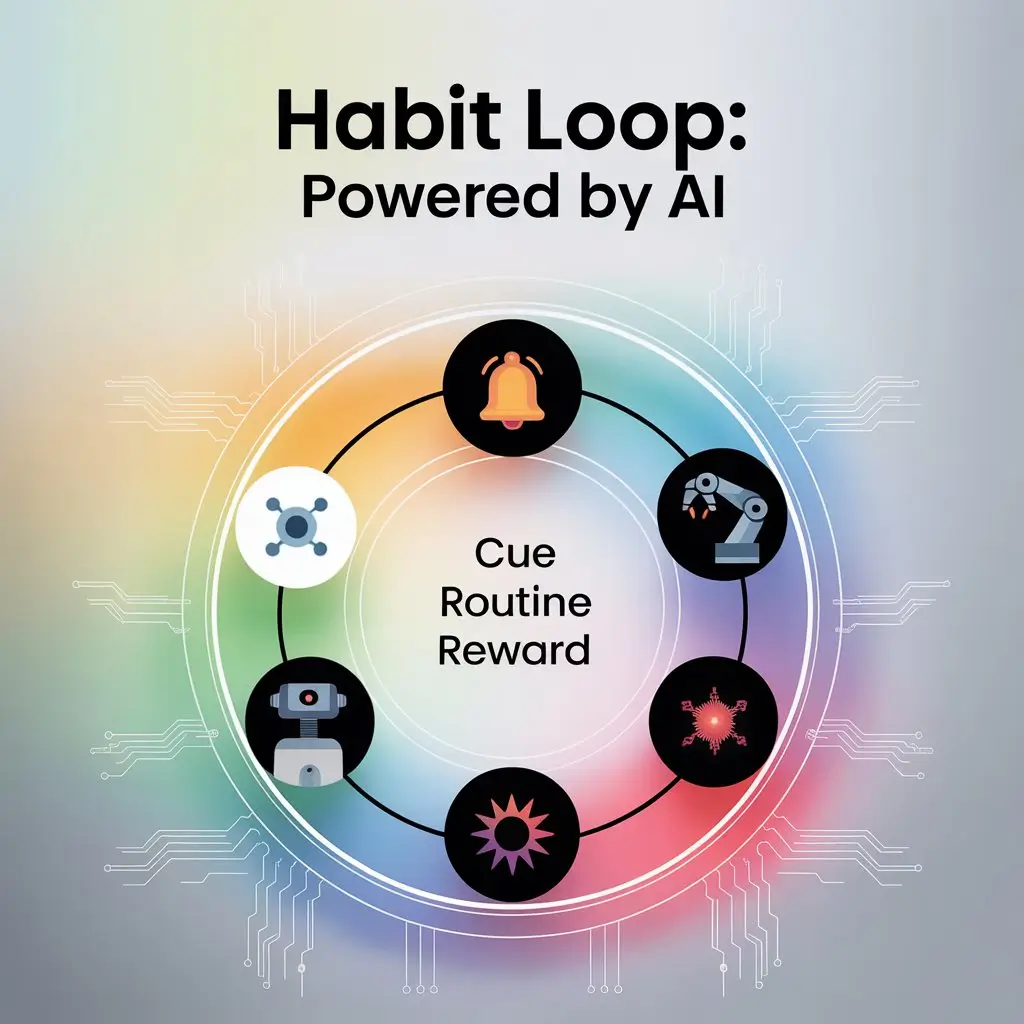
The Habit Loop: Cue, Routine, Reward
The habit loop is a foundational concept in understanding how habits are formed and maintained. It consists of three key components:
The start of a habit through a trigger element is known as Cue. People can experience triggers both inside their bodies as well as outside in their physical environment. The aroma of freshly baked cookies activates the eating craving.
The behavior or action which brings forth a cue is defined as routine. A routine has three possible forms including physical movements and mental processing tasks as well as emotional reactions. For instance, when you feel stressed (the cue), you might reach for a sugary snack (the routine) to comfort yourself.
Reward: The reward is what you gain from the routine, reinforcing the behavior and making you want to repeat it. Three emotions include pleasure in addition to satisfaction and relief. The sweetness of the cookie delivers instant satisfaction, which strengthens the habit of eating cookies in stressful situations.
By understanding this loop, you can identify your habits and the motivations behind them, allowing you to consciously change the routines and rewards.
The Psychology Behind Habit Formation
Human habits form a fundamental part of brain anatomy and functioning. When we repeat a behavior, our brain forms neural pathways that make it easier to perform that behavior in the future. This process is known as neuroplasticity, where the brain adapts based on experiences and repeated actions.
Automaticity: Over time, as habits become ingrained, they shift from requiring conscious thought to becoming automatic. This is why you might find yourself reaching for your phone the moment you wake up without even thinking about it.
Reward Anticipation: The brain releases dopamine, a neurotransmitter associated with pleasure, when we anticipate a reward. This anticipation reinforces the habit loop, making it more likely that we will repeat the behavior. Understanding this mechanism can help you find healthier rewards that can replace negative habits.
Contextual Cues: Our environment plays a crucial role in habit formation. Certain contexts or environments can trigger specific habits. By altering your surroundings, you can disrupt the cues associated with bad habits and create a more supportive environment for good habits.
Types of Habits: Positive vs. Negative
Among habits there exist two main categories which we can describe as positive and negative.
Positive habits consist of useful practices which help you develop both personally and benefit your health. Examples include regular exercise, healthy eating, reading, and practicing mindfulness. Positive habits often lead to improved mental and physical health, increased productivity, and overall life satisfaction.
Negative Habits: In contrast, negative habits can be detrimental to your health and well-being. Smoking and excessive drinking and procrastination habits as well as unhealthy eating patterns could be included in the study. Negative habits can lead to stress, decreased productivity, and various health issues.
Understanding the distinction between positive and negative habits is crucial. The system helps you determine which current habits require replacement so you can implement beneficial behavior patterns.
The Role of Identity in Habit Formation
Another critical aspect of understanding habits is the role of identity. Often, our habits are a reflection of how we see ourselves. For instance, if you identify as a “healthy person,” you are more likely to engage in behaviors that align with that identity, such as exercising and eating nutritious foods.
Identity Change: To replace bad habits with good ones, consider focusing on changing your identity. Instead of setting a goal to lose weight, for example, think of yourself as someone who prioritizes health. This shift in mindset can motivate you to adopt behaviors that align with your new identity.
Consistency with Identity: Habits are more likely to stick when they are consistent with your self-image. When you view yourself through the lens of your desired habits, you create a powerful incentive to maintain those behaviors.
Identifying Bad Habits
Identifying bad habits is a crucial step in the process of replacing them with good ones. This requires a thoughtful and introspective approach to understanding your behaviors and their impacts on your life. Here’s a deeper exploration of how to effectively recognize and analyze your bad habits.
Recognizing Personal Bad Habits
The first step in addressing bad habits is to recognize them. This can be more challenging than it seems, as many habits operate on autopilot. Here are some strategies to help you identify your bad habits:
Self-Reflection Techniques:
Journaling: Keep a daily journal where you note your activities, thoughts, and feelings. Over time, patterns may emerge that highlight behaviors you wish to change. Consider writing down specific instances where you engaged in habits that negatively affected you.
Mindfulness Practices: Engage in mindfulness or meditation to increase your self-awareness. Being present can help you observe your habits as they occur and understand the triggers and emotions associated with them.
Keeping a Habit Journal:
Document your habits over a week or month. Write down what you do in specific situations, how you feel afterward, and any patterns you notice. This can provide valuable insights into habits that may be detrimental to your well-being.
Feedback from Others:
Sometimes, friends or family can identify habits that you may overlook. Ask for constructive feedback about your behaviors, especially those that might be harmful or counterproductive.
Understanding Triggers and Consequences
Once you’ve recognized your bad habits, it’s essential to analyze the triggers that lead to these behaviors and the consequences that result from them. This understanding can provide insights into how to replace these habits effectively.
Identifying Triggers:
Environmental Cues: Note external factors that prompt your bad habits. For example, if you tend to snack mindlessly while watching TV, the act of turning on the television may be a strong cue.
Emotional States: Many habits are triggered by emotions. Pay attention to how you feel before engaging in a bad habit. Are you stressed, bored, or anxious? Recognizing these emotional triggers can help you find healthier coping mechanisms.
Analyzing Consequences:
Reflect on the short-term and long-term consequences of your bad habits. For instance, while smoking may provide immediate stress relief, the long-term health implications are severe. Understanding the full impact of your habits can motivate you to change them.
Creating a Habit Map:
Consider creating a visual representation, like a habit map, that outlines your bad habits, their triggers, and their consequences. This can help you see connections between behaviors and their effects, providing clarity on what needs to change.
The Impact of Bad Habits on Health and Productivity
Understanding the broader implications of your bad habits can reinforce your motivation to replace them. Bad habits can have significant impacts on both physical and mental health, as well as overall productivity.
Physical Health Effects:
Many bad habits, such as poor diet, lack of exercise, and substance abuse, can lead to chronic health issues like obesity, diabetes, heart disease, and respiratory problems. Recognizing the potential health risks associated with your habits can be a powerful motivator for change.
Mental Health Consequences:
Bad habits can also affect mental well-being. For instance, excessive screen time or procrastination can lead to increased anxiety and stress. Understanding how these habits contribute to negative mental health outcomes can help you prioritize change.
Impact on Productivity:
Bad habits can hinder your ability to focus and perform effectively in various aspects of life, including work and personal projects. For example, frequent distractions from social media can lead to decreased productivity, affecting your professional and personal goals.
Interpersonal Relationships:
Some bad habits can strain relationships with friends, family, or colleagues. For instance, excessive drinking or poor communication habits can create rifts in relationships. Acknowledging how your habits affect others can motivate you to seek change for the sake of your relationships.
The Importance of Self-Compassion
As you go through the process of identifying bad habits, it’s essential to practice self-compassion. It can be easy to fall into a cycle of self-criticism when recognizing negative behaviors, but understanding that everyone has habits they wish to change is crucial.
Avoiding Judgment:
Rather than judging yourself harshly for your habits, approach the process with curiosity and kindness. Recognize that habits are learned behaviors and that change takes time.
Celebrating Progress:
Acknowledge the effort you put into identifying your habits. Celebrate small victories along the way, which can boost your motivation and reinforce your commitment to change.
Building Resilience:
Developing self-compassion can also foster resilience. When you approach setbacks with understanding, you are more likely to bounce back and continue working toward replacing bad habits.
Setting Goals for Change
Setting goals is a critical component of successfully replacing bad habits with good ones. Clear, actionable goals provide direction and motivation, helping you stay focused on your journey toward positive change. Here’s a comprehensive exploration of how to effectively set and achieve your goals for habit transformation.
Importance of Clear, Achievable Goals
When it comes to changing habits, vague intentions often lead to vague results. Clear and specific goals increase your chances of success by providing a roadmap for your efforts. Here are several reasons why clear goals are essential:
Focus: Specific goals help you concentrate your efforts on what truly matters. Instead of feeling overwhelmed by the idea of changing multiple habits at once, focusing on one or two specific goals allows for a more manageable approach.
Motivation: When you set clear goals, you create a sense of purpose and motivation. Knowing exactly what you want to achieve can inspire you to take action and maintain your commitment.
Measurable Progress: Clear goals allow you to track your progress effectively. You can assess whether you’re moving closer to your desired outcome, which can be motivating and rewarding.
SMART Goals Framework
The SMART framework represents an efficient goal-setting approach that combines Specificity, Measurability, Achievement requirement, Relevance, and Time constraints. This structured approach helps ensure that your goals are well-defined and realistic. Here’s a breakdown of each component:
A precise goal requires clarity about every aspect including subject, recipient and action points along with timing and reason. A specific fitness goal requires you to state “I want to run a 5K” rather than simply expressing desire for fitness improvement.
Measurable: Include criteria to measure your progress. This could involve tracking your distance, time, or frequency. For instance, “I will run three times a week for 30 minutes” provides a clear measurement of your activity.
Your goal should be realistic as it needs to consider the available resources and present conditions. Great frustration and disappointment often result from attempting goals that exceed realistic expectations. For example, if you’re new to running, aiming to run a marathon in a month may not be feasible.
Your goal needs to fit within your set of personal values, along with achieving your long-term objectives. Ask yourself how this goal fits into your life and why it matters to you. A relevant goal might be, “I want to improve my cardiovascular health to feel more energetic throughout the day.”
Time-bound: Set a deadline for your goal to create a sense of urgency and accountability. A time-bound goal could be, “I will complete my 5K in under 30 minutes within three months.” This encourages consistent effort and helps you stay focused.
Creating a Vision Board
Visualizing your goals can significantly enhance your motivation and commitment. A vision board is a creative way to illustrate your aspirations and keep them at the forefront of your mind. Here’s how to create one:
Gather Materials: Collect magazines, images, quotes, and other materials that resonate with your goals. You can also use digital tools like Pinterest or Canva if you prefer a virtual approach.
Identify Key Goals: Think about the specific habits you want to change and the positive habits you want to adopt. Choose images and words that represent these goals vividly.
Assemble Your Board: Arrange your collected materials on a board or digital platform in a way that feels inspiring to you. Make sure to include motivational quotes or affirmations that resonate with your journey.
Display Your Vision Board: Place your vision board somewhere visible, like your bedroom or workspace, so that you see it daily. This constant reminder can help reinforce your commitment to change and inspire action.
Breaking Goals into Smaller Steps
Large goals can be daunting, which is why breaking them down into smaller, manageable steps is essential. This approach not only makes the process feel less overwhelming but also allows for incremental progress. Here’s how to do it:
Identify Actionable Steps: For each goal, outline the specific actions required to achieve it. For instance, if your goal is to eat healthier, actionable steps might include meal planning, grocery shopping for healthy foods, and preparing meals in advance.
Create a Timeline: Assign timelines to each step to keep yourself accountable. This could involve setting weekly or monthly targets to track your progress toward the larger goal.
Recognition of all your achievements should happen regardless of how minor they seem to be. Recognizing your progress can boost motivation and reinforce your commitment to change.
Regularly Reviewing Your Goals
Goal setting happens in ongoing stages, which demand regular evaluation and necessary adaptations. Regularly reviewing your goals ensures that they remain relevant and attainable as your circumstances change. Here’s how to effectively review your goals:
Schedule Check-Ins: Set aside time weekly or monthly to assess your progress. Use this time to reflect on what’s working, what isn’t, and what adjustments may be necessary.
Adjust as Needed: Life can be unpredictable, and it’s important to remain flexible. If you find that a particular goal is too ambitious or no longer relevant, don’t hesitate to modify it or set new ones.
Reflect on Learnings: Consider what you’ve learned throughout the process. Whether you’ve faced challenges or experienced successes, reflecting on your journey can provide valuable insights for future goal-setting.
The Role of Accountability
Having someone to hold you accountable can significantly enhance your chances of achieving your goals. Whether it’s a friend, family member, coach, or support group, sharing your goals with others can create a sense of responsibility. Here’s how to leverage accountability:
Share Your Goals: Talk to someone about your intentions. Sharing your goals can increase your commitment and provide an additional layer of motivation.
Check-In Regularly: Schedule regular check-ins with your accountability partner to discuss your progress. These conversations can help you stay on track and provide an opportunity to seek support when needed.
Join a Support Group: Consider joining a group focused on habit change or personal development. Being part of a community can provide encouragement, insights, and shared experiences that make the journey easier..
Strategies for Replacing Bad Habits
Identify and Implement Positive Alternatives
When wanting to replace an unwanted behavior you need to select a beneficial substitute. The replacement strategy involves choosing healthier snacks instead of unhealthy ones when you want to reduce your snack consumption.
Gradual Substitution vs. Cold Turkey Approach
Decide whether you want to gradually substitute the bad habit or eliminate it completely. Gradual changes can often be more sustainable.
The Power of Accountability
Your chances to succeed become much higher when you select a reliable accountability partner. Share your goals with someone who can support and motivate you, or consider joining a support group.
Building a Supportive Environment
Modifying Your Surroundings
Create an environment that reduces triggers for bad habits. For instance, if you’re trying to quit smoking, avoid places where you usually smoke.
Importance of Social Support
Surround yourself with people who encourage your growth. Participating in positive social relationships strengthens your dedication to transform yourself.
Utilizing Technology and Apps
Many apps can help you track your habits and progress. Consider using habit-tracking apps to stay accountable and motivated.
Overcoming Obstacles
Common Challenges
You may encounter challenges like relapses or setbacks. Recognizing that these are part of the process can help you stay resilient.
Strategies for Staying Motivated
Find ways to stay motivated, such as rewarding yourself for small achievements. Celebrate milestones, no matter how small.
The Importance of Self-Compassion
Be kind to yourself during this journey. Understand that change takes time and that setbacks are normal.
Maintaining Good Habits
Celebrating Small Victories
Acknowledge and celebrate your progress. Recognizing small victories can boost your motivation and commitment.
Regularly Reviewing Goals
Periodically review and adjust your goals as needed. This ensures that they remain relevant and achievable.
The Role of Consistency and Routine
Establishing a routine can help reinforce new habits. Consistency is key to making good habits a permanent part of your life.
Conclusion
Replacing bad habits with good ones is a journey of self-discovery and growth. By understanding your habits, setting clear goals, and employing effective strategies, you can create lasting change in your life. Remember, the process takes time and patience, but the long-term benefits are well worth the effort.
It’s Monday morning, and my alarm goes off at 7:00 a.m. sharp. I stumble out of bed, blindly reaching for my slippers, only to realize I forgot to put them by my bedside last night. I hobble to the kitchen, squinting at the daylight like a cave-dwelling creature who hasn’t seen the sun in decades, and fumble for the coffee pot. Now, imagine this scene every morning except, wait. You don’t have to. Because like many of us, I’ve turned my mornings into something of a clumsy art form. The beauty of it? Routine. Yes, routine is what keeps me from turning into a complete mess as soon as the alarm blares. And trust me, it’s saved me on more than one occasion.
Indeed, life can sometimes feel like you’re strapped to a rollercoaster with very little idea of what’s coming next. One moment, you’re feeling great, and the next, you’re stuck in the unknown. But here’s a little secret: you can transform that chaotic ride into something much smoother, like a leisurely carousel. The magic wand? Routine.
Routine isn’t about being stuck in a rut it’s about giving your life structure, making things more predictable, and giving you a sense of control that leaves you feeling happier. So, what is it about routine that holds so much power? Is it really the key to contentment, as so many experts claim? Based on real-life experience (and a little bit of scientific backup), the answer is a resounding yes.
The Benefits of Routine
Structure: The Calm Amidst the Storm
Life is chaotic. Between work, personal commitments, friends, family, and the ever-growing list of hobbies, it’s easy to feel overwhelmed. Imagine waking up in the morning with no clear plan for your day. You find yourself at a crossroads between work, chores, and watching your favorite show.
This unpredictability can be overwhelming. But when you have a routine, you have a plan. You know when it’s time to work, when it’s time to relax, and when you can squeeze in that episode (or three) of your favorite show without guilt. It’s like creating a mental blueprint that keeps your mind organized and calm. It helps you avoid the decision fatigue that comes with asking, “What should I do next?”
I remember a time when I thought being “free-spirited” meant avoiding routine like the plague. My schedule was all over the place. I worked when I felt like it, exercised whenever the mood struck (which was rare), and ate dinner at any hour, often reheating pizza at 11:00 p.m.
The first day was fine. I slept in, ate breakfast whenever, and aimlessly strolled around town. But by day two, the magic was gone. I was bored, my energy plummeted, and I felt unproductive. Without structure, my days lacked meaning.
When I finally embraced a basic daily routine, everything clicked. I woke up at the same time, carved out work hours, and even scheduled “me time.” My brain stopped feeling like a hamster on a wheel, and I could focus on what truly mattered.
Predictability: Your Brain’s Best Friend
Do you know that the human brain thrives on predictability? This is why you feel a little spark of satisfaction when you correctly guess a movie twist. Routines introduce small, predictable patterns into your daily life, giving your brain a break from constantly figuring out what’s next.
After your morning coffee, you know what’s coming exercise, work, or whatever fits your schedule. These patterns create stability and help you stay organized.
While you may not be able to predict traffic or a surprise meeting at work, at least you know when lunch is happening or when you’ll grab your next cup of coffee. Routine is like having a personal fortune teller for the little things in life, helping you feel grounded.
Control: The Superpower You Didn’t Know You Have
Life is full of things you can’t control like traffic jams, bad weather, or your neighbor’s obsession with loud music at 2 a.m. But with a routine, you regain control over your time and the aspects of life that matter most.
When life feels chaotic, routine becomes your anchor. Even if the unexpected throws you off, you have the confidence to get back on track. Your routine reminds you that, no matter what happens, you’ve got control over your day.
The Science Behind Routine and Happiness
Why Routines Make You Happier
Daily routines help people feel more in control of their lives, which directly contributes to greater feelings of happiness. By engaging in regular activities that promote physical and mental well-being such as exercising, reading, or winding down at the same time each night you develop habits that release mood-boosting chemicals like dopamine and serotonin.
These feel-good chemicals are nature’s way of thanking you for sticking to a routine, even when you don’t realize it.
Embracing the Mundane
There’s beauty in the mundane. Life doesn’t have to be one grand adventure after another to be fulfilling. In fact, contentment often stems from the small, consistent things we do every day.
I once met someone with the most predictable routine you could imagine. He ate the same breakfast every day, walked the same route to work, and always read for 30 minutes before bed. At first, I thought his life must be dull. But after spending time with him, I realized he was one of the happiest people I’d ever met.
His secret? He didn’t view his routine as boring it was the foundation that allowed him to enjoy life more fully. By simplifying certain parts of his day, he freed up mental energy for creativity, spontaneity, and relaxation.
The Process of Developing Personal Routines That Succeed
Own Your Routine and Find Your Groove
If you’ve been avoiding routine because you think it stifles creativity or robs you of excitement, think again! The power of routine lies in giving you the mental space and emotional stability to enjoy life fully.
Whether it’s starting your day with a consistent morning ritual or finding a regular time to unwind each evening, routines create the framework for freedom, contentment, and happiness.
Start Small
Not convinced? Try building a simple routine for a week. Start with something basic wake up at the same time every day or take 10 minutes for mindfulness in the evening. Worst case, you’ll have a predictable breakfast. Best case, you’ll discover that routine really is the key to contentment.
By embracing the power of routine, you can create a life filled with structure, predictability, and a sense of control. It’s not about making every day feel the same it’s about freeing up your mental energy to focus on what truly matters.
So, what’s stopping you? Start crafting your own routine, and see how it transforms your days (and maybe even your Monday mornings).
In the hustle and bustle of modern life, a productive morning routine can shape the entire day. Ever wonder why some people achieve more in a few hours than others do all day? The secret often lies in their morning habits. A powerful morning routine isn’t just a luxury, it’s a proven strategy for success. By adopting intentional practices, you can kickstart your day with energy, focus, and purpose. Whether aiming for career success, personal growth, or better balance, mornings offer the chance to start strong. Ready to unlock your full potential? Let’s explore the transformative habits for a truly productive morning.
Why a Productive Morning Routine is Essential for Success
A Structured Start to Boost Your Day
A productive morning routine is essential for success, as it sets the tone for the entire day. When you wake up with a clear plan and a series of tasks to tackle, you’re more likely to experience a sense of accomplishment that carries through to the afternoon and evening. Morning routine ideas for success vary from person to person, but the common thread is a structured approach that prioritizes the most important activities. Whether it’s meditating, exercising, or simply reviewing your goals, investing time in the morning can help streamline your thoughts and enhance your focus.
Creating a Mindful and Intentional Environment
One of the key components of a productivity-boosting morning routine is creating a peaceful environment that fosters mindfulness and intention. Avoiding distractions, such as checking your phone or diving into emails too soon, allows for a more reflective start. Implementing morning productivity tips, like setting aside 10 to 20 minutes for journaling or planning your day, can help clarify priorities and reduce feelings of overwhelm. When you carve out this uninterrupted time, you are signalling to yourself that your goals matter.
Energizing Your Body with Physical Activity
Physical activity is another powerful ingredient in a successful morning routine. Engaging in movement, whether through a workout, yoga, or a brisk walk, not only energizes the body but also stimulates the mind. It has been shown that physical exercise releases endorphins and enhances mood, which can improve overall performance throughout the day. Pairing your workout with healthy breakfast choices can further optimize your energy levels, making it easier to tackle challenges head-on.
The Power of Consistency in Morning Habits
Lastly, consistency is vital in establishing a productive morning routine that contributes to long-term success. By making a commitment to your morning rituals and sticking to them, you develop habits that become second nature over time. This consistency breeds discipline, allowing you to manage your time and energy more effectively. Each productive morning leads to improved outcomes, creating a compounding effect that supports both personal and professional growth. In essence, the small changes you make each morning can lead to significant shifts in your overall success journey.
Setting the Foundation: Start Your Day on the Right Foot
The Impact of Morning Choices
Many people underestimate the power of a well-structured morning. Setting the foundation for the day begins as soon as you wake up. Implementing successful morning habits can significantly influence your mindset and energy levels. From the moment you open your eyes, the choices you make can either propel you toward a productive day or leave you feeling sluggish and unmotivated. A few simple adjustments can transform your mornings and lead to a more productive day overall.
Structuring Your Morning for Success
Creating a productivity-boosting morning routine is essential for optimal performance. Start by waking up at the same time every day, allowing your body to establish a natural rhythm. This consistency not only helps regulate your sleep cycle but also creates momentum for your day. Following this, setting aside time for activities such as stretching, meditation, or a quick workout can help wake up your body and mind. Engaging in these practices can increase your focus and improve your mood, setting the stage for a successful day ahead.
Fueling Your Body with a Healthy Breakfast
Incorporating a healthy breakfast into your morning is another important facet of a productive routine. Fueling your body with a nutritious meal provides the energy needed to tackle the challenges that lie ahead. Consider including proteins, healthy fats, and whole grains, which can help sustain your energy levels throughout the day. Moreover, taking a few moments to plan out your tasks or set intentions for the day can significantly enhance your sense of purpose and direction. When you have a clear plan in mind, you are less likely to be sidetracked by distractions that often derail focus.
The Role of Positivity and Gratitude
Lastly, embracing a mindful and positive approach to your mornings sets the tone for how you will perceive and respond to whatever comes your way. Taking just a few minutes for gratitude or affirmations can shift your mindset and motivate you to pursue your goals with enthusiasm. Ultimately, by implementing successful morning habits and creating a productivity-boosting morning routine, you’ll not only enhance your day but also cultivate a lifestyle that values intentionality and growth. The groundwork you lay each morning will echo positively throughout all areas of your life.
Morning Rituals to Boost Energy and Focus
Hydration: The First Step to Rejuvenation
Starting your day with a productive morning routine can significantly influence your energy levels and focus throughout the day. Many successful individuals swear by their morning rituals, which set a positive tone and create momentum for the tasks ahead. Hydration is a crucial first step in your morning ritual. After hours of sleep, your body naturally becomes dehydrated, which can lead to sluggishness. Drinking a glass of water as soon as you wake up can jumpstart your metabolism and help you feel more awake.
Practicing Mindfulness to Center Yourself
Pairing hydration with a few minutes of mindfulness or meditation can further sharpen your focus. Taking time to breathe deeply, reflect on your intentions for the day, or simply enjoy a moment of silence can help clear your mind and centre your thoughts as you prepare for the day ahead.
Energizing Through Movement
Incorporating movement into your morning routine is another powerful way to boost energy levels. Even just 10-15 minutes of stretching or a quick workout can accelerate blood flow and release endorphins, leaving you energized and alert. Whether you prefer yoga, a brisk walk, or a more intense workout, the key is to find something you enjoy. This not only helps wake your body but also sets a proactive tone for the rest of the day.
Planning for Success
Lastly, consider setting specific goals or tasks for the day during your morning routine. Jotting down a to-do list or prioritizing your tasks can promote a sense of achievement and direction. When you have a clear plan in place, it becomes easier to maintain focus and productivity throughout the day. By nurturing your body and mind with these morning rituals, you can create a foundation of energy and clarity that propels you forward, ensuring that every day begins with intention and purpose.
The Power of Mindfulness in Your Morning Routine
Enhancing Focus Through Mindfulness
In today’s fast-paced world, finding a way to incorporate mindfulness into your morning routine can be transformative. A productive morning routine sets the tone for the rest of the day, and mindfulness allows you to navigate daily challenges with clarity and intention. By focusing on the present moment, individuals can enhance their overall well-being and increase their capacity for efficiency and effectiveness from the moment they wake up.
Simple Practices for Mindful Mornings
Starting the day with a few mindful practices can create a ripple effect throughout your entire morning. Simple activities such as deep breathing, gentle stretching, or even savouring a cup of tea can ground your thoughts and promote a state of calm.
Building Resilience with Mindfulness
Integrating mindfulness into your morning can improve your emotional resilience. As you cultivate this awareness, you become better equipped to handle stress and unexpected challenges that arise throughout your day.
Setting the Tone for a Purposeful Day
Ultimately, the power of mindfulness lies in its simplicity and accessibility. Whether you dedicate a few moments to meditation, practice gratitude, or simply enjoy the silence of the morning, these mindful habits can profoundly impact your ability to create a truly productive morning routine. By fostering intentionality and presence in the early hours, you not only enrich your own life but also lay a strong foundation for success in all aspects of your day.
Tips for Maximizing Productivity in the Mornings
Setting the Tone for the Day
For many, the morning sets the tone for the entire day. To cultivate a fruitful day ahead, establishing a productive morning routine is vital. Small but intentional actions taken during the morning can significantly impact your focus, energy, and overall success throughout the day.
Establishing a Consistent Wake-Up Time
The Importance of Routine Wake-Ups
Start by waking up at the same time each day, even on weekends. This consistency helps regulate your body’s internal clock, making it easier to rise and shine each morning. A stable sleep schedule improves your ability to wake up feeling refreshed and ready to tackle the day.
Benefits of a Regulated Body Clock
By maintaining a regular wake-up time, your body becomes accustomed to a predictable rhythm. This reduces grogginess and allows you to start each day with a sense of energy and alertness, setting a solid foundation for productivity.
”quick tips ”
Set your alarm at the same time daily, even on weekends, to regulate your body’s internal clock.
Invigorating the Body and Mind
Stretching and Light Exercise
Incorporating a few moments of stretching or light exercise into your morning can provide a powerful boost. Activities like yoga, walking, or quick workouts can wake up your body and invigorate your mind, preparing it for the challenges ahead.
Benefits of Morning Movement
Engaging in physical activity increases blood flow, releases endorphins, and enhances mental clarity. Even small movements can set a positive tone for the rest of the day, helping you feel more energized and accomplished before tackling your first task.
Practicing Mindfulness and Meditation
Clearing Mental Clutter with Mindfulness
Once you’re up, consider implementing a brief period of mindfulness or meditation. Even just five to ten minutes focused on breathing or reflecting can clear mental clutter and increase your focus.
The Impact of Mindfulness on Focus
Mindfulness and meditation help you start the day with clarity, allowing you to approach challenges with a calm and centred mindset. This foundational practice can significantly enhance your ability to concentrate and maintain emotional balance throughout the day.
Fueling Your Body with Nutrition
The Role of Breakfast in Productivity
Follow your mindfulness practice with a nutritious breakfast. Fueling your body with healthy food can significantly impact your energy levels and cognitive function throughout the day.
Choosing the Right Foods
Opt for balanced meals that include proteins, healthy fats, and whole grains. Examples include oatmeal topped with fresh fruit, smoothies with greens and protein, or eggs paired with whole-grain toast. These choices provide sustained energy and help stabilize blood sugar, reducing the likelihood of a mid-morning energy crash.
” quick tips ”
Prep breakfast the night before, like overnight oats or a smoothie, for a no-stress morning.
Planning Your Day
Reviewing Tasks and Priorities
Another crucial component of a productive morning is planning your day. Spend a few minutes reviewing your tasks and priorities, creating a to-do list that outlines what you aim to achieve.
Identifying Key Goals
By identifying your top three goals for the day, you can focus your energy on achieving what matters most. This approach reduces the overwhelming feeling that comes with a busy schedule and provides a clearer pathway to follow.
” quick tips ”
Write down your top three priorities for the day to maintain focus and reduce overwhelm.
Minimizing Morning Distractions
Avoiding the Trap of Social Media
Minimize distractions during this golden time in the morning. Limit your exposure to social media and news, which can easily derail your focus and dampen your mood.
Dedicating Time to Growth and Reflection
Instead, dedicate this precious part of the day to self-improvement or learning. Whether through listening to a podcast, reading a book, or journaling, nurturing a focused and intentional environment during the morning allows you to maximize its potential.
Harnessing the Morning Hours for Success
Leveraging the Quiet Hours
The early hours of the morning hold a unique power that can significantly influence productivity and success throughout the day. During this time, when the world is still waking up, you have the opportunity to focus on deep reflection and goal-setting.
Aligning Actions with Aspirations
By creating a morning routine that aligns with your personal goals and values, you can prioritize what truly matters. This alignment fosters a sense of purpose and motivation, propelling you toward success.
Reflecting on personal goals and intentions during quiet morning moments can significantly enhance motivation. Writing in a journal or creating a vision board during this time allows you to visualize what you hope to achieve.
Breaking Goals into Manageable Steps
Consider breaking larger goals into smaller, actionable tasks. This not only makes them more attainable but also provides a rewarding sense of accomplishment as you complete each step.
Start your day by hydrating with a glass of water to rehydrate your body after sleep. Pair this with a balanced breakfast to provide the nutrients needed for sustained energy and focus.
Movement and Mindfulness
Incorporate movement through stretching, yoga, or a short walk to invigorate your body. Pair this with mindfulness practices like meditation or journaling to centre your mind and emotions.
Setting Intentions for a Successful Day
Establishing a Positive Mindset
As you plan your day, set intentions that go beyond tasks. Consider how you want to feel and what you aim to achieve by day’s end. Embedding positive emotions and aspirations into your goals fosters motivation and mindfulness.
Fostering a Sense of Purpose
By aligning your actions with your values, you create a sense of purpose and clarity. This approach not only helps you stay on track but also makes even mundane tasks feel meaningful.
” quick tips ”
Place your phone in another room while you plan or journal to avoid distractions.
Cultivating a Productive Mindset
Consistency is Key
The secret to a productive mindset lies in the consistency and intention of your morning routine. Small, repeated actions compound over time to create lasting habits that enhance your daily life.
A Holistic Approach to Productivity
By combining mindfulness, movement, nutrition, and goal-setting, you create a harmonious routine that primes you for success. Each day becomes an opportunity to grow, thrive, and achieve, reinforcing positive habits and a resilient mindset.
By structuring your morning intentionally and embracing practices that resonate with your goals and values, you can transform your days into powerful stepping stones toward long-term success and well-being.